What if the fate of the barred owl—an emblem of the Pacific Northwest’s ancient forests—hinged not on the silent wings of conservationists, but on the clamor of public opinion? The barred owl culling policies, a contentious cornerstone of wildlife management, are increasingly shaped by the tumultuous, sometimes cacophonous, process of public comment periods. These windows of civic engagement, where voices rise like mist over old-growth canopies, wield immense power. Yet, they are also fraught with paradox: a tool designed for democracy can become a battleground where science, emotion, and politics collide. How do these comment periods influence decisions that could mean life or death for a species? And what happens when the public’s roar drowns out the owl’s hoot?
 Amanda Graves
Owls and the Spread of Invasive Rodents: A Growing Problem

What if the silent guardians of the night, the owls, were waging a stealthy war against an unseen enemy? Not the kind of battle fought with talons and screeches, but one conducted in the shadows of our ecosystems, where the true casualties are the delicate balance of nature itself. Invasive rodents, those uninvited guests of the animal kingdom, are spreading like wildfire across continents, and owls—those enigmatic, feathered sentinels—might just be the unlikely heroes in this unfolding drama. But can they truly turn the tide, or are we witnessing the rise of a new ecological crisis?
The Best Places to See Spotted Owls in the Pacific Northwest
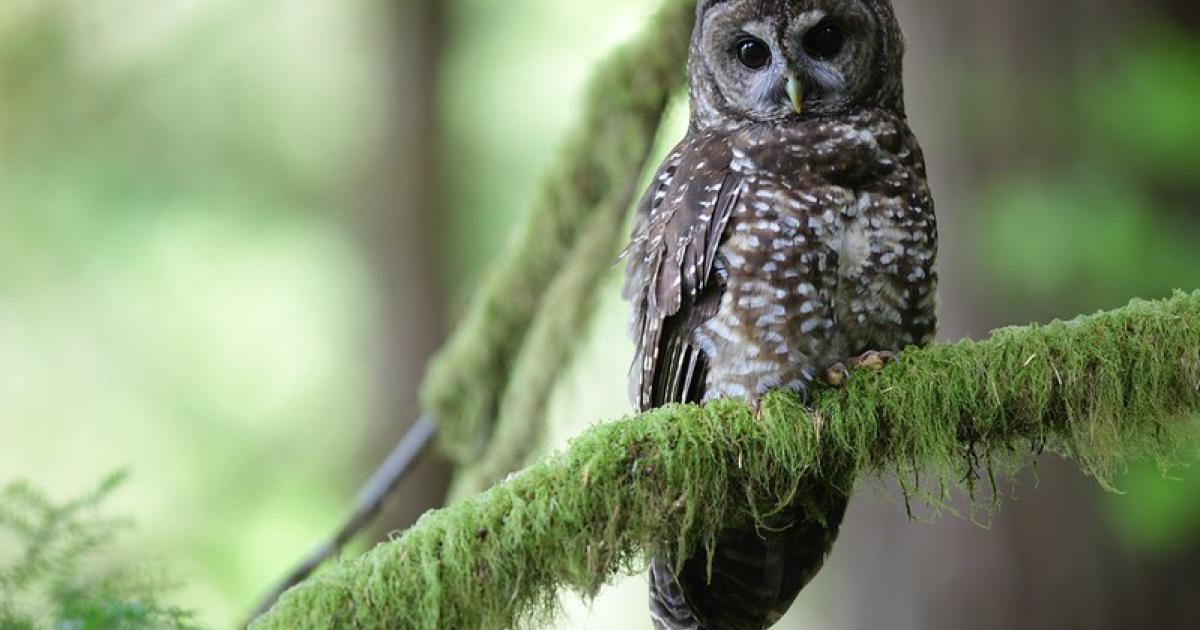
Have you ever wondered what it takes to spot one of the Pacific Northwest’s most elusive avian treasures? The spotted owl, with its somber mottled feathers and haunting calls, holds an almost mythical status among bird enthusiasts and nature lovers alike. But here’s the rub: finding these creatures amid dense old-growth forests is no simple feat. Is the pursuit merely a tempting challenge, or can one truly hope to witness these shy woodland sentinels in their natural habitat? Let’s embark on a journey through the verdant gems of the Pacific Northwest, unveiling the supreme locales where the elusive spotted owl might just reveal itself to the vigilant visitor.
How to Reduce Your Carbon Footprint to Help Owls

Imagine the owl—silent sentinel of the twilight, its golden eyes piercing the gloom like twin lanterns in the forest’s cathedral. This bird, draped in feathers of dusk and dawn, is more than a hunter of the night; it is a living barometer of ecological health. Where the owl thrives, the forest breathes. Where it falters, the air grows thin, and the shadows whisper warnings. Your carbon footprint is not just a number on a calculator—it is a shadow cast upon the owl’s domain. Every watt of wasted energy, every mile driven in haste, every plastic bottle left to drift like a ghost in the current, erodes the quiet sanctuary this majestic creature depends upon. But here lies the power of transformation: by shrinking your footprint, you do not merely reduce emissions—you restore a kingdom of feathers and flight. This is not just about saving the planet. It is about saving the owl. And in doing so, you might just save a piece of the wild magic that makes life worth living.
Owls in Religion: Sacred Birds in Different Faiths

Throughout the annals of human history, owls have cast a shadow of mystery and reverence upon countless civilizations. These nocturnal birds, with their piercing gaze and silent flight, have transcended mere biological existence to become potent symbols within the spiritual and religious tapestry of diverse cultures. Owls are not simply creatures of the night; they are emblems of wisdom, messengers between realms, and guardians of sacred knowledge. As symbols deeply embedded in various faiths, their interpretations range from harbingers of enlightenment to ominous portents. This exploration invites you to delve into the multifaceted roles of owls as sacred birds, tracing their enigmatic footprints across religious landscapes and spiritual traditions.
How Nanotechnology Could Revolutionize Owl Research and Health Monitoring
The silent wings of an owl slicing through the moonlit sky have long captivated humanity. These enigmatic birds, with their piercing gaze and nocturnal prowess, embody a paradox of fragility and ferocity. Yet beyond their mystique lies a world of biological marvels—feathers that muffle sound, eyes that pierce darkness, and instincts honed over millennia. What if we could peer into this hidden realm not with binoculars, but with the precision of nanotechnology? The fusion of these two domains could redefine how we study, protect, and even heal these sentinels of the night.
The Use of Machine Learning in Identifying Snowy Owl Nests
Have you ever wondered how a scientist might track the elusive snowy owl’s nesting secret spots across vast, frozen tundras without setting foot on each icy patch? Imagine the challenge of pinpointing these hidden nests, cloaked by nature’s white blanket, in an environment where human presence is both risky and limited. The answer to this intricate puzzle lies not in traditional fieldwork alone, but in the rising prowess of machine learning—an innovative ally transforming conservation efforts. It beckons an intriguing question: can algorithms truly decipher the subtle signatures of snowy owl nests better than the keenest human eyes?
The Spotted Owl’s Territorial Behavior: Defending Their Forest Home

In the dense, shadowy realms of ancient forests, the spotted owl reigns as an enigmatic sentinel—a creature whose very existence is entwined with the obscure tapestry of its woodland kingdom. Far more than a mere inhabitant, this elusive raptor exhibits a complex, fervent allegiance to its territory, an ethereal bond that commands vigilance, strategy, and sheer tenacity. Beneath its captivating gaze lies a fierce determination to defend its forest home, a behavior that challenges our conventional understanding of territoriality and invites us to reconsider the profound relationship between creature and habitat.
How Nest Box Programs Are Helping Monitor Spotted Owl Reproductive Success
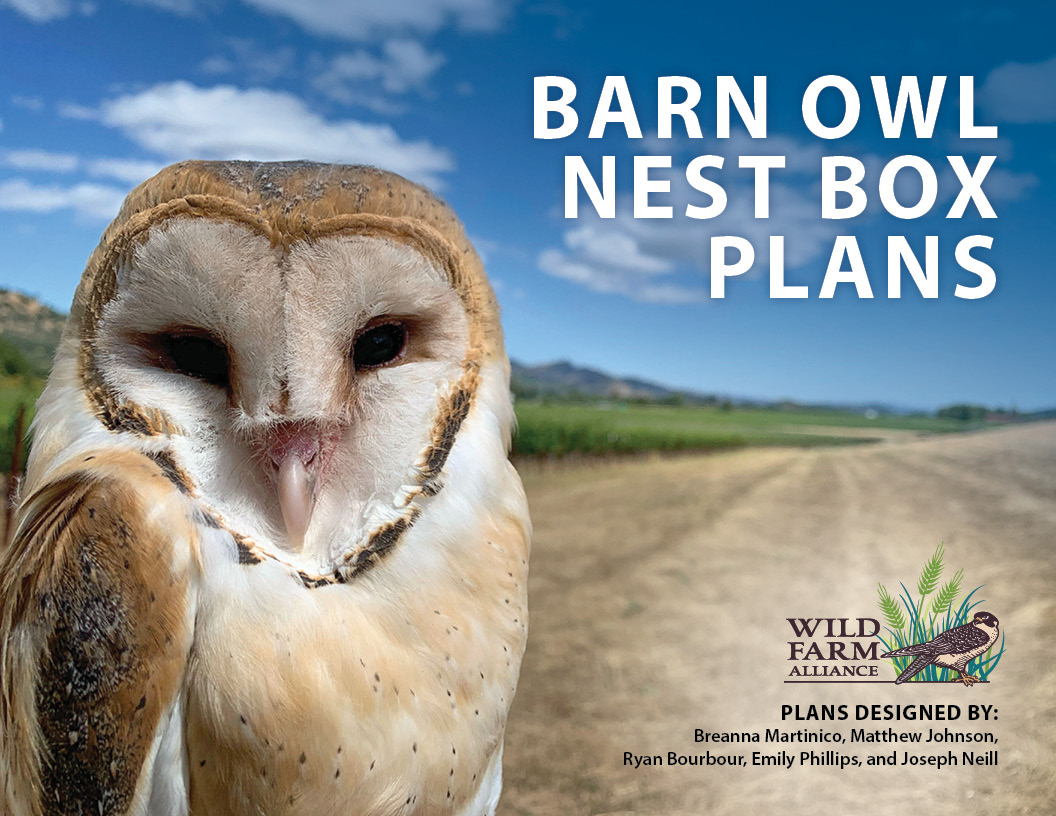
In the shadowed realms where ancient forests whisper secrets to the wind, a silent revolution is unfolding—not with the roar of chainsaws or the crash of falling timber, but with the soft, insistent call of conservation. Nest box programs, those unassuming wooden sanctuaries, have become the unsung heroes of ecological detective work, particularly for the elusive and imperiled spotted owl. These programs are not merely about providing shelter; they are about unlocking the chronicles of reproductive success, a vital chapter in the survival narrative of a species teetering on the edge of existence. Through meticulous observation and strategic intervention, nest boxes have emerged as both a lifeline and a lens, offering scientists and activists alike a rare glimpse into the intimate ballet of owl reproduction—a dance as delicate as it is critical.
The Use of eDNA in Detecting Owl Species in the Wild

The silent wings of an owl slicing through the moonlit forest evoke a primal sense of mystery. These nocturnal sentinels, cloaked in plumage that whispers to the shadows, have long captivated human imagination. Yet, their elusive nature makes them difficult to study in the wild. Enter environmental DNA—eDNA—a revolutionary tool that is quietly transforming how we perceive and protect these enigmatic birds. No longer must researchers rely solely on fleeting glimpses or faint hoots in the dark. Instead, they can now listen to the forest through the invisible language of genetic traces left behind in soil, water, and air. This technological leap doesn’t just reveal presence; it uncovers stories of survival, adaptation, and the delicate balance between species and their habitats.