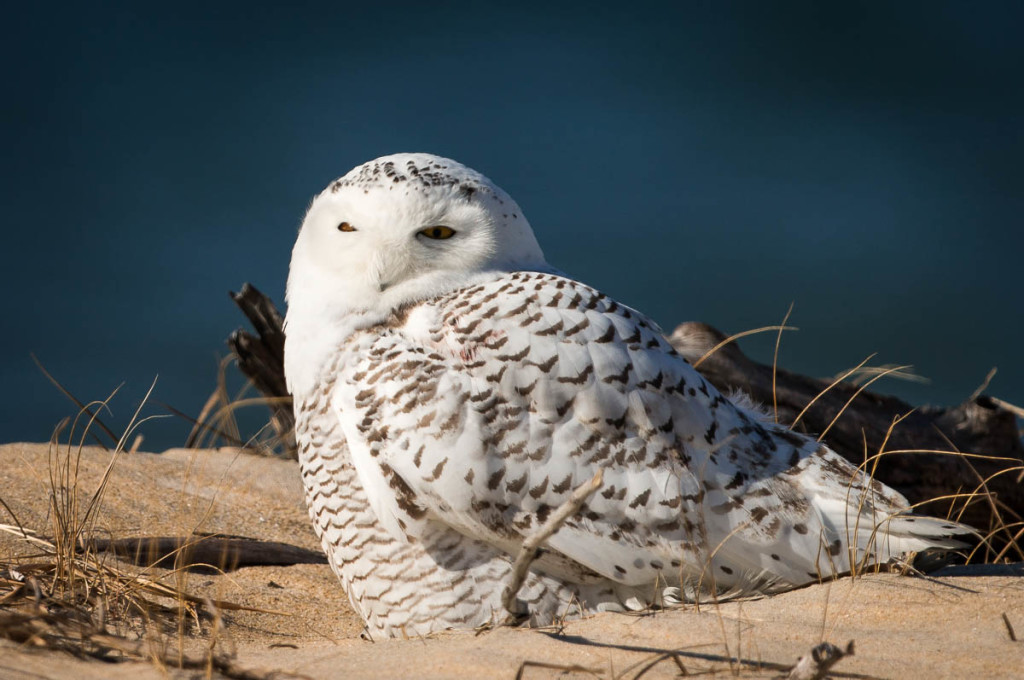
Every few years, the vast Arctic tundra unleashes one of its most spellbinding spectacles: the snowy owl irruption. The year 2026 promised a particularly enthralling chapter in this avian phenomenon. Yet, beneath the surface of this breathtaking migration lies a tapestry of complex causes, intriguing patterns, and invaluable lessons that beckon us to rethink our understanding of nature’s subtle signals. This irruption is not just a migratory event—it is a narrative encoded in the language of ecosystems, climate, and survival. It challenges us to observe with new eyes, listen more intently, and question the equilibrium we often take for granted.
How Snowy Owls Are Affecting Arctic Bird Migration Patterns
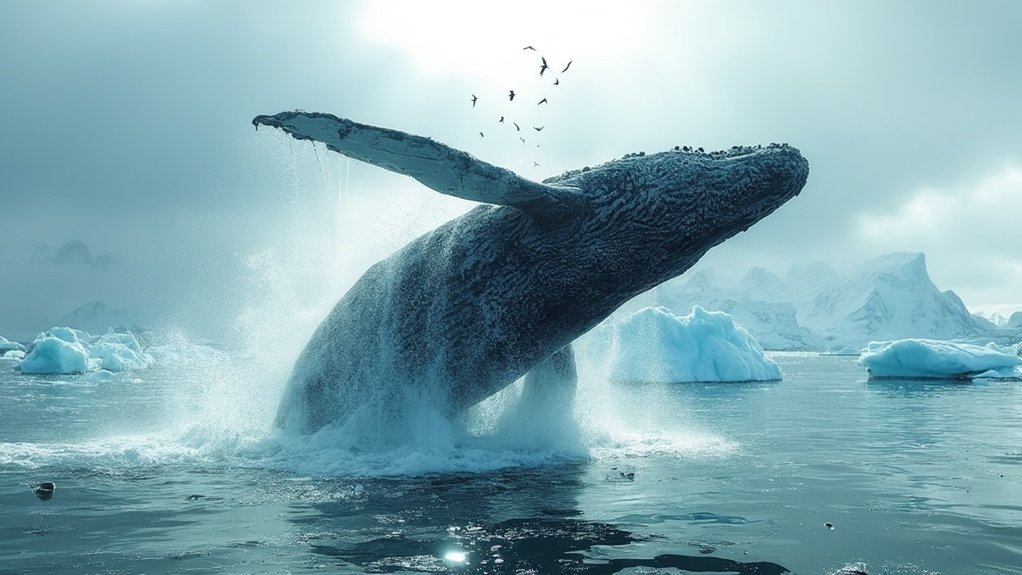
The Arctic is a land of paradoxes—where the sun never sets in summer and the stars never fade in winter, where silence is not absence but a presence of its own. Here, the Snowy Owl, a ghostly sentinel of the tundra, does not merely observe the rhythms of life; it reshapes them. With piercing golden eyes that pierce the endless white, this apex predator is not just a hunter but a choreographer of migration, a silent architect of avian exodus. The Snowy Owl’s influence on Arctic bird migration patterns is not a footnote in the annals of ecology—it is a symphony of predation, adaptation, and survival, where every note is a life hanging in the balance.
The Dark Side of Irruptions: Starvation Collisions and Other Threats to Snowy Owls
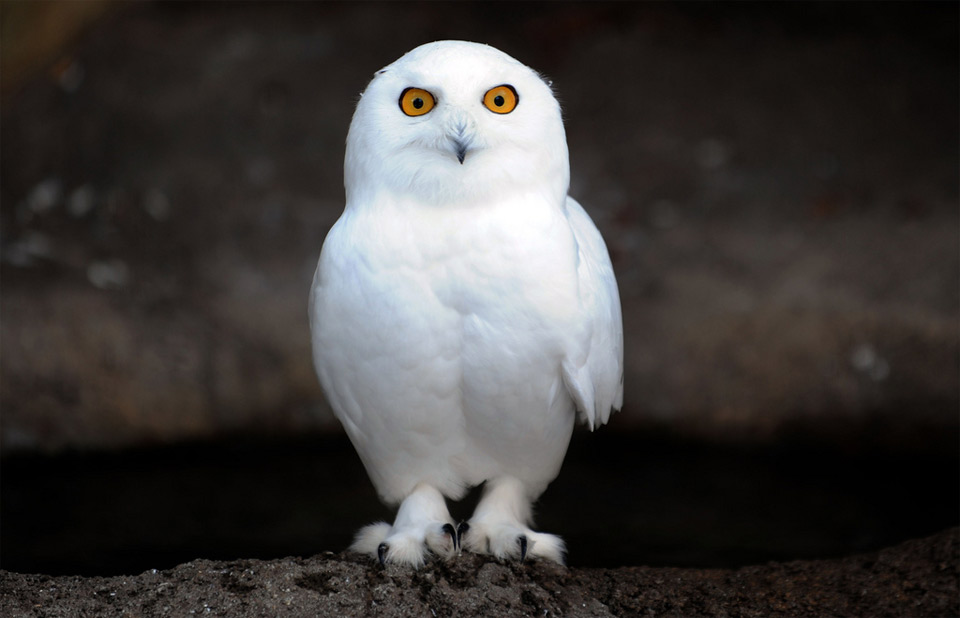
There’s something hauntingly beautiful about a snowy owl perched on a fence post at dusk, its golden eyes piercing the twilight like twin lanterns in a storm. These Arctic wanderers, clad in feathers of frost and moonlight, have long captivated the human imagination—symbols of resilience, mystery, and untamed wilderness. Yet beneath their regal demeanor lies a darker narrative, one of starvation, collisions, and the relentless pressures of a changing world. Irruptions, those dramatic southward surges of snowy owls beyond their usual Arctic haunts, are not mere spectacles of nature’s whims. They are desperate migrations, survival strategies gone awry, revealing the fragility of even the most majestic creatures when faced with ecological upheaval.
How Pygmy Owls Are Affecting Insect Populations in Their Forests
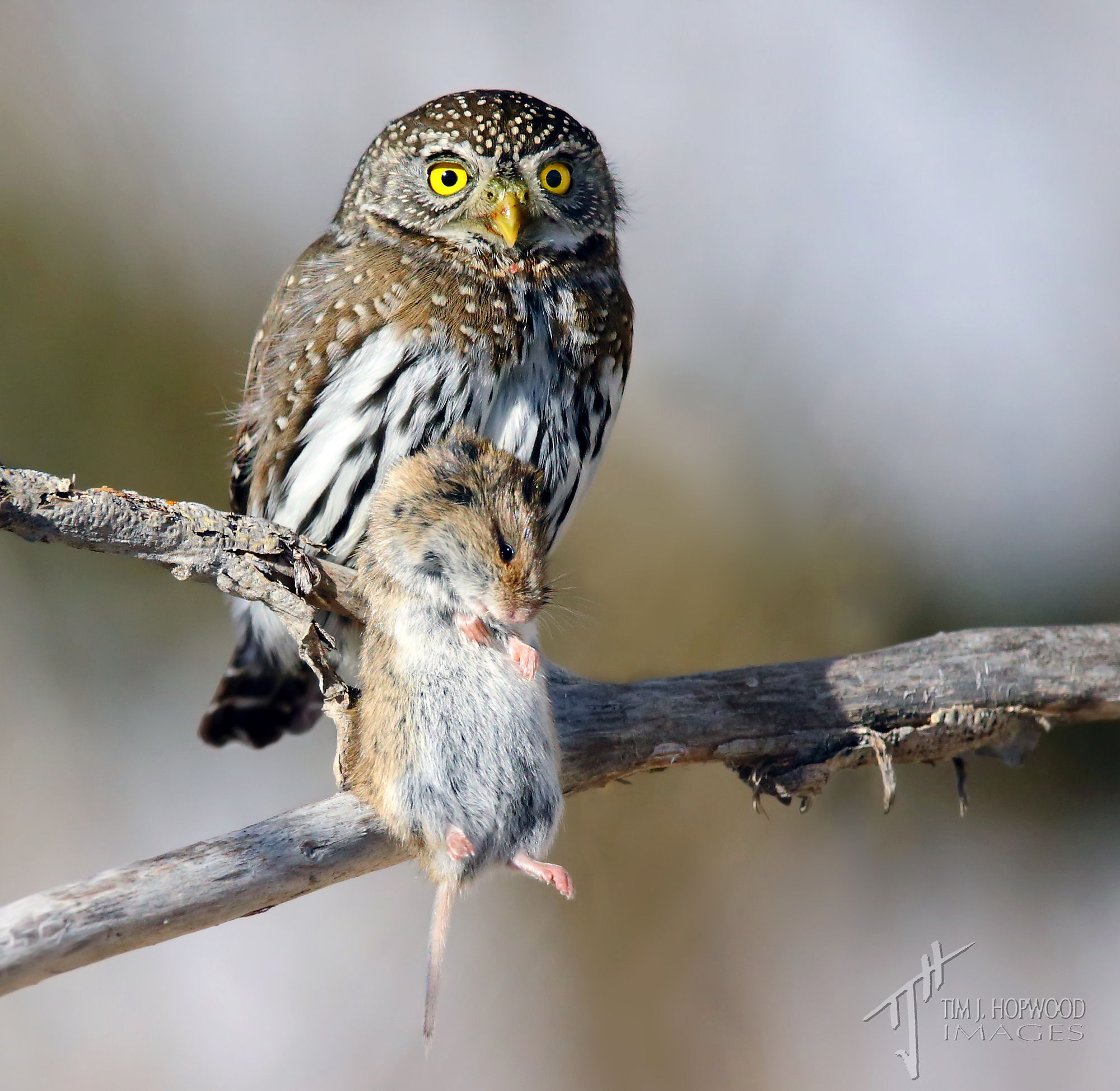
The forest hums with a quiet, ancient rhythm—each rustle of leaves, each whisper of wind through the pines, a testament to an ecosystem finely tuned over millennia. Yet, hidden within this verdant symphony, a diminutive predator moves with the stealth of a shadow. The pygmy owl, no larger than a sparrow, is a paradox of fragility and ferocity, a feathered titan whose presence reshapes the very fabric of its woodland domain. These tiny raptors, with their piercing golden eyes and a call that pierces the dawn like a silver needle, are not mere spectators to the forest’s drama. They are its unseen architects, wielding an influence that cascades through the insect world with the precision of a master weaver.
How Community Science Is Helping Track Snowy Owl Populations
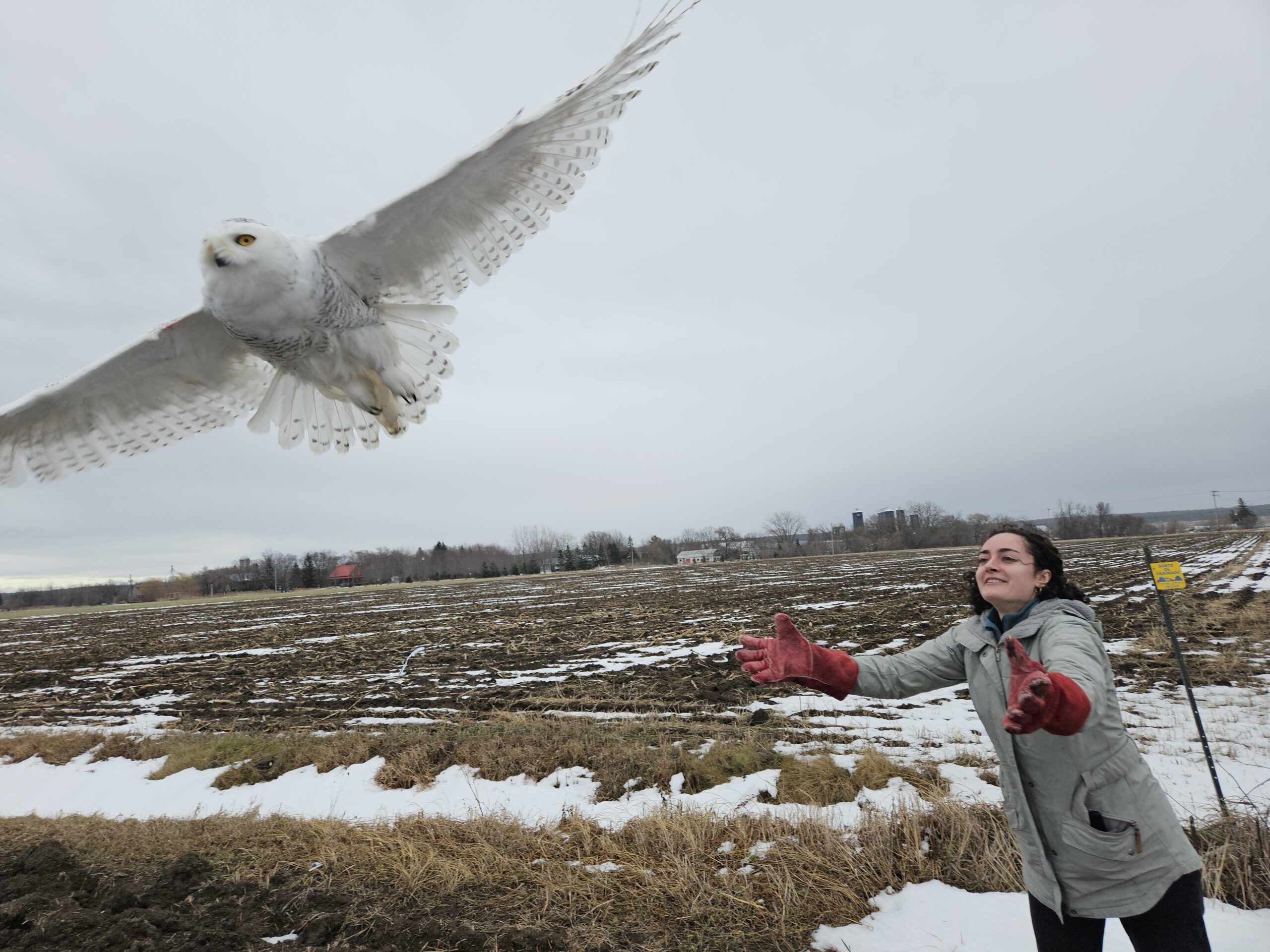
Snowy Owls, enigmatic jewels of the Arctic tundra, captivate both seasoned ornithologists and casual birdwatchers alike. Their ethereal beauty and elusive nature make them a compelling subject of study, especially as their populations face challenges from environmental change. With expanding technological tools and an eager global community, a revolutionary approach known as community science is transforming how these majestic birds are tracked and understood. This collaborative endeavor bridges curiosity with scientific rigor, inviting everyone to partake in the stewardship of the snowy owl’s future.
Owls and Climate Science: What They Tell Us About a Changing Planet

There is an almost mystical allure to owls, those silent sentinels of the night whose penetrating eyes and ghostlike flight captivate the human imagination. Their enigmatic presence invokes both fear and admiration, resonating deeply within cultures across the globe. Yet beyond folklore and superstition lies a profound scientific narrative: owls serve as intricate bioindicators, unlocking secrets about environmental flux and, by extension, the planetary metamorphosis driven by climate change. By attuning ourselves to the subtle upheavals echoed within their behaviors and habitats, we gain unprecedented insight into the shifting choreography of Earth’s ecosystems.
The Use of Bioacoustics in Tracking Barred and Spotted Owl Calls
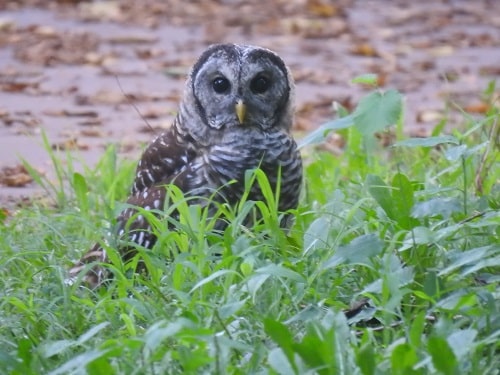
Ever found yourself wondering if an owl’s hoot in the dead of night is just a random sound or a secret message sent across the forest? What if the intricate symphony of Barred and Spotted owls is more than mere birdcalls—could these vocalizations be keys to unlocking their elusive behaviors and movements? Tracking these enigmatic creatures poses a challenge riddled with curiosity and complexity, beckoning the cutting-edge science of bioacoustics to join the pursuit.
The Owl in Islam: Interpretations and Symbolism
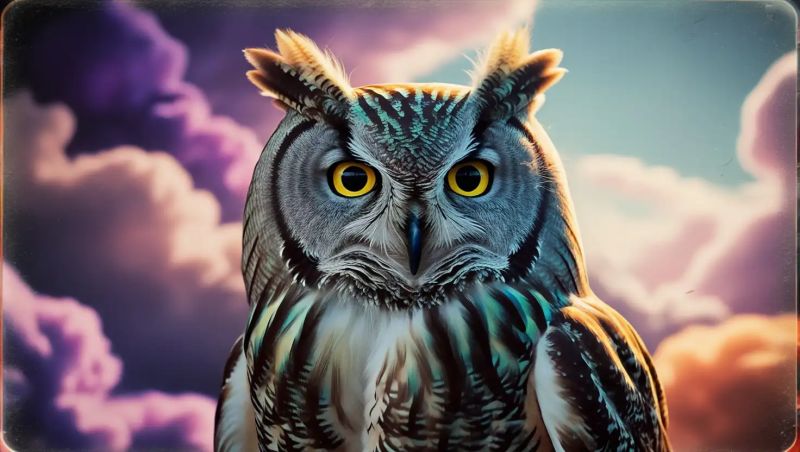
The owl, with its nocturnal gaze and silent flight, has long been a creature of mystery across civilizations. In Islam, this enigmatic bird transcends mere ornithological interest, embodying layers of spiritual symbolism, historical narratives, and theological interpretations. Far from being a mere symbol of wisdom in the Islamic tradition, the owl is a multifaceted emblem—sometimes revered, sometimes reviled—whose presence in scripture, folklore, and cultural lore invites deep reflection. To understand the owl in Islam is to unravel a tapestry woven with divine signs, cautionary tales, and profound metaphysical lessons. This exploration will traverse the sacred texts, prophetic traditions, and cultural perceptions that shape the owl’s role in Islamic thought, revealing how a bird often associated with darkness can illuminate the path to deeper spiritual understanding.
The Impact of Snowy Owls on Arctic Fish Populations: An Indirect Connection
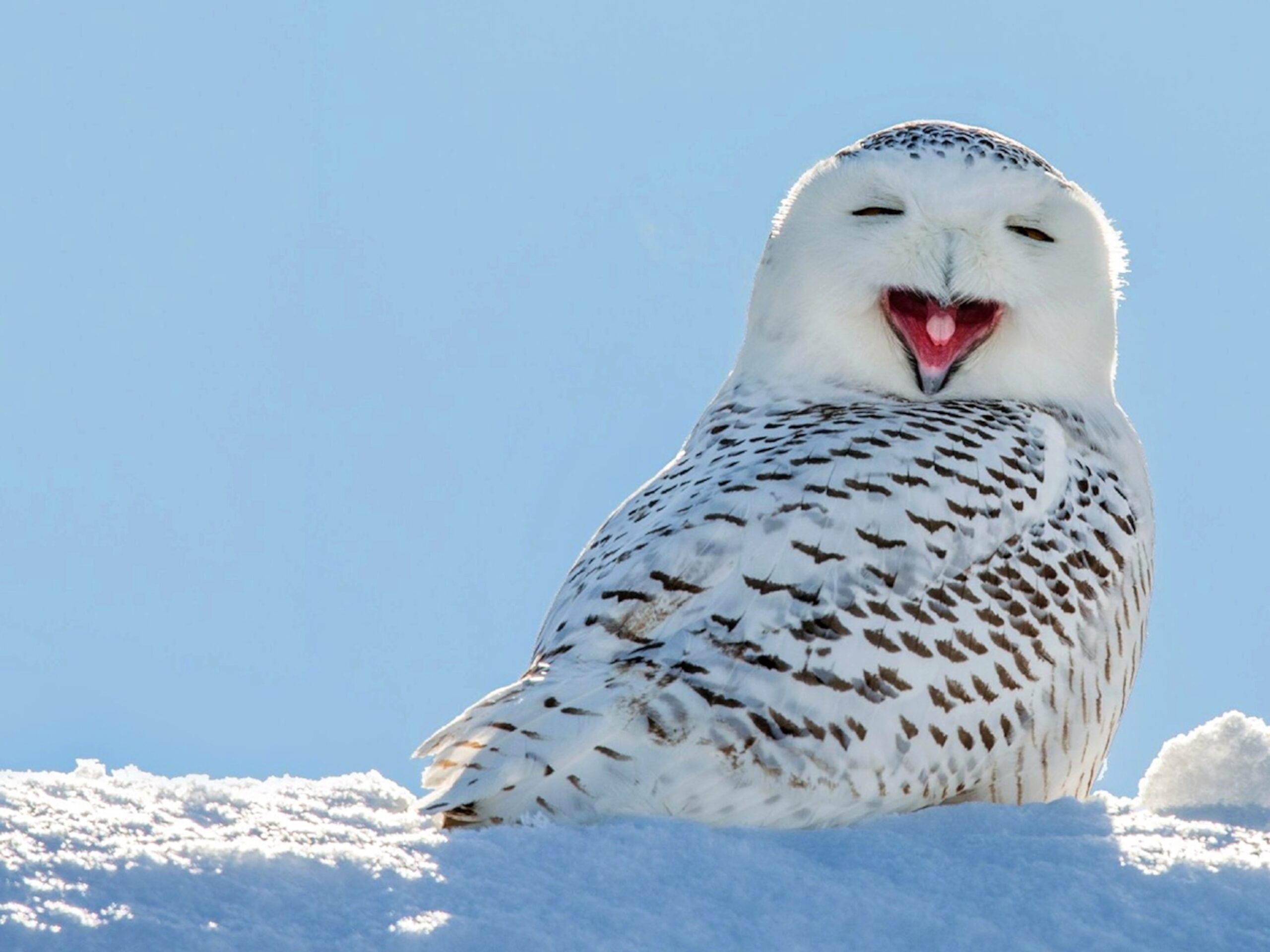
What if I told you that the Arctic’s most enigmatic predator, the snowy owl, could be an unsung hero—or perhaps a mischievous trickster—in the delicate ballet of fish populations beneath the ice? At first glance, these silent, snow-dusted sentinels seem more like characters from a winter fairy tale than ecological linchpins. Yet, their presence ripples through the Arctic’s frozen ecosystems in ways that are as surprising as they are profound. The snowy owl’s relationship with fish isn’t one of direct predation, but rather a labyrinthine web of interactions that challenge our understanding of predator-prey dynamics. So, let’s embark on a journey beneath the ice, where the owl’s shadow looms large, and the fate of Arctic fish hangs in a precarious balance.
The Science Behind Owl Adaptations: Silent Flight Night Vision and More
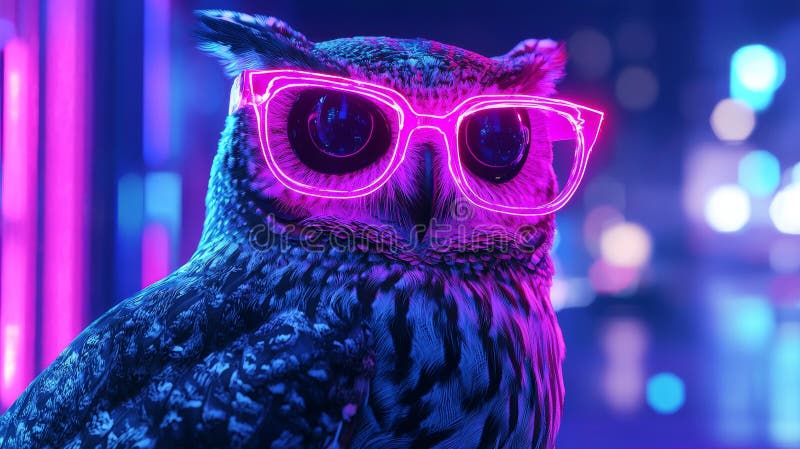
The night is a realm of whispers and shadows, where the boundaries between silence and sound blur into obscurity. Yet, in this cloak of darkness, a silent predator glides with eerie grace—its wings slicing through the air without so much as a murmur. The owl, a creature of paradox, has long captivated humanity with its uncanny ability to navigate the nocturnal world. But what secrets lie beneath its feathered cloak? How has evolution sculpted this master of stealth into a paragon of nighttime predation? Prepare to embark on a journey into the hidden mechanics of owl adaptations, where science unravels the mysteries of silent flight, razor-sharp vision, and a suite of other extraordinary traits that redefine the very essence of avian prowess.