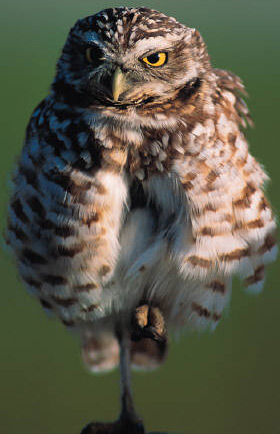
What if the key to saving the world’s most enigmatic birds lay not in solitary research labs or isolated field stations, but in the unspoken bonds between scientists scattered across continents? The Global Owl Conservation Network (GOCN) isn’t just another conservation initiative—it’s a living, breathing web of collaboration, where data flows like whispers through the night and shared insights become the wings that lift endangered species from the brink. In a world where biodiversity is hemorrhaging at an unprecedented rate, these researchers are rewriting the rules of conservation by turning competition into camaraderie. But as they stitch together a tapestry of knowledge, a playful yet pressing question lingers: Can a global network truly outpace the relentless march of habitat destruction?
The Use of Bioacoustics in Tracking Snowy Owl Calls
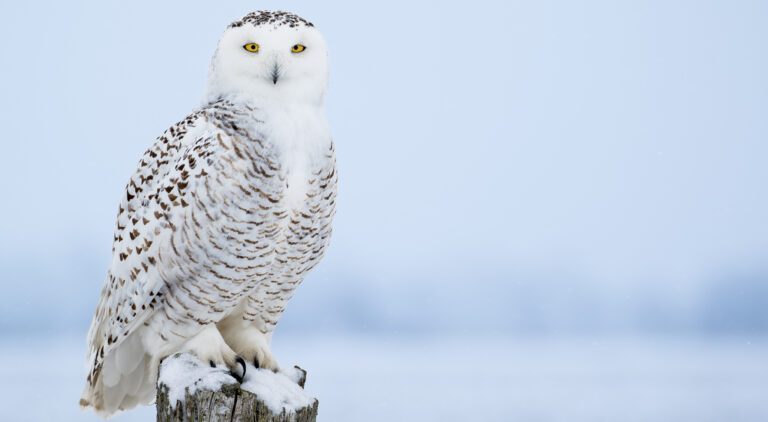
Have you ever wondered how the haunting calls of the elusive Snowy Owl traverse the frozen tundras, carrying stories of survival, territory, and courtship? What if we could intercept those calls with the precision of a seasoned detective, unveiling secrets that might otherwise remain shrouded in the silent Arctic nights? Tracking the ethereal vocalizations of these majestic birds poses a playful yet formidable challenge—one that bioacoustics has taken up with scientific fervor and technological ingenuity.
The Impact of Climate-Resilient Forest Management on Snowy Owl Habitats

In the hushed expanse of the boreal forests, where the whisper of conifers blends with the crunch of frost beneath unseen paws, a silent transformation is underway. The snowy owl, that ghostly sentinel of the Arctic, watches from its perch with eyes like molten gold, its feathers a canvas of winter’s purity. But this sentinel is not immune to the tremors of a changing world. As the climate shifts, so too must the strategies that govern the forests it calls home. Climate-resilient forest management is emerging not as a distant ideal, but as an urgent necessity—a lifeline for species teetering on the edge of survival. What does this mean for the snowy owl? How can the stewardship of forests become a shield against the encroaching shadows of ecological collapse? The answers lie not in grand declarations, but in the quiet, deliberate actions of those who tend the land with foresight and reverence.
The Role of AI in Owl Conservation: Predicting Habitats and Migration Patterns
In the silent ballet of twilight, where the moon casts its silver gaze upon the earth, owls glide through the night like spectral navigators. These enigmatic creatures, draped in feathers of dusk and dawn, have long been the guardians of ecological balance, their presence a whisper of nature’s intricate design. Yet, as the world fractures into fragmented habitats and shifting climates, the survival of these nocturnal sentinels hangs in a precarious balance. Enter artificial intelligence—a digital oracle that deciphers the cryptic language of migration, predicts the whispers of dwindling woodlands, and maps the invisible corridors of life. AI is not merely a tool; it is the new compass for conservation, guiding us through the labyrinth of ecological uncertainty with the precision of a barn owl’s silent flight.
The Endangered Species Act and Owls: Which Species Are Protected?
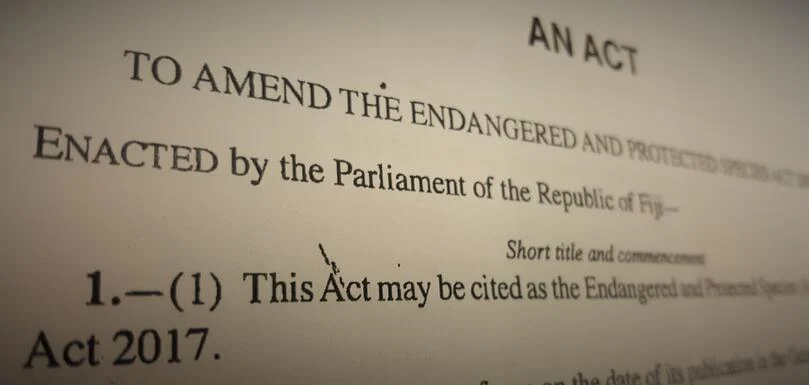
The night whispers secrets only the wise can decipher. Among the feathered sentinels of the dark, owls stand as silent guardians of the wild, their piercing gaze cutting through the veil of dusk. But what happens when these enigmatic creatures become the subjects of human law? The Endangered Species Act (ESA) isn’t just a bureaucratic document—it’s a lifeline for species teetering on the brink, and owls, with their silent flight and cryptic lives, are no exception. This act doesn’t just protect; it reshapes our understanding of coexistence, forcing us to confront the fragility of the natural world and our role within it.
The Use of Machine Learning in Identifying Barred and Spotted Owl Nests
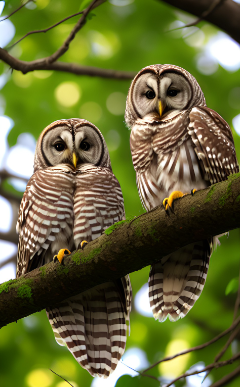
Could machines ever truly peer into the shadowed embrace of ancient forests and decipher the secretive abodes of Barred and Spotted Owls? The challenge of identifying their nests, cloaked in nature’s intricate tapestry, has intrigued ornithologists and conservationists alike. But amidst the cacophony of chirps, rustling leaves, and dappled light, how might artificial intelligence step beyond human limitations and unveil these elusive sanctuaries? The use of machine learning in identifying Barred and Spotted Owl nests heralds a fascinating convergence between technology and ecology, promising not only to elevate scientific precision but also to deepen our symbiotic relationship with the wild.
The Science of Owl Communication: How They Use Sound to Survive
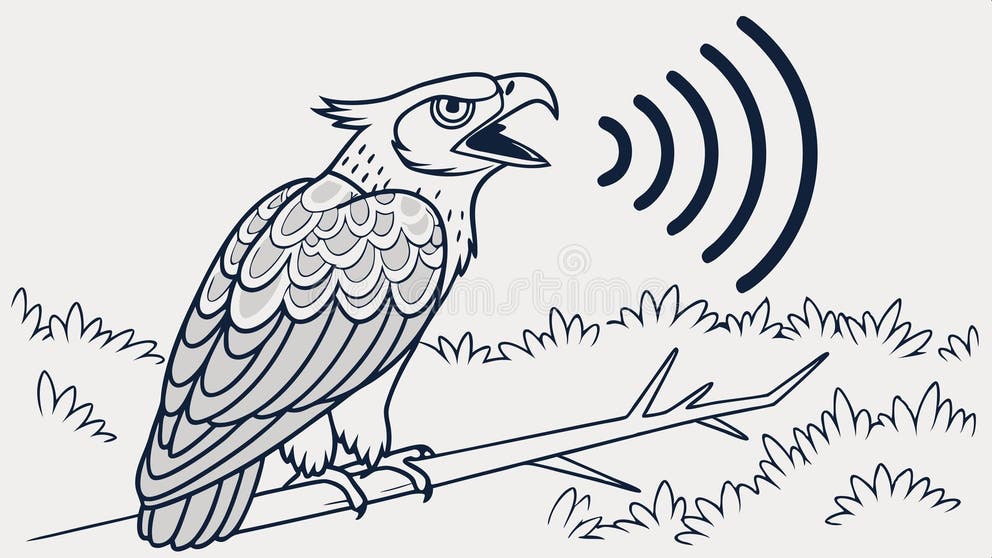
On quiet, moonlit nights, the haunting calls of owls pierce through the stillness, sparking a primal intrigue within us. These enigmatic sounds, both eerie and captivating, have long drawn human fascination, prompting questions about their purpose and complexity. What lies behind these vocalizations that seem to echo wisdom itself? Far beyond mere hoots, owl communication is a sophisticated symphony of auditory signals essential not only for survival but for maintaining intricate social dynamics. Delving into this world reveals the extraordinary science underlying how owls masterfully wield sound to navigate the challenges of their nocturnal lives.
The Impact of Owls on Public Health: Controlling Rodent-Borne Diseases
Have you ever wondered if the haunting hoot of an owl lurking in the night could be more than just a nocturnal serenade? Could these enigmatic hunters be silent guardians, warding off unseen threats that jeopardize our health? Rodents, though small, are notorious carriers of a myriad of diseases that imperil public health globally. But in the shadowy alcoves where owls reign supreme, a primal dance unfolds—one that might just hold the key to mitigating the scourge of rodent-borne illnesses. Yet, can nature’s own predators effectively tackle this challenge, or does the complexity of disease transmission demand a more nuanced approach?
Owl-Themed Science Fair Projects: Ideas and Inspiration
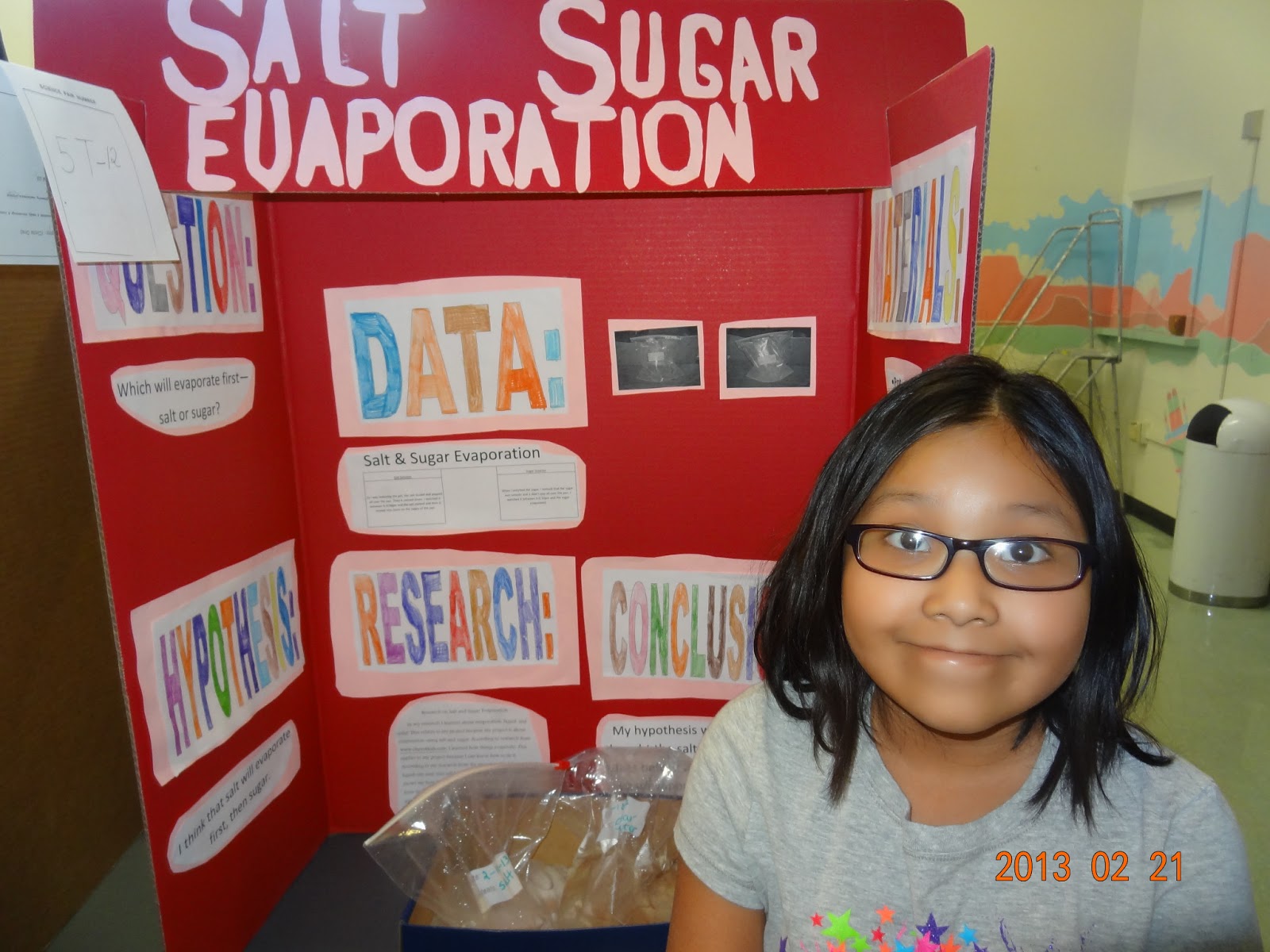
Few creatures embody the mystique of the natural world quite like the owl—a nocturnal sentinel with eyes that gleam like polished obsidian and feathers that whisper through the night. For young scientists and inquisitive minds, owl-themed science fair projects offer a rare blend of wonder and rigor, transforming curiosity into tangible discovery. Whether dissecting the mechanics of silent flight, decoding the secrets of binocular vision, or exploring the ecological role of these enigmatic birds, these projects invite learners to step beyond textbooks and into the realm of hands-on inquiry. Here, we delve into a trove of ideas designed to captivate, challenge, and inspire, ensuring your science fair project soars as gracefully as an owl on the hunt.
The Snowy Owl Irruption of 1926 vs. 2026: A Century of Change
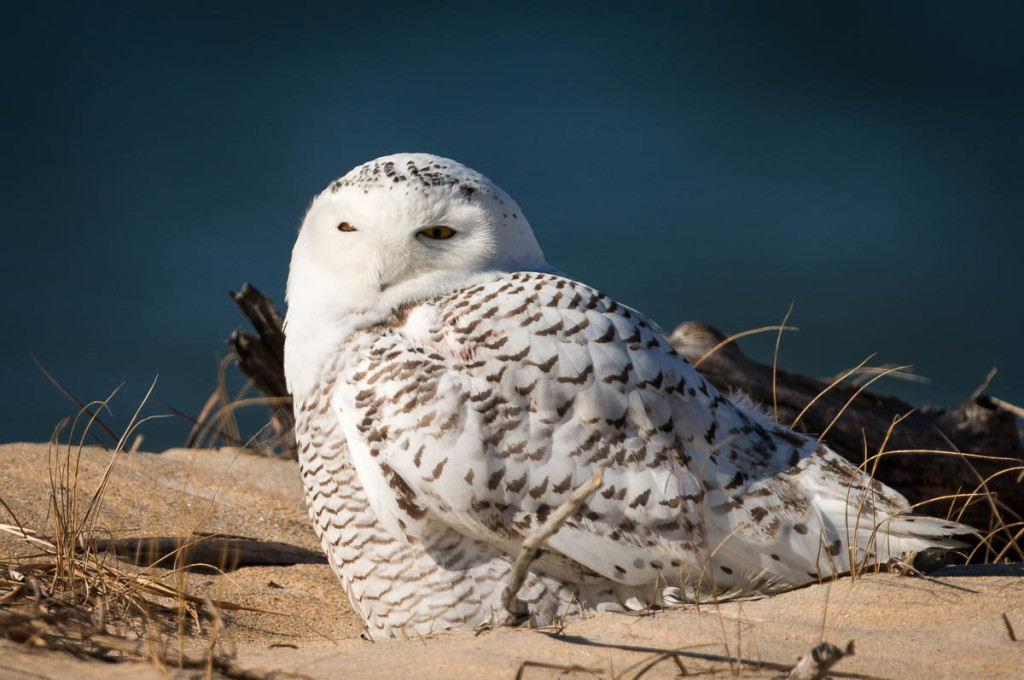
Can the enigmatic snowy owl really narrate a century’s tale of transformation, or does it simply challenge us to rethink how we perceive nature’s grand theater? As the frosty wings of this spectral bird brush against the canvases of 1926 and 2026, they provoke a curious inquiry: how have the ebbs and flows of a century shaped the majestic snowy owl’s irruption patterns, and what might this portend for the future? This isn’t merely about avian migration; it’s a vivid chronicle of environmental metamorphosis, ecological uncertainty, and the subtle interplay between human influence and the rhythms of the wild.