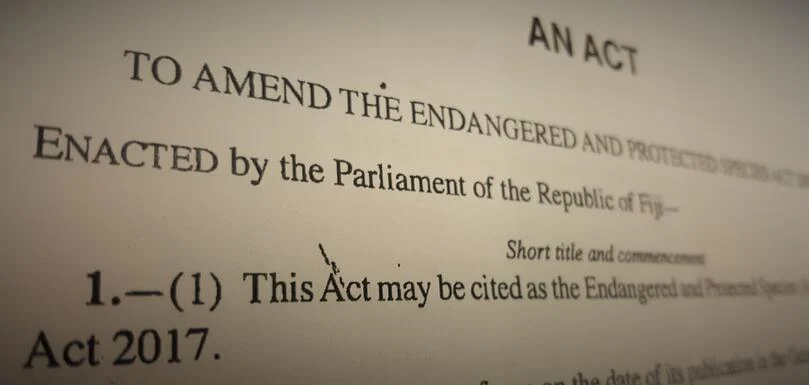
The night whispers secrets only the wise can decipher. Among the feathered sentinels of the dark, owls stand as silent guardians of the wild, their piercing gaze cutting through the veil of dusk. But what happens when these enigmatic creatures become the subjects of human law? The Endangered Species Act (ESA) isn’t just a bureaucratic document—it’s a lifeline for species teetering on the brink, and owls, with their silent flight and cryptic lives, are no exception. This act doesn’t just protect; it reshapes our understanding of coexistence, forcing us to confront the fragility of the natural world and our role within it.
The Endangered Species Act: A Beacon of Hope in a Fading World
The Endangered Species Act is more than a legal framework; it’s a moral compass. Enacted to stem the tide of extinction, it recognizes that every species, no matter how small or seemingly insignificant, plays a vital role in the tapestry of life. For owls, this act is a shield against habitat destruction, pollution, and the creeping shadow of climate change. But what makes the ESA so revolutionary is its unyielding stance: it doesn’t just protect species—it mandates recovery. This isn’t passive conservation; it’s an active reparation, a promise that we won’t let the last owl vanish into the night.
Consider the Spotted Owl, a bird so synonymous with old-growth forests that its survival became a battleground for environmentalists and loggers. The ESA didn’t just save trees; it saved an entire ecosystem. When we protect an owl’s habitat, we safeguard the countless insects, fungi, and mammals that share its domain. The ESA forces us to see the forest for the trees—and the owl for the forest.
Owls in the Crosshairs: Which Species Are Protected?
The ESA doesn’t blanket all owls under its protection. Instead, it zeroes in on those most at risk, those whose populations have dwindled to the point of no return without intervention. Among the most iconic is the California Condor, though technically a vulture, its plight mirrors that of many owls. But for true owls, the list is both sobering and inspiring.
The Northern Spotted Owl, a denizen of the Pacific Northwest’s ancient forests, was one of the first to gain federal protection. Its decline, driven by logging and wildfires, became a symbol of the fight for wilderness. Then there’s the Mexican Spotted Owl, a desert-dwelling counterpart whose survival hinges on the fragile balance of arid ecosystems. These owls aren’t just protected; they’re ambassadors for the wild places they inhabit.
But the ESA’s reach extends beyond the spotted. The Barn Owl, with its ghostly white face and haunting screech, is protected in certain regions where agricultural intensification threatens its hunting grounds. The Flammulated Owl, a tiny, migratory species, faces peril from habitat loss in both its breeding and wintering grounds. Even the Snowy Owl, a wanderer of the Arctic tundra, isn’t immune—its populations fluctuate with the ebb and flow of lemming cycles, making every breeding season a gamble against extinction.
What ties these species together isn’t just their vulnerability—it’s their role as indicators of environmental health. When owls disappear, it’s not just a loss of beauty; it’s a warning sign that the ecosystems they depend on are unraveling.
The Silent Victims: How Habitat Loss Threatens Owl Populations
Imagine a forest where the only sound is the wind rustling through skeletal trees. No hoots, no rustles of wings—just silence. This isn’t a dystopian future; it’s the reality for owls in regions where deforestation has erased their homes. Habitat loss isn’t just about the disappearance of trees; it’s about the erosion of an entire way of life. Owls are territorial, often requiring vast tracts of undisturbed land to hunt, nest, and raise their young. When those lands vanish, so does their future.
Urban sprawl is another silent killer. As cities expand, they encroach on the edges of owl territories, fragmenting habitats into isolated pockets. The Burrowing Owl, which nests in abandoned mammal burrows, faces a double threat: not only are its homes bulldozed, but the very prey it depends on—rodents and insects—disappears under concrete and asphalt. Even agricultural lands, once a haven for Barn Owls, now rely on pesticides that poison their food sources.
The irony is stark: the same landscapes that owls once ruled are now being reshaped by human hands. The ESA doesn’t just acknowledge this tragedy—it demands action. It forces us to ask: Can we redesign our cities, our farms, our forests to make room for the creatures that share this planet? Or will we let the night fall silent?
Climate Change: The Invisible Threat to Owls
Climate change doesn’t announce its arrival with a roar; it creeps in like a thief in the night, altering the delicate balance of ecosystems before we even realize it’s there. For owls, the impacts are as varied as they are devastating. Warmer temperatures disrupt breeding cycles, causing mismatches between prey availability and the owls’ nesting periods. Droughts shrink wetlands, starving fish-eating owls like the Short-eared Owl of their primary food source. And as sea levels rise, coastal habitats for species like the Snowy Owl vanish beneath the waves.
But the most insidious effect is the shifting of prey populations. Owls are opportunistic hunters, but when their usual prey—mice, voles, rabbits—declines due to climate-induced habitat changes, they’re forced to adapt or perish. Some may turn to less nutritious alternatives, while others simply starve. The ESA recognizes this invisible threat, pushing for conservation strategies that account for the unpredictable whims of a warming planet.
Yet, climate change is a global problem, and the ESA can only do so much. It’s a reminder that protecting owls isn’t just about saving individual species—it’s about addressing the root causes of their decline. Without tackling climate change, even the most robust legal protections may prove futile.
Conservation in Action: How the ESA is Making a Difference
The ESA isn’t just a piece of paper; it’s a catalyst for change. When the Northern Spotted Owl was listed as endangered, it triggered a cascade of protections that saved millions of acres of old-growth forest. Logging quotas were slashed, and critical habitat designations ensured that owls had safe spaces to thrive. Similarly, the Mexican Spotted Owl’s recovery plan has led to collaborative efforts between government agencies, conservation groups, and Indigenous communities to restore fire-adapted forests where these owls nest.
But the ESA’s power lies in its flexibility. It doesn’t just impose restrictions; it encourages innovation. In California, the Burrowing Owl’s decline led to the creation of artificial burrows in urban parks, giving these birds a fighting chance in a landscape dominated by humans. Meanwhile, in the Midwest, farmers are partnering with conservationists to implement owl-friendly farming practices, such as reducing pesticide use and preserving hedgerows.
These aren’t just Band-Aid solutions; they’re blueprints for a future where humans and owls coexist. The ESA doesn’t just protect species—it fosters a culture of stewardship, where every action, no matter how small, contributes to the survival of the wild.
The Future of Owls: Can We Rewrite the Story?
The fate of owls hangs in the balance, but the story isn’t over yet. The ESA has given us the tools to turn the tide, but tools alone aren’t enough. We must also change the way we see the world—and our place in it. Owls aren’t just creatures of the night; they’re symbols of resilience, adaptability, and the unseen threads that bind ecosystems together.
What if we reimagined our cities as havens for wildlife? What if we designed our farms to mimic the diversity of natural landscapes? What if we viewed every owl hoot not as a distant echo, but as a call to action? The ESA has already proven that it’s possible to reverse the decline of endangered species. The question now is whether we have the will to see it through.
The night is still dark. The owls are still watching. But the future isn’t written yet. It’s up to us to decide what happens next.