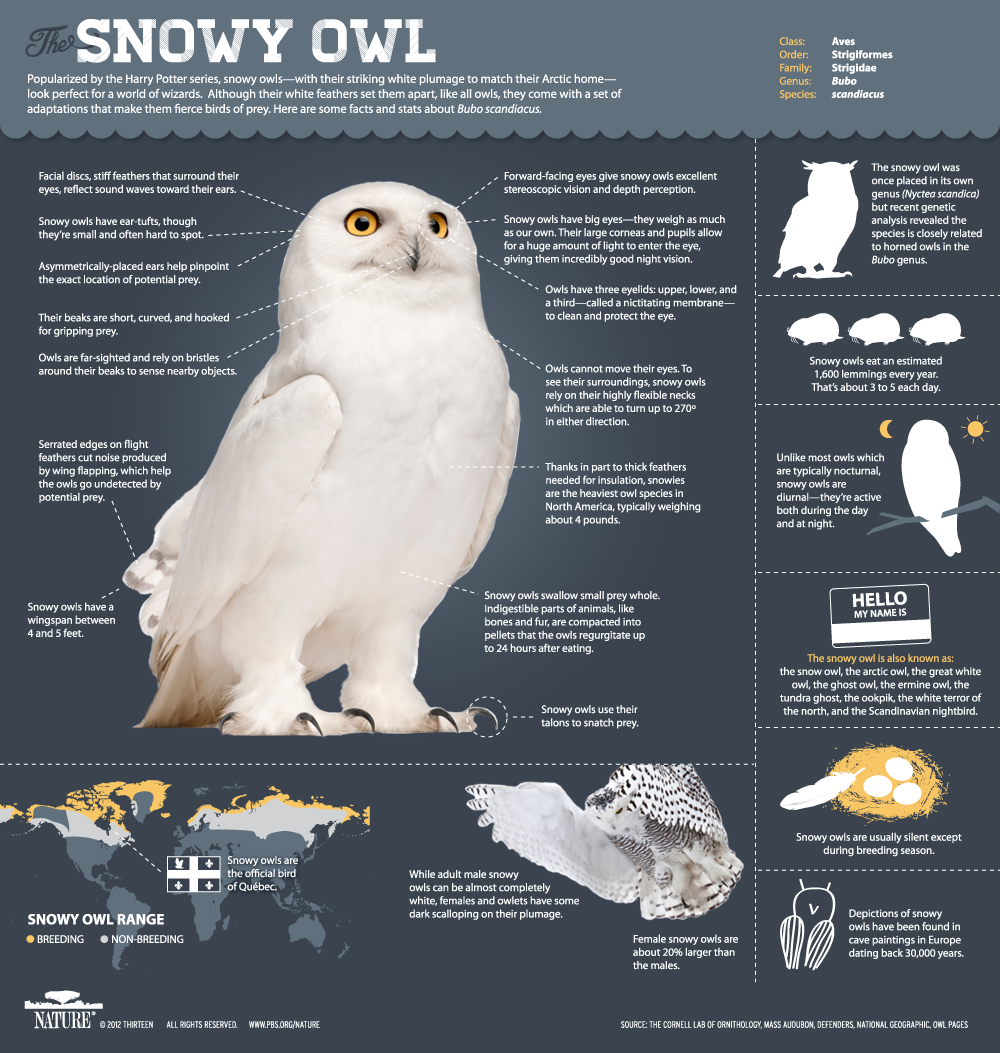
In the quiet, frozen expanses where the Arctic tundra meets the sky, the snowy owl glides like a ghost—its golden eyes scanning the horizon for prey, its feathers a masterclass in camouflage against the winter’s stark whiteness. Yet this majestic creature, a symbol of resilience and wildness, faces an invisible tide rising against it. Climate change, that relentless architect of disruption, is rewriting the rules of survival for species like the snowy owl. But here lies a powerful paradox: the very data that charts the owl’s decline can become a beacon of awareness, a tool to shift perspectives and ignite urgent action. Climate change data visualizations are not just cold numbers on a screen—they are stories waiting to be told, narratives that can pierce through apathy and reveal the fragile threads connecting species, ecosystems, and human futures.
How Great Horned Owls Are Affecting North American Wildlife Communities
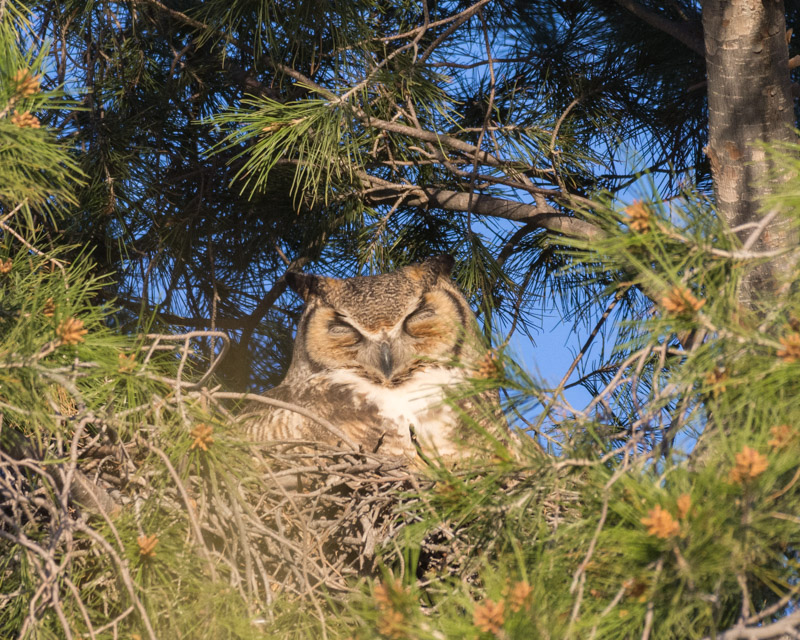
The Great Horned Owl, a nocturnal sovereign of the North American wilds, is not merely a feathered predator—it is an ecological architect, a silent architect of balance, whose wings whisper through the twilight as they reshape the very fabric of wildlife communities. With piercing amber eyes that pierce the darkness like twin lanterns, this apex sentinel does not merely hunt; it orchestrates. Its hoarse, resonant call—“Who’s awake? Me too.”—echoes across forests, grasslands, and deserts, a clarion call that signals both warning and wonder. This bird is not just a creature of the night; it is a living metaphor for the unseen forces that govern biodiversity, a shadowy conductor whose influence ripples through the food web with the subtlety of a moonlit breeze.
Owls in Folklore: Tales of Magic Curses and Transformation

Few creatures in the annals of folklore straddle the line between reverence and revulsion as effortlessly as the owl. With eyes that seem to pierce the veil of the mundane, and a silent, gliding presence that whispers of secrets untold, these nocturnal sentinels have long been woven into the fabric of human imagination. They are not merely birds—they are omens, oracles, and sometimes, harbingers of doom. Across continents and centuries, owls have been cast as both protectors and predators in the grand tapestry of myth, their stories serving as mirrors to our deepest fears, hopes, and the inexplicable transformations that lie just beyond the edge of reason.
Owl Protection in the Arctic: The Impact of Climate Change
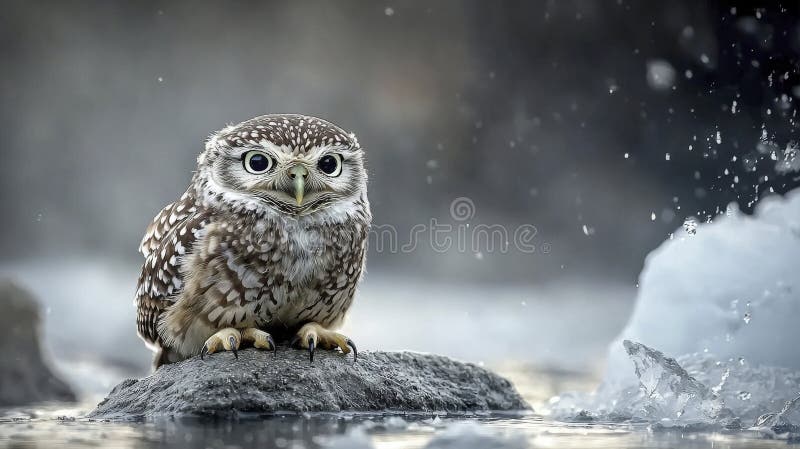
In the vast, unyielding expanse of the Arctic, a silent sentinel of the night, the Arctic owl, navigates a landscape perpetually at the mercy of shifting climates. As the frozen tundra increasingly succumbs to warming temperatures and erratic weather patterns, a profound story unfolds—one of resilience, vulnerability, and urgent call for protection. This narrative challenges us to rethink not only the fate of a singular species but the intricate web of life that hinges upon the fragile Arctic equilibrium. The plight of the Arctic owl, emblematic of this pristine wilderness, promises to reshape our understanding of ecological interconnectedness and compels a vigilant reevaluation of conservation in an era of accelerating change.
The Role of Rats and Mice in Owl Decline: How Rodenticides Are Poisoning Predators
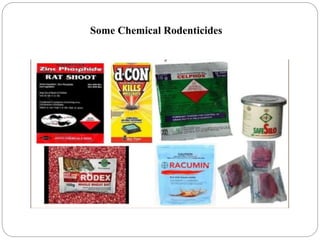
The silent, creeping decline of owl populations across agricultural landscapes is not merely a matter of habitat loss or climate change—it is a slow-motion poisoning, orchestrated by the very chemicals meant to control pests. Rats and mice, once the natural prey of owls, have become vectors of a deadly paradox: the rodenticides designed to exterminate them are now dismantling the predators that rely on them. This insidious cycle reveals a tragic irony—human efforts to curb rodent infestations are inadvertently dismantling the ecological balance that sustains biodiversity. As we delve into the complex interplay between rodenticides, rodent populations, and owl survival, we uncover a narrative of unintended consequences, where the cure is as destructive as the disease.
The Role of Schools in Owl Conservation Education: Curriculum and Programs
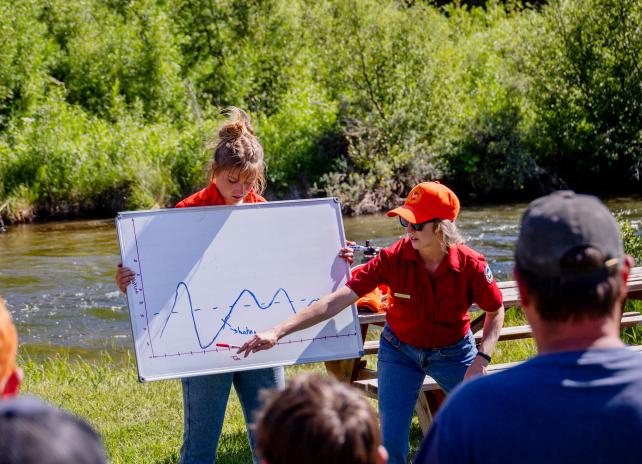
The classroom is not merely a place of textbooks and chalkboards—it is a sanctuary where curiosity takes flight, where young minds become the wings of conservation. Among the most enigmatic and captivating creatures that schools can help protect are owls: silent sentinels of the night, masters of stealth, and living metaphors of wisdom and adaptability. As educators, we hold the power to transform classrooms into hubs of ecological stewardship, where students don’t just learn about owls—they become their advocates. The role of schools in owl conservation education extends far beyond lessons; it is a call to awaken empathy, inspire action, and weave the threads of environmental responsibility into the fabric of young lives.
Owls in Theater: Their Role in Plays Operas and Performances

In the grand tapestry of human storytelling, few creatures have woven themselves as mysteriously into the fabric of performance as the owl. Not merely a nocturnal spectator, the owl has long been a silent yet potent symbol in the world of theater, its presence echoing through the wings of plays, operas, and performances like a haunting refrain. From the ancient amphitheaters of Greece to the avant-garde stages of today, this enigmatic bird has transcended its biological form to become a metaphor for wisdom, foreboding, and transformation. But what is it about owls that makes them such compelling figures in the dramatic arts? Why do they perch so persistently on the shoulders of our collective imagination, whispering secrets to audiences across centuries? The answer lies not just in their symbolism, but in the way they mirror our own human struggles—our fears, our aspirations, and our relentless search for meaning in the shadows.
The Recovery of the Barn Owl in the UK: A Conservation Triumph
The barn owl, a spectral specter of the twilight, has long been a symbol of both mystery and fragility in the British countryside. Once a common sight gliding silently over moonlit fields, its numbers dwindled to the brink of oblivion by the late 20th century. Yet, against the odds, this ethereal hunter has staged a remarkable resurgence—a testament to the resilience of nature and the power of human intervention. The recovery of the barn owl in the UK is not merely a conservation success story; it is a symphony of science, stewardship, and serendipity, where every fluttering wingbeat echoes the triumph of hope over despair.
The Role of Drones in Monitoring Barred and Spotted Owl Populations
Have you ever wondered if a silent, hovering guardian might one day replace the tireless footsteps of wildlife researchers in the dense forests where barred owls and spotted owls dwell? The notion of drones—aerial sentinels equipped with cutting-edge technology—gliding through misty canopies to observe these elusive birds sparks both excitement and a conundrum. While drones promise to revolutionize ecological monitoring, could their presence inadvertently disrupt the very wildlife they aim to protect? This intriguing paradox sets the stage for exploring the multifaceted role of drones in surveying barred and spotted owl populations.
Habitat Loss: The Biggest Challenge for Spotted Owls
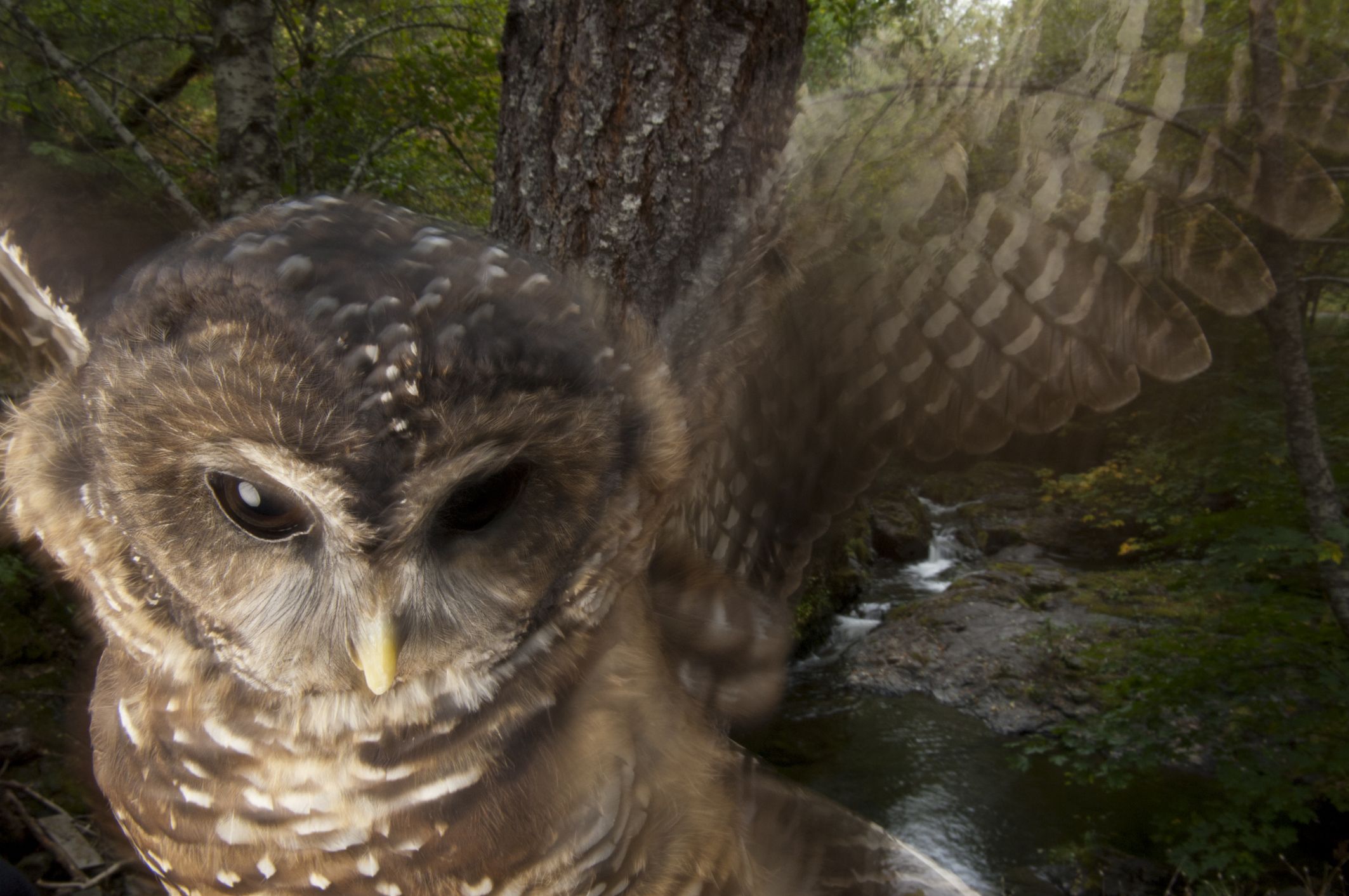
In the dense, shadow-dappled forests of the Pacific Northwest, the spotted owl reigns as an emblem of wilderness and fragility. Yet beneath the whispering canopy, a silent crisis unfolds—a tale not merely of a vanishing species but of a profound ecological upheaval. Habitat loss stands as the towering adversary threatening the survival of the spotted owl, unraveling ecosystems with relentless force. To truly grasp this challenge is to embark on a journey that reshapes how we understand conservation, coexistence, and the very notion of stewardship.