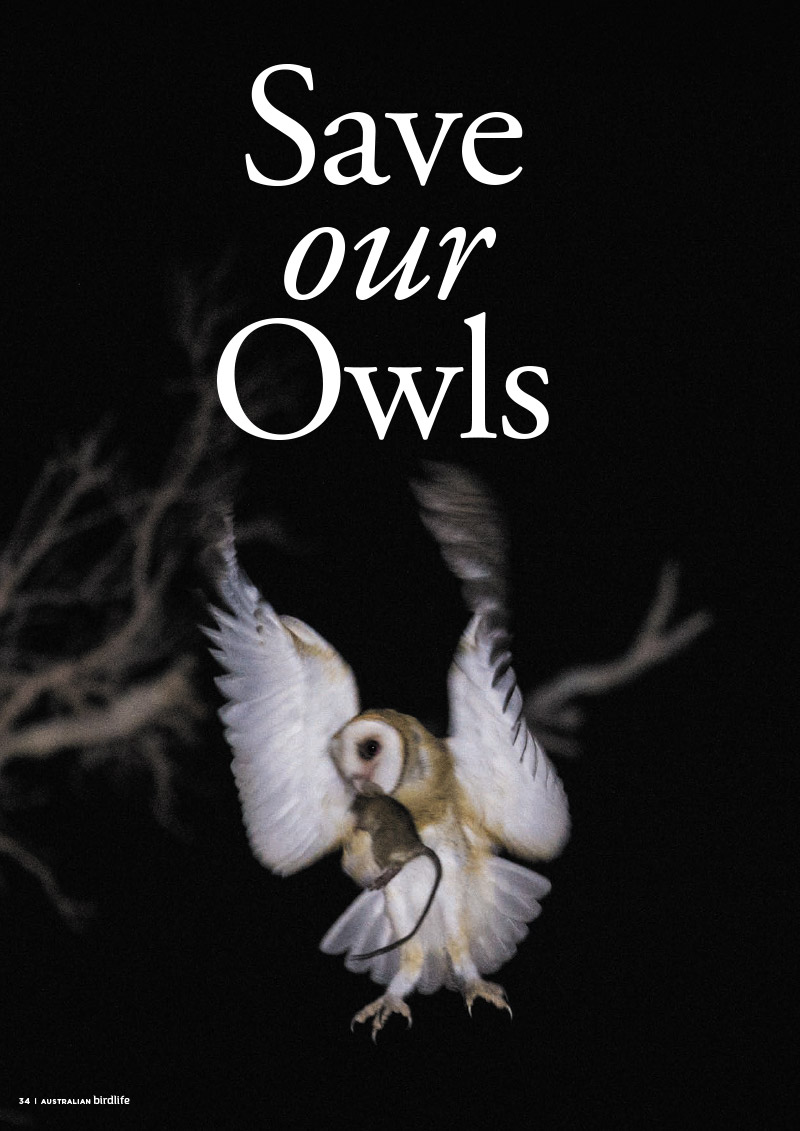
In the hushed twilight of a farmer’s field or the emerald cathedral of an ancient forest, an unseen drama unfolds. Owls, those silent sentinels of the night, glide through the air with a grace that belies their ecological importance. Yet, their survival is increasingly threatened by the very industries that shape our landscapes—agriculture and forestry. The irony is stark: the same hands that till the soil and fell the trees could also be the ones to nurture the very creatures that keep these ecosystems in balance. The question is not whether we can afford to make space for owls, but whether we can afford not to.
The Silent Partners We’ve Overlooked: Why Owls Matter in Agriculture and Forestry
Owls are the unsung maestros of pest control, their presence a natural bulwark against the creeping tide of rodents and insects that threaten crops and sap the vitality of forests. A single barn owl, for instance, can devour over 1,000 rodents in a year—a feat that would require gallons of chemical pesticides to replicate. Yet, these raptors are often casualties of modern farming and logging, their habitats fragmented by monoculture fields and clear-cutting. The loss of owls isn’t just a tragedy for biodiversity; it’s a silent economic hemorrhage. Farmers who embrace owl-friendly practices don’t just save money on pesticides—they invest in resilience, ensuring that their land remains fertile and productive for generations.
Consider the case of the burrowing owl, a diminutive but mighty predator that thrives in open grasslands. Its decline isn’t just a footnote in an ornithologist’s ledger; it’s a warning sign. When owls vanish, the pests they once kept in check multiply unchecked, leading to crop damage that can spiral into financial ruin. The solution isn’t to demonize agriculture or forestry but to reimagine them—transforming them from battlegrounds into sanctuaries. This shift begins with recognizing owls not as pests to be eradicated, but as allies whose survival is intertwined with our own.
Designing Landscapes for the Night: Habitat Restoration as a Cornerstone
Restoring owl habitats isn’t about planting a few trees and calling it a day. It’s about sculpting the land with the precision of a master painter, layering vegetation to create a mosaic of hunting grounds, nesting sites, and roosting perches. For forestry operations, this means leaving patches of old-growth trees untouched, allowing snags—standing dead trees—to remain as vital nesting sites. In agricultural zones, it’s about reintroducing hedgerows, field margins, and fallow strips where owls can hunt and breed undisturbed.
The key lies in diversity. A monoculture field is a desert for owls, offering neither shelter nor sustenance. But a landscape dotted with native grasses, shrubs, and scattered trees becomes a thriving ecosystem where owls can flourish. Farmers can collaborate with conservationists to plant native species that attract rodents—owls’ prey—while also providing cover. Even something as simple as installing nest boxes can make a world of difference, offering owls a safe haven in areas where natural cavities are scarce. The message is clear: when we design landscapes with owls in mind, we’re not just saving a species—we’re engineering a more sustainable future.
The Chemical Dilemma: Pesticides as Silent Killers of the Night
Pesticides are the double-edged swords of modern agriculture, slicing through pest populations while leaving a trail of collateral damage. Rodenticides, in particular, are catastrophic for owls. These chemicals don’t just kill the target rodents; they accumulate in the owls that feed on them, causing slow, agonizing deaths from secondary poisoning. The irony is cruel: the very chemicals meant to protect crops end up poisoning the creatures that could protect them for free. The solution isn’t to abandon pest control but to adopt methods that don’t come at such a steep ecological cost.
Integrated Pest Management (IPM) offers a lifeline. By combining biological controls—like encouraging owl populations—with targeted, low-toxicity pesticides, farmers can slash their chemical use without sacrificing yields. Crop rotation, trap cropping, and the use of pheromone traps are just a few tools in this arsenal. The goal isn’t to wage war on pests but to strike a balance, ensuring that owls and other predators can do their work without falling victim to our interventions. It’s a paradigm shift: from domination to coexistence.
Community and Collaboration: The Power of Collective Action
No farmer or forester is an island. The health of owl populations depends on the choices of entire communities, from local landowners to multinational corporations. Collaborative initiatives—such as farmer cooperatives that share owl-friendly practices or forestry companies that adopt biodiversity certifications—can amplify individual efforts into collective change. Education plays a crucial role here. Workshops, field days, and partnerships with conservation groups can demystify owl conservation, showing stakeholders that protecting these birds isn’t a burden but an opportunity.
Consider the success of programs like “Bird-Friendly Coffee” or “Shade-Grown Cocoa,” which incentivize farmers to adopt practices that benefit birds. These models can be adapted for owl conservation, offering financial rewards for those who create owl-friendly habitats. Governments and NGOs can step in with grants, tax incentives, or technical support, making it easier for businesses to embrace change. The message is simple: when communities unite around a shared goal, even the most entrenched practices can be transformed.
The Ripple Effect: How Owl Conservation Benefits the Entire Ecosystem
The benefits of owl-friendly practices extend far beyond the owls themselves. When owls thrive, so do the insects and small mammals they prey on, which in turn support larger predators like foxes and birds of prey. Healthy owl populations also indicate a balanced ecosystem, one where biodiversity is thriving rather than teetering on the brink. For farmers, this means healthier soils, reduced erosion, and greater resilience to climate change. For foresters, it means more robust timber yields and a reduced risk of pest outbreaks.
But the ripple effect doesn’t stop there. Owls are indicators of environmental health, their presence or absence a barometer for the state of our landscapes. By protecting them, we’re not just saving a species—we’re safeguarding the intricate web of life that sustains us all. It’s a reminder that conservation isn’t a luxury; it’s a necessity. The choices we make today—whether to clear-cut a forest or leave a patch of old-growth standing, whether to douse a field in pesticides or embrace natural predators—will echo through the decades, shaping the world our children inherit.
A Call to Action: Small Steps, Monumental Impact
The path to owl-friendly agriculture and forestry isn’t paved with grand gestures but with small, deliberate steps. It begins with a single farmer leaving a strip of wildflowers at the edge of a field. It starts with a forester deciding to spare a cluster of snags. It’s in the decision to install a nest box or to reduce pesticide use. These actions may seem insignificant in isolation, but collectively, they can rewrite the story of our landscapes.
Owls are not relics of a bygone era; they are living, breathing partners in the ecosystems that feed and sustain us. To ignore their plight is to turn a blind eye to our own future. The question we must ask ourselves is not whether we can afford to make space for owls, but whether we can afford not to. The answer lies in our hands—and in the choices we make today.