In the quiet hush of twilight, when the world slows to a whisper, the owl takes flight—a silent sentinel of the night. For homeschoolers, these enigmatic birds offer more than just a fleeting glimpse into the wild; they become a gateway to ecological wonder, scientific inquiry, and hands-on learning. Owl conservation isn’t merely about protecting a species; it’s about nurturing a lifelong reverence for nature’s delicate balance. This guide will illuminate the path for families eager to weave owl-focused lessons into their homeschooling journey, blending science, art, and activism into a cohesive tapestry of discovery.
Understanding Owl Ecology: The Nocturnal Architects of the Wild
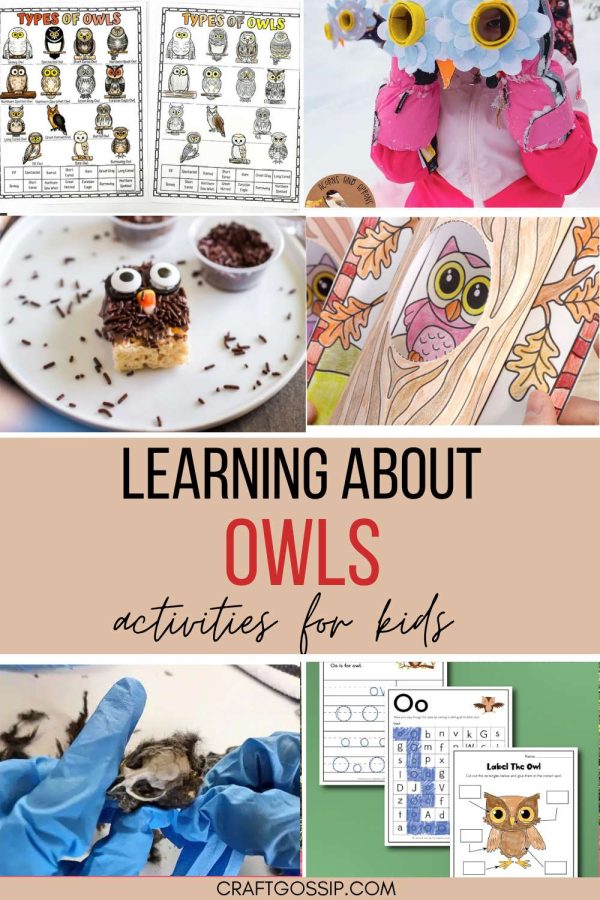
To champion owl conservation, one must first unravel the intricate web of their existence. Owls are not mere predators; they are keystone species, their presence or absence echoing through entire ecosystems. Begin with a deep dive into their anatomy—those silent wings, the asymmetrical ear placement that grants them hyper-accurate hearing, and the hypnotic gaze of eyes fixed in permanent forward focus. Contrast diurnal and nocturnal adaptations, using owl pellets as a tactile gateway to understanding their diet and role in pest control. A simple dissection kit (or virtual alternatives) can transform abstract concepts into tangible lessons, as students trace the remnants of a vole’s skull or the brittle wings of a moth through the digestive tract of a barn owl.
Habitat Exploration: Where Do Owls Nest and Why It Matters
Owls are creatures of habit, their lives dictated by the availability of suitable nesting sites. Explore the diverse habitats they occupy—from the dense canopies of old-growth forests to the urban nooks of church steeples and abandoned barns. Create a “Habitat Diorama” project where students design miniature ecosystems, incorporating elements like tree hollows, nest boxes, and buffer zones free from pesticides. Discuss the impact of deforestation and urban sprawl, then brainstorm solutions: Could a local park install owl boxes? Would a community garden reduce rodent populations naturally? These discussions bridge classroom theory with real-world action, fostering a sense of agency in young conservationists.
Owl Species Spotlight: From Snowy Owls to Screech Owls
Diversity is the spice of owl conservation. Introduce students to the 200+ species worldwide, each a marvel of evolutionary adaptation. Compare the Arctic-dwelling snowy owl, clad in snowy plumage and equipped for subzero temperatures, with the diminutive eastern screech owl, a master of camouflage in deciduous woodlands. Use a “Species Trading Card” activity where children research and design cards for their favorite owls, including fun facts like wing span measurements or unique hunting techniques. For older students, delve into phylogenetic trees, tracing the evolutionary divergence of owls from their raptor ancestors. This section isn’t just educational—it’s a celebration of nature’s creativity.
Conservation Threats: The Silent Decline of Owl Populations
The plight of owls is a microcosm of broader environmental crises. Habitat loss, rodenticide poisoning, and climate change all threaten these birds, often in ways that go unnoticed until it’s too late. Explore the insidious effects of second-generation anticoagulants, which accumulate in owl prey and cause fatal internal bleeding. Discuss the role of light pollution in disrupting owl hunting patterns, or how rising temperatures force snowy owls southward, into unfamiliar territories. Pair these sobering truths with hopeful case studies—like the recovery of the burrowing owl in parts of its range due to nest box programs—to underscore that conservation works when communities engage.
Hands-On Science: Owl Pellet Dissection and Data Tracking
Few activities captivate young minds like the dissection of an owl pellet. This tactile experience transforms abstract food chains into a visceral understanding of predation. Provide sterilized pellets, tweezers, and identification charts, then guide students through the process of separating bones from fur and reconstructing skeletons. For a deeper dive, introduce data tracking: Have students log the contents of multiple pellets over time, creating graphs to analyze dietary preferences or seasonal shifts in prey. This project blends biology, math, and critical thinking, proving that science isn’t confined to textbooks—it’s alive in the lab of your kitchen table.
Art and Literature: Owls as Cultural and Creative Icons
Owls have long been woven into the fabric of human culture, from Athena’s wise companion in Greek mythology to the wise old owl in A.A. Milne’s *Winnie-the-Pooh*. Explore this rich tapestry through art and literature. Create owl-inspired poetry, using metaphors like “feathered philosophers” or “shadows with talons.” Study the symbolism of owls in different cultures—are they omens of wisdom or harbingers of death? Then, channel creativity into hands-on projects: Paint owl silhouettes against a twilight sky, or craft 3D owls from recycled materials. These activities reinforce learning while nurturing artistic expression, proving that conservation isn’t just about facts—it’s about feeling.
Citizen Science: Contributing to Real-World Owl Research
Homeschoolers have a unique advantage: the freedom to immerse themselves in long-term projects without the constraints of traditional classrooms. Introduce citizen science platforms like eBird or the Cornell Lab of Ornithology’s “Project Owlnet,” where families can report owl sightings, participate in migration tracking, or even band nestlings (with proper permits). Discuss the importance of standardized data collection—how a single observation, logged consistently, can contribute to global conservation efforts. For tech-savvy students, explore bioacoustics: Record owl calls in your backyard and analyze them using free software like Raven Lite. These projects transform passive learning into active stewardship.
Advocacy in Action: Raising Awareness for Owl Protection
Conservation begins with awareness. Guide students through the process of creating an owl conservation campaign tailored to their community. Start with a “Save Our Owls” poster series, highlighting local threats and solutions. Host a family “Owl Awareness Night,” inviting neighbors to learn about nest box construction or the dangers of rodenticides. For older students, draft letters to local representatives advocating for pesticide-free zones or funding for owl habitat restoration. The goal isn’t just to inform—it’s to inspire others to see owls not as distant creatures, but as neighbors deserving of protection.
Field Trips and Virtual Expeditions: Owls Beyond the Backyard
Expand horizons with immersive experiences. Visit a local nature reserve with owl-friendly habitats, or take a virtual tour of a raptor rehabilitation center. Many wildlife hospitals offer live cams of recovering owls, providing a rare glimpse into their rehabilitation process. For a budget-friendly alternative, organize a “Backyard Owl Watch” using motion-activated cameras or audio recorders. Document sightings and share them with local conservation groups. These excursions remind students that learning isn’t confined to four walls—it’s a lifelong journey of exploration.
Long-Term Stewardship: Building a Legacy of Conservation
The final lesson is one of continuity. Owl conservation isn’t a one-time project; it’s a commitment to nurturing the natural world for generations to come. Encourage students to maintain a “Conservation Journal,” where they track local owl sightings, weather patterns, and habitat changes over years. Plant native shrubs to attract prey species, or install a nest box and monitor it annually. Discuss the concept of “legacy projects”—how a single family’s efforts can ripple outward, inspiring others to act. End with a family pledge: to reduce light pollution, choose wildlife-friendly gardening practices, or support an owl-focused nonprofit. In doing so, you’re not just teaching conservation—you’re living it.