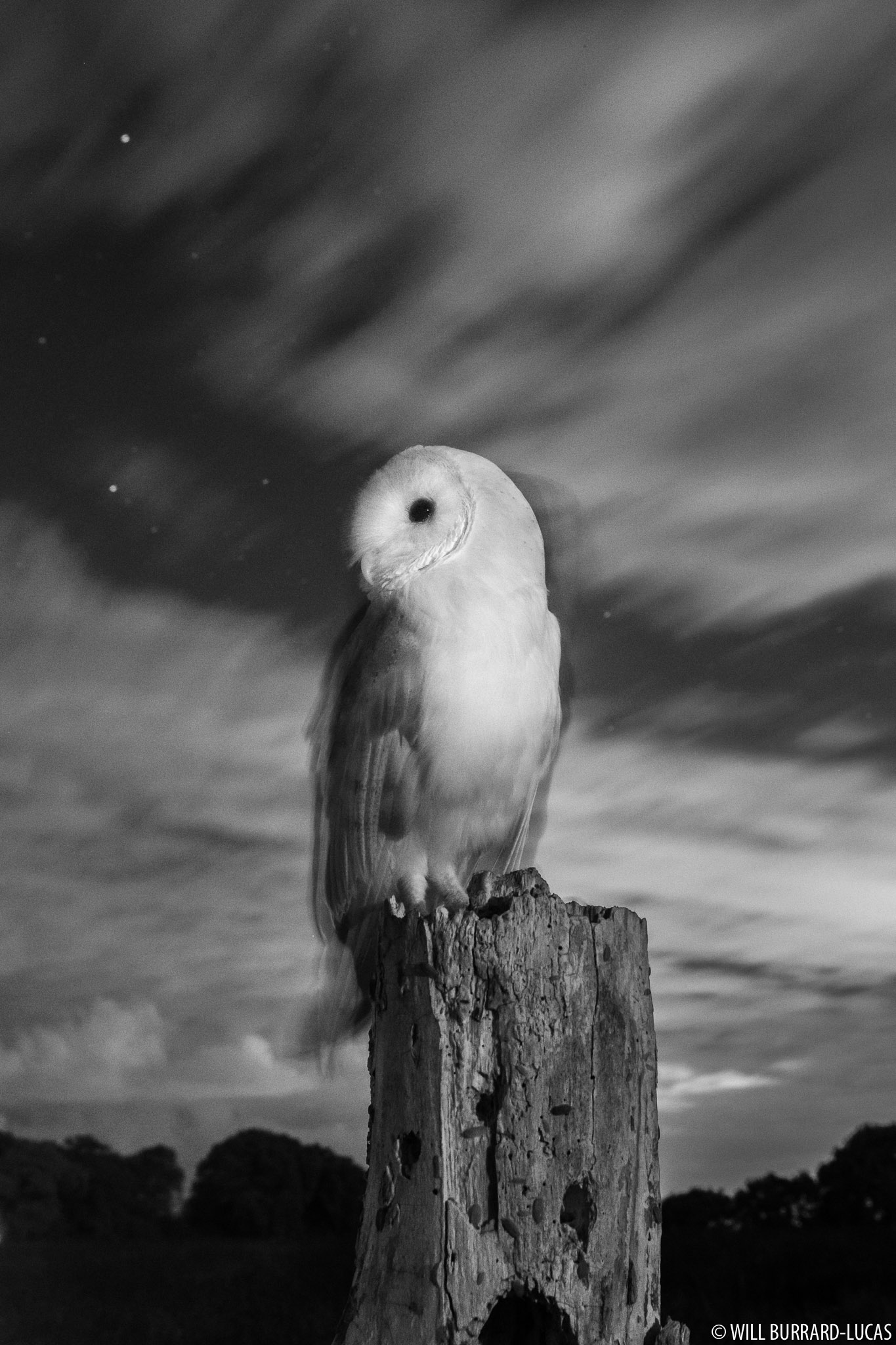
In the shadowy cathedrals of ancient forests, where dappled light filters through towering branches and silence weaves an intricate tapestry of anticipation, the elusive barred and spotted owls navigate a world both mysterious and magnificent. These nocturnal specters engage in an ancient dance of survival, competition, and coexistence, their interactions veiled in the hush of twilight. Yet, in recent years, a new kind of witness has emerged—camera traps, those mechanical sentinels of the wild—capturing moments previously lost to the nocturnal veil. These devices have become a window into the secret theater of barred and spotted owl behavior, illuminating their interplay with a clarity that intertwines science, wonder, and storytelling.
Ecology & Environmental Science
How Spotted Owls Are Impacted by Logging and Deforestation
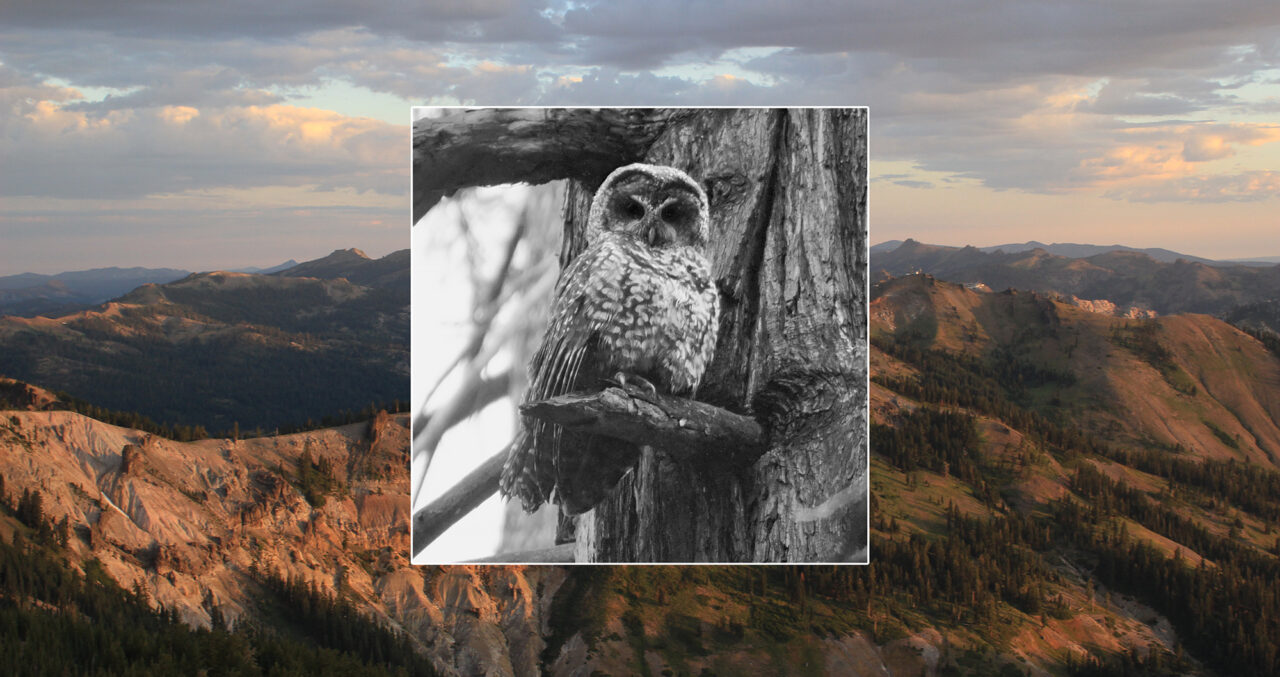
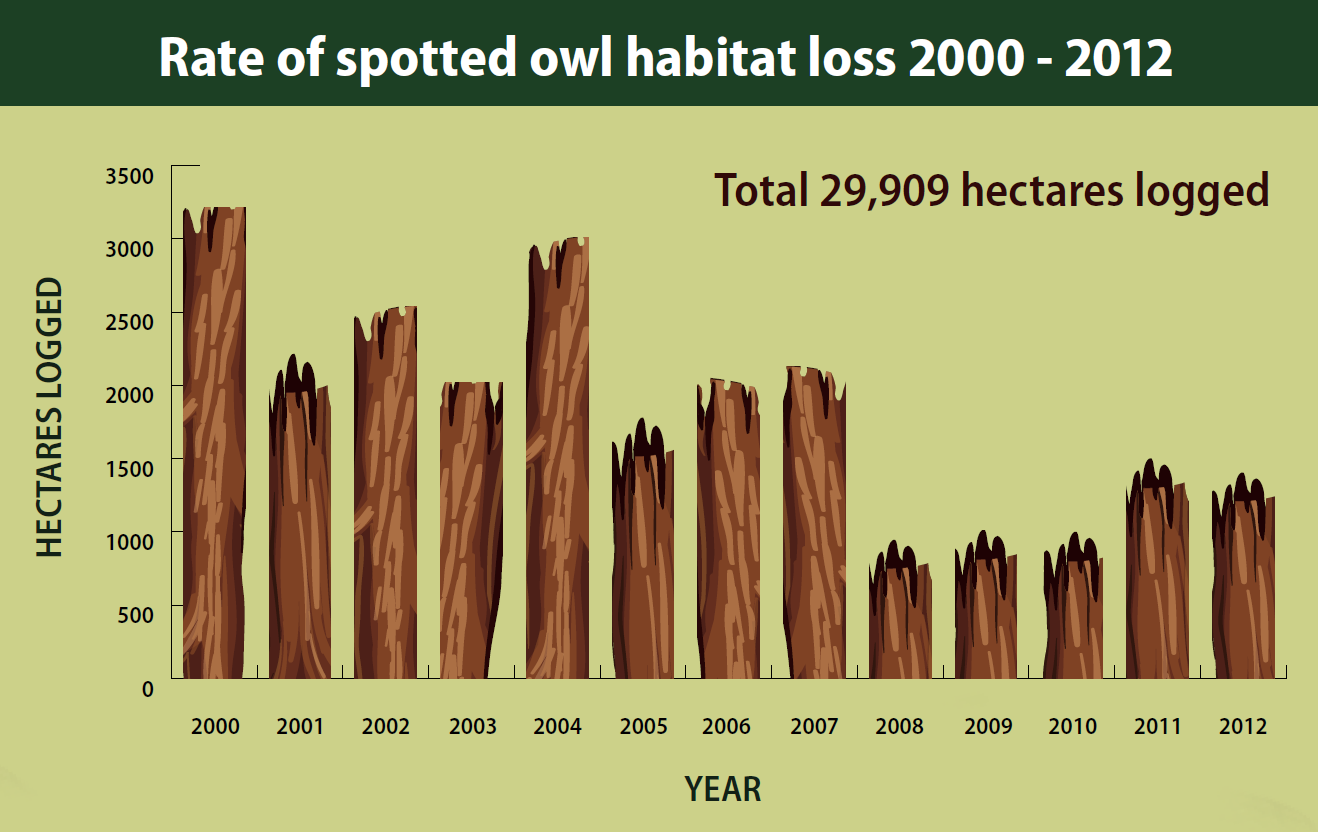
In the dense, shadowy realms of North America’s ancient forests, the Spotted Owl reigns as both a sentinel and an emblem of ecological fragility. These enigmatic birds, with their haunting calls echoing through the towering canopy, have become poignant symbols in the battle between preservation and industrial progress. Yet, beneath the quiet dignity of their dark eyes lies a story fraught with peril—one woven intricately with the threads of logging and deforestation. This exploration delves into the multifaceted impacts these human activities inflict upon Spotted Owls, unraveling not just the biological and environmental consequences, but the broader narrative of environmental ethics and conservation urgency.
The Cultural Significance of Spotted Owls: Why Are They So Iconic in the Pacific Northwest?
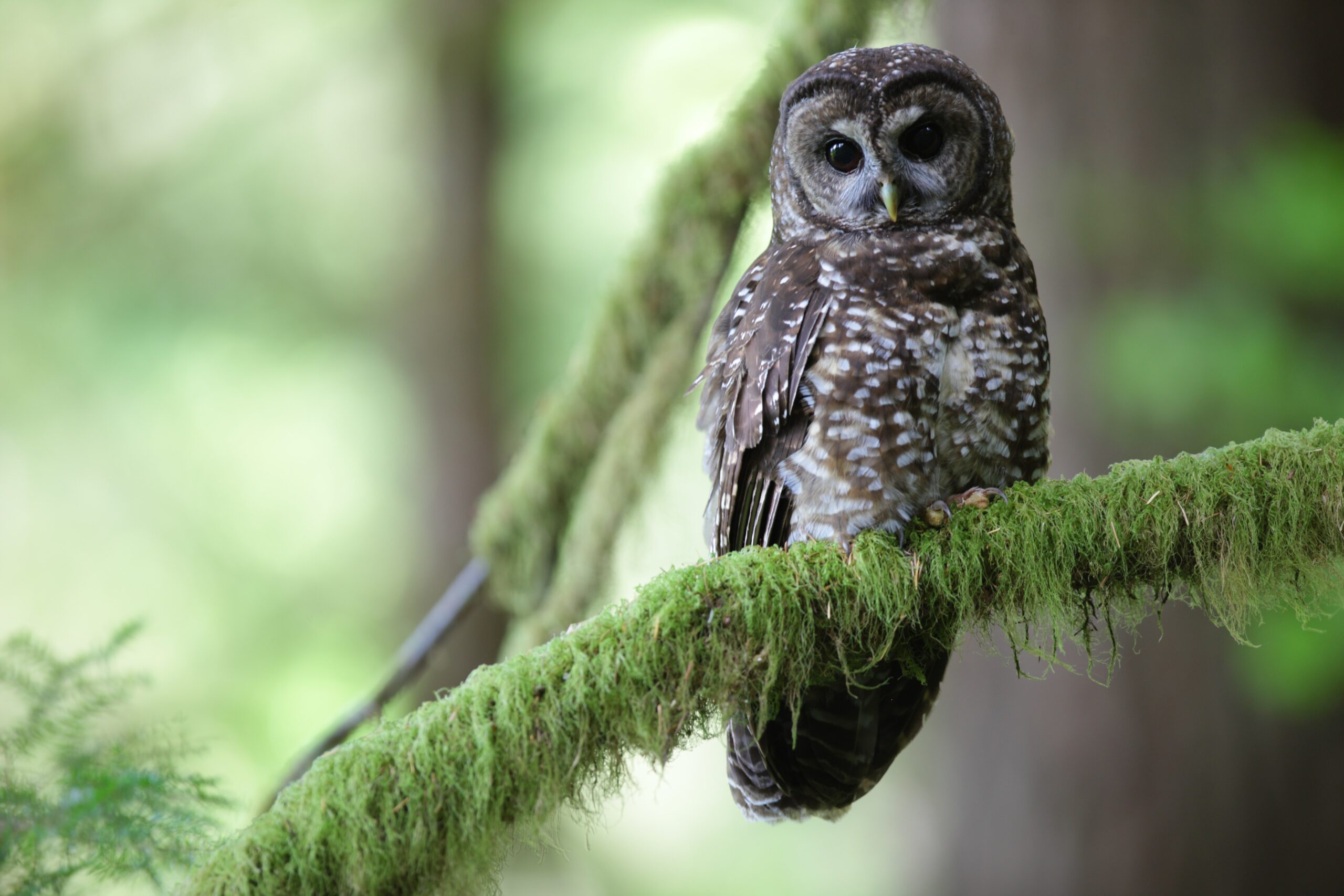
The spotted owl, with its piercing amber eyes and mottled brown-and-white plumage, is more than just a bird—it is a living emblem of the Pacific Northwest’s ancient forests, a symbol of ecological fragility, and a silent witness to humanity’s tumultuous relationship with nature. In the mist-laden canopies of Oregon, Washington, and British Columbia, this nocturnal sentinel has become a cultural touchstone, its presence echoing through Indigenous cosmologies, environmental movements, and even the timber wars of the late 20th century. To understand why the spotted owl holds such profound significance is to unravel a tapestry woven from science, myth, and the urgent call of conservation. This is not merely the story of a species under threat—it is the story of a region wrestling with its identity, its past, and its future.
The Spotted Owl’s Decline: A Timeline of Population Loss
Few creatures capture the imagination quite like the spotted owl. Its haunting calls echo through ancient forests, stirring a potent blend of awe and concern in those who venture into its realm. Yet, beneath its enigmatic presence lies a tragic narrative — one of precipitous decline and fragile survival. The story of the spotted owl’s population loss is not simply a chronicle of ecological misfortune, but a profound reflection on humanity’s relationship with the wild. This intricate timeline unravels the forces that have shaped the fate of this iconic sentinel of the forest, inviting us to ponder the deeper reasons for our enduring fascination and urgent responsibility.
How Barred Owls Outcompete Spotted Owls: Aggression Adaptability and Diet
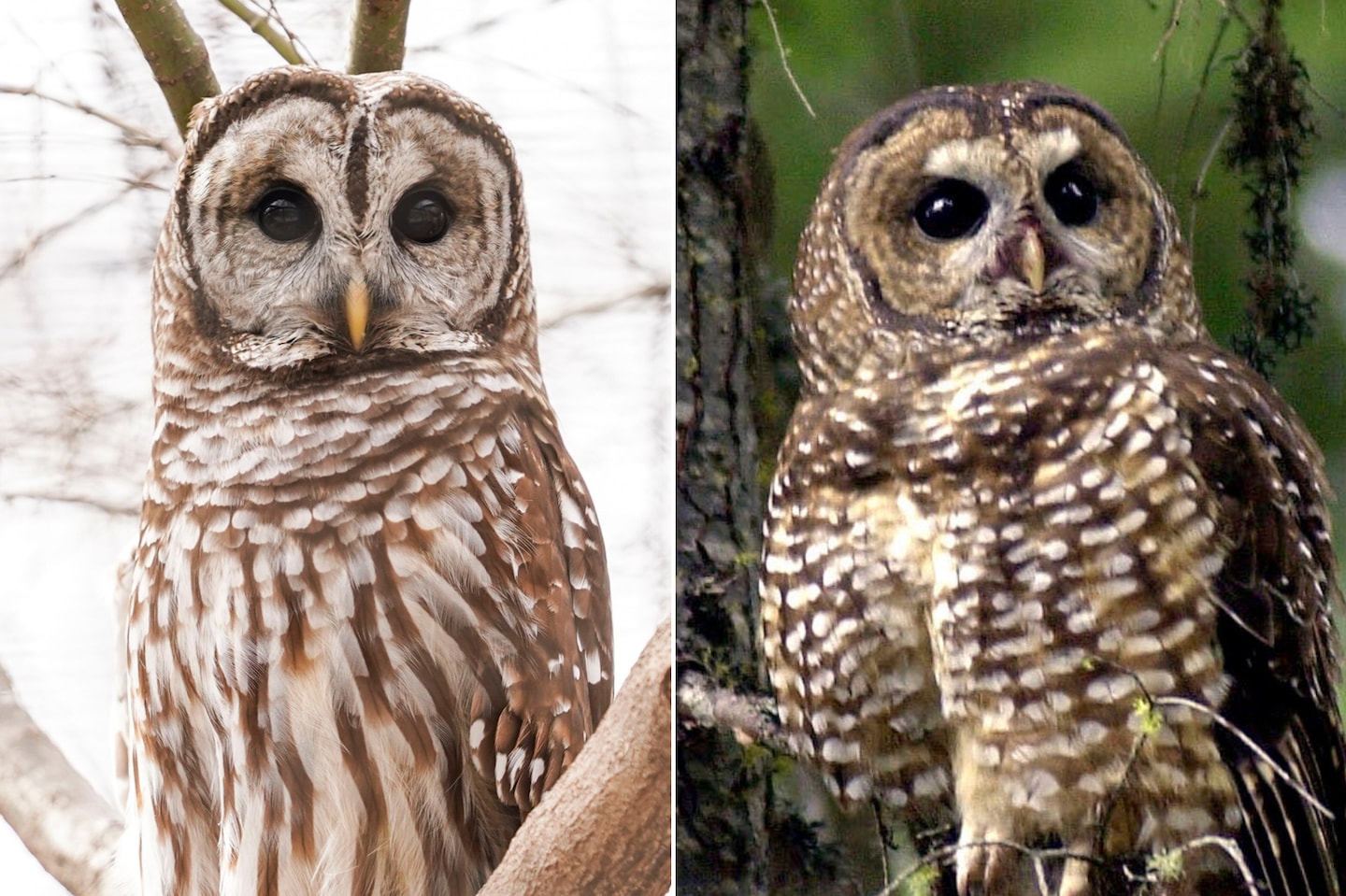
Have you ever wondered what happens when two fierce competitors share the same stage, and one silently but surely begins to dominate? The story of barred owls and spotted owls is not merely a tale of two avian species; it’s a dramatic saga of survival, dominance, and adaptation. At first glance, the barred owl might seem like just another forest dweller, but beneath its calm facade lies a relentless competitor that poses a significant challenge to the spotted owl’s existence. What exactly gives the barred owl this edge? Let’s delve into the intricacies of their rivalry, focusing on aggression, adaptability, and dietary strategies that tip the scales in favor of the barred owl.
How the Barred vs. Spotted Owl Controversy Is Shaping International Wildlife Policy
The barred owl, a charismatic and adaptable raptor with a haunting, rhythmic call, has become an unlikely villain in the quiet forests of the Pacific Northwest. Its expanding range, once confined to eastern North America, now encroaches upon the dwindling habitats of the spotted owl, a species so deeply intertwined with the region’s identity that its survival has sparked international debates on conservation ethics, ecological balance, and the very definition of wilderness. This isn’t just a story of two birds—it’s a collision of competing narratives about nature’s future, where the line between preservation and intervention blurs into a moral quandary. As wildlife officials prepare to cull half a million barred owls to “save” the spotted owl, the controversy forces us to confront uncomfortable questions: Can we truly play god with ecosystems? Who gets to decide which species deserves a future? And what does it mean when our efforts to heal the planet inadvertently deepen its wounds?
Barred vs. Spotted Owls: The Battle for the Pacific Northwest’s Ecosystems
The Pacific Northwest is a land of emerald forests and mist-laced valleys, where the air hums with the whispers of ancient trees and the rivers sing of untamed wilderness. Yet beneath this serene canopy, a silent war rages—not between armies, but between two owls: the barred and the spotted. One, a bold interloper with a voice like a rasping laugh, the other, a dwindling relic of old-growth forests, clinging to existence like a whisper in the storm. The decision to cull 450,000 barred owls to save the spotted owl is not merely ecological policy; it is a moral reckoning, a clash of survival strategies, and a testament to the fragility of balance in nature’s grand design.
Snowy Owls and the Arctic Food Web: How Their Decline Could Disrupt Ecosystems
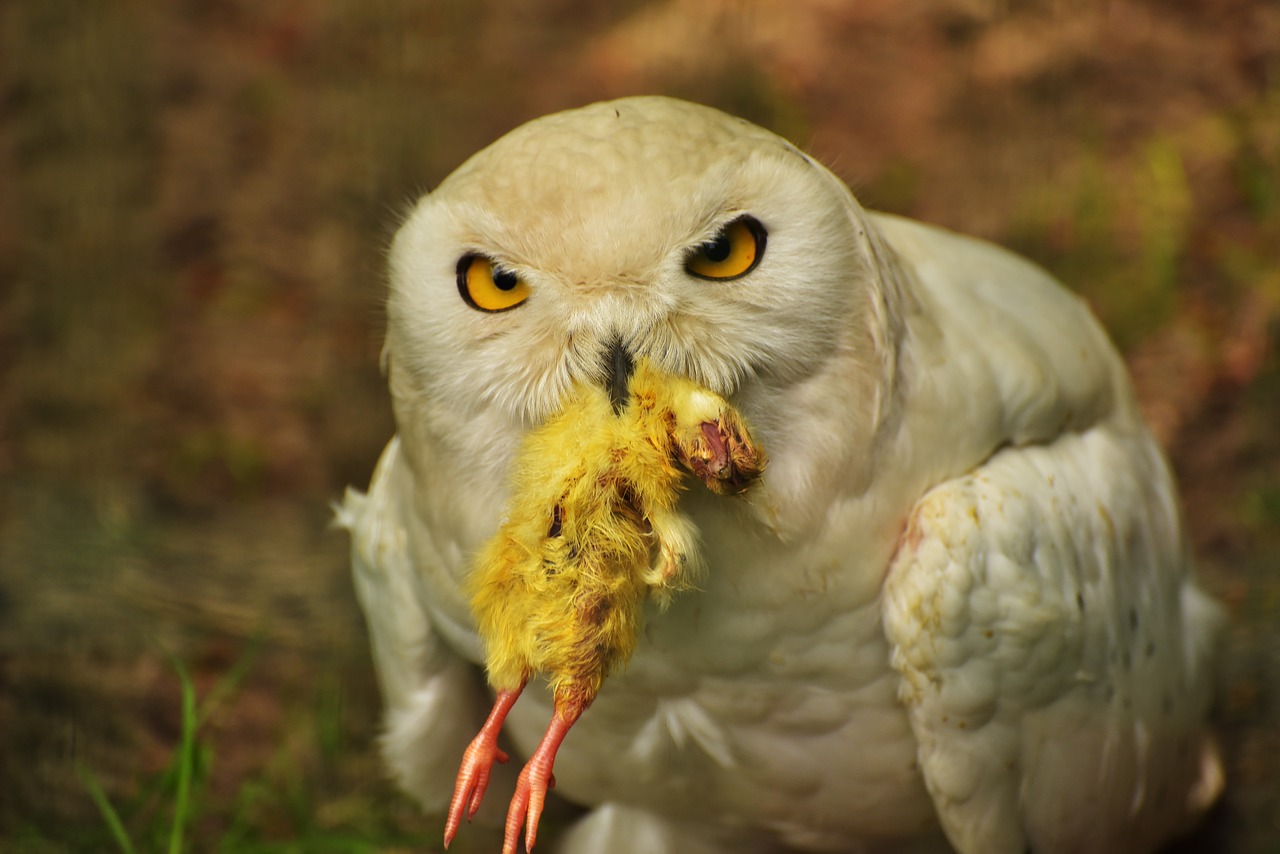
The Arctic is a realm of stark beauty and brutal efficiency, where life thrives in a delicate balance dictated by the merciless cycle of seasons. At the heart of this frozen expanse, the snowy owl stands as a silent sentinel, a ghostly specter gliding over the tundra. But beneath its majestic plumage lies a role far more vital than mere predator—it is a linchpin in the Arctic’s food web, a keystone species whose decline could unravel an entire ecosystem. What happens when the snowy owl falters? The answer is not just a loss of feathers and talons, but a cascade of consequences rippling through the Arctic’s frozen veins.
Snowy Owls and Arctic Insect Populations: An Overlooked Connection
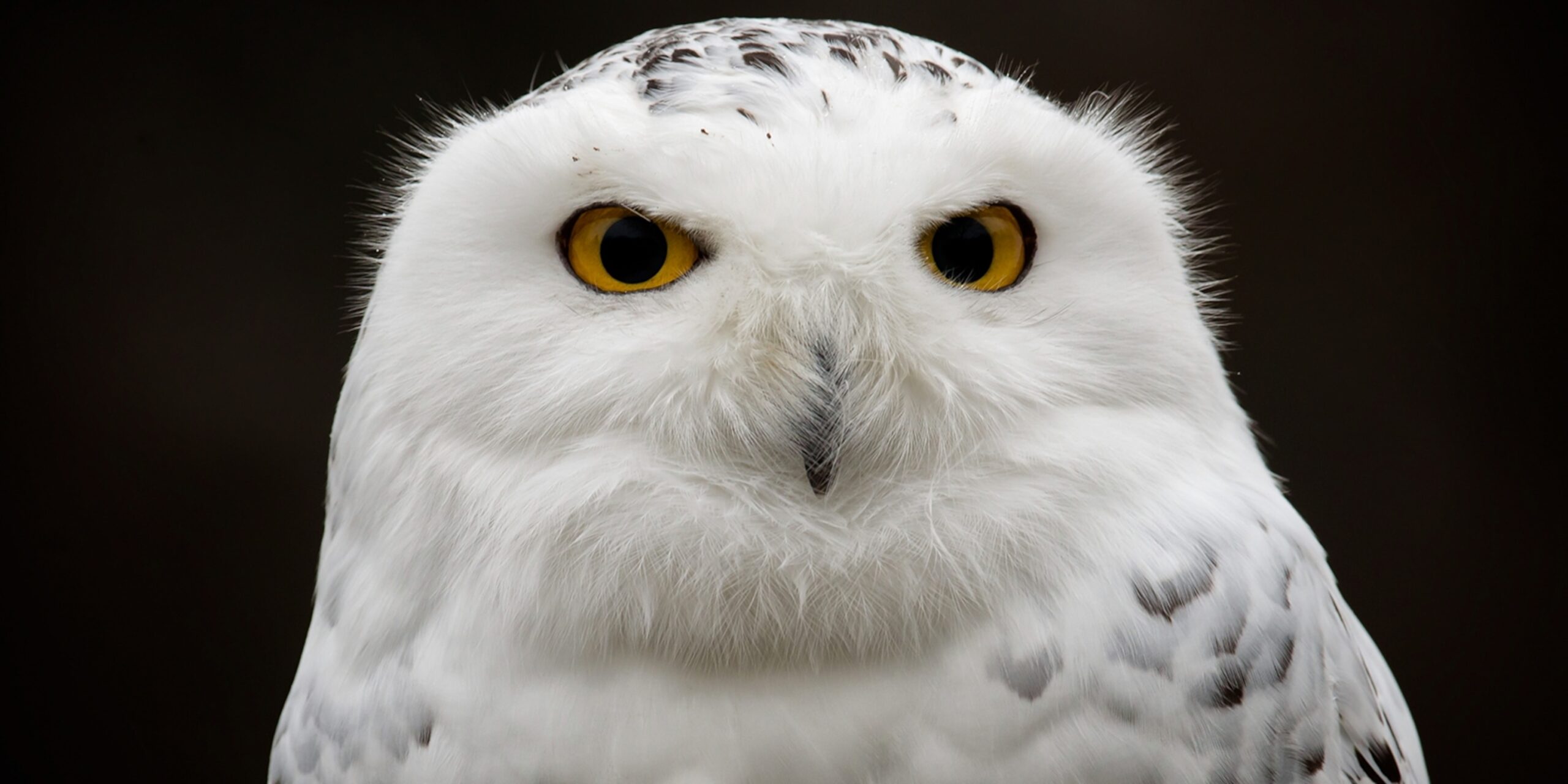
The Arctic tundra is a realm of stark beauty, where the wind sculpts ice into ephemeral art and the sun traces endless arcs across the horizon. Yet beneath this frozen expanse lies a hidden world, one where the silent wings of snowy owls and the bustling lives of Arctic insects intersect in a delicate, often overlooked dance. This connection is not merely a footnote in the annals of ecology—it is a lifeline, a testament to the intricate web of dependencies that sustain even the most remote ecosystems. To ignore this relationship is to turn a blind eye to the fragility of life in one of Earth’s most extreme environments.
How to Plan an Ethical Owl-Watching Trip: Respecting Wildlife and Habitats
There is a hush in the world just before dusk, when the air thickens with anticipation and the first tentative wingbeats of nocturnal hunters begin to stitch the twilight together. Owls—those enigmatic sentinels of the night—emerge not as mythic specters, but as living, breathing creatures whose survival hinges on our restraint, reverence, and restraint. To witness them in their domain is not a right, but a privilege, one that demands preparation as deliberate as the owl’s own silent descent. An ethical owl-watching trip is not merely an excursion; it is a pact between observer and observed, a promise to honor the boundaries of a world that does not revolve around us. This is how you keep that promise.