
What if the key to saving our feathered friends—the owls—lies not in the silent wings of the night, but in the deliberate strides of human advocacy? The world’s most enigmatic birds, guardians of the twilight, face silent threats: habitat loss, pesticide poisoning, and the relentless march of urban sprawl. Yet, their plight often flutters beneath the radar of policy agendas. How, then, do we elevate the cause of owl conservation from a whisper in the dark to a resounding chorus in the halls of power? The answer lies in the art of lobbying and advocacy—a dance of persuasion, strategy, and relentless persistence.
Ecology & Environmental Science
How Climate Change Is Altering Owl Breeding Seasons
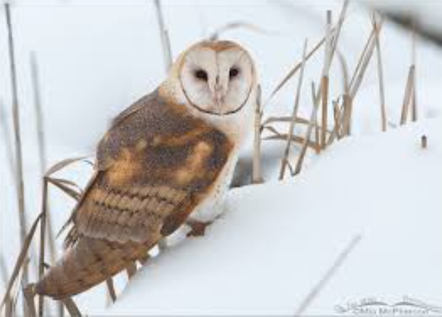
The first time I saw an owl perched on a gnarled oak branch, silhouetted against a moonlit sky, I understood why ancient cultures revered these birds as omens of wisdom. Their silent flight, their piercing gaze—it felt like witnessing a secret passed down through millennia. But now, that secret is under threat. Not from hunters or habitat loss alone, but from something far more insidious: the creeping, relentless shift in Earth’s climate. Climate change isn’t just melting glaciers or scorching forests—it’s rewriting the biological clock of one of nature’s most enigmatic predators. And if we don’t pay attention, the consequences will ripple far beyond the silent wings of owls.
The Impact of Documentaries on Spotted Owl Advocacy
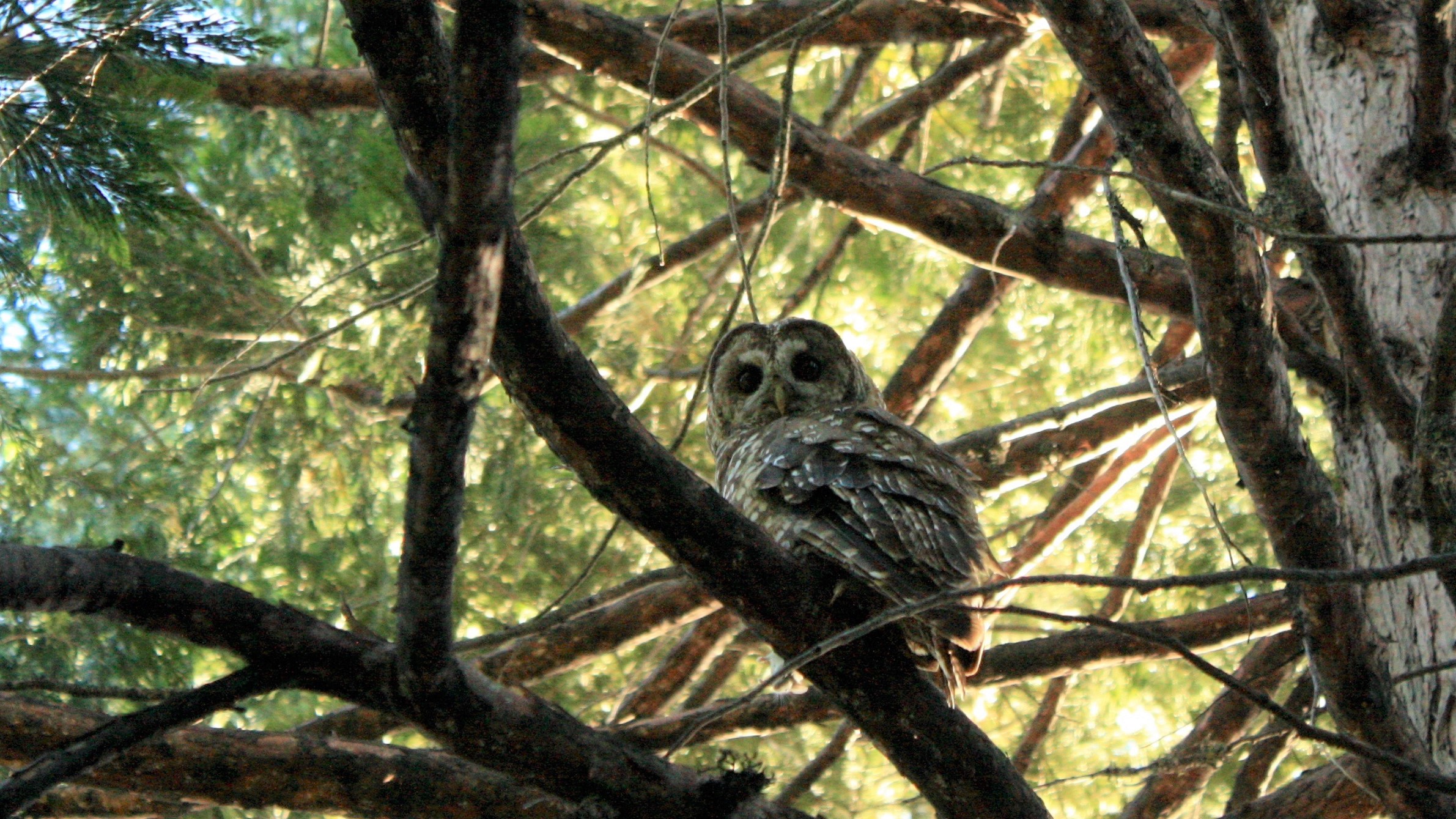
What if a single frame could shift the trajectory of an entire species’ survival? Documentaries, those mesmerizing tapestries of light and sound, have long been the unsung heroes of conservation, whispering truths into the ears of the world with the power of a thousand megaphones. Nowhere is this more evident than in the realm of spotted owl advocacy, where the lens of a camera has become as vital as the wings of the owls themselves. These feathered sentinels, cloaked in mottled brown and white, have found an unlikely ally in filmmakers—storytellers who wield their craft not just to entertain, but to ignite revolutions. But how exactly do documentaries reshape the fate of these elusive birds? And what challenges lurk in the shadows, threatening to dim the spotlight before the message can take flight?
How Spotted Owls Are Affected by Wildfires in the Pacific Northwest
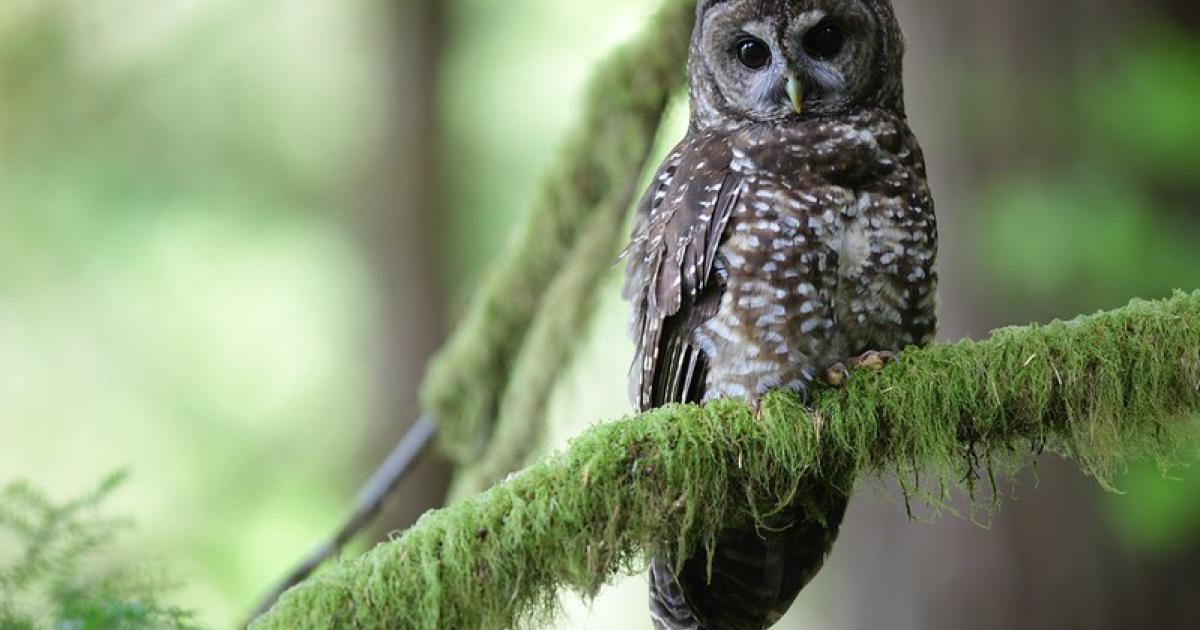
Can the haunting silhouette of a spotted owl, perched silently in an ancient forest, withstand the roaring chaos of a wildfire? The forests of the Pacific Northwest — thick with towering conifers and saturated with rich biodiversity — have long been sanctuaries for these elusive birds. Yet, as wildfires become more frequent and ferocious, the delicate balance within these ecosystems faces an unprecedented test. How do flames reshape the lives of spotted owls, and what does this mean for their survival? This exploration delves into the complex relationship between wildfires and the fate of the iconic spotted owl, revealing challenges and nuances that defy simple conclusions.
Owls in Folklore: Tales of Magic Curses and Transformation from Around the World
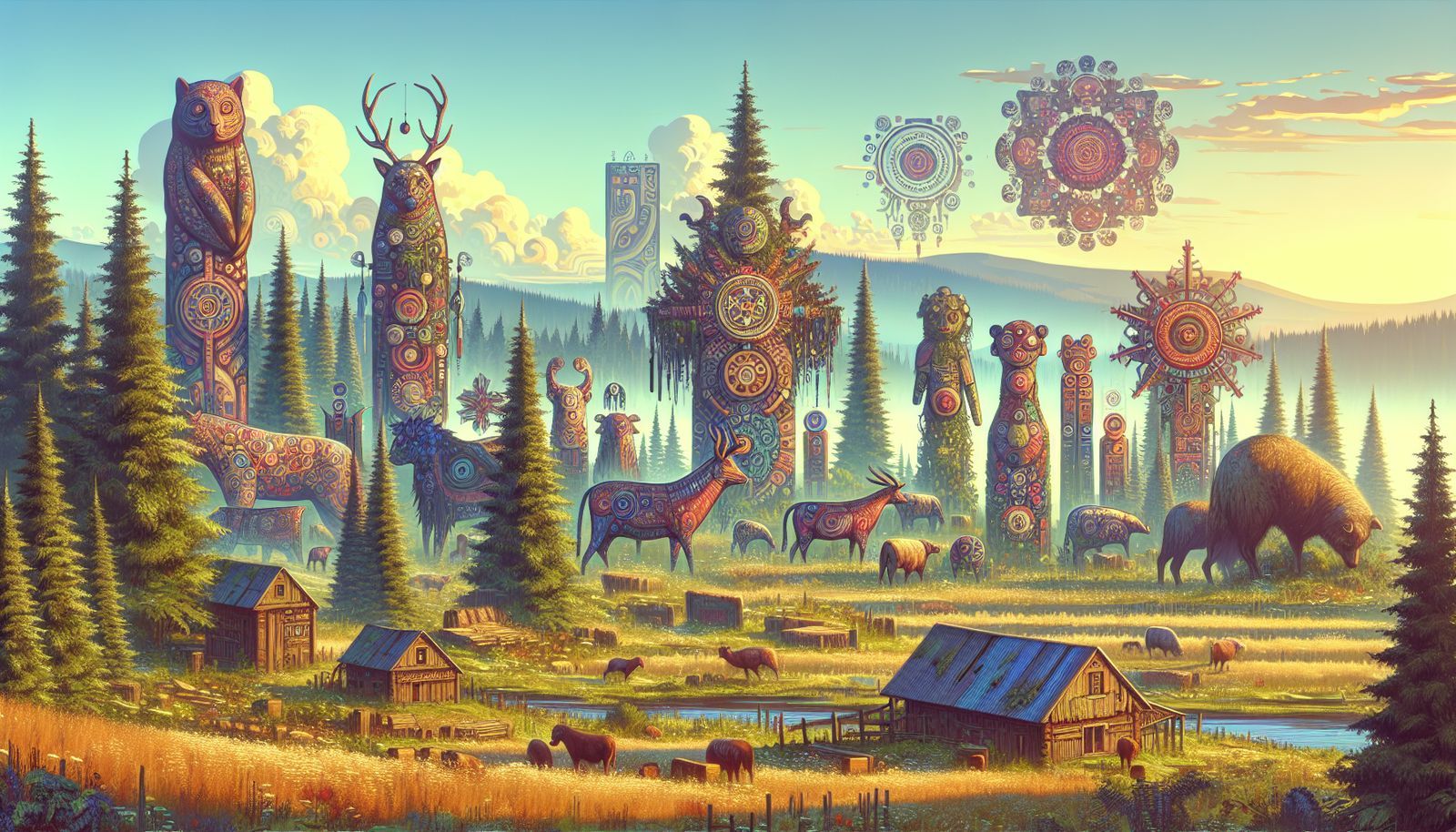
What if the silent sentinels of the night, those feathered enigmas perched on gnarled branches or gliding through moonlit forests, were not mere birds—but keepers of arcane secrets? What if their hoots were not mere calls, but incantations, their golden eyes not windows to the soul, but portals to realms where magic and malice intertwine? Across continents and centuries, owls have fluttered through human imagination not as ordinary creatures, but as omens, sorcerers, and shapeshifters. They have been revered as divine messengers, feared as cursed harbingers, and whispered about as cursed beings themselves. From the witching woods of Europe to the sun-baked savannas of Africa, from the mist-laden highlands of the Andes to the ancient temples of Asia, owls have been both protagonists and antagonists in tales of transformation, retribution, and supernatural intrigue. So, let us embark on a journey through these nocturnal chronicles, where every feathered shadow might just conceal a spell—and every hoot could be a curse in disguise.
Owl Conservation in Wetland Areas: The Importance of Marshes and Swamps
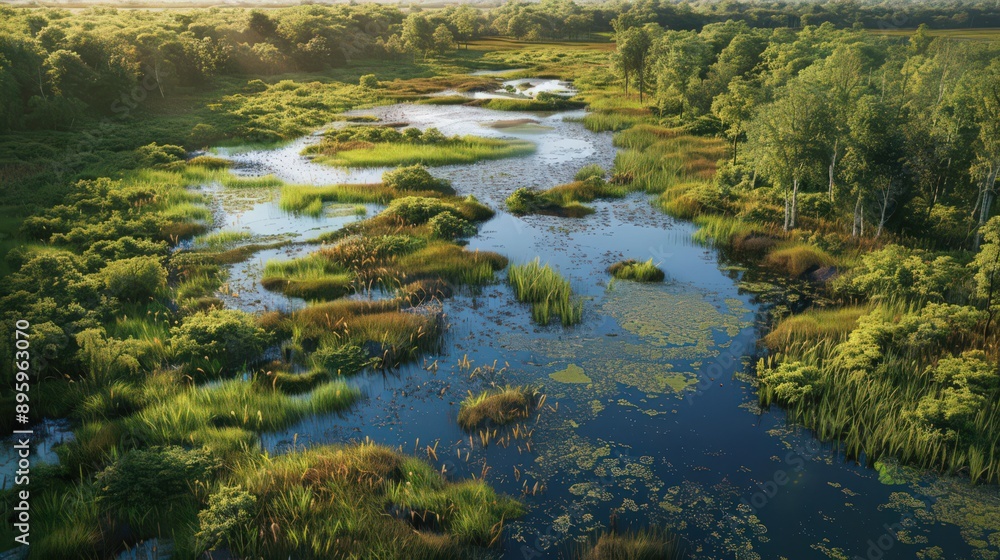
The haunting trill of an owl piercing the mist-laden dawn over a marsh is not merely a sound—it is a symphony of survival, a testament to the resilience of ecosystems teetering on the edge of oblivion. Wetlands, those oft-misunderstood and frequently drained landscapes, are the unsung cradles of biodiversity, where the interplay of water and land births life in its most exuberant forms. Among their most enigmatic inhabitants are owls, those nocturnal sentinels whose presence or absence can herald the health—or the hemorrhaging—of these vital habitats. To champion owl conservation in wetlands is to defend the very pulse of these waterlogged worlds, where every ripple on the surface tells a story of interdependence, and every rustle in the reeds whispers of an ancient pact between predator and prey.
The Owl in Digital Art: AI-Generated Imagery and Virtual Reality Experiences

There is a quiet revolution unfolding in the pixels and polygons of our digital landscape—one where the owl, that ancient symbol of wisdom and mystery, has taken flight into realms previously unimaginable. No longer confined to the pages of illuminated manuscripts or the silent wings of night, the owl now perches in the uncanny valleys of AI-generated art and glides through the immersive corridors of virtual reality. This metamorphosis is not merely a technical marvel; it is a cultural and philosophical reckoning with how we perceive intelligence, nature, and the boundaries of creation itself.
How to Use Storytelling to Connect People with Snowy Owl Protection
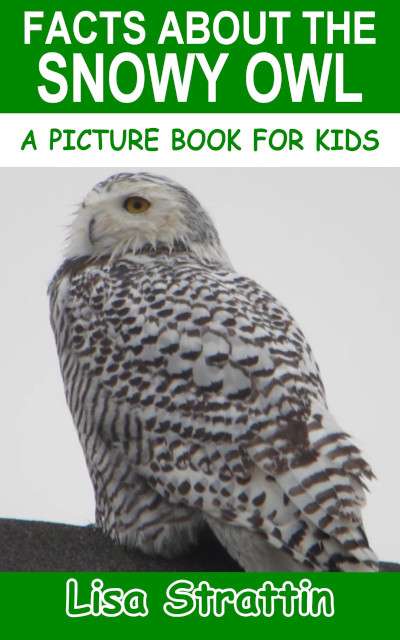
In the vast, windswept tundra where the sky kisses the earth, the snowy owl glides like a ghost of the Arctic—a silent sentinel draped in the alabaster hues of winter’s breath. This majestic creature, with its piercing golden eyes and feathered talons, is more than a mere bird; it is a living parable of resilience, a feathered philosopher whispering secrets of survival in a world teetering on the edge of ecological unraveling. Yet, how do we bridge the chasm between human indifference and the urgent need to protect this ethereal being? The answer lies not in cold statistics or bureaucratic decrees, but in the ancient and alchemical power of storytelling—a craft that can transform apathy into advocacy, and curiosity into conservation.
Owls in Video Games: Characters Inspirations and Easter Eggs

The night is alive with the silent flutter of wings, a whisper of feathers against the dark. Owls, those enigmatic sentinels of the twilight realm, have long captivated human imagination—mystical, wise, yet eerily silent. In the pixelated landscapes of video games, they transcend their nocturnal reputation to become symbols of mystery, guardians of secrets, and sometimes, playful Easter eggs tucked away in the digital undergrowth. These avian architects of intrigue do more than haunt the periphery; they shape narratives, embody themes, and offer players moments of serene revelation amid chaos. From the haunting cries of *The Legend of Zelda*’s guardians to the whimsical cameos in indie gems, owls in gaming are not mere creatures—they are metaphors, muses, and mischief-makers.
Snowy Owls and the Changing Arctic Soundscapes
The Arctic is not just a land of ice and snow—it is a symphony of whispers and roars, a chorus where the wind’s lullabies dance with the crackling of glaciers and the distant calls of creatures adapted to the harshest of climates. Among these voices, the snowy owl stands as a haunting soprano, its piercing trills cutting through the frozen stillness like a blade through silk. But what happens when the stage itself begins to shift? When the Arctic’s soundscapes, once a predictable melody, start to warp under the weight of climate change? What if the owl’s serenade, a sound etched into the cultural and ecological identity of the North, begins to fade—or worse, becomes unrecognizable?