The International Union for Conservation of Nature (IUCN) stands as a sentinel at the crossroads of science and stewardship, where the fate of Earth’s biodiversity is not merely observed but fiercely defended. Among its most intricate battles is the classification of invasive species—those uninvited guests that disrupt ecosystems with the subtlety of a thief in the night. Nowhere is this struggle more poignant than in the case of invasive owl species, whose silent wings carry the potential to unravel the delicate tapestry of native ecosystems. These feathered interlopers, often introduced by human hands, become agents of ecological upheaval, their presence a paradox: a symbol of nature’s adaptability, yet a harbinger of irreversible loss. The IUCN’s role in this drama is not merely administrative; it is a crusade to preserve the integrity of the natural world, where every species, no matter how small, plays a role in the grand symphony of life.
Ecology & Environmental Science
The Link Between Owl Decline and Insect Population Collapse
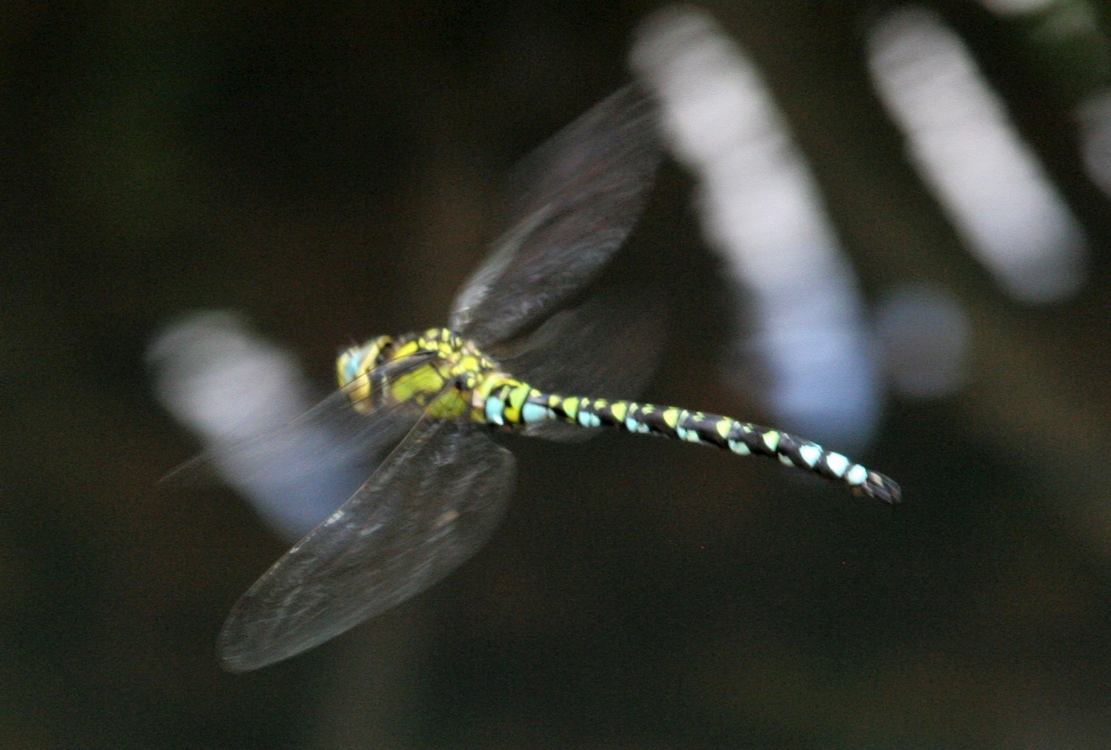
The silent flutter of moths against moonlit foliage, the industrious march of ants along forgotten trails, the ethereal dance of fireflies in summer twilight—these are not mere vignettes of nature’s poetry, but the fragile threads of an ecosystem unraveling. Insects, those diminutive architects of biodiversity, are vanishing at an alarming rate, their decline echoing through the food web like a discordant symphony. At the apex of this web, owls—those nocturnal sentinels of wisdom and stealth—are feeling the tremors of this collapse firsthand. The link between owl decline and insect population collapse is not a coincidence; it is a cascading consequence, a domino effect set in motion by human hands and unchecked environmental degradation. To understand this intricate relationship is to peer into the heart of ecological interdependence, where every creature, no matter how small or seemingly insignificant, plays a vital role in the grand tapestry of life.
The Impact of Arctic Infrastructure Development on Snowy Owl Habitats
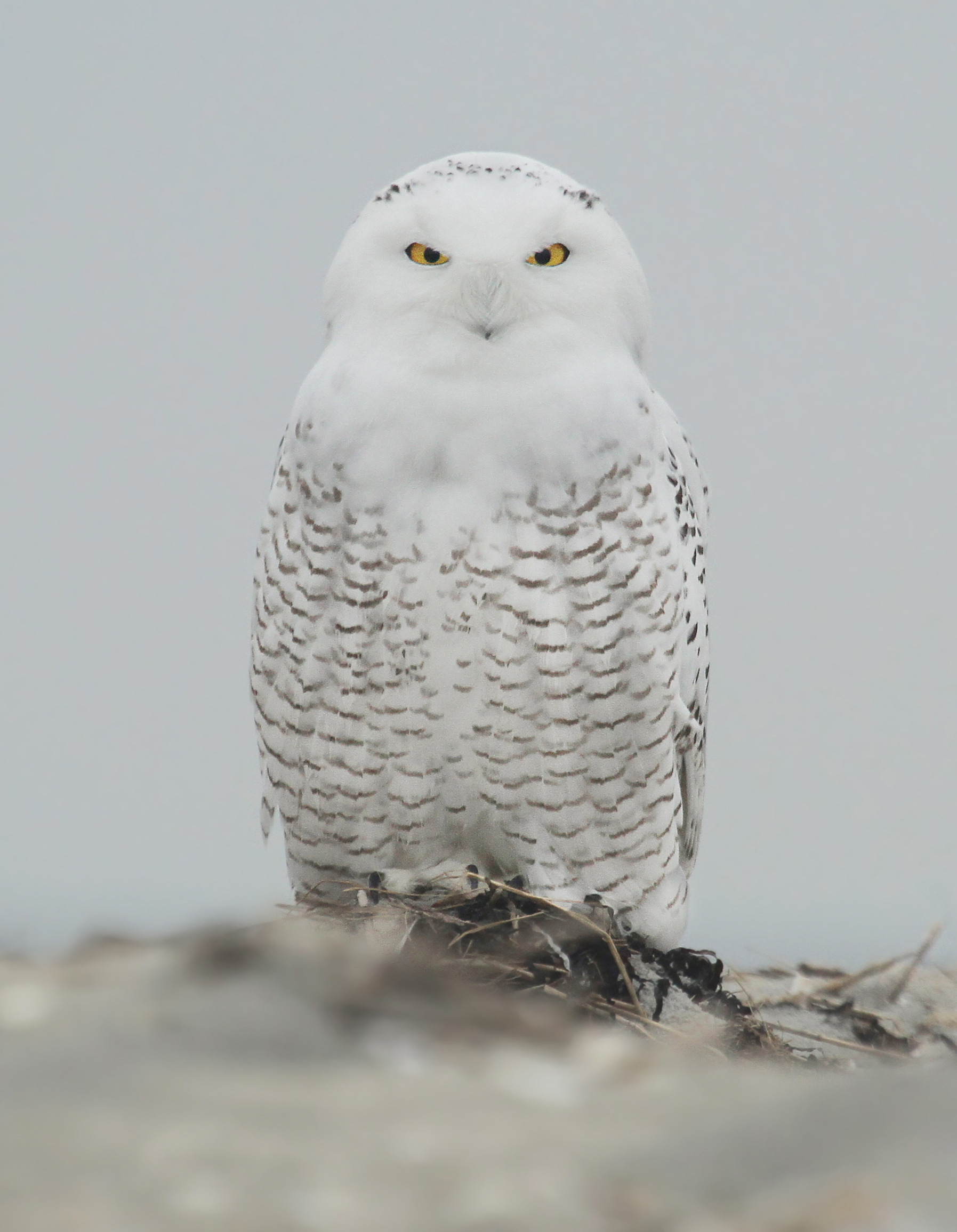
The Arctic, a realm of stark, unyielding beauty, is undergoing a transformation as relentless as the winter winds that carve its icy face. Once a sanctuary for the Arctic Snowy Owl, this frozen expanse is now scarred by the encroachment of human ambition. The snowy owl, a creature of ethereal grace and silent prowess, finds its domain shrinking beneath the weight of industrial progress. The impact of Arctic infrastructure development on these habitats is not merely a matter of ecological concern—it is a tragedy written in the language of displacement, fragmentation, and loss. To understand this crisis is to peer into a mirror held up to our own unchecked desires, where the Arctic’s icy heart beats slower with each passing year.
Barred Owl vs. Spotted Owl: The Battle for the Pacific Northwest’s Forests
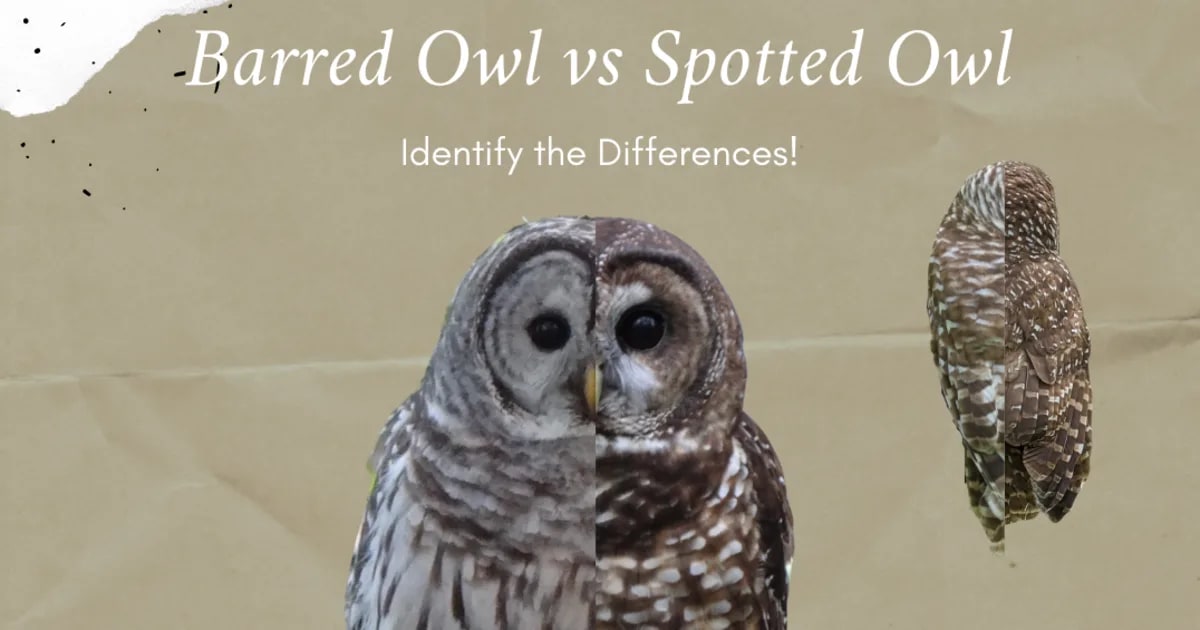
The Pacific Northwest’s emerald forests are not just a sanctuary for towering conifers and moss-draped oaks—they are the stage for an ancient rivalry, a silent war of feathers and talons waged between two of the most enigmatic raptors on Earth. The Barred Owl and the Spotted Owl, though both masters of the night, embody contrasting philosophies of survival, each a living paradox of elegance and ferocity. One is a bold interloper, a charismatic opportunist who thrives in the shadows of human encroachment, while the other is a relic of ancient woodlands, a dweller of cathedral-like groves where time itself seems to slow. To understand their clash is to peer into the heart of ecological tension—a battle not just for territory, but for the soul of a forest that has stood for millennia.
The Role of Owls in Shaping Plant Communities: Their Impact on Vegetation Dynamics

What if the silent sentinels of the night, those feathered philosophers with eyes like twin moons, held the key not just to the mysteries of the forest but to the very roots of plant life itself? Owls, those enigmatic creatures of the twilight, are often celebrated for their role in pest control, their haunting calls echoing through the woods like nature’s own lullabies. Yet, beneath their nocturnal dominion lies a far more intricate dance—a symphony of ecological interactions that subtly sculpt the vegetation around them. Could it be that these birds of prey, with their piercing gaze and stealthy wings, are unwitting architects of plant communities, their presence reshaping the very fabric of the ecosystems they inhabit?
How Desertification Is Affecting Owl Populations in Arid Regions
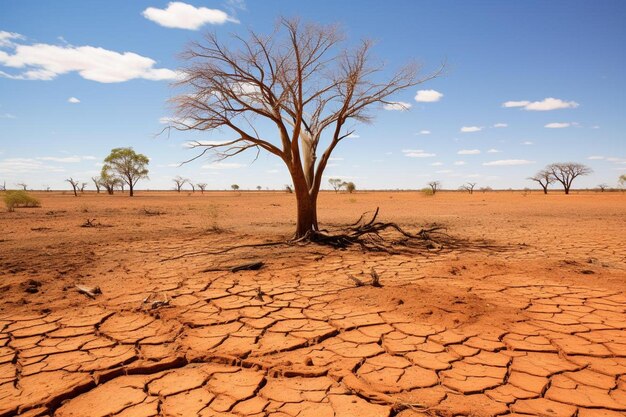
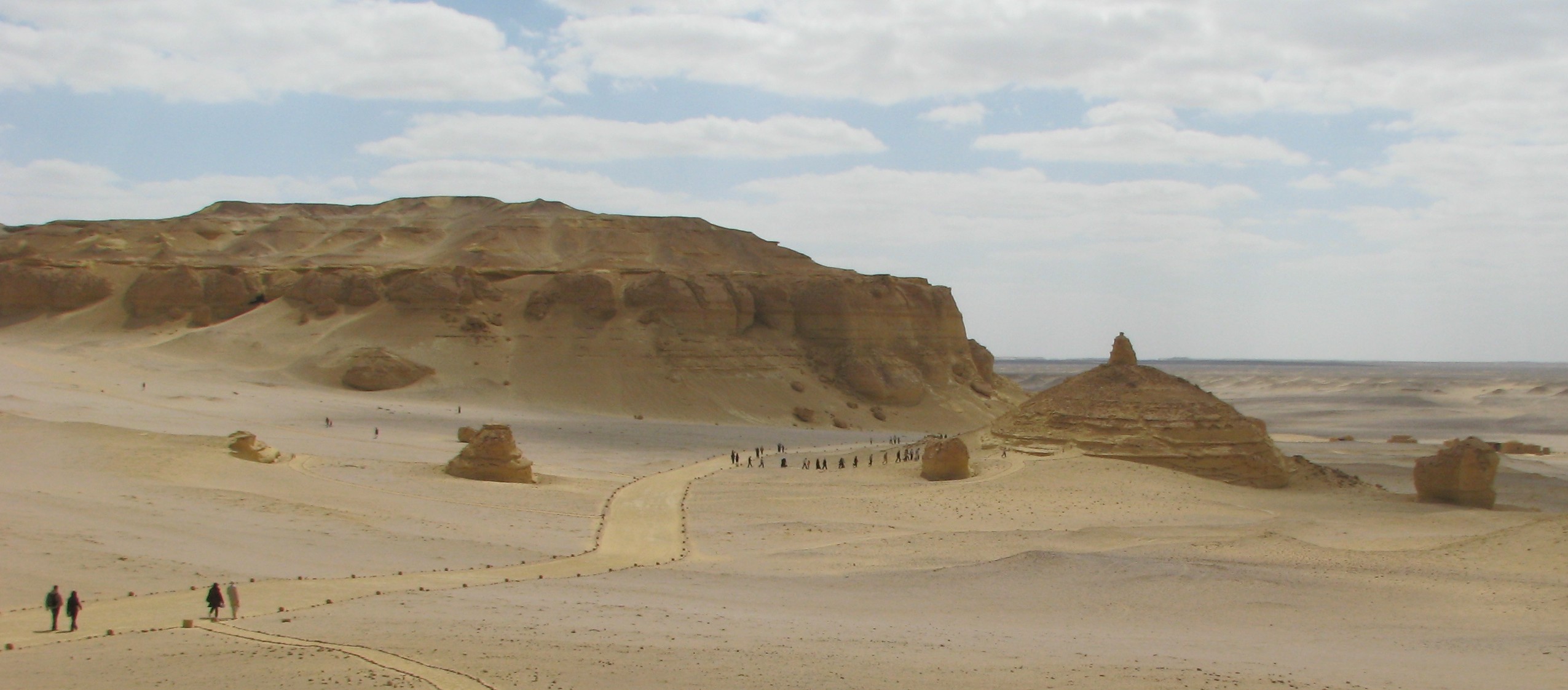
The relentless march of desertification is not merely a story of shifting sands and vanishing oases—it is a silent catastrophe reshaping ecosystems, one talon at a time. As arid regions expand, their most enigmatic inhabitants, the owls, face an existential reckoning. These nocturnal sentinels, with their piercing gaze and silent flight, are far more than mere predators; they are barometers of ecological health, their decline a harbinger of broader collapse. In the crucible of climate change, desertification strips away the delicate balance of these habitats, leaving owls to navigate a landscape that is increasingly hostile, fragmented, and bereft of the resources they once relied upon. This is not just a tale of survival—it is a chronicle of resilience, adaptation, and the unyielding spirit of nature in the face of adversity.
Tracking Snowy Owls: How GPS Tags Are Revealing Their Secret Lives
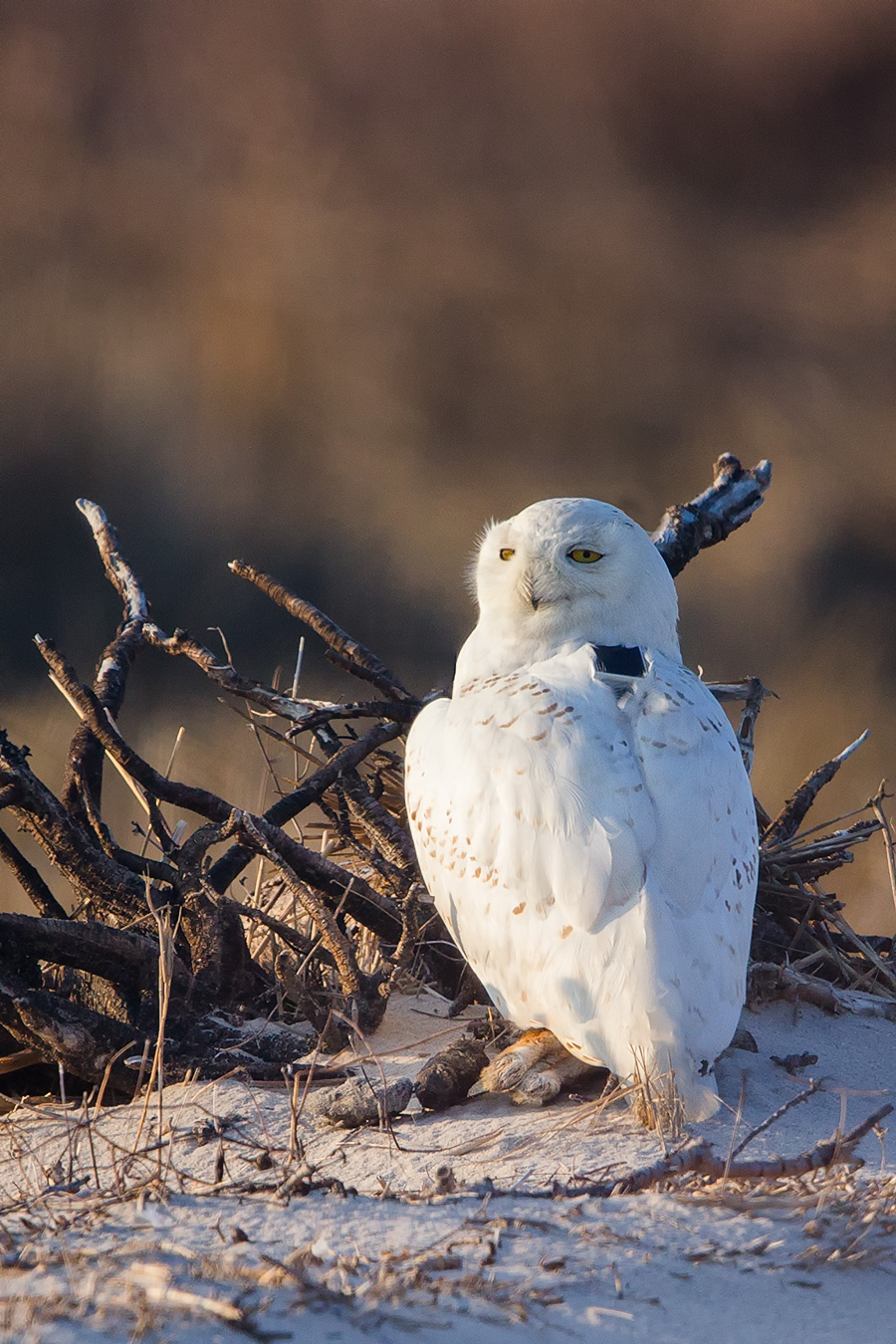
What if I told you that a bird with the majesty of a polar explorer could vanish into the winter skies without so much as a whisper? The snowy owl, that ghostly wanderer of the Arctic tundra, has long been a creature of mystery—until now. Thanks to the silent revolution of GPS tracking, we’re finally peeling back the layers of its enigmatic existence, one satellite ping at a time.
Owls in Christianity: Symbols of Solitude Vigilance and Divine Watchfulness

The owl, with its luminous eyes and silent wings, has long perched at the edges of human consciousness—an enigmatic sentinel between the seen and unseen. In Christianity, this bird of twilight has been both revered and reviled, its symbolism oscillating between divine watchfulness and ominous foreboding. Yet beneath the layers of myth and scripture lies a deeper narrative: one that speaks to solitude, vigilance, and the unblinking gaze of the sacred. To understand the owl’s place in Christian thought is to peer into the human soul’s relationship with mystery, darkness, and the eternal.
The Owl in Celtic Mythology: Guardians of the Otherworld and Keepers of Secrets
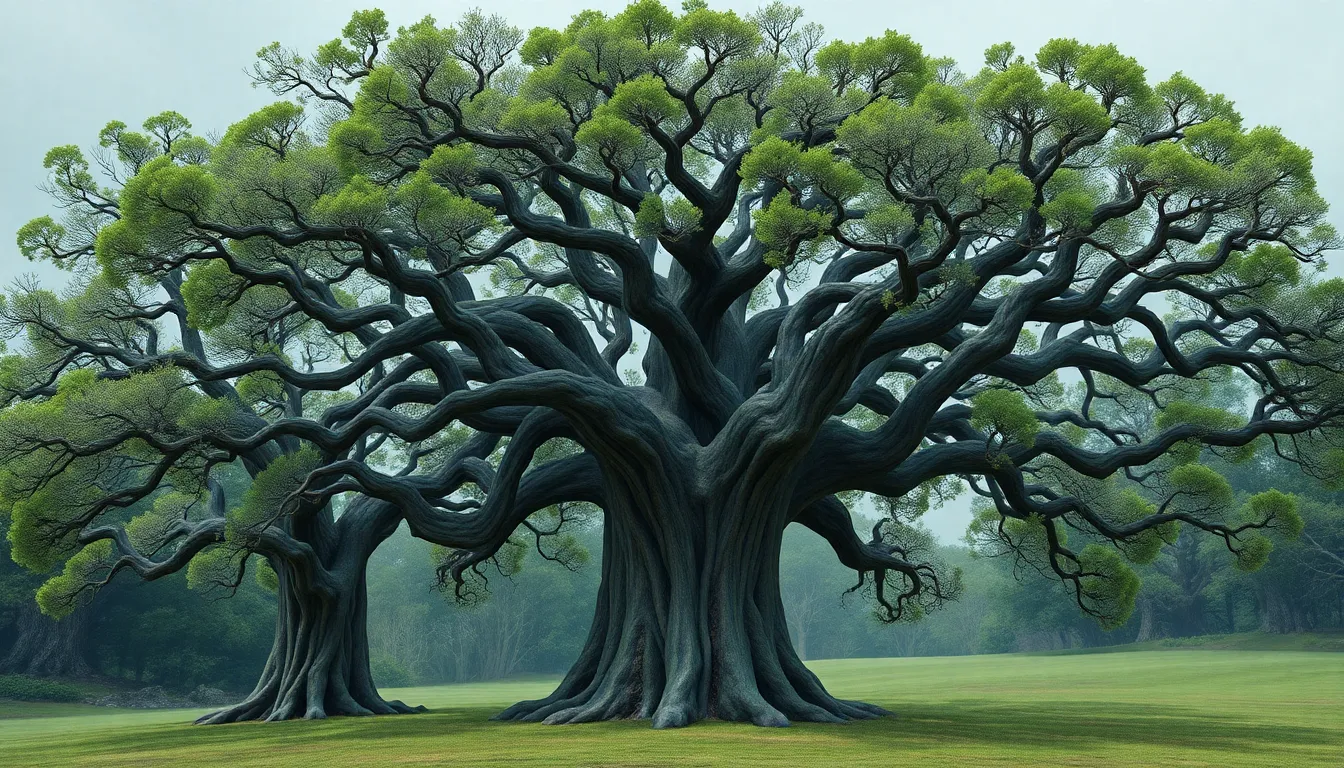
The owl, with its luminous gaze and silent wings, has long been a creature of paradox—both revered and reviled, a symbol of wisdom yet a harbinger of dread. In the labyrinthine tapestry of Celtic mythology, this enigmatic bird transcends mere fauna; it becomes a liminal entity, a bridge between the mundane and the arcane. To the ancient Celts, the owl was not merely an observer of the night but a custodian of its secrets, a silent sentinel of the Otherworld’s shadowed thresholds. Its presence in lore is not incidental but deliberate, a testament to the culture’s reverence for the unseen and the unspoken. Why, then, does this bird of twilight command such fascination? The answer lies not in its feathers or its flight, but in the profound truths it embodies about knowledge, power, and the feminine divine.
How to Reduce Window Collisions for Urban Owls
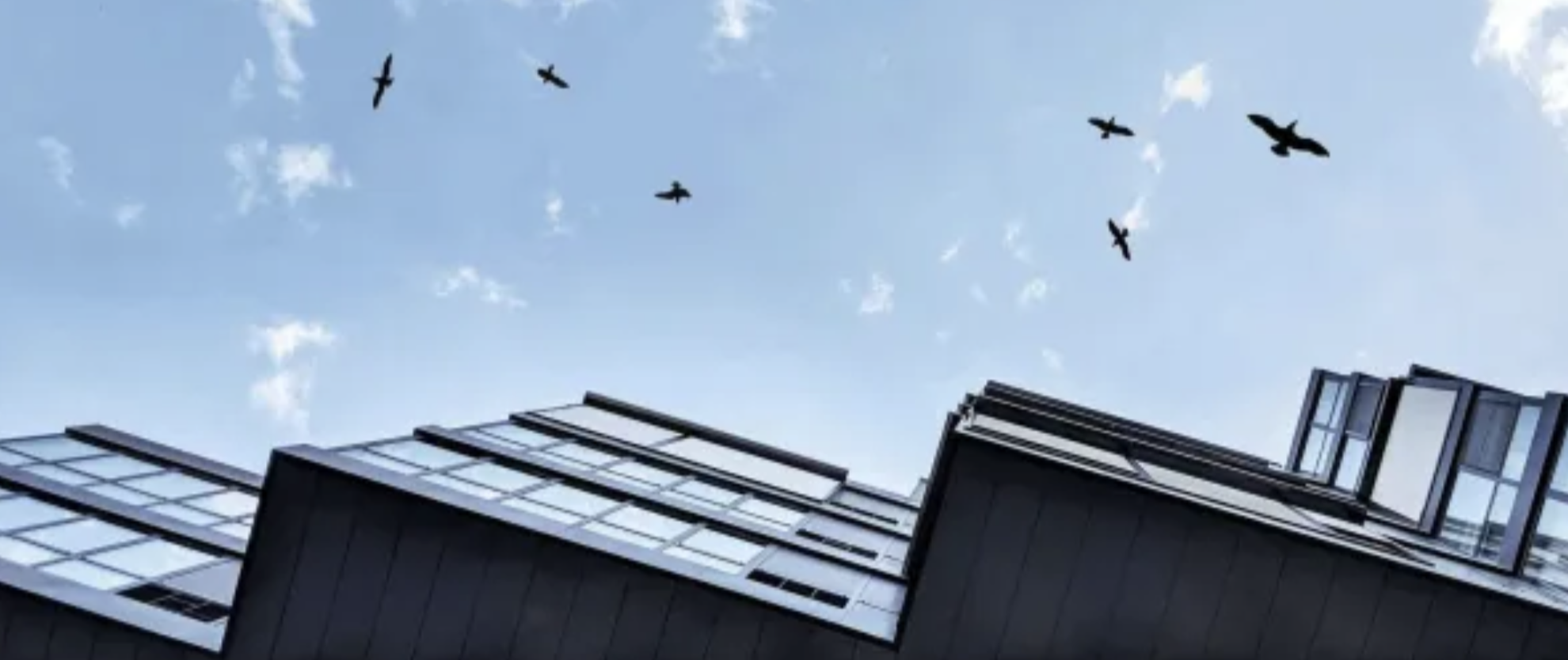
In the labyrinthine sprawl of urban landscapes, where glass and steel rise like monoliths, a silent tragedy unfolds each dawn. Urban owls, those enigmatic sentinels of the night, find themselves ensnared in an invisible web—glass windows, once mere reflections of the sky, now act as death traps. The phenomenon is as heartbreaking as it is preventable. Every year, millions of birds perish from collisions with windows, and among them, owls, with their silent flight and keen senses, are particularly vulnerable. This is not merely an ecological concern; it is a poignant reminder of how human progress often tramples the delicate threads of coexistence. Yet, within this crisis lies an opportunity—not just to save lives, but to reimagine our cities as havens for wildlife.