
The silent swoop of an owl through the moonlit forest is a spectacle that has captivated humanity for millennia. These nocturnal sentinels, with their piercing gaze and feathered grace, are often seen as omens or symbols of wisdom. Yet beyond their cultural mystique lies a far more profound role—one that quietly shapes the very ecosystems we depend on. The carbon footprint of owls, though seemingly negligible at first glance, reveals a complex interplay of predation, energy transfer, and ecological balance that ripples through the carbon cycle. To understand this, we must peer beyond the surface of their nocturnal hunts and uncover the hidden mechanisms by which these birds influence climate dynamics.
Ecology & Environmental Science
How Barred Owls Are Displacing Spotted Owls in the Pacific Northwest
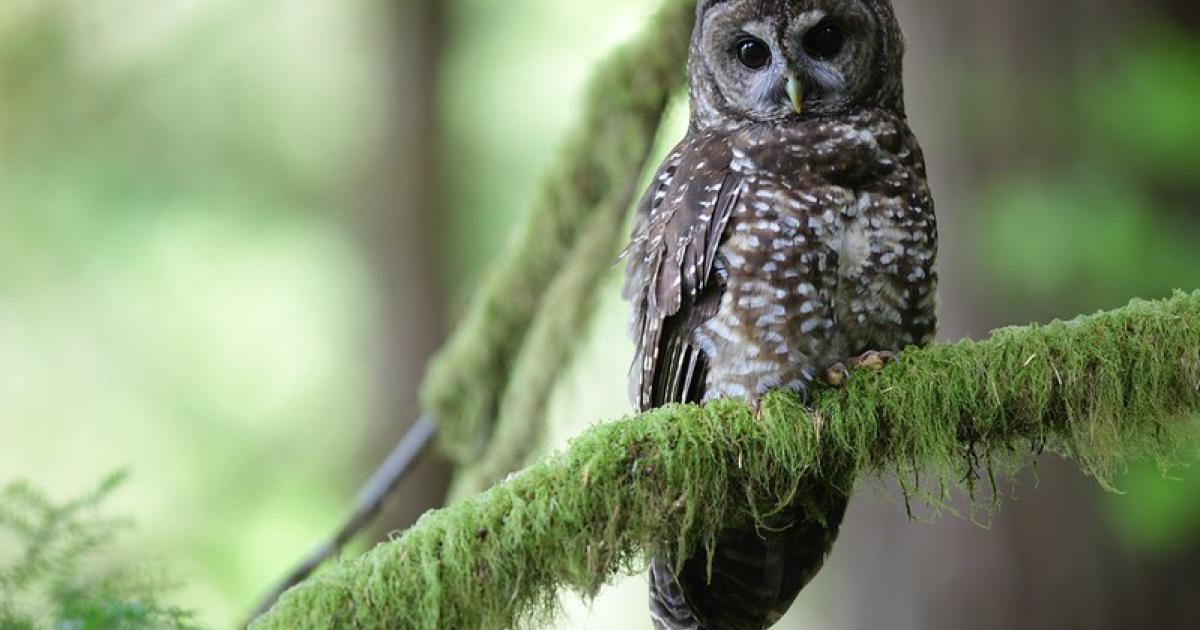
The verdant expanse of the Pacific Northwest is renowned not only for its towering evergreens and mist-shrouded landscapes but also for harboring some of North America’s most enigmatic avian species. Among these, the spotted owl stands as a symbol of old-growth forest ecosystems, embodying both ecological complexity and the tragic narratives of species under siege. Yet, in recent decades, an unrelenting force of displacement has permeated these ancient woodlands: the barred owl. This invasive cousin, with its aggressive expansion and adaptive prowess, is reshaping the delicate balance, forcing the iconic spotted owl into a perilous decline. Delving into this unfolding saga reveals a tale of interspecies rivalry, habitat encroachment, and the desperate human endeavors striving to conserve a fragile legacy.
How Climate Change Is Exacerbating Invasive Species Conflicts Worldwide

The relentless march of climate change is not merely melting glaciers or intensifying storms—it is also rewriting the rules of global biodiversity, tipping the scales in favor of invasive species that thrive in the chaos of ecological disruption. These biological invaders, once confined by natural barriers, now surge across continents, fueled by warming temperatures, erratic precipitation, and human-mediated pathways. The consequences are dire: ecosystems unravel, economies strain, and indigenous communities bear the brunt of this silent takeover. This is not just an environmental crisis; it is a feminist issue, one that disproportionately affects marginalized groups, particularly women, who often bear the responsibility for food security, healthcare, and resource management in vulnerable regions. As the planet heats up, so too does the battle against these ecological intruders, revealing a tangled web of gendered vulnerabilities and systemic inequities.
The Impact of Eastern Screech-Owls on Eastern Forest Ecosystems

The Eastern Screech-Owl (Megascops asio) is a diminutive yet formidable denizen of the eastern woodlands, a creature whose presence reverberates through the forest’s intricate web of life. Far from being a mere nocturnal ornament, this owl is a linchpin of ecological balance, shaping the dynamics of its habitat in ways both subtle and profound. From its role as a keystone predator to its influence on prey populations and even the structure of the forest itself, the Eastern Screech-Owl is a silent architect of biodiversity. For those who venture into the hushed understories of eastern forests, understanding this bird is not just an academic pursuit—it is a gateway to comprehending the delicate, often unseen forces that sustain these ecosystems.
The Role of Owls in Pest Control: Natural Solutions for Farmers
What if there was a silent guardian patrolling the fields at night, armed not with steel or poison, but with razor-sharp talons and an insatiable appetite for rodents? Meet the owl—the unassuming yet formidable ally of farmers worldwide. These nocturnal hunters don’t just grace the night sky with their haunting calls; they wage a relentless war against pests, offering a natural solution that’s as elegant as it is effective. But how exactly do these feathered sentinels transform the agricultural landscape? And what challenges do they face in their mission to keep farms thriving? Let’s dive into the captivating world of owls and uncover their pivotal role in pest control.
The Role of Education in Reducing Human-Owl Conflicts
In the quiet hush of twilight, when the world blurs between day and night, a silent drama unfolds across fields and forests. Owls, those enigmatic guardians of the night, glide through the air with a grace that belies their predatory prowess. Yet, their presence often sparks tension—human-owl conflicts that ripple through rural communities like stones tossed into still water. These conflicts are not merely clashes of instinct but reflections of deeper misunderstandings, where fear and ignorance collide with the ancient rhythms of nature. Education emerges as the most potent tool to bridge this divide, transforming fear into reverence and conflict into coexistence. This article explores how knowledge, empathy, and strategic learning can rewrite the narrative of human-owl interactions, fostering harmony where discord once reigned.
How to Photograph Spotted Owls: Gear Settings and Techniques
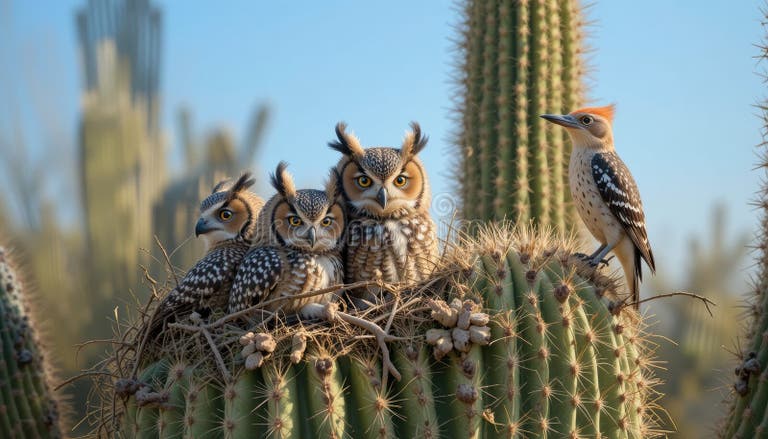
Photographing spotted owls is an exhilarating endeavor that merges the thrill of wildlife observation with the art of photography. These elusive creatures, renowned for their distinctive speckled plumage and mysterious demeanor, demand a blend of patience, precision, and technical savvy from any photographer intent on capturing their essence. To immortalize the ethereal beauty of spotted owls requires more than just a camera; it necessitates a deep understanding of gear capabilities, mastery of settings, and refined techniques tailored to their unique behaviors and habitats. This comprehensive guide unfolds the secrets behind creating compelling, evocative images of spotted owls, empowering both novice and seasoned photographers alike.
How Climate Change Education Is Raising Awareness About Snowy Owls
The Arctic tundra, a vast expanse of frozen silence, is whispering secrets through the wings of the snowy owl—a creature of ethereal beauty and unyielding resilience. As climate change unravels the delicate threads of this icy realm, education emerges as the beacon that illuminates the plight of these feathered sentinels. Through the lens of knowledge, we are not merely observers but participants in a narrative that binds human curiosity to ecological urgency. The snowy owl, with its piercing amber gaze and snowy plumage, becomes more than a bird; it transforms into a living metaphor for the fragility of our planet’s frozen heart.
How Barred Owls Are Impacting Spotted Owl Genetic Diversity
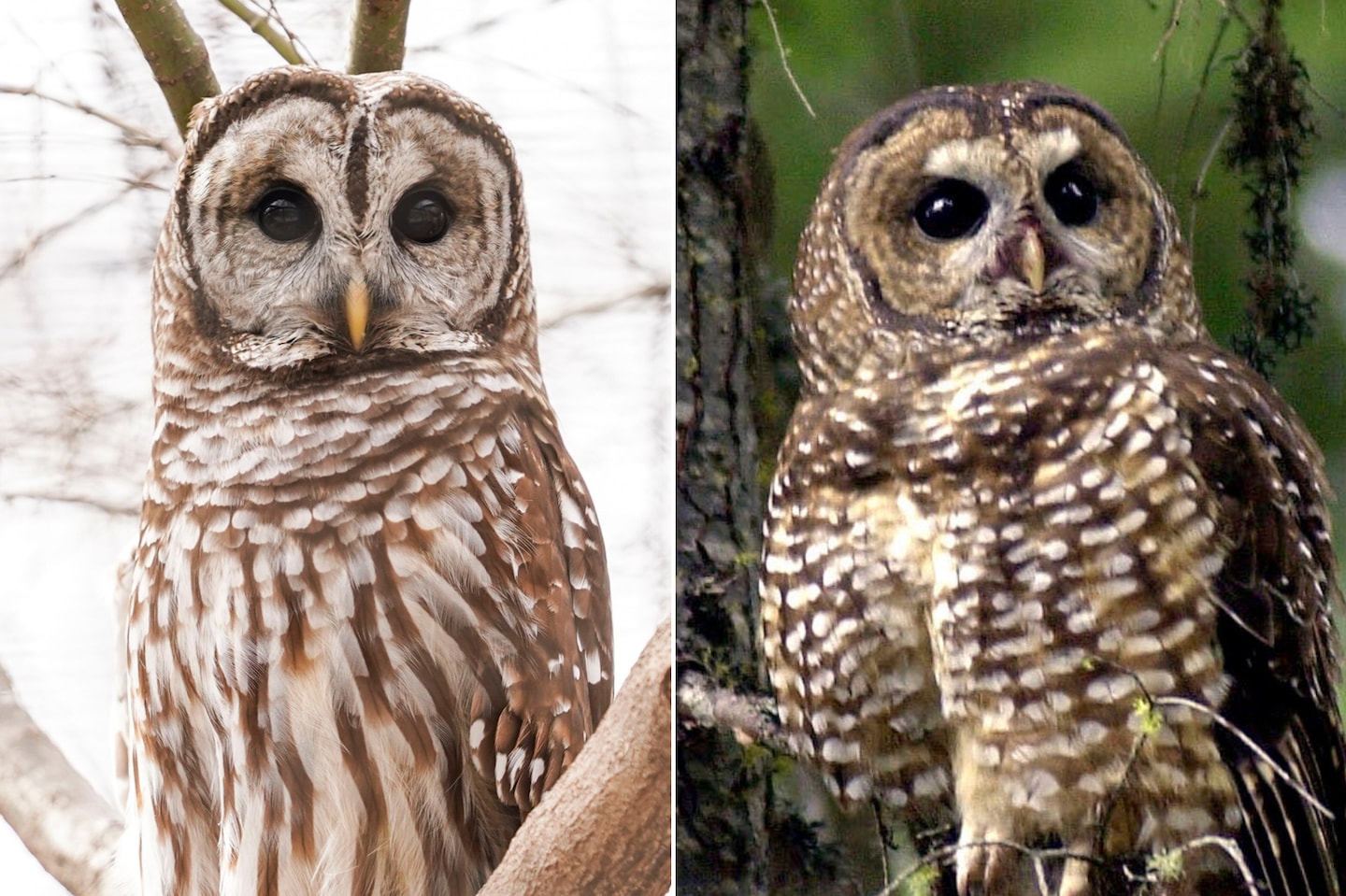
In the intricate symphony of the Pacific Northwest’s ancient forests, the spotted owl has long been the elusive soloist—a creature of shadow and mystery, weaving its existence delicately through a tapestry of towering evergreens and mist-laden groves. Yet, in recent decades, an uninvited guest has stepped onto this arboreal stage: the barred owl. Like a domineering new instrument drowning out a fragile melody, barred owls have not only disrupted the spotted owl’s habitat but have also cast profound ripples across its genetic diversity. This story is not just about two species in contention; it is a narrative of survival, identity, and the genomic tapestry that underpins the essence of a species.
The Dos and Don’ts of Owl Watching: Minimizing Disturbance to Wildlife
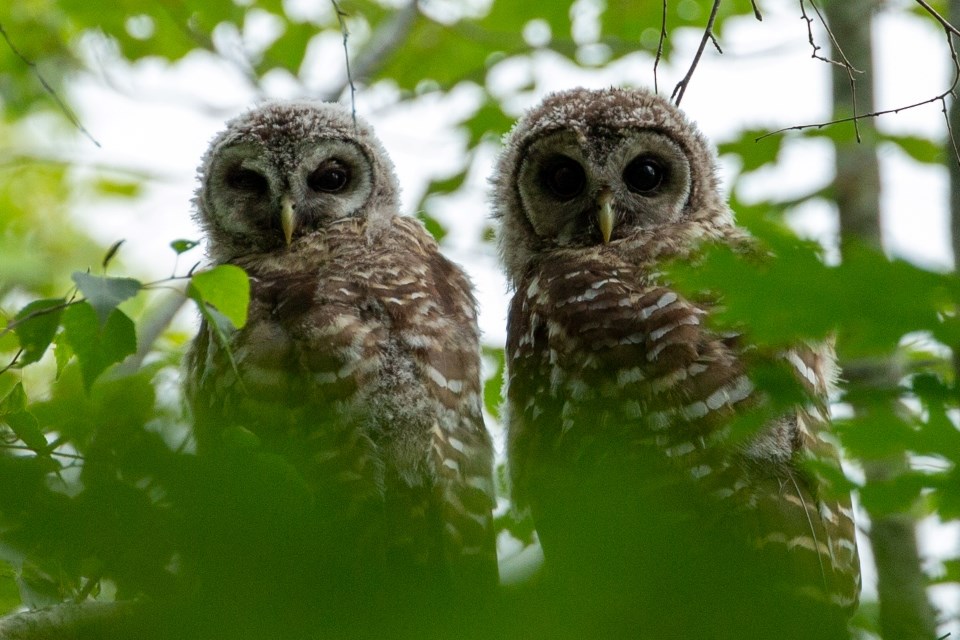
Owl watching is a mesmerizing pursuit, a nocturnal ballet where shadows take flight and silence becomes a language of its own. Yet, this delicate dance is easily disrupted by human presence. The key to preserving the magic lies not in our enthusiasm, but in our restraint. To witness these enigmatic creatures in their natural rhythm, we must become invisible observers, respecting boundaries that are invisible yet absolute. This guide is not a list of rules, but a manifesto of mindfulness—how to engage with the wild without leaving a trace beyond the echoes of our admiration.