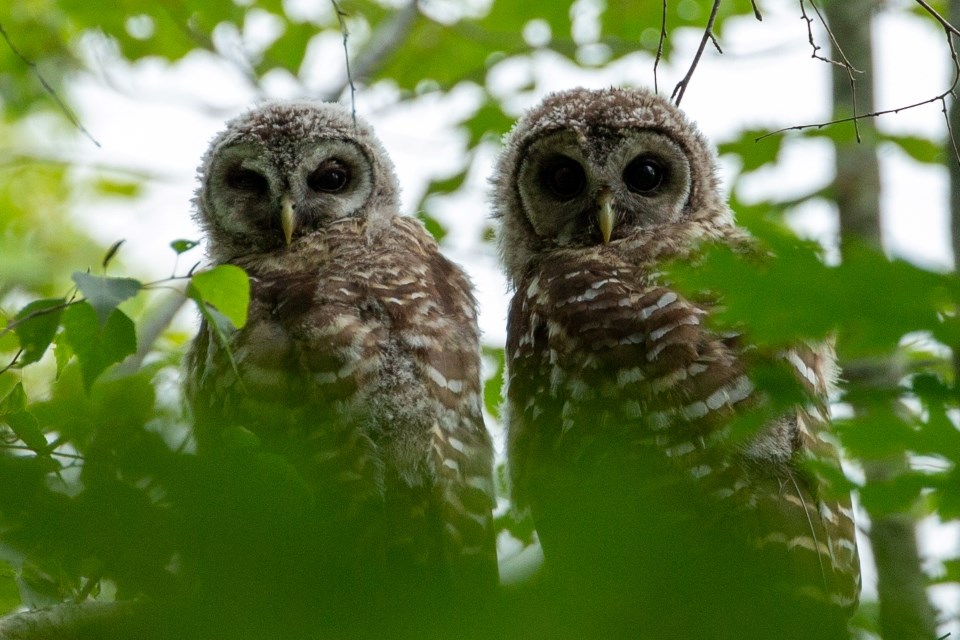
Owl watching is a mesmerizing pursuit, a nocturnal ballet where shadows take flight and silence becomes a language of its own. Yet, this delicate dance is easily disrupted by human presence. The key to preserving the magic lies not in our enthusiasm, but in our restraint. To witness these enigmatic creatures in their natural rhythm, we must become invisible observers, respecting boundaries that are invisible yet absolute. This guide is not a list of rules, but a manifesto of mindfulness—how to engage with the wild without leaving a trace beyond the echoes of our admiration.
The Sacred Art of Stealth: Movement as a Virtue
Owls are sentinels of the night, their keen senses attuned to the slightest tremor in the air. Every step you take is a declaration—whether of reverence or intrusion. The first rule of owl watching is to move like a whisper, your footsteps soft as falling petals. Avoid crunching gravel or snapping twigs; instead, glide over mossy ground, where the earth cushions your presence. Even the rustle of clothing can shatter the illusion of stillness. Wear muted tones, fabrics that blend into the dusk, and resist the urge to adjust your gear with metallic clinks. Remember, you are not a visitor but a guest in a world that thrives on quietude.
The art of stealth extends beyond physical motion. Your breath, too, must become a silent river. Hold it when necessary, exhale slowly to avoid fogging the air with your presence. Owls do not fear the dark; they fear the unnatural. A sudden gust of human scent, the metallic tang of sweat, or the acrid note of anxiety can send them fleeing into the canopy. Cultivate stillness not just in body, but in mind. Breathe deeply, steady your heartbeat, and let the forest’s rhythm become your own.
Light Discipline: Illuminating Without Invading
Light is a double-edged sword in the owl’s domain. It reveals their secrets but also betrays our intentions. The golden rule? Use it sparingly, and only when absolutely necessary. Flashlights, headlamps, and phone screens are disruptive forces, slicing through the velvet dark like blades. If you must illuminate, opt for red filters—they preserve night vision and minimize disturbance. Keep the beam narrow, directed at the ground or your feet, never sweeping across the trees where owls may perch.
Even the gentlest glow can blind an owl mid-flight, leaving it disoriented and vulnerable. Imagine stumbling into a room where a predator’s eyes have just adjusted to the dark—your sudden light would leave you helpless. The same vulnerability plagues these birds. Reserve artificial light for emergencies, and when you do use it, do so with the gentleness of a moth’s touch. Better yet, let your eyes adapt. The night is not a void; it is a tapestry of textures and shadows waiting to be deciphered.
The Ethics of Proximity: How Close Is Too Close?
Distance is not just a measurement; it is a covenant. Owls are not curiosities to be gawked at, nor trophies to be collected in the form of photographs. They are wild beings with territories, families, and instincts that demand respect. The ideal viewing distance is one where you can discern their features without encroaching on their space—far enough that they do not alter their behavior, close enough that you can marvel at the intricate patterns of their feathers.
Use binoculars or a spotting scope to bridge the gap. If an owl tilts its head, fluffs its feathers, or shifts its gaze toward you, you have crossed the threshold. Retreat immediately, leaving no trace of your presence. Some species, like the great horned owl, may tolerate closer encounters, but this is not an invitation to push boundaries. Each owl, like each human, has its own threshold of tolerance. Your goal is not to test it, but to honor it.
Soundscapes and Silence: The Language of the Night
The forest speaks in frequencies we rarely acknowledge. Owls communicate in hoots, trills, and screeches, their calls carrying across the dark like threads of a secret language. Your voice, laughter, or even the crinkle of a snack wrapper is a cacophony in this symphony. Speak only when necessary, and then in hushed tones. Avoid playing recorded owl calls—this is not a performance, but an intrusion. The birds may respond out of curiosity or territorial instinct, but their energy is spent on a ruse, not their natural rhythms.
Listen more than you speak. The rustle of leaves, the snap of a twig under an unseen paw, the distant hoot of an owl—these are the true soundtracks of the night. Your presence should be felt only in the absence of disruption. If you must alert a companion to an owl’s location, use hand signals or the faintest whisper. The night does not reward the loud; it rewards the patient.
Seasonal Sensitivities: Adapting to Nature’s Rhythms
Owls are not static creatures; their behaviors shift with the seasons. During breeding season, they are fiercely protective, their patience frayed by the demands of parenthood. Nesting sites become sanctuaries, and any disturbance can lead to abandonment. Avoid areas marked as breeding grounds, and if you stumble upon a nest, retreat immediately. The survival of their young depends on your discretion.
Winter brings its own challenges. Snow muffles sound, making owls more reliant on sight. Your footsteps, even if muffled, can carry farther in the crisp air. Move with extra caution, and be mindful of the energy owls expend to hunt in the cold. Spring and autumn are transitional periods, where owls are hyper-aware of predators—including humans. Adjust your approach accordingly, becoming even more invisible during these times.
Photography with Purpose: Capturing Without Consuming
A photograph is not a trophy; it is a memory, a testament to a fleeting moment of connection. Yet, the pursuit of the perfect shot can easily morph into an act of consumption. If you choose to photograph owls, do so with intention. Use a telephoto lens to maintain distance, and avoid using flash or artificial lighting. Shoot in burst mode to minimize the time the shutter is open, reducing noise and disruption.
Consider the story behind each image. Does it glorify the owl, or reduce it to a mere subject? Does it inspire awe, or objectification? Frame your shots to showcase the owl’s natural behavior—perched, hunting, or interacting with its environment—not posed or staged. And always ask: would this owl behave the same way if I were not here? If the answer is no, then the photograph is not worth taking.
The Aftermath: Leaving No Trace of Your Passage
The final act of owl watching is not the moment you leave, but the way you leave. The forest remembers. Your footprints may fade, but the memory of your presence lingers in the displaced leaves, the trampled undergrowth, the scent of human skin. Pack out everything you brought in, including food wrappers, tissues, and even biodegradable items like fruit peels. These are not natural to the ecosystem and can attract scavengers that disrupt the owl’s habitat.
Before departing, take a moment to observe the area. Has your presence altered the landscape in any way? If so, make amends by restoring the ground to its natural state. Leave the forest as you found it—untouched, undisturbed, and ready for the owls to reclaim their domain. Your reward is not just the memory of the encounter, but the knowledge that you did not take more than you gave.
Owl watching is not a conquest; it is a communion. It is the art of being present without imposing, of witnessing without disturbing, of loving without possessing. In a world that often prioritizes extraction over reverence, the owl’s world offers a lesson in humility. To watch an owl is to be granted a glimpse into a realm where silence is sacred and stillness is power. Honor that gift by becoming the quietest, most unobtrusive guest the night has ever known.