The Arctic tundra is a realm of stark beauty, where the wind sculpts ice into ephemeral art and the sun traces endless arcs across the horizon. Yet beneath this frozen expanse lies a hidden world, one where the silent wings of snowy owls and the bustling lives of Arctic insects intersect in a delicate, often overlooked dance. This connection is not merely a footnote in the annals of ecology—it is a lifeline, a testament to the intricate web of dependencies that sustain even the most remote ecosystems. To ignore this relationship is to turn a blind eye to the fragility of life in one of Earth’s most extreme environments.
The Arctic’s Unseen Engineers: Insects as the Foundation of Life
In the Arctic, insects are the unsung architects of survival. They are the pollinators that coax life from the barren soil, the decomposers that recycle nutrients in a land where decomposition crawls at a glacial pace, and the prey that fuels the region’s apex predators. Without them, the tundra would be a wasteland, a place where even the hardiest of creatures would struggle to eke out an existence. Yet their role is frequently overshadowed by the charismatic megafauna—the polar bears, the muskoxen, the wolves—that dominate the narrative of Arctic life. This oversight is not just a disservice to these tiny titans; it is a disservice to the entire ecosystem they uphold.
The Arctic’s insect populations are a marvel of adaptation. Midges, mosquitoes, and blackflies thrive in the brief Arctic summer, their life cycles synchronized with the fleeting warmth. They are the first to emerge when the permafrost thaws, their larvae burrowing into the damp soil or clinging to the undersides of rocks. Their presence is not merely a nuisance to humans—it is a signal, a pulse of life that ripples through the food web. For the snowy owl, these insects are more than just a snack; they are a vital link in a chain that stretches from the thawing ground to the highest branches of the food pyramid.
Snowy Owls: The Silent Sentinels of the Tundra
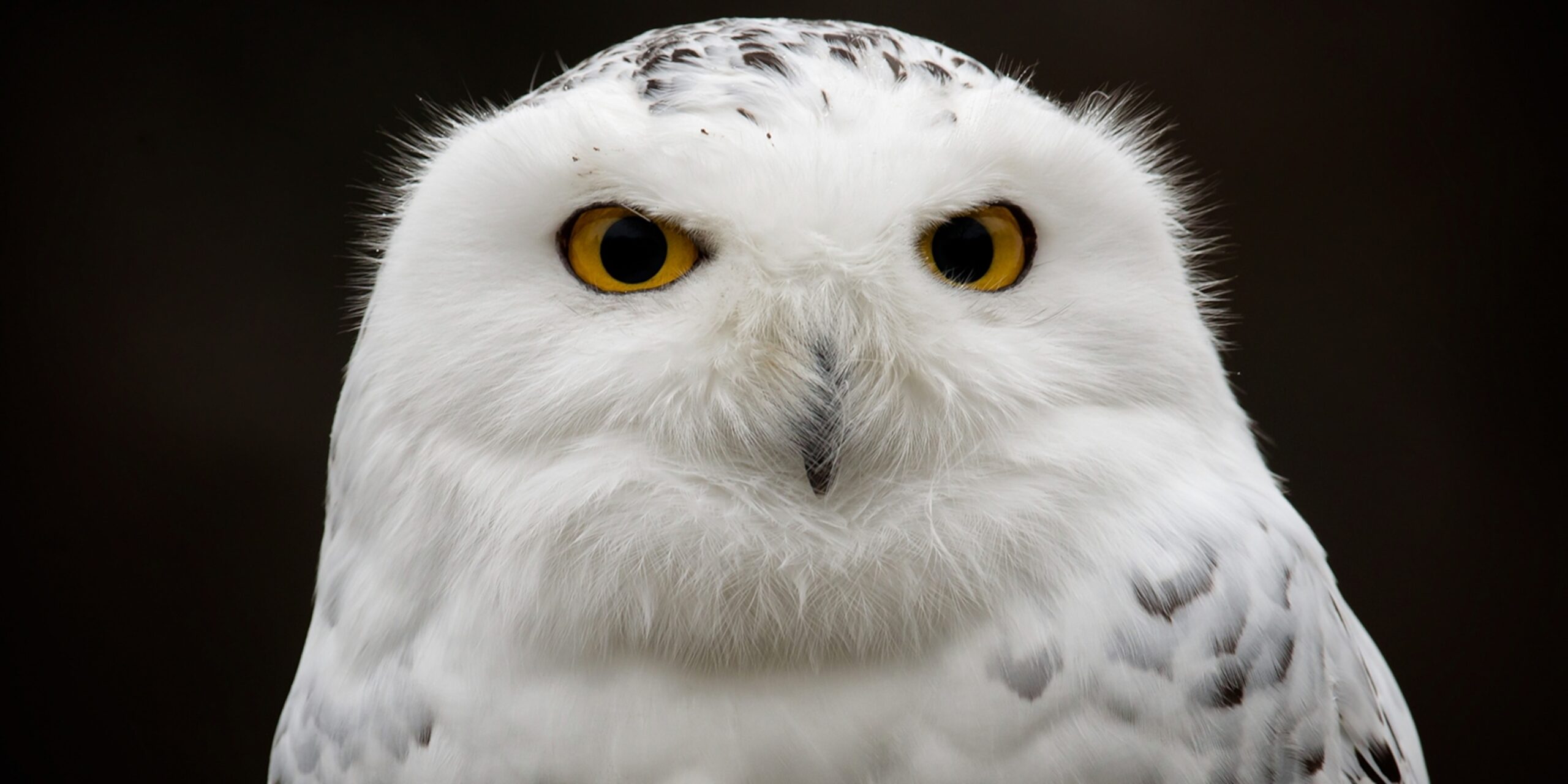
With their piercing golden eyes and snowy plumage, snowy owls are the Arctic’s most iconic predators. They are not merely hunters; they are ecological engineers, their presence shaping the behavior of prey species and influencing the distribution of nutrients across the landscape. Unlike their forest-dwelling cousins, snowy owls are diurnal, their hunting patterns dictated by the endless daylight of the Arctic summer. They perch on hummocks or drift low over the tundra, their keen senses attuned to the slightest movement—a vole scurrying through the sedges, a lemming tunneling beneath the snow.
Yet their diet is far more varied than conventional wisdom suggests. While lemmings and voles form the bulk of their prey, snowy owls are opportunists. They will take Arctic hares, ptarmigans, and even fish from the edges of meltwater pools. But what is often overlooked is their consumption of insects. In years when small mammal populations crash, insects become a critical fallback resource. A snowy owl’s ability to pivot from mammalian prey to insectivory is not just a survival tactic—it is a testament to the adaptability that has allowed these birds to thrive in one of the planet’s most unforgiving climates.
The Delicate Balance: How Insect Populations Shape Owl Behavior
The relationship between snowy owls and Arctic insects is a study in ecological reciprocity. When insect populations boom—whether due to a particularly warm summer or a reduction in predation pressure—owls adjust their hunting strategies. They may spend more time foraging in areas where insects congregate, such as near meltwater streams or in patches of flowering tundra plants. Their reproductive success can hinge on these fluctuations; a female owl raising chicks in a year of insect abundance may fledge more offspring than one struggling through a season of scarcity.
This dynamic is not static. Climate change is altering the Arctic at an unprecedented rate, and insects are among the first to respond. Warmer temperatures accelerate their life cycles, leading to population explosions in some species while pushing others to the brink. For snowy owls, this means a shifting menu, one that demands constant adaptation. A decline in a key insect species could force owls to travel farther in search of food, increasing their energy expenditure and reducing their reproductive output. Conversely, an influx of new insect species—some of which may be invasive—could disrupt the delicate balance of the tundra, creating ripple effects that are still poorly understood.
Climate Change: The Invisible Threat to a Hidden Partnership
The Arctic is warming at more than twice the rate of the global average, and the consequences are reverberating through every layer of its ecosystems. For insects, the changes are profound. Some species are expanding their ranges northward, while others are facing habitat loss as the permafrost melts and the tundra transforms into a patchwork of wetlands and shrublands. Snowy owls, already facing threats from habitat degradation and human disturbance, are caught in the crossfire. Their reliance on both mammalian prey and insects makes them particularly vulnerable to these shifts.
Consider the case of the Arctic woolly bear moth, whose larvae are a critical food source for snowy owls in certain regions. As temperatures rise, the moth’s range is contracting, and its populations are becoming more localized. Owls that once relied on these caterpillars must now travel greater distances or switch to less nutritious prey. The result is a cascade of consequences: reduced owl populations, increased competition among predators, and a weakening of the tundra’s resilience. This is not a distant threat—it is happening now, in real time, and it demands our attention.
Conservation in the Shadows: Protecting the Unseen
Protecting the Arctic’s insects and the snowy owls that depend on them requires a shift in perspective. Conservation efforts often focus on charismatic species or iconic landscapes, but the true health of an ecosystem lies in its smallest and most overlooked components. This means safeguarding the tundra’s microhabitats—wetlands, moss beds, and areas of dense vegetation—where insects thrive. It means monitoring the impacts of climate change not just on polar bears, but on the midges that swarm in their billions during the summer months. It means recognizing that the survival of the snowy owl is inextricably linked to the survival of the Arctic’s insect populations.
Efforts to mitigate climate change must also account for these hidden connections. Reducing carbon emissions is not just about saving polar ice; it is about preserving the intricate relationships that sustain life in the Arctic. Policymakers, scientists, and local communities must work together to ensure that the tundra’s insects—and the owls that rely on them—are not left behind in the race to adapt to a warming world. This is not a call for pity; it is a call for action, for recognition that every creature, no matter how small, plays a role in the grand tapestry of life.
The Broader Implications: Why This Connection Matters Beyond the Arctic
The story of snowy owls and Arctic insects is not confined to the tundra. It is a microcosm of a global challenge: the interconnectedness of all life and the fragility of the systems that support it. What happens in the Arctic does not stay in the Arctic. The insects that pollinate the tundra’s flowers may one day find their way south, carrying with them the genetic legacy of a changing climate. The snowy owl, a species that knows no borders, may become a harbinger of shifts in ecosystems worldwide.
This is a narrative that transcends species and geographies. It is a reminder that conservation is not just about saving the most visible or the most vocal creatures—it is about protecting the invisible threads that bind life together. The Arctic’s insects and its snowy owls are not just survivors; they are indicators, sentinels of a planet in flux. To ignore their story is to ignore the future of life itself.