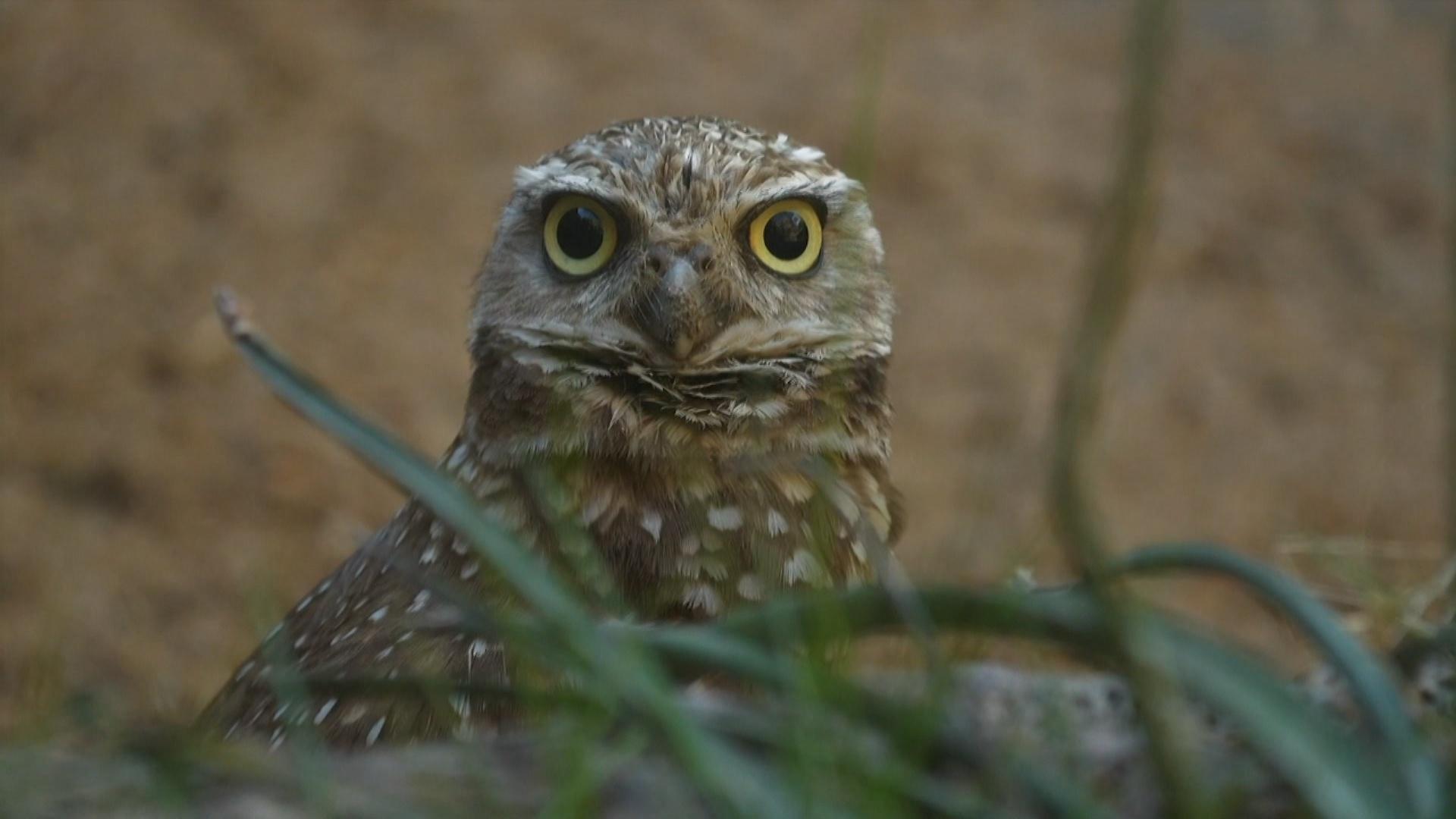
In a world swiftly morphing beneath the steel and glass of sprawling metropolises, the mystique of owls persists—enigmatic creatures once synonymous with dense forests and moonlit clearings. But how would these nocturnal hunters, epitomes of nature’s stealth and precision, adapt to a planet wholly urbanized? Imagining owls navigating the labyrinth of concrete jungles, fluorescent lights, and ceaseless human activity conjures a fascinating tapestry of evolutionary ingenuity, behavioral shifts, and ecological recalibrations. This exploration delves into the possible adaptations that would enable owls not only to survive but to thrive amidst the towering silhouettes of cities.
Echolocation Refinement: Navigating the Urban Acoustics
Owls already possess remarkably acute hearing, a trait vital for hunting in darkness. In an urbanized environment flooded with a cacophony of human-generated sounds—from the persistent hum of traffic to the clattering of machinery—owls would likely undergo a remarkable evolutionary tweak in their auditory systems. A refined echolocation ability, somewhat reminiscent of bats’ sophisticated sonar, could emerge to complement their existing sound localization skills. This adaptation would allow owls to discern subtle acoustic cues amid urban noise pollution, distinguishing the flutter of a city-dwelling rodent from the background din.
Acoustic filtering might also become paramount—specialized auditory filters could evolve in owl anatomy, enabling these birds to isolate important sounds by frequency bands. Their silent flight, already a marvel achieved through finely serrated wing feathers, could also serve an amplified role in allowing owls to glide soundlessly beneath the rumbling urban soundscape, making them stealthier hunters amidst neon-lit alleys and shadowed rooftops.
Dietary Plasticity: From Forest Prey to Urban Opportunists
Traditional forest owls primarily hunt small mammals, insects, and occasionally frogs or birds. On an urbanized planet, the dietary palette would dramatically widen, requiring owls to become culinary chameleons. Rodent populations—prolific within city limits—would naturally form the cornerstone of this new diet. However, cities host a cacophony of potential prey, including urban-adapted birds, insects thriving in streetlights, and even human-associated refuse, which can harbor various invertebrates.
Owls might develop a pronounced proclivity for exploiting these novel food resources, honing versatile hunting strategies to capture rats scurrying beneath subway grates or sparrows darting between high-rises. Dietary plasticity would become a strong driver in their survival, ensuring caloric needs are met despite fluctuating availability of traditional prey species. These shifts could lead to physiological changes in digestive enzymes or beak morphology that better accommodate the urban smorgasbord.
Visual Adaptations: Seeing Through Artificial Light
Owls are celebrated for their exceptional night vision, a trait optimized for dim, natural environments. Urban centers, however, are awash with relentless artificial light, often disrupting natural light-dark cycles and challenging animals adapted to darkness. Owls would consequently face a conundrum: how to maintain their nocturnal edge when nights are brightened by electric illumination, street lamps, neon signs, and constant human activity.
Potential adaptations could include a recalibration of retinal photoreceptors, increasing tolerance to light to avoid glare while still preserving low-light sensitivity. Alternatively, some owl populations may adapt crepuscular or even diurnal behaviors, adjusting their hunting times to early mornings or late afternoons to circumvent intense midday glare and city phosphene effects. These shifts would have profound implications for their circadian rhythms and metabolic strategies, possibly facilitating coexistence with human diurnal patterns.
Habitat Flexibility: Redefining Territory in a Vertical World
Forests and woodlands have traditionally been the cradle for owl habitat—quiet, layered environments abundant with nesting cavities in trees and cloistered roosts. In an urbanized realm, owls would be compelled to reconceive their notion of “home.” Skyscrapers, abandoned buildings, bridges, and other urban structures could furnish alternative nesting sites, substituting hollow trunks with ledges, eaves, or hidden niches in architectural crevices.
Territorial behaviors might transform as well; whereas forest-dwelling owls defend broad expanses of dense habitat, city-dwelling owls might tolerate closer neighbor proximity owing to spatial constraints. This compressed territoriality could foster more complex social dynamics, including cooperative roosting or even communal nesting—a radical departure from the predominantly solitary nature of many owl species.
Behavioral Plasticity: Embracing Human Presence
Urban wildlife must negotiate the ubiquitous presence of humans: a challenge fraught with peril and opportunity. Owls adapting to fully urbanized settings would likely exhibit increased behavioral plasticity, learning to decode and anticipate human patterns. They might adopt crepuscular hunting schedules aligning with reduced pedestrian presence or exploit urban waste products for sustenance.
Moreover, these owls could develop tolerance or even symbiotic relationships with humans—capitalizing on urban green spaces, community gardens, or bird feeders indirectly hosting prey species. Their stealth and enigmatic allure could evoke human fascination, fostering nascent conservation attitudes even within city confines. Behavioral innovations may include modified vocalizations adapted to reverberant environments or altered flight paths maximizing safe passage through narrow urban corridors.
Physiological Enhancements: Coping with Pollution and Environmental Stressors
The urban milieu imposes myriad physiological challenges—chemical pollutants, fluctuating temperatures due to heat island effects, and unpredictable weather patterns influenced by microclimates. Owls thriving in such environments would necessitate evolved detoxification mechanisms, heightened tolerance to airborne toxins, and improved thermoregulation capabilities.
Detoxification might manifest through augmented liver enzyme systems capable of breaking down urban contaminants, while insulating plumage could evolve greater resistance to pollutants and particulate accumulation. Furthermore, thermoregulatory adaptations would be crucial, perhaps through altered blood flow dynamics or feather structure enabling more efficient heat dissipation during hot urban summers.
Ecological Impacts: Owls as Urban Apex Predators
In a fully urbanized ecosystem, owls could occupy pivotal roles as apex or mesopredators, regulating populations of rodents and other small urban fauna. Their predation would contribute to pest control, potentially reducing disease vectors and enhancing urban ecological balance. This could lead to intricate food web dynamics unique to urban ecosystems, where owls mediate competition among smaller predators such as feral cats or raccoons.
Their presence would also influence human perceptions of urban nature, acting as a charismatic indicator species reminding city dwellers of the persistence and resilience of wildlife. In turn, these dynamics might inspire urban planning that integrates green corridors, nesting supports, and reduced light pollution, fostering coexistence.
The vision of owls mastering the urban labyrinth is both a testament to the relentless spirit of nature and a clarion call for mindful stewardship. These nocturnal sentinels, adapting in ways both subtle and profound, would become emblematic of a planet where wilderness and human innovation intertwine, forever reshaping the nocturnal soundscape of our cities.