
What if the silent sentinels perched upon the crests of medieval warriors were not merely decorative flourishes, but living emblems of unspoken power? The owl, that nocturnal philosopher of the animal kingdom, has long gazed from the heraldic canvases of coats of arms with an air of quiet authority. Its presence is not accidental—it is a deliberate invocation of wisdom, protection, and even subversive insight. But what happens when such a symbol, steeped in patriarchal tradition, is reclaimed by modern narratives that demand equity and reinterpretation? Let us embark on a journey through the shadowed corridors of heraldry, where the owl’s gaze pierces through centuries of gendered symbolism to reveal a story far more complex than mere ornamentation.
Ecology & Environmental Science
The Spotted Owl’s Role in Controlling Rodent Populations
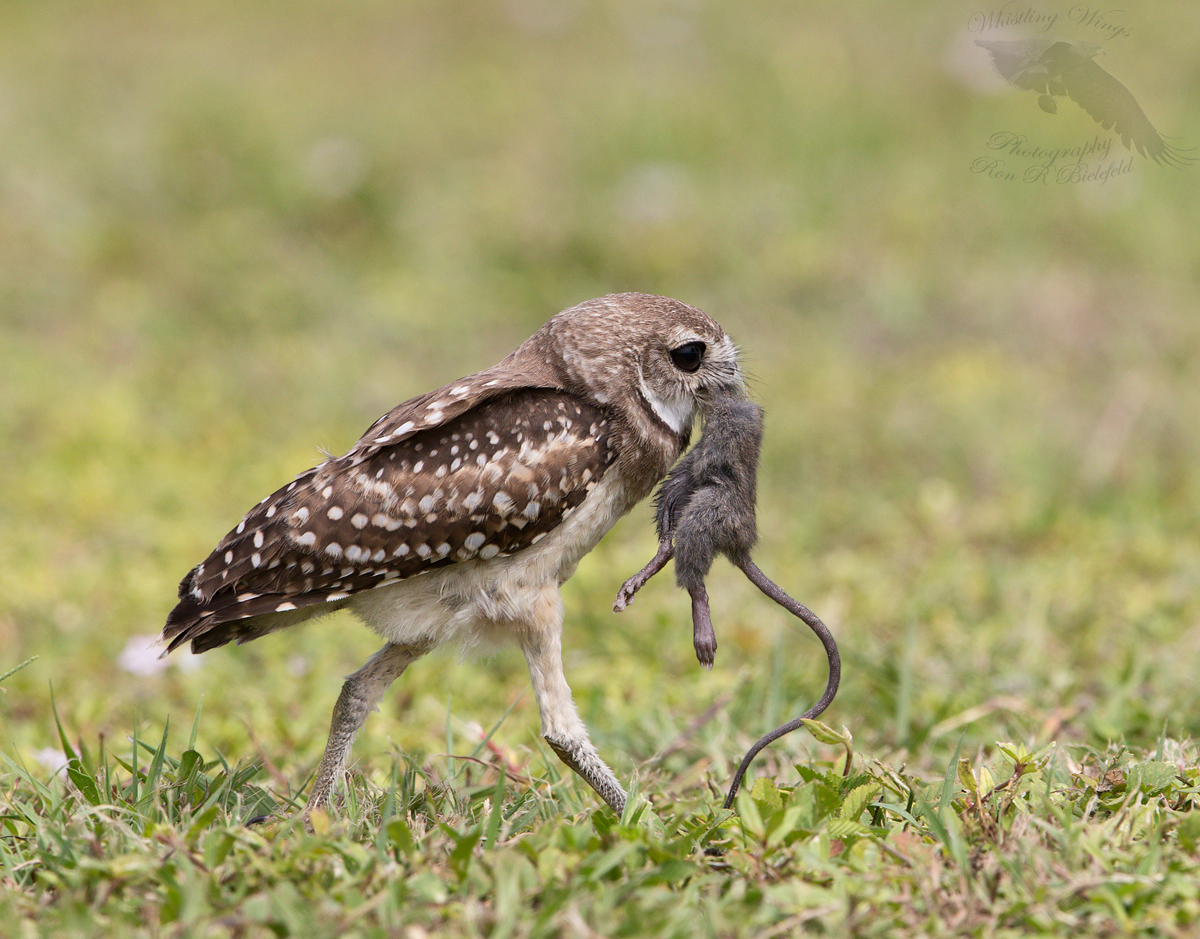
In the quiet depths of old-growth forests, where the canopy filters sunlight into dappled mosaics on the forest floor, the spotted owl glides almost invisibly through the twilight. Its haunting calls and silent flight have long captured the imagination of nature enthusiasts and scientists alike. But beyond their enigmatic presence lies a crucial ecological role—one that extends far beyond mere fascination. The spotted owl is a keystone predator in its habitat, a vigilant sentinel that helps regulate rodent populations and maintain the delicate balance of forest ecosystems. To truly appreciate this remarkable bird, one must look beyond its ghostly allure to understand the intricate web of interactions that define its existence and its influence on the environment.
The Impact of Arctic Ocean Warming on Coastal Snowy Owl Populations
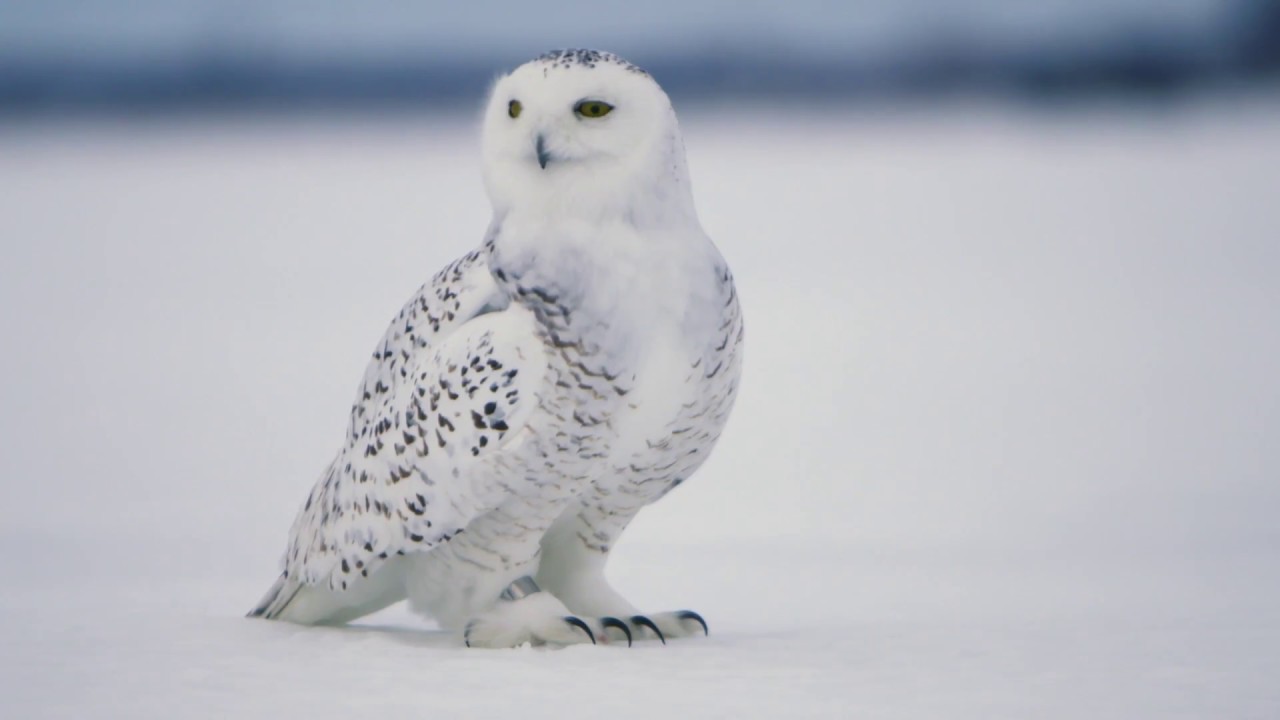
The Arctic, a realm of eternal ice and whispering winds, is undergoing a transformation so profound that even its most resilient inhabitants are being forced to adapt—or perish. Among these creatures, the snowy owl, a symbol of Arctic resilience and untamed beauty, finds itself at the mercy of a rapidly warming ocean. The once-predictable rhythms of ice and snow are fracturing, and the snowy owl, a creature of the frozen tundra, is paying the price. This is not merely a story of melting ice; it is a tale of ecological upheaval, of survival, and of the delicate balance that sustains life in one of Earth’s most extreme environments.
How Genetic Research Is Unlocking Barred and Spotted Owl Secrets
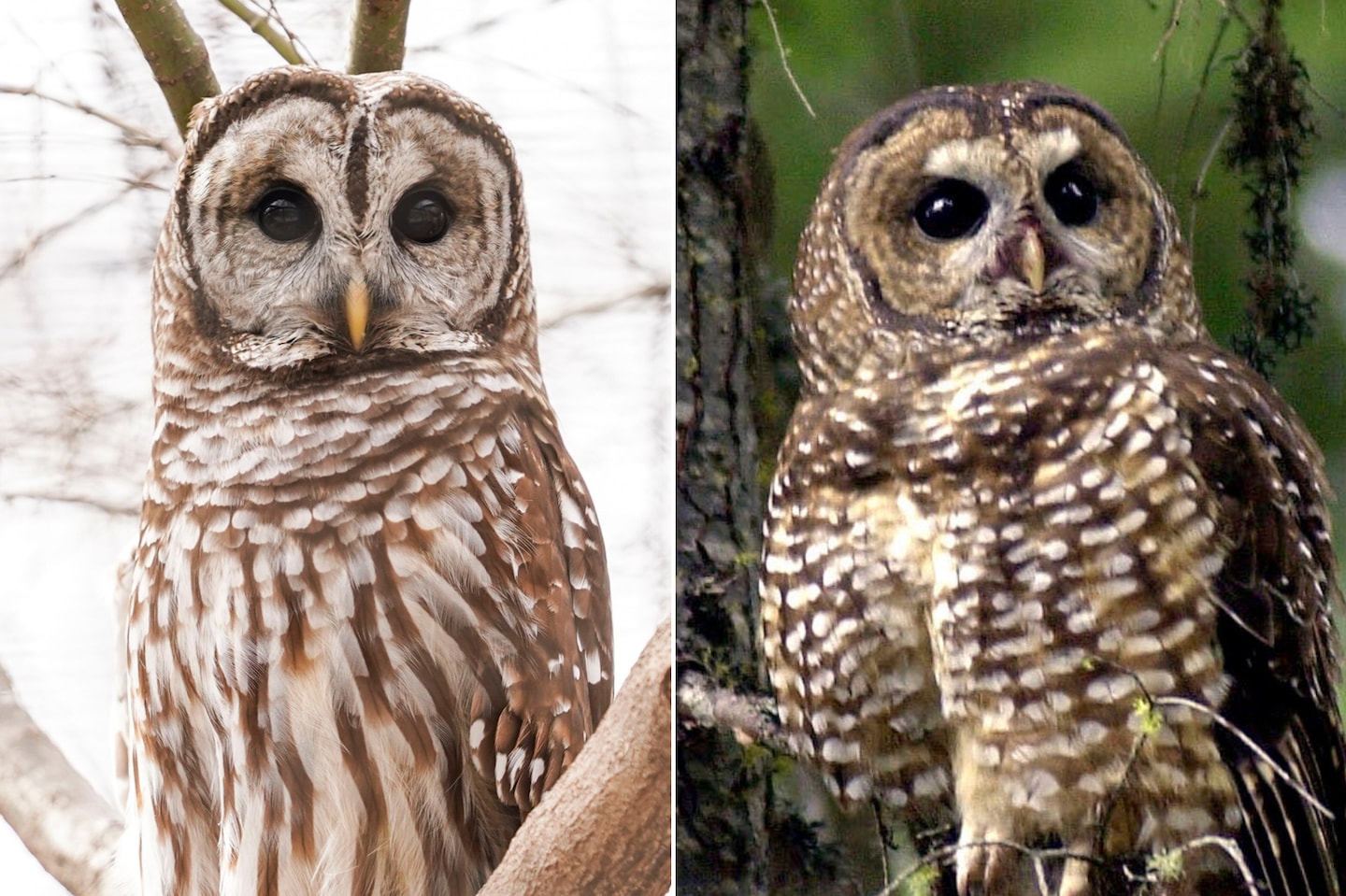
Could the answer to preserving one of North America’s most vulnerable raptors lie hidden deep within their DNA? The enigmatic dance between barred and spotted owls has long captivated ecologists, yet it also poses an intricate conservation puzzle. As these avian neighbors vie for survival, genetic research emerges as a beacon, illuminating secrets that could shape the future of both species and the ecosystems they inhabit. But how exactly does peering into the genetic code unravel the intertwined destinies of barred and spotted owls, and what challenges does this reveal for conservationists striving to tip the balance toward coexistence?
The Impact of Barred Owls on Spotted Owl Populations: A Scientific Review
The delicate balance of ecosystems often hinges on the survival of a single species. In the dense, mist-laden forests of the Pacific Northwest, the spotted owl—a symbol of biodiversity and environmental health—faces an unprecedented threat: the encroachment of the barred owl. This scientific review delves deep into the complex and multifaceted impact barred owls exert on spotted owl populations, weaving together ecological insights, behavioral studies, and conservation challenges. Readers can expect a comprehensive exploration grounded in rigorous research, illuminated by ecological theory, and imbued with the urgency this issue demands.
Snowy Owls and Migratory Birds: Competition for Food in a Warming Arctic
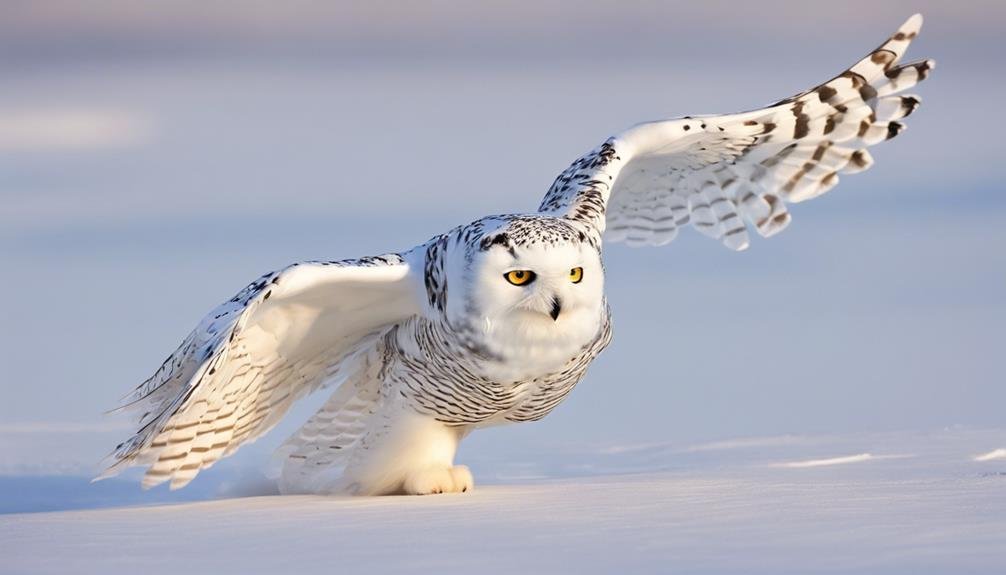
The Arctic is a realm of stark contrasts—a frozen expanse where the sun either blazes or vanishes for months, where life clings to the edge of survival with tenacious grace. Here, the snowy owl, a ghostly sentinel of the tundra, shares the sky with a kaleidoscope of migratory birds, each vying for the same fragile sustenance. As the Arctic warms, this delicate balance frays, unraveling into a fierce competition for food that tests the very resilience of its inhabitants. The story of snowy owls and migratory birds is not merely one of survival—it is a testament to the raw, unyielding spirit of life in the face of adversity, a dance of predator and prey where every meal is a hard-won victory.
The Role of Arctic Conservation NGOs in Protecting Snowy Owls
The Arctic, a realm of stark beauty and fragile balance, is home to one of nature’s most enigmatic predators: the snowy owl. With its piercing golden eyes and snowy plumage, this bird of prey has long captivated the imagination of scientists and dreamers alike. Yet, beneath its majestic exterior lies a story of survival—one that is increasingly threatened by the relentless march of climate change and human encroachment. Enter the unsung heroes of Arctic conservation: non-governmental organizations (NGOs). These tireless advocates are not merely preserving habitats; they are rewriting the narrative of coexistence between humanity and the wild. Their work is a testament to the power of collective action, where every policy shift and every protected acre is a step toward a future where snowy owls soar unshackled by the specter of extinction.
Owls in Photography: Capturing Their Beauty Behavior and Habitats
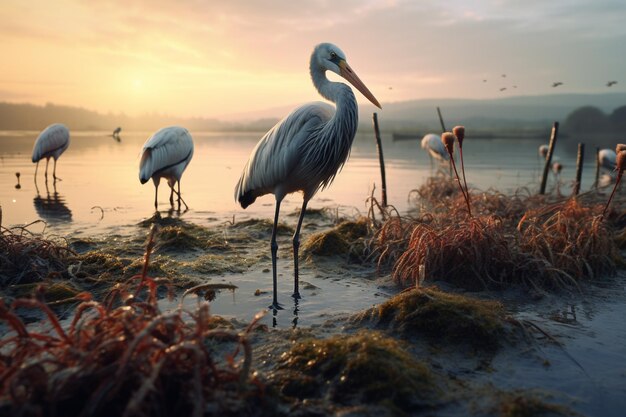
Have you ever paused mid-scroll to marvel at an owl’s gaze—those golden, luminous eyes that seem to pierce through the very fabric of the screen? In the realm of photography, owls are not merely subjects; they are enigmatic muses, their silent wings and piercing stares evoking a sense of ancient wisdom and untamed mystery. Yet, capturing their essence is no simple feat. It demands patience, intuition, and an almost symbiotic understanding of their nocturnal world. What if we told you that behind every breathtaking owl photograph lies a story of perseverance, serendipity, and the delicate balance between human curiosity and avian dignity?
The Impact of Logging on Spotted Owl Habitats: A Historical Analysis
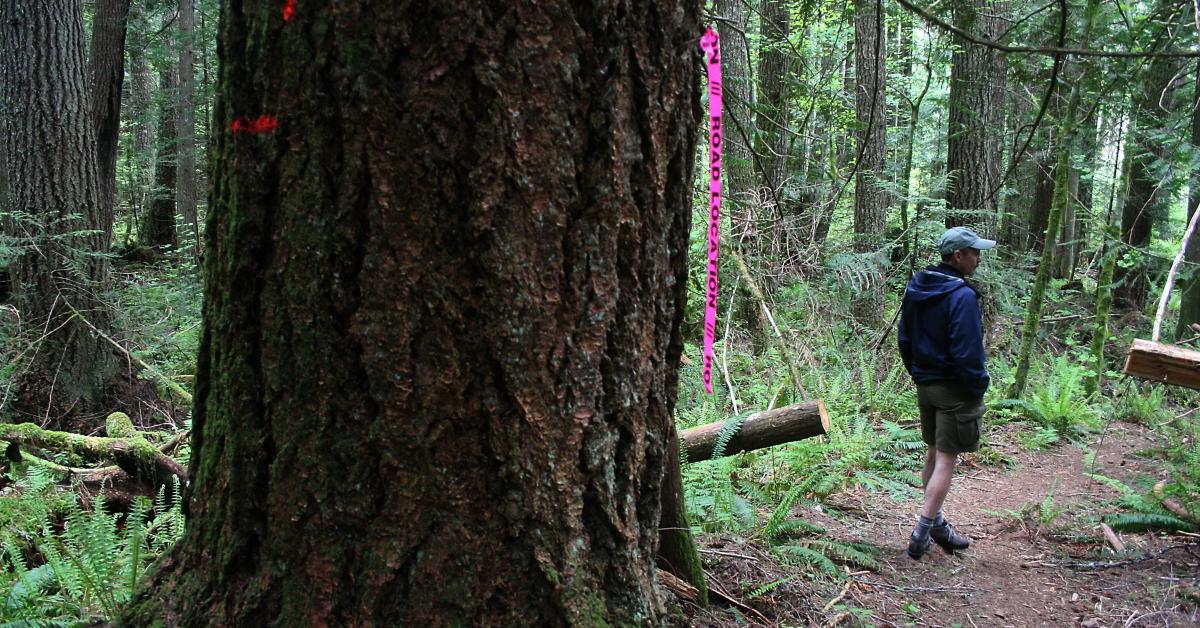
The story of the spotted owl is a poignant chronicle etched deep into the ancient forests of North America—a tale of resilience, fragility, and the devastating consequences wrought by humankind’s insatiable hunger for timber. Like a delicate phantom navigating a shadowy realm, the spotted owl has thrived for millennia in the cathedral-like canopies of old-growth habitats. Yet, as the blades of saws cut deeper into these verdant sanctuaries, the owl’s existence unspools under an ominous threat. The impact of logging on spotted owl habitats is a complex tapestry woven with ecological, socio-political, and environmental threads, each demanding meticulous exploration to truly grasp the gravity of this plight.
How Long-Eared Owls Are Influencing Rodent Populations in Their Habitats
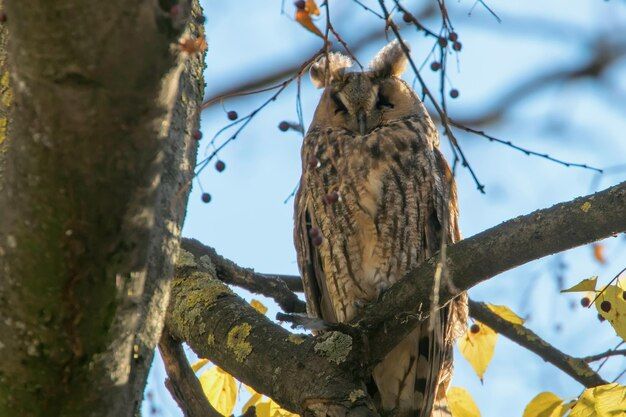
In the hushed twilight of nocturnal ecosystems, where the boundaries between predator and prey blur into a dance of survival, the long-eared owl emerges as a silent architect of ecological balance. These enigmatic birds, with their feathered “horns” and piercing amber gaze, are not merely inhabitants of the night—they are the unseen regulators of rodent populations, their presence a testament to nature’s intricate web of checks and balances. But what happens when these winged sentinels falter? The consequences ripple through the underbrush, reshaping the very fabric of their habitats. This is the story of how long-eared owls, often overlooked in the grand tapestry of biodiversity, hold the power to redefine the dynamics of rodent control, and why their conservation is not just an ecological imperative but a narrative of resilience against the tides of environmental change.