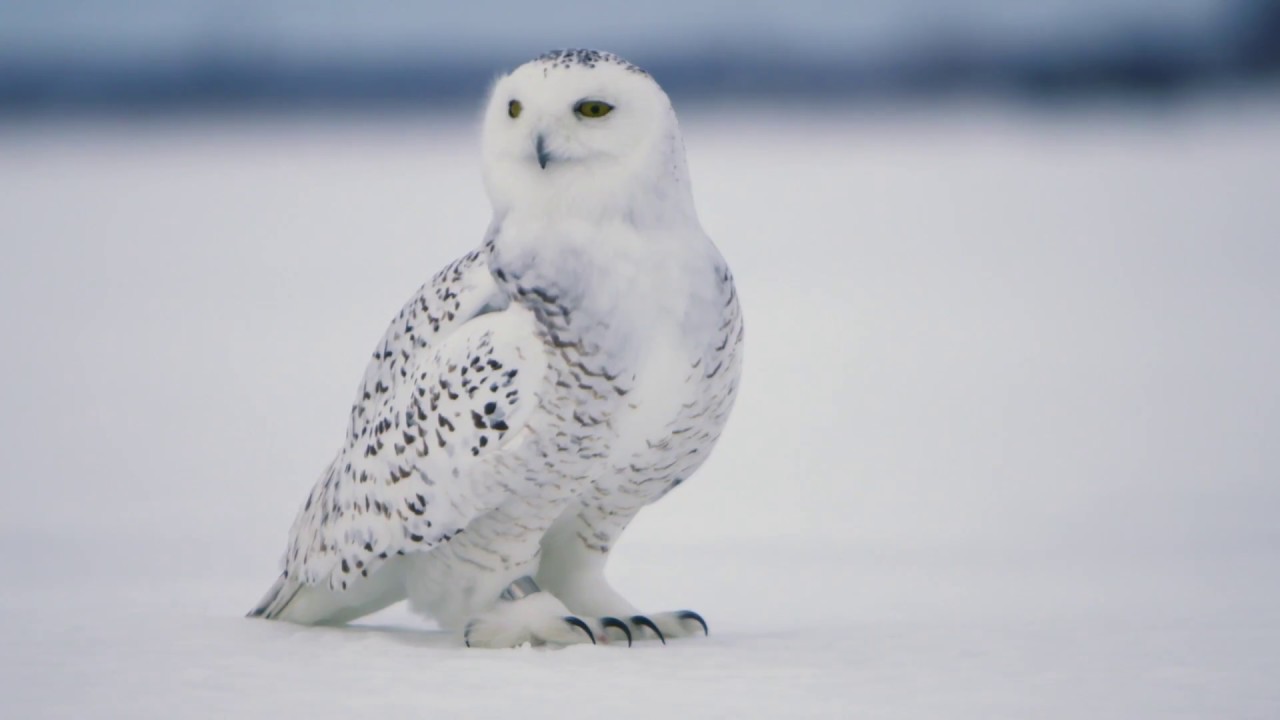
The Arctic, a realm of eternal ice and whispering winds, is undergoing a transformation so profound that even its most resilient inhabitants are being forced to adapt—or perish. Among these creatures, the snowy owl, a symbol of Arctic resilience and untamed beauty, finds itself at the mercy of a rapidly warming ocean. The once-predictable rhythms of ice and snow are fracturing, and the snowy owl, a creature of the frozen tundra, is paying the price. This is not merely a story of melting ice; it is a tale of ecological upheaval, of survival, and of the delicate balance that sustains life in one of Earth’s most extreme environments.
The Vanishing Ice: A Habitat in Freefall
The Arctic Ocean, once a fortress of ice, is now a landscape in flux. The relentless march of climate change has stripped away vast swaths of sea ice, a critical component of the snowy owl’s habitat. These owls, dependent on the frozen expanse for hunting and nesting, are now confronted with a stark reality: their home is disappearing beneath their talons. The ice, once a stable platform, is now a fragmented mosaic, forcing the owls to navigate an increasingly treacherous terrain. Where once they could rely on the predictability of the ice, they now face a world where the ground beneath them is shifting—literally.
This loss of ice is not just a physical transformation; it is a disruption of an entire ecosystem. The snowy owl’s primary prey, lemmings and other small mammals, thrive in the cold, stable conditions of the Arctic tundra. As the ice retreats, so too does the habitat of these prey species, leaving the owls with dwindling food sources. The result is a domino effect: less ice means fewer lemmings, which means hungrier owls. The Arctic is no longer the land of plenty it once was, and the snowy owl is paying the price for this ecological imbalance.
Shifting Prey Dynamics: The Lemming Paradox
The relationship between the snowy owl and its prey is a delicate dance, one that has evolved over millennia. Lemmings, those small, unassuming rodents, are the lifeblood of the Arctic ecosystem. Their populations boom and bust in cycles, and the snowy owl has adapted to these fluctuations with remarkable precision. But as the Arctic warms, these cycles are becoming erratic. Warmer winters, reduced snow cover, and unpredictable weather patterns are disrupting the lemming’s reproductive success. Fewer lemmings mean fewer meals for the owls, and in a world where survival is already precarious, this is a death sentence.
Yet, the lemming paradox runs deeper. In some regions, the warming of the Arctic has led to an explosion of lemming populations, a temporary boon for the snowy owl. But this abundance is a double-edged sword. When lemmings become too numerous, they overgraze their habitat, leading to a crash in their numbers the following year. The snowy owl, which relies on these rodents for sustenance, is left scrambling to find alternative food sources. The Arctic is no longer a predictable place, and the snowy owl’s once-reliable hunting grounds are now a gamble.
Migration and Adaptation: The Owl’s Desperate Gambit
In the face of such adversity, the snowy owl is being forced to adapt. Some populations are migrating southward, seeking refuge in regions where the ice still holds strong. But this is not a simple solution. The snowy owl is a creature of the Arctic, adapted to its harsh conditions. The temperate climates of the south offer little respite; they are unfamiliar, unpredictable, and often hostile. The owls that venture southward face new predators, unfamiliar prey, and a landscape that is fundamentally different from the one they evolved to inhabit.
Others remain in the Arctic, clinging to the remnants of their frozen world. These owls are forced to adapt in other ways—changing their hunting strategies, expanding their diets to include birds and fish, or even scavenging. But these adaptations come at a cost. The snowy owl is a specialist, finely tuned to its environment. When it is forced to become a generalist, it loses the edge that once made it a formidable predator. The Arctic is no longer a place where the snowy owl can thrive; it is a place where it must merely survive.
The Human Hand: A Catalyst for Change
It is impossible to discuss the plight of the snowy owl without acknowledging the role of human activity in this crisis. The warming of the Arctic Ocean is not a natural phenomenon; it is a direct result of human-induced climate change. The burning of fossil fuels, the destruction of habitats, and the relentless pursuit of industrial growth have all contributed to the destabilization of the Arctic ecosystem. The snowy owl, once a symbol of the Arctic’s untouched beauty, is now a victim of our collective actions.
Yet, this is not a story without hope. The plight of the snowy owl is a stark reminder of the fragility of our planet and the urgent need for action. By reducing our carbon footprint, protecting critical habitats, and advocating for policies that prioritize the health of the Arctic, we can begin to reverse the damage we have caused. The snowy owl does not need our pity; it needs our action. It is a call to arms, a reminder that the Arctic is not just a distant, frozen wasteland—it is a vital part of our planet’s ecosystem, and its survival is intertwined with our own.
The Future of the Snowy Owl: A Race Against Time
The snowy owl’s future hangs in the balance, a delicate thread between survival and extinction. The Arctic Ocean, once a sanctuary of ice and snow, is now a battleground. The owls that remain are fighting for their lives, adapting to a world that is no longer their own. But their struggle is not just their own—it is a reflection of the broader crisis facing our planet. The melting ice, the shifting prey dynamics, the desperate migrations—all are symptoms of a larger, more insidious problem.
As we stand on the precipice of ecological collapse, the snowy owl serves as a poignant reminder of what is at stake. It is a creature of resilience, of beauty, and of the wild. But it is also a creature of vulnerability, a symbol of the fragility of life in the face of human-induced change. The Arctic is not just a place of ice and snow; it is a place of wonder, of mystery, and of life. And if we do not act now, we may lose it forever.