Venturing into the frosted realms where snowy owls silently glide awakens a sense of wonder and curiosity that few encounters in nature can rival. Snowy owl watching with kids is more than a simple outdoor activity; it promises a transformation in how we perceive the wilderness and our connection to the creatures that inhabit it. This enchanting pursuit offers layers of discovery, education, and joy—intertwining moments of awe with profound learning opportunities. Engaging children in this magnificent avian spectacle invites them to see the world through a different lens, cultivating respect and fascination for wildlife in ways that textbooks alone cannot achieve.
The Enchanting World of Snowy Owls: An Introduction to Their Mystique
Snowy owls, with their ghostly white feathers and piercing eyes, epitomize the mystique of the Arctic tundra. They are a living testament to resilience and adaptation in one of the planet’s harshest climates. Introducing children to these regal birds sparks not only admiration but an insatiable curiosity about Arctic ecosystems and the delicate balance of nature. Understanding their seasonal migration patterns, their hunting prowess, and unique behaviors opens a portal into a world seldom experienced firsthand, weaving natural history with storytelling that captivates imaginations young and old.
Preparing for the Adventure: Tools and Tips for Successful Owl Watching
Tangible preparation can turn a simple outing into a captivating quest. Equipping children with binoculars tailored for small hands, bird identification guides enlivened with vivid illustrations, and notebooks for sketching or jotting observations empowers them to become active participants rather than passive observers. Dressing warmly and scheduling excursions during early mornings or twilight hours, when snowy owls are most active, enhances the chances of sightings. The anticipation fostered by preparation ignites enthusiasm and teaches children the virtues of patience, discipline, and respect for wildlife habitats.
Crafting Connections: Engaging Activities to Deepen Appreciation
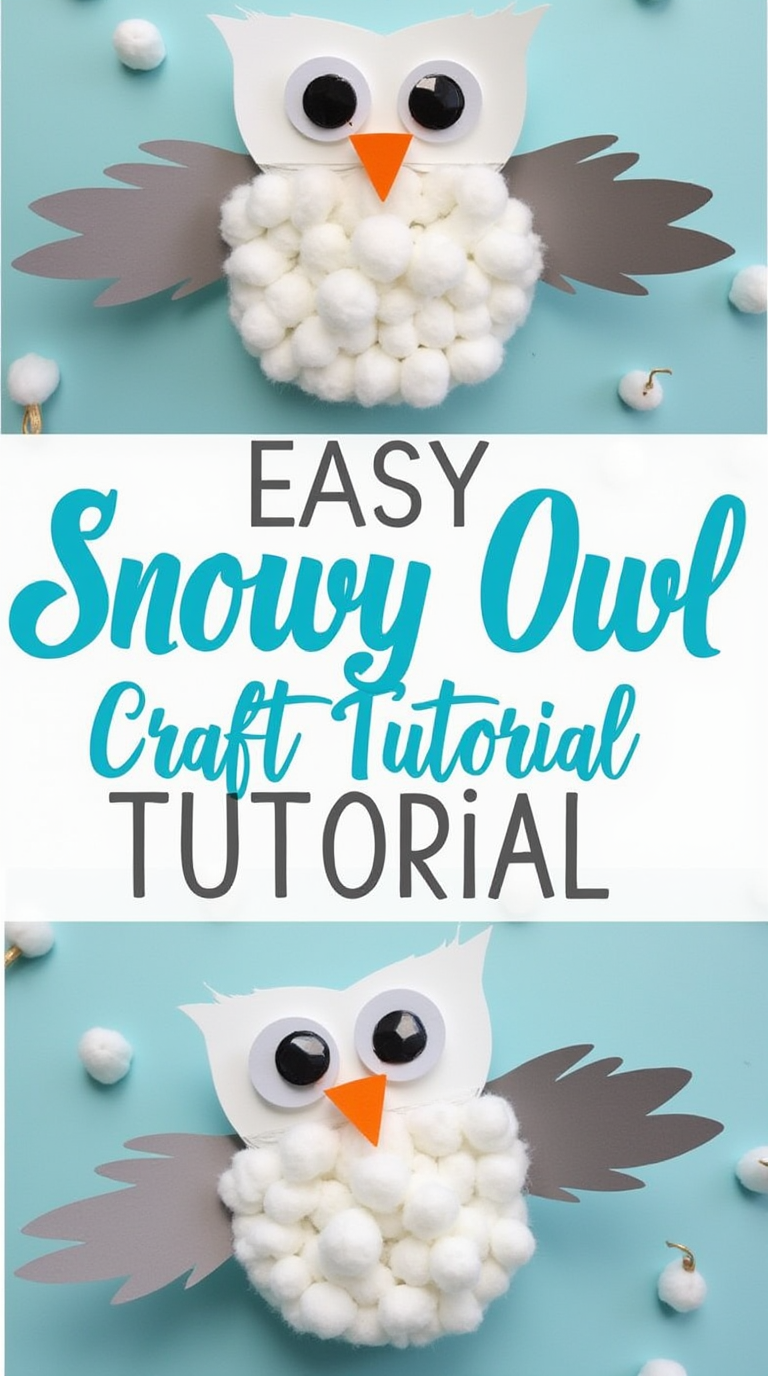
Snowy owl watching extends beyond eyesight. Complementing the experience with creative activities helps imprint lasting memories. Craft projects, such as designing snowy owl masks or constructing feathered models with simple household materials, transform abstract concepts into tactile, personal creations. These endeavors inspire tactile engagement, linking art with natural history, and provoke questions about texture, color adaptation, and the function of feathers in insulation and flight. Story circles where kids narrate their imagined snowy owl adventures encourage empathy and narrative skills, cementing emotional links with these majestic birds.
Science Meets Wonder: Educational Lessons Woven into Exploration
Field observation serves as fertile ground for scientific inquiry. Guiding children to note behavioral patterns—such as head bobbing, flight dynamics, or prey capture techniques—introduces foundational scientific methods in an organic, playful context. Lessons on ecosystems, food chains, and conservation become tangible as kids witness the snowy owl’s role within Arctic habitats. Hypothesis formation and data recording stimulate analytical thinking, while discussions about environmental threats nurture stewardship and ethical consciousness. This harmonious blend of wonder and rational inquiry nurtures a lifelong passion for science and nature.
Sharing the Experience: Building Community through Storytelling and Social Interaction
Snowy owl viewing can be a conduit for collaboration and community building. Sharing stories about sightings, exchanging craft ideas, or collectively researching owl trivia encourages social bonds and communication skills. Hosting small group expeditions or virtual meet-ups allows children to compare observations and respect diverse perspectives. These shared experiences bolster confidence and forge friendships rooted in a mutual love for wildlife, highlighting how nature can bridge gaps and inspire collective responsibility to protect fragile ecosystems.
Respect and Conservation: Instilling Lifelong Values
Watching snowy owls offers a poignant opportunity to introduce children to broader themes of conservation and ethical wildlife interaction. Teaching the importance of observing from a distance without disturbing the birds’ natural behaviors underscores respect for animal autonomy. Conversations about habitat loss, climate change, and human impact challenge children to think globally and act locally. Empowering them with knowledge about how simple actions—like supporting wildlife organizations or reducing waste—can ripple outward instills a sense of agency. These lessons plant the seeds for future conservationists and compassionate environmental stewards.
Bringing the Arctic Home: Continued Learning Beyond the Field
Snowy owl watching need not end when the daylight fades or the outing concludes. Encouraging families to explore books, documentaries, and interactive online resources about snowy owls keeps the flame of curiosity burning bright. Indoor activities, such as tracking seasonal migration patterns on maps or exploring Arctic folklore related to these birds, broaden learning horizons. This sustained engagement enriches children’s understanding and appreciation, nurturing a holistic worldview that recognizes our interconnectedness with distant and extraordinary environments.
Embarking on snowy owl watching journeys with children offers an experience steeped in enchantment, education, and empathy. It invites a transformative shift in perspective—encouraging us to slow down, observe intently, and marvel at the extraordinary lives unfolding quietly in the snowy wilderness. This activity is a gateway to a more profound relationship with nature, planting the enduring joys of discovery, creativity, and conservation in young hearts and minds.