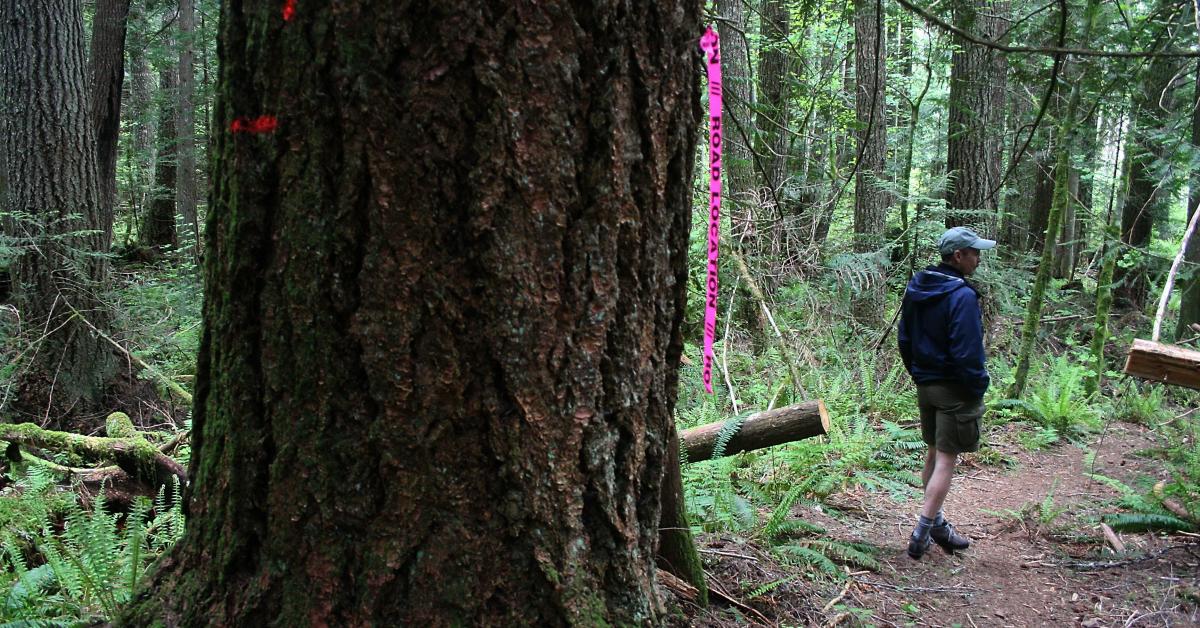
The story of the spotted owl is a poignant chronicle etched deep into the ancient forests of North America—a tale of resilience, fragility, and the devastating consequences wrought by humankind’s insatiable hunger for timber. Like a delicate phantom navigating a shadowy realm, the spotted owl has thrived for millennia in the cathedral-like canopies of old-growth habitats. Yet, as the blades of saws cut deeper into these verdant sanctuaries, the owl’s existence unspools under an ominous threat. The impact of logging on spotted owl habitats is a complex tapestry woven with ecological, socio-political, and environmental threads, each demanding meticulous exploration to truly grasp the gravity of this plight.
The Ancient Forests: Cradles of Biodiversity and the Spotted Owl’s Domain
Old-growth forests are nature’s libraries—repositories of ancient knowledge embodied in towering trees, spiraling mosses, and whispering leaves. These forests are labyrinthine kingdoms where the spotted owl reigns as an enigmatic sentinel of biodiversity. Unlike younger, secondary growth forests, these ecosystems present intricate layers of vegetation, decaying logs, and a mosaic of microhabitats that provide unrivaled shelter and foraging grounds for the owl.
Spotted owls are quintessentially species of these archaic realms. Their survival hinges on the structural complexity of mature forests. The owls depend upon large cavities for nesting, dense canopy cover for protection against predators, and a rich understory bustling with prey species such as flying squirrels and woodrats. This dependency transforms their existence into an ecological barometer—an index measuring the health and continuity of old-growth forests.
Logging: The Iron Blade Cutting Through Time and Habitat
Commercial logging operates not merely as an industry, but as an aggressive force that cleaves through centuries of forest growth with the swiftness of a tempest. The advancement of mechanized saws and clear-cut techniques in the 20th century exponentially accelerated habitat destruction. Each felled tree is not just wood removed from the landscape—it is a fragment of a complex web severed, a breath lost from the forest’s body.
Logging reduces forest stands to fragmented islands, stripping away the contiguous canopy cover vital for the spotted owl’s survival. This fragmentation dismantles ecological corridors, isolating owl populations and severely compromising genetic diversity. Moreover, the removal of large, old trees eliminates suitable nesting sites, forcing owls into precarious territories where competition intensifies and predation risks escalate.
Ecological Ramifications: Beyond Habitat Loss
The ravages of logging ripple far deeper than mere habitat attrition. They stir a cascade of ecological upheavals. The disruption of forest structure alters microclimates—raising temperatures, changing humidity regimes, and modifying wind patterns. These subtle clime shifts affect prey availability and reproductive behaviors of the spotted owl.
Compounding these pressures is the introduction of invasive species and the encroachment of competitors adapted to disturbed landscapes, such as the barred owl. The barred owl, more aggressive and versatile, has expanded its range into the spotted owl’s territory, sharping a knife edge upon their survival by outcompeting them for scarce resources. Thus, logging not only dismantles habitat but unintentionally facilitates biotic invasions that further imperil the spotted owl.
Historical Conservation Efforts: Battlegrounds of Ecology and Economy
The historical narrative of logging and spotted owl habitat protection is a microcosm of larger conflicts between economic development and environmental stewardship. In the late 20th century, the spotted owl emerged as a charismatic emblem for conservationists seeking to halt unrestrained logging. Legal protections, such as the listing of the spotted owl under the Endangered Species Act, galvanized political and public support for old-growth preservation.
Yet, these measures have often been met with fierce resistance from logging communities and industries, framing the battle as a zero-sum game between livelihoods and species preservation. The historical tussle has involved lawsuits, policy shifts, and significant economic repercussions, revealing the complexity of reconciling ecological imperatives with human economic dependencies.
The Unique Appeal of the Spotted Owl: A Symbol of Wilderness and Balance
More than just a bird, the spotted owl embodies the tranquil majesty and delicate equilibrium of old-growth ecosystems. Its melancholic calls echo through shaded groves, invoking an almost mythic connection to wild places untouched by human haste. This owl’s mystique lies in its specificity—its life bound intricately to the ancient forest’s pulse, making it a sentinel for environmental integrity.
Protecting the spotted owl transcends mere species conservation; it is an endeavor to preserve the very sanctity of wilderness. It calls upon society to value longevity over expediency, complexity over simplification, and coexistence over conquest.
Looking Forward: Adaptive Strategies and Hope for Coexistence
The road ahead is formidable but not devoid of hope. Emerging conservation strategies blend rigorous forest restoration, habitat corridors, and adaptive management tailored to changing environmental realities. Scientific research increasingly incorporates traditional ecological knowledge and integrates multifaceted approaches to mitigate logging impacts while respecting economic needs.
Reforestation efforts aim to rejuvenate the scars left by logging, planting the seeds for canopy complexity that future generations of spotted owls might again call home. Meanwhile, sustainable forestry practices are gaining traction, emphasizing selective logging and longer rotation periods to maintain habitat integrity.
Ultimately, the plight of the spotted owl serves as a clarion call—a metaphorical mirror reflecting humanity’s broader environmental conscience. It challenges us to ponder the true cost of progress and to envision a future where industry and ecology engage not as adversaries but as wary collaborators in the stewardship of this planet’s dwindling wildness.