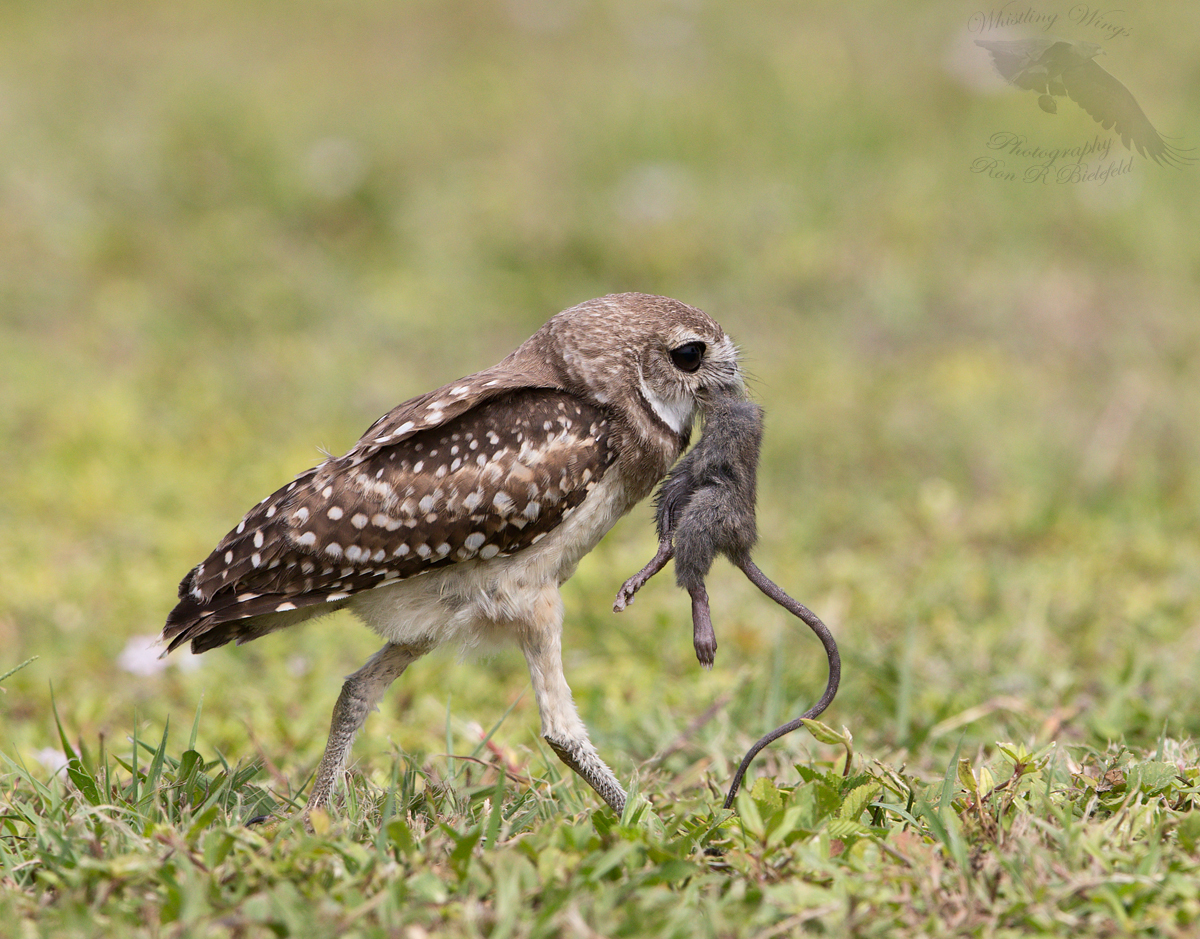
In the quiet depths of old-growth forests, where the canopy filters sunlight into dappled mosaics on the forest floor, the spotted owl glides almost invisibly through the twilight. Its haunting calls and silent flight have long captured the imagination of nature enthusiasts and scientists alike. But beyond their enigmatic presence lies a crucial ecological role—one that extends far beyond mere fascination. The spotted owl is a keystone predator in its habitat, a vigilant sentinel that helps regulate rodent populations and maintain the delicate balance of forest ecosystems. To truly appreciate this remarkable bird, one must look beyond its ghostly allure to understand the intricate web of interactions that define its existence and its influence on the environment.
The Spotted Owl: A Symbol of Old-Growth Forests and Ecological Balance
The spotted owl (Strix occidentalis) is not simply an emblem of wild places; it embodies the health and integrity of old-growth forests, those ancient woodlands bustling with life and complexity. These owls nest in large tree cavities and dense foliage, environments shaped by centuries of natural growth and decay. Their presence is often a barometer of forest quality, signaling a thriving ecosystem. This intimate connection anchors their role as predators within an intricate food web. They rely heavily on a diet that primarily consists of small mammals, particularly various species of rodents—creatures that, while diminutive, have outsized impacts on forest vegetation and seed dispersal.
Rodents: More Than Mere Prey
Rodents, in their vast diversity and sheer numbers, are indispensable actors in woodland ecosystems, acting as both consumers and distributors of resources. They are critical in seed predation and dispersal, shaping plant regeneration patterns. However, unchecked rodent populations can lead to overgrazing of young saplings and other vegetation, potentially altering the composition and health of the forest. Thus, a natural predator like the spotted owl is instrumental in exerting a top-down control, preventing rodent populations from exploding to damaging levels. This dynamic showcases a finely tuned ecological equilibrium where predator and prey balance each other, sustaining the forest’s resilience.
Hunting Techniques and Sensory Adaptations
The spotted owl’s prowess as a rodent predator lies not just in its stealth but in its extraordinary sensory adaptations. Equipped with large, forward-facing eyes, the owl has exceptional night vision that pierces the shadows with precision. Its facial disc acts as a satellite dish for sound, funneling even the faintest noises toward its ears. This auditory acuity allows the owl to detect the rustle of a mouse in leaf litter from considerable distances. Bolstered by silent flight—thanks to specialized wing feathers that muffle sound—the spotted owl can silently swoop down on prey, compelling rodents into a precarious game of survival. Such adaptations represent evolutionary marvels, honed to perfection for nocturnal hunting in dense forests.
Impact on Rodent Population Dynamics
Scientific studies and field observations have highlighted the spotted owl’s significant influence on rodent demographics. By preying selectively on the most active or abundant species, the owl maintains a check on population surges that could otherwise lead to ecological disruption. This predation pressure prevents rodent overpopulation and curbs the spread of diseases often carried by these mammals. Additionally, by controlling rodent numbers, spotted owls indirectly aid the regeneration of vegetation, allowing diverse plant species to flourish without excessive browsing pressure. This cascading effect underscores the interconnectedness between predator presence and forest vitality.
The Deeper Fascination: Cultural and Environmental Significance
Beyond their ecological function, spotted owls evoke a profound fascination deeply entwined with human culture and environmental philosophy. Their elusive nature invites contemplation of wilderness untouched by human hands—a sanctuary where life unfolds in rhythms unaltered by urban noise and artificial lights. Conservation efforts aimed at protecting these owls have sparked awareness about forest preservation, emphasizing how biodiversity safeguards the planet. In this way, the spotted owl transcends mere biology; it becomes a living metaphor for balance, coexistence, and the poignant fragility of ecosystems under threat.
Challenges and Conservation Efforts
Despite their vital role, spotted owl populations face numerous threats, largely due to habitat destruction and fragmentation from logging and land development. As old-growth forests dwindle, so too does suitable nesting and hunting habitat. The decline of this species not only endangers their survival but also risks unbalancing the very rodent populations they regulate. Conservation strategies, such as protecting critical habitats and implementing sustainable forestry practices, are vital. These measures seek to preserve more than just a species; they aim to maintain the harmonious interactions within these forests, ensuring that the spotted owl’s inherent role in controlling rodent populations endures for generations.
Conclusion: Guardians of the Forest’s Subtle Balance
The spotted owl is far more than a nocturnal raptor swooping silently through shadowed branches. It is a guardian of ecological equilibrium, a warrior in the unseen battles against rodent overpopulation that safeguard the forest’s future. Their presence reminds us of the complexity inherent in nature—the intricate connections that sustain life in all its forms. To watch a spotted owl in flight is to witness a chapter of an ancient story, one in which predator and prey dance in delicate balance beneath a canopy that has stood for centuries. In understanding and protecting this magnificent bird, we affirm a deeper commitment—to preserving the rich tapestries of life and the subtle balances that make the natural world whole.