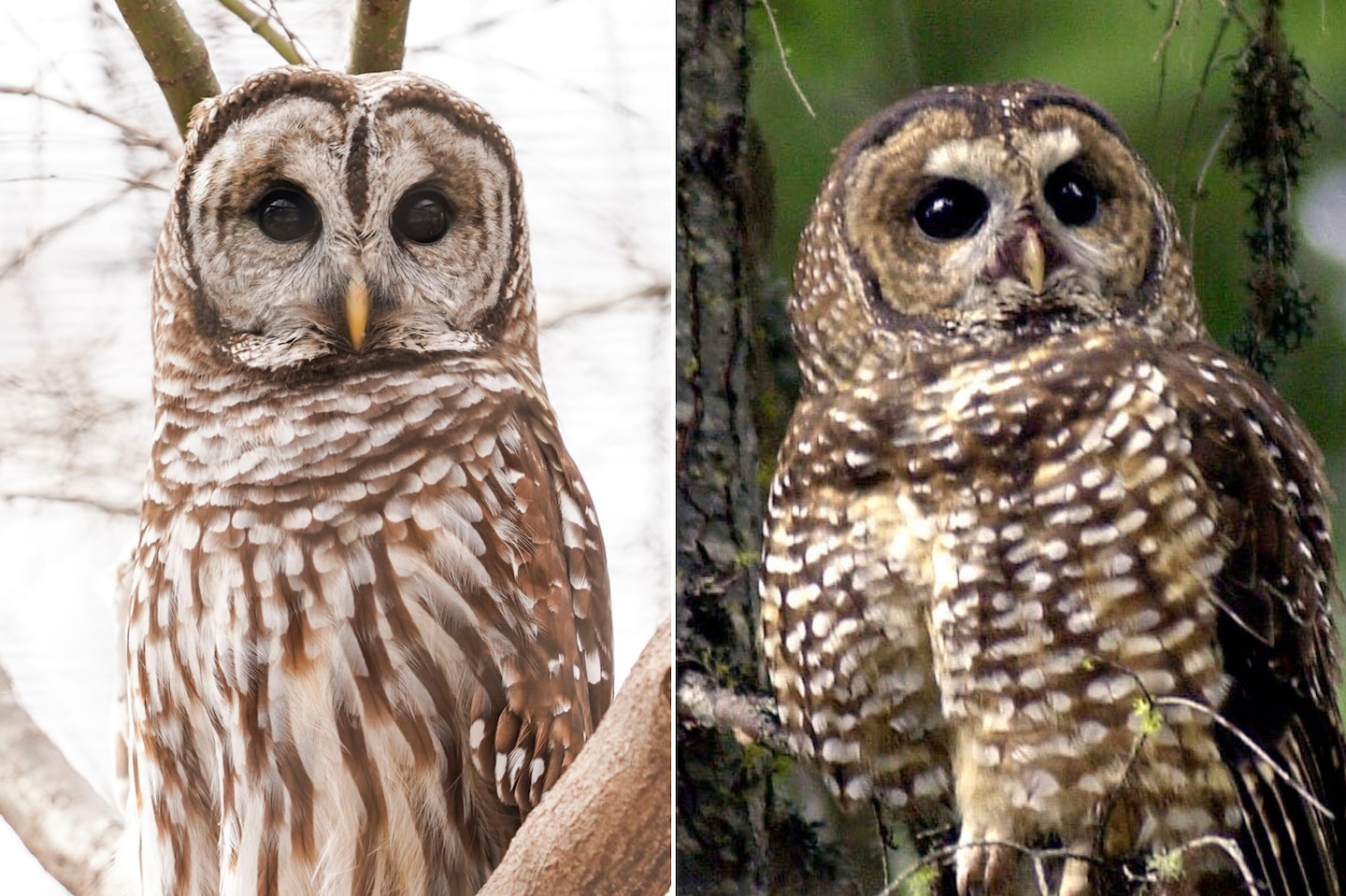
In the shadowed realms of ancient forests, where towering conifers whisper secrets and the air vibrates with nocturnal mystery, the spotted owl’s call unfurls like an emblem of the wild’s fragile beauty. These elusive birds have captivated the imaginations of naturalists and wildlife enthusiasts alike, not just for their striking plumage and endangered status, but for the intricate vocalizations that define their existence. Yet their calls resonate against a complicated backdrop — the presence of barred owls, whose invasive calls echo aggressively, often drowning out the delicate voices of the spotted owls. Understanding the nuanced world of their vocalizations promises a profound shift in perspective, revealing much more than mere sounds; it uncovers an ecological dialogue fraught with survival, identity, and the silent wars waged in shadow and silence.
Ecology & Environmental Science
Owls and the Decline of Grassland Ecosystems
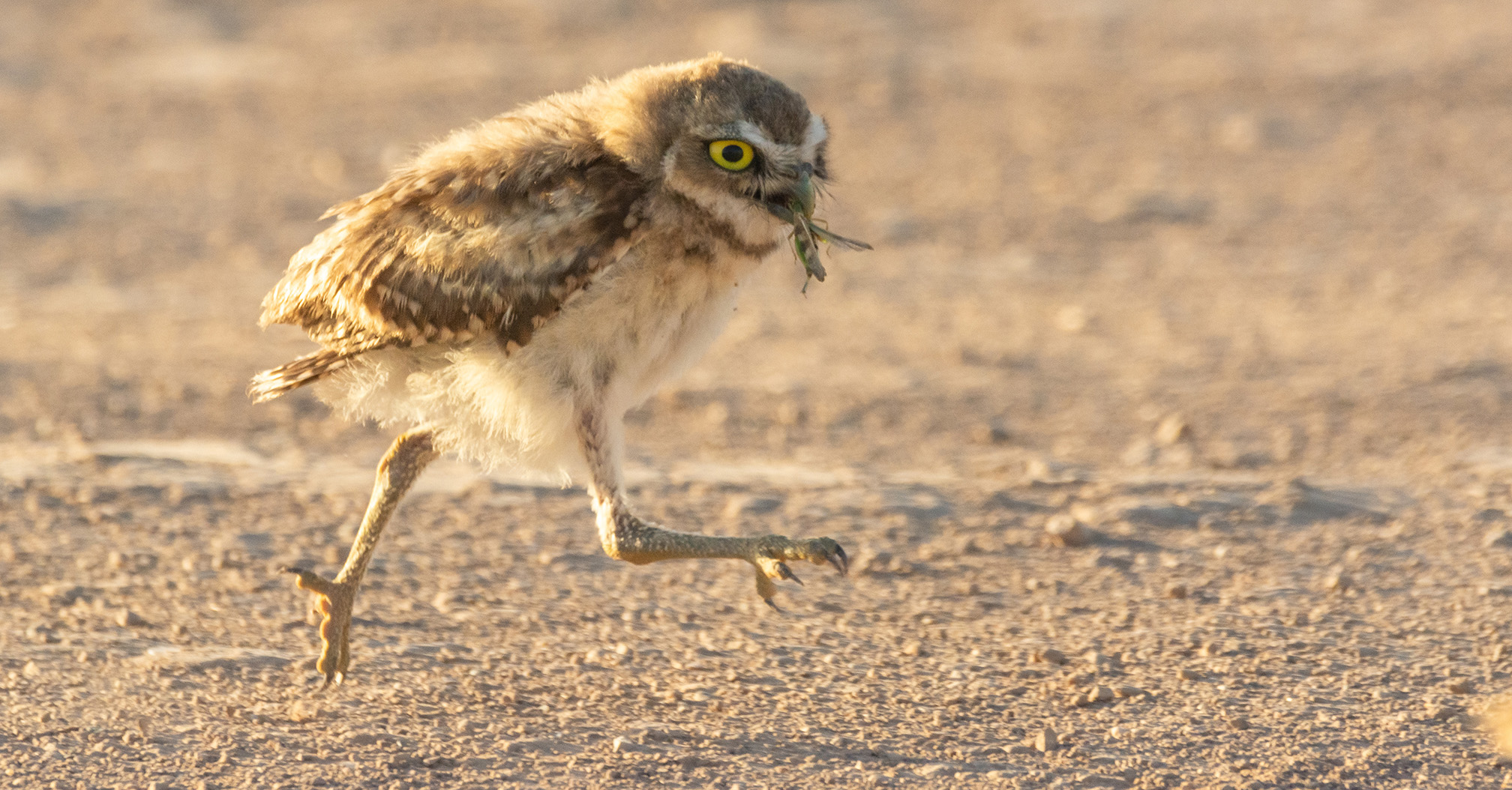
Imagine a world where the night’s symphony is missing its most hauntingly beautiful crescendo—the piercing screech of an owl cutting through the darkness like a blade through silk. What if I told you that the absence of these feathered sentinels isn’t just a loss for our auditory imagination, but a harbinger of ecological unraveling in the very grasslands that once thrived beneath their watchful gaze? The decline of grassland ecosystems is a silent crisis, and at its heart lies a paradox: the more we disrupt these open landscapes, the more we imperil the very creatures that could help restore them. Among these, owls stand as both guardians and victims, their fate inextricably woven into the fate of the prairies, meadows, and savannas that are vanishing at an alarming pace.
The Art of Patience: How to Wait for the Perfect Spotted Owl Shot
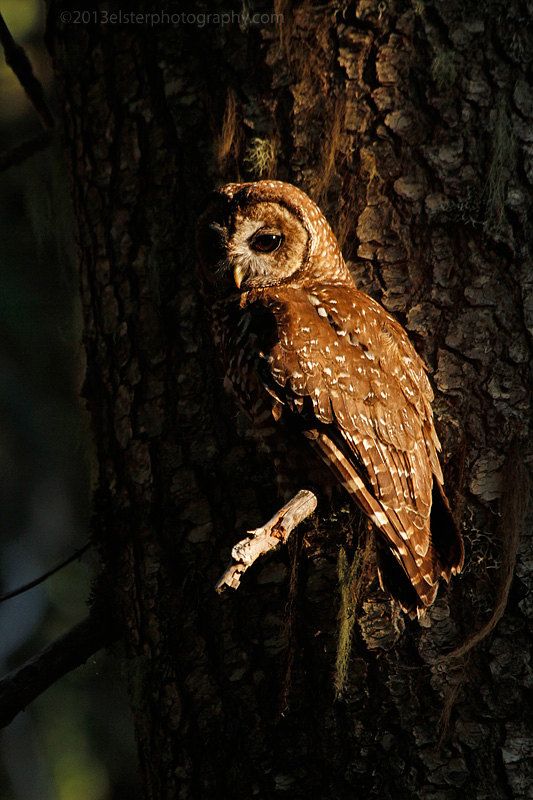
The forest breathes in hushed cadences, a symphony of rustling leaves and distant calls that echo through the ancient canopy. Here, in the twilight realm where dusk surrenders to night, the spotted owl reigns as a silent sovereign. Its presence is not announced with fanfare but revealed through the patient unraveling of time—each moment a thread woven into the tapestry of a perfect shot. To capture such a creature is not merely an act of photography; it is a meditation on stillness, a dialogue with the unseen, and a testament to the art of waiting.
How to Use Storytelling to Connect People with Spotted Owl Conservation
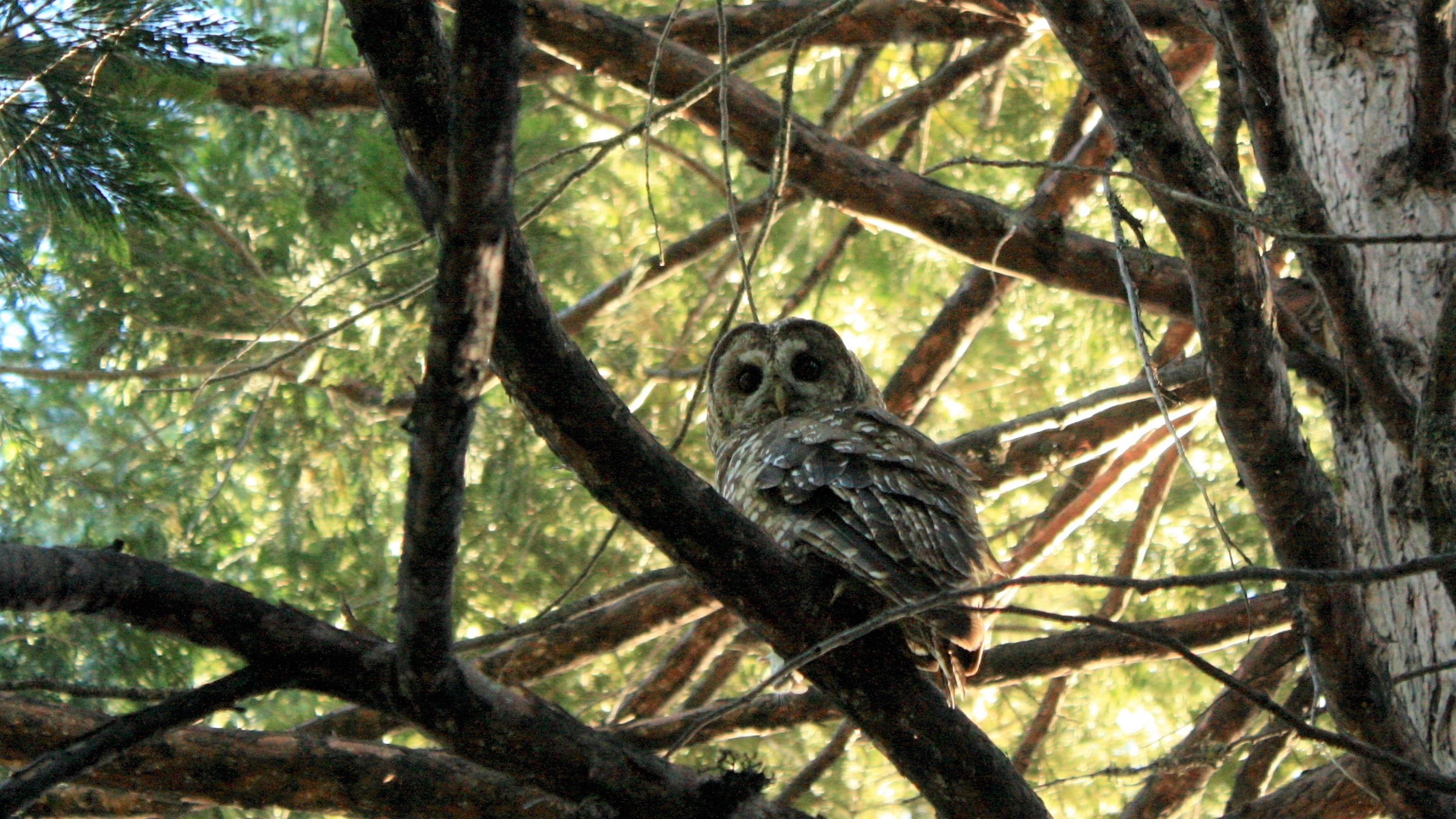
In the hushed twilight of ancient forests, where the air hums with the whispers of unseen wings, the spotted owl glides—a spectral guardian draped in dusk. Its haunting call, a sonorous echo through the canopy, stirs something primal in us. We are drawn to its mystery, its fragility, its quiet defiance against the encroaching shadows of extinction. Yet, how do we translate this fascination into action? How do we bridge the chasm between awe and advocacy? The answer lies not in cold statistics or bureaucratic jargon, but in the alchemy of storytelling—a craft that can ignite empathy, spark curiosity, and mobilize communities to protect the wild places we hold dear.
The Impact of Arctic Pollution on Snowy Owl Health and Reproduction
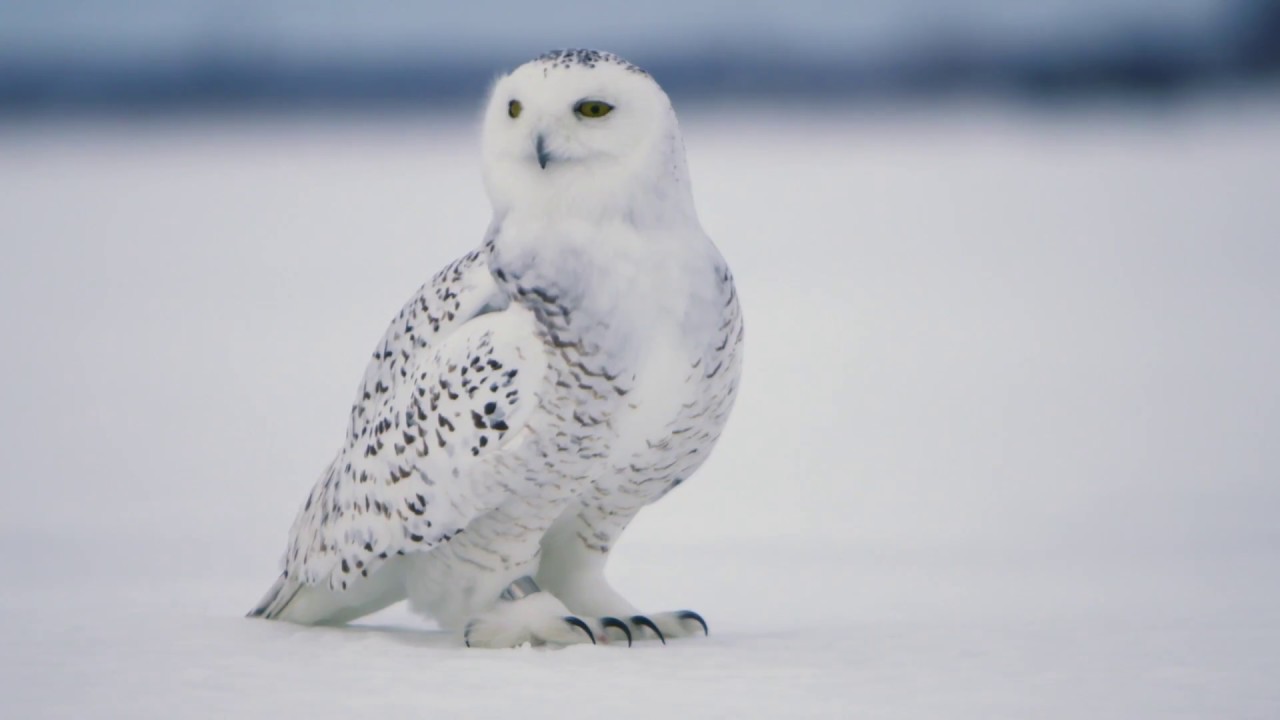
The Arctic, a vast and pristine wilderness, is under siege—not by the icy winds that sweep across its tundra, but by the insidious creep of pollution. This silent invader, often overlooked in favor of more dramatic environmental crises, is wreaking havoc on one of the Arctic’s most iconic inhabitants: the snowy owl. These majestic birds, with their piercing golden eyes and snowy plumage, are not just symbols of Arctic resilience; they are sentinels of an ecosystem teetering on the brink. Pollution, in its myriad forms, is infiltrating their habitat, altering their health, and threatening their very survival. From the mercury-laden waters they drink to the microplastics clogging their food chain, the snowy owl’s world is being poisoned. This is not just an ecological tragedy—it is a feminist issue. The degradation of the Arctic disproportionately affects women and marginalized communities who rely on these ecosystems for sustenance, cultural identity, and economic stability. The snowy owl, too, is a victim of a system that prioritizes exploitation over preservation. To understand the full scope of this crisis, we must examine the multifaceted ways pollution is reshaping the Arctic and, by extension, the fate of its most vulnerable inhabitants.
Owls in Fashion: How Designers Incorporate Their Imagery into Clothing and Accessories

The owl, that nocturnal sentinel of wisdom, has long been a silent observer of human history. Yet, in the realm of fashion, it has shed its cloak of obscurity to become a symbol of avant-garde design, a muse for the audacious, and a whisper of mystery woven into the very fabric of our wardrobes. From the runways of Paris to the bustling streets of Tokyo, designers have plucked this enigmatic creature from the shadows of folklore and perched it upon the shoulders of modernity. What alchemy transforms the owl’s image into a fashion statement? How does its symbolism—wisdom, mystery, nocturnal grace—seep into the seams of our clothing? Prepare to embark on a sartorial safari, where feathers meet fabric, and the hoot of the owl echoes in the clatter of stilettos and the rustle of silk.
The Role of GPS Tracking in Studying Owl Migration and Behavior
The silent wings of the owl cut through the night like blades of moonlight, their flight a whisper against the dark. For centuries, humans have been captivated by these enigmatic birds—not merely for their haunting calls or piercing gaze, but for the mysteries they carry across continents. How do they navigate such vast distances? What unseen patterns govern their migrations? The answer, increasingly, lies not in the stars or instinct alone, but in the unblinking eye of technology: GPS tracking. This unassuming tool has revolutionized our understanding of owl behavior, transforming centuries of speculation into measurable science. Yet beyond the data, it reveals something deeper—a testament to nature’s resilience and the delicate balance between human curiosity and ecological stewardship.
Legal Challenges to Barred Owl Culling: Who’s Suing and Why?
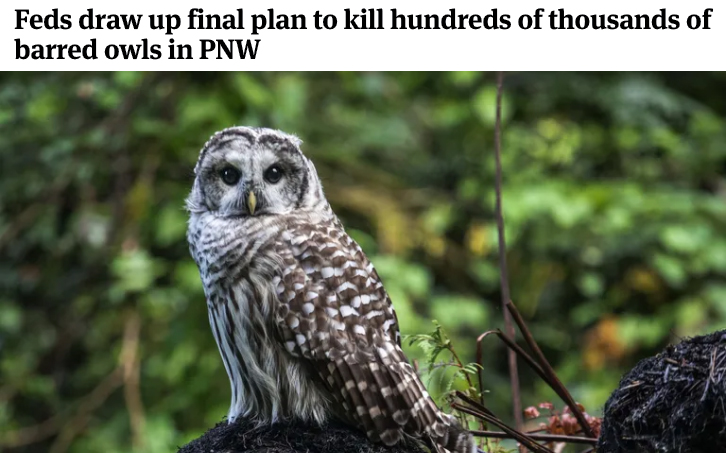
The barred owl, a creature of quiet forests and haunting calls, now finds itself at the center of a legal tempest. Once a symbol of wilderness, it has become the unwitting protagonist in a bitter dispute over ecological balance, conservation ethics, and the very meaning of justice in nature. In the lush green corridors of the Pacific Northwest, where ancient conifers stand as silent sentinels, barred owls are being culled—not by predators, but by human hands. This is not a hunt for survival, but a calculated intervention, a desperate attempt to save another species from extinction. Yet, as the chainsaws of bureaucracy grind into motion, the barred owl has become the unexpected plaintiff in a courtroom drama that asks: Who decides which lives are worth saving?
The Spotted Owl’s Role in Pacific Northwest Ecosystems
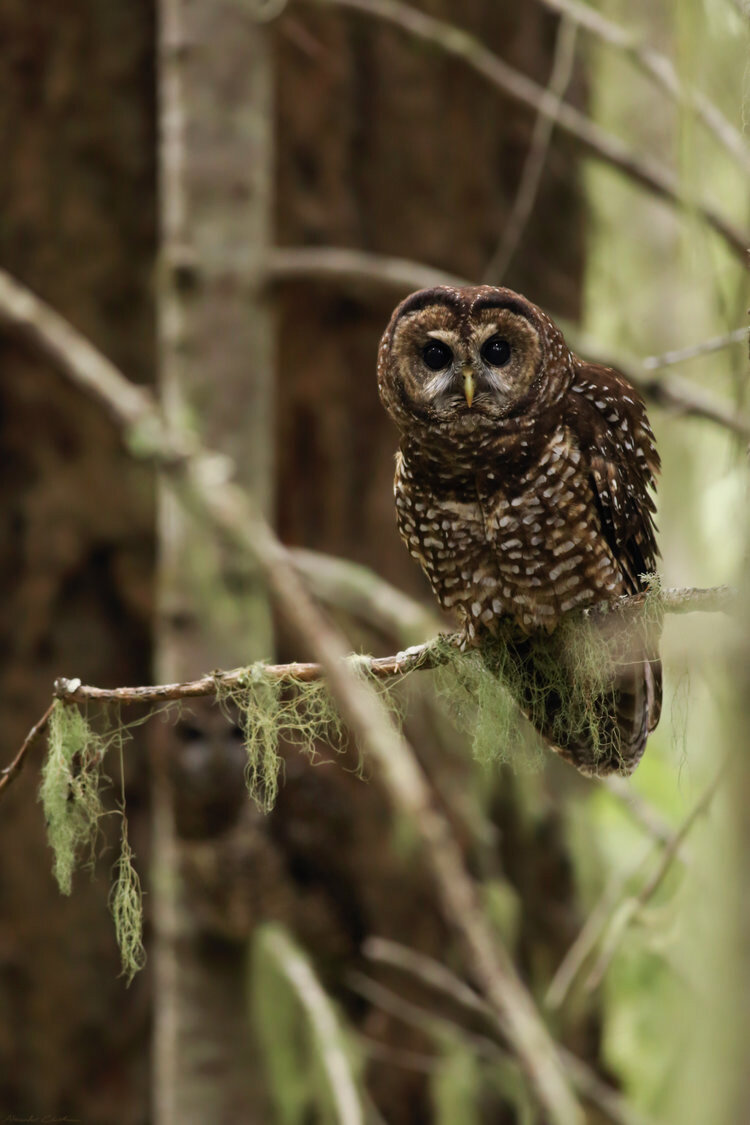
In the vast tapestry of the Pacific Northwest’s verdant wilderness, the Spotted Owl emerges as a silent sentinel—an emblem woven delicately into the old-growth forests that sprawl like ancient cathedrals. This enigmatic bird, with its haunting calls and mottled plumage, is far more than a mere inhabitant of these woods; it is a lynchpin, an ecological keystone shaping the intricate balance of life within these storied landscapes. The Spotted Owl’s role in Pacific Northwest ecosystems is a narrative of interdependence, resilience, and the fragile dance of biodiversity.
The Owl in Animation: From Disney’s Archimedes to Modern Animated Films
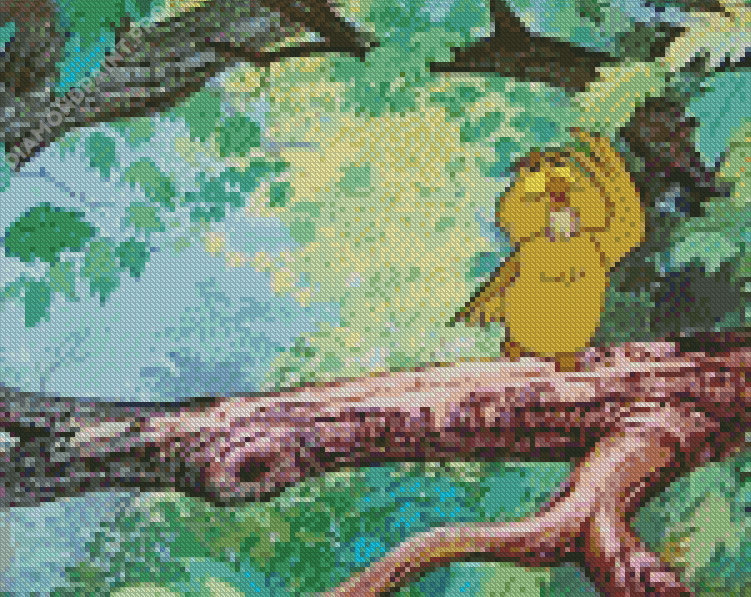
The owl, that enigmatic creature of the night, has long been a symbol of wisdom, mystery, and silent observation. Yet, in the realm of animation, it has transcended its nocturnal reputation to become a dynamic force—a character that evolves, challenges, and captivates. From the stern yet sagacious Archimedes in Disney’s *The Sword in the Stone* to the modern, multifaceted avian protagonists of today, the owl’s journey in animation is a testament to the medium’s power to redefine archetypes. This evolution is not merely about aesthetics; it’s a cultural metamorphosis, one that mirrors society’s shifting perceptions of intelligence, authority, and even feminism. As we trace the owl’s flight through the annals of animated history, we uncover a narrative far richer than mere feathered companionship—it’s a story of transformation, rebellion, and the quiet revolution of perspective.