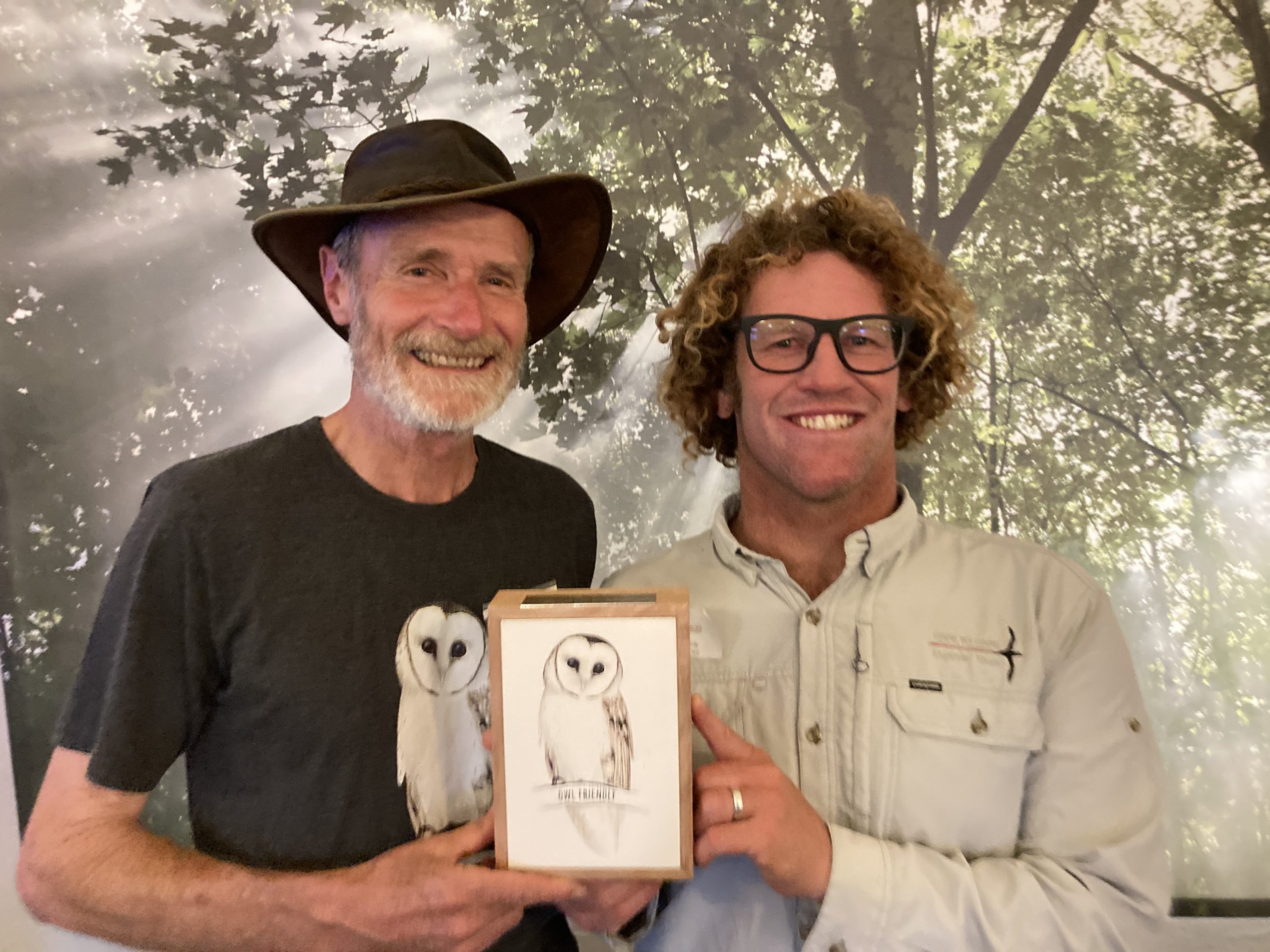
Imagine a world where the night sky hums with the silent wings of guardians—where owls, those enigmatic sentinels of the dark, become the unlikely architects of ecological harmony. Yet, their survival hinges not on their own prowess alone, but on the collective will of the communities that share their habitat. Engaging local communities in owl conservation is less about imposing solutions and more about weaving a tapestry of shared purpose, where every thread—whether a farmer, a student, or an elder—contributes to a living, breathing sanctuary for these nocturnal marvels.
Ecology & Environmental Science
The Impact of Citizen Science on Owl Research and Conservation
In the hushed embrace of twilight, where the veil between day and night thins like a whispered secret, owls take flight—not just as silent hunters of the dark, but as enigmatic sentinels of an ecosystem teetering on the edge of balance. Their piercing gaze, a fusion of ancient wisdom and untamed mystery, has long captivated humanity. Yet, it is not their nocturnal prowess alone that stirs our collective imagination; it is the quiet revolution brewing in the hands of ordinary people, armed with curiosity and a smartphone, that is reshaping the very fabric of owl research and conservation. Citizen science, a phenomenon as democratic as it is transformative, has become the unsung hero of biodiversity preservation, turning backyards into laboratories and armchair naturalists into guardians of the night.
How Climate Data Is Informing Barred and Spotted Owl Habitat Models
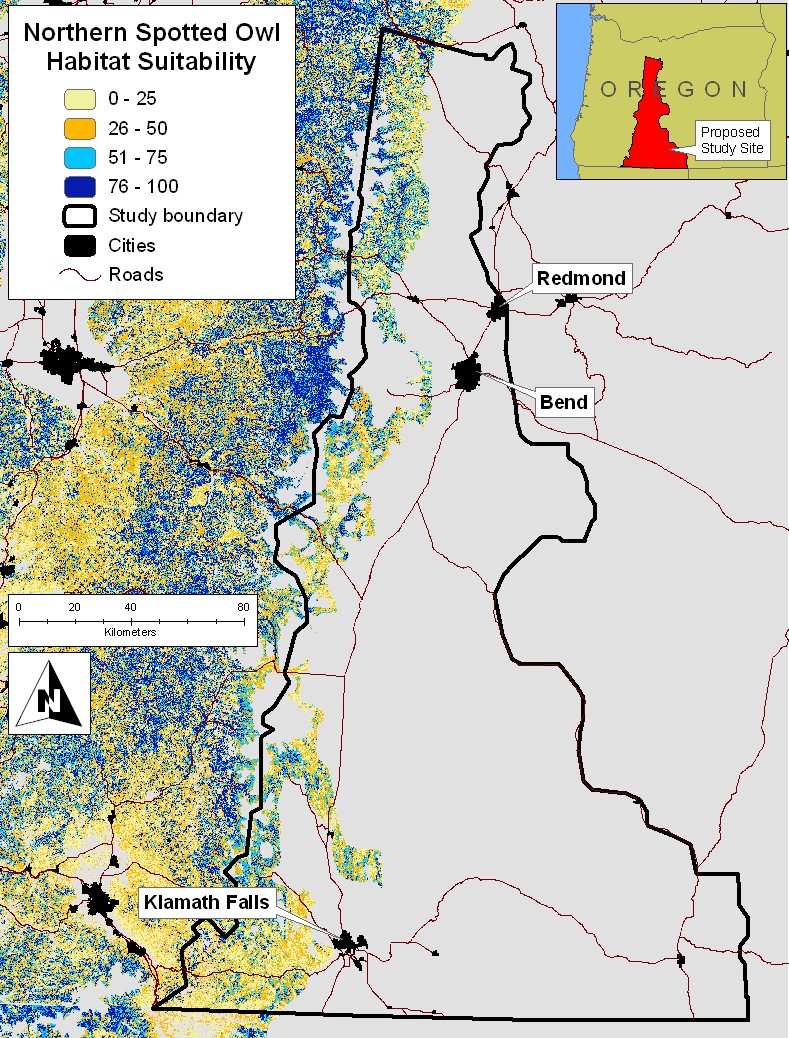
In the emerald canopies of the Pacific Northwest, where the air hums with the whispers of ancient conifers and the underbrush teems with unseen life, two owls reign as silent sovereigns of the night. The barred owl, an interloper from the east, and the spotted owl, a relic of the old-growth forests, have long been locked in a struggle for survival. But now, a new force is reshaping this battle: climate data. No longer are these birds mere subjects of ecological study; they are becoming the harbingers of a paradigm shift, their habitats mapped not just by footprints in the soil, but by the invisible threads of climate patterns. This is the story of how data is rewriting the rules of coexistence, and why the future of these owls may well hinge on our ability to listen to the whispers of the wind and the sighs of the trees.
How Snowy Owls Are Adapting to Changes in Arctic Vegetation
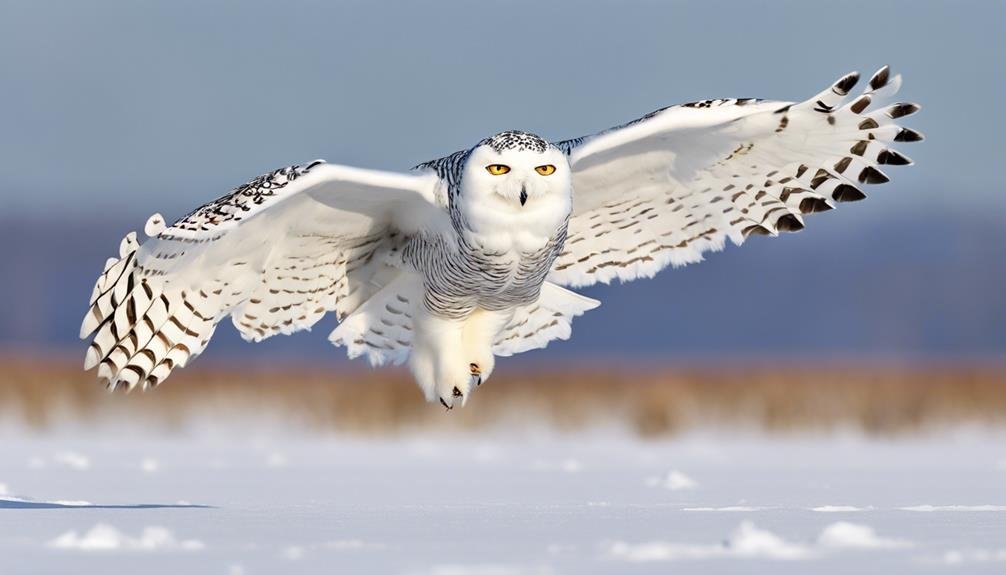
The Arctic tundra, a vast and seemingly barren expanse, is undergoing a silent transformation beneath its icy veneer. As temperatures rise and seasons blur, the vegetation that once defined this stark landscape is shifting—sprouting, retreating, or morphing into something unrecognizable. For the snowy owl, a creature of paradox—both a symbol of resilience and a harbinger of change—these alterations in plant life are not mere background noise. They are a symphony of challenge and adaptation, a test of survival that demands ingenuity, flexibility, and an almost poetic understanding of an ecosystem in flux. This is the story of how one of the Arctic’s most iconic predators is rewriting its own rulebook in response to the greening of the North.
How Arctic Pollution Is Affecting Snowy Owl Health
The Arctic, a realm of eternal twilight and crystalline silence, is no longer the untouched sanctuary it once was. Beneath its shimmering auroras and frost-kissed landscapes, a silent crisis unfolds—one that threatens the very sentinels of the tundra: the snowy owls. These ethereal birds, with their moonlit plumage and piercing amber eyes, are not merely victims of climate change; they are canaries in a frozen coal mine, their health a barometer of an ecosystem teetering on the edge of collapse. Arctic pollution, a specter woven from industrial effluence, microplastics, and toxic chemical whispers, is infiltrating their world, rewriting the rules of survival in ways both insidious and irreversible.
The Evolution of Owls: Tracing Their Ancestry Back Millions of Years
What if I told you that the silent, feathered sentinels of the night—those wide-eyed, feathered phantoms that drift through moonlit forests—are actually ancient survivors, their lineage stretching back to an era when dinosaurs still roamed the Earth? Owls, those enigmatic birds of prey, are not mere nocturnal hunters; they are living relics, whispering secrets of evolution through their haunting calls and piercing gaze. Their story is one of adaptation, resilience, and an uncanny ability to thrive where others faltered. But how did these mesmerizing creatures evolve? And what challenges did they face along the way? Let’s embark on a journey through time to uncover the origins of owls and the mysteries that shaped them.
The Role of Birding Apps in Spotted Owl Watching
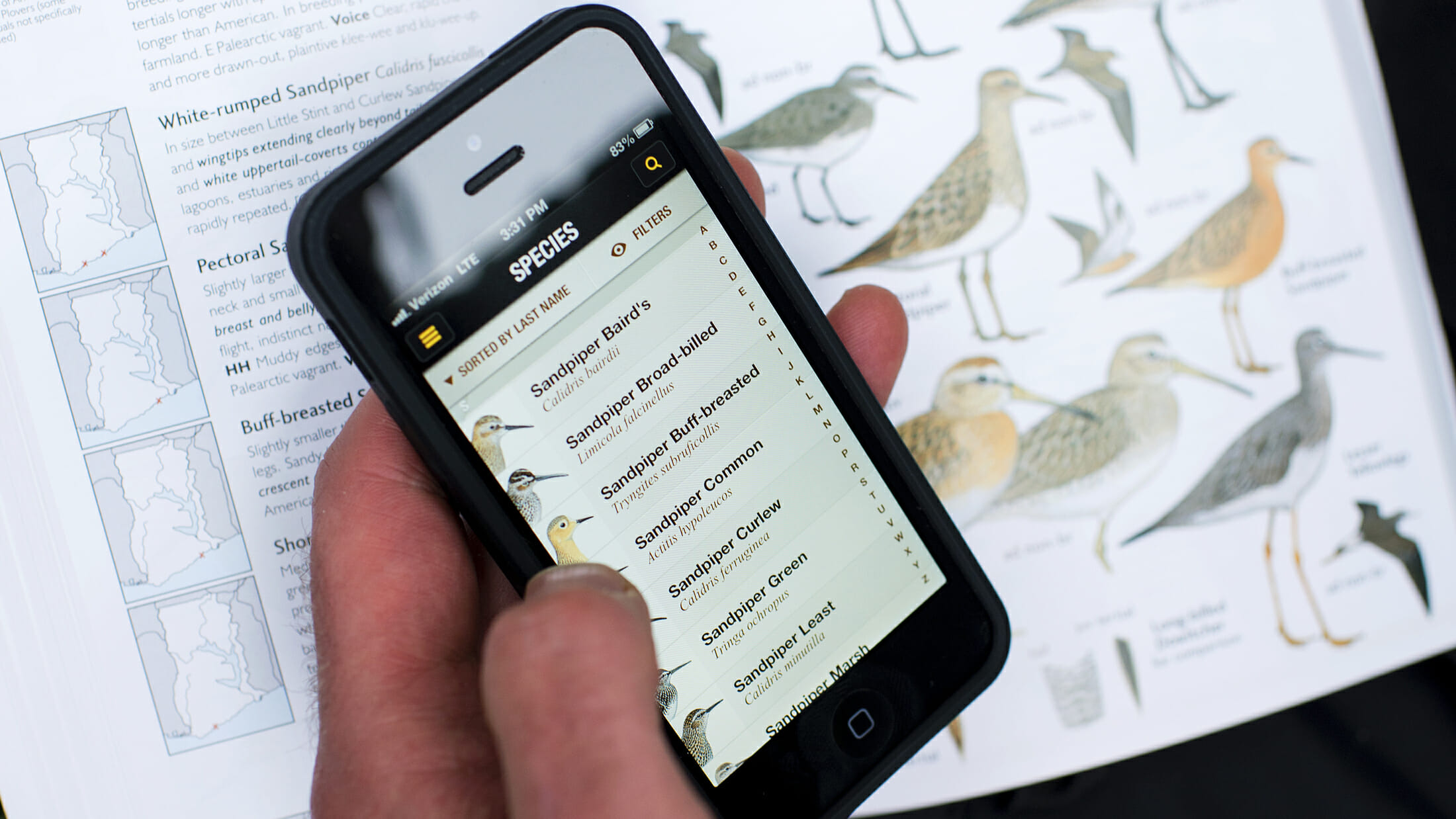
In the quiet depths of dense forests, the elusive Spotted Owl weaves its mysterious presence into the tapestry of North American wildlife. Birdwatchers and conservationists alike have long been captivated by this elusive raptor, renowned not only for its distinctive spotted plumage but also for its role as an indicator species in old-growth forest ecosystems. The pursuit of observing and understanding these owls has undergone a profound transformation with the integration of birding apps—a fusion of technology and nature that expands horizons and deepens engagement. This article delves into the multifaceted role birding apps play in Spotted Owl watching, illuminating the array of content and tools at an enthusiast’s fingertips.
The Use of Isotope Analysis in Studying Owl Diet and Migration Patterns
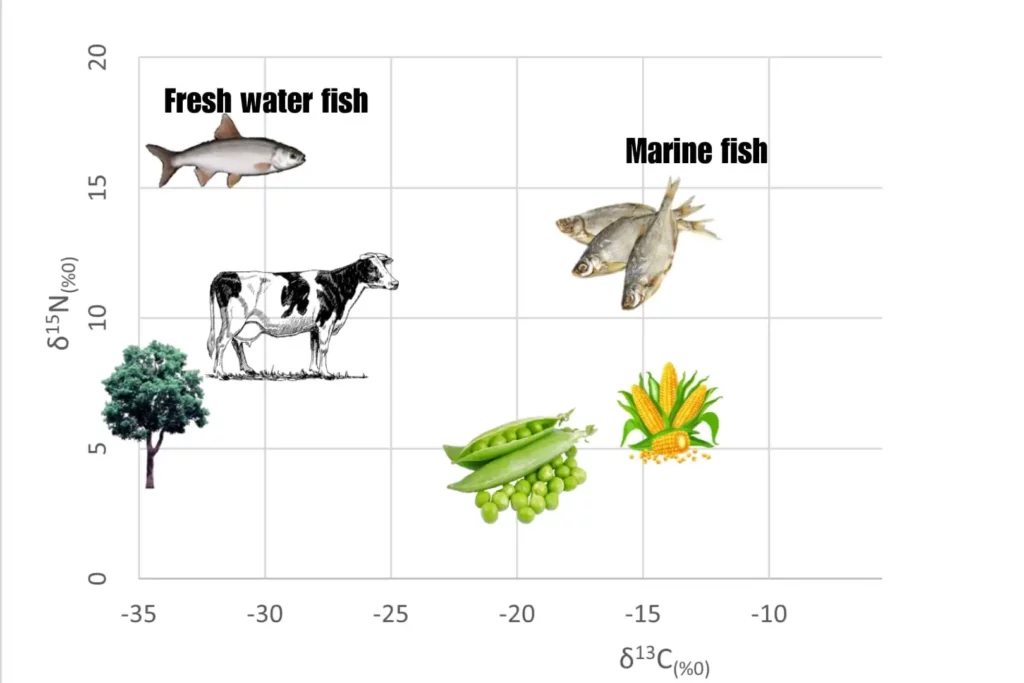
In the shadowed cloak of twilight, where the world blurs into a canvas of whispers and wings, owls reign as silent sentinels of the night. Their lives unfold in a tapestry woven with secrets—secrets of diet, migration, and survival etched not in ink, but in the very fabric of their bones. Isotope analysis, a scientific alchemy of sorts, unlocks these enigmas, transforming the silent flight of these raptors into a symphony of data. It is a dance of atoms, a ballet of chemistry, where every meal and every journey leaves an indelible mark. To study owl diet and migration through this lens is to peer into the hidden chronicles of their existence, where the past is not buried but embedded in the very marrow of their being.
How Pollution Is Affecting Owl Reproductive Success
In the hushed embrace of twilight, where the world blurs between day and night, owls reign as silent sentinels of the nocturnal realm. Their piercing gaze, adapted to the faintest glimmers of moonlight, has long symbolized wisdom and mystery. Yet, beneath this cloak of enigma lies a fragile existence, increasingly threatened by an insidious intruder: pollution. From the cacophony of urban sprawl to the silent seep of chemical toxins, the reproductive success of these enigmatic birds is under siege. The consequences ripple through ecosystems, unraveling the delicate tapestry of biodiversity. To understand this crisis is to peer into the heart of nature’s resilience—and its fragility.
Spotted Owl vs. Barred Owl: Key Differences in Behavior
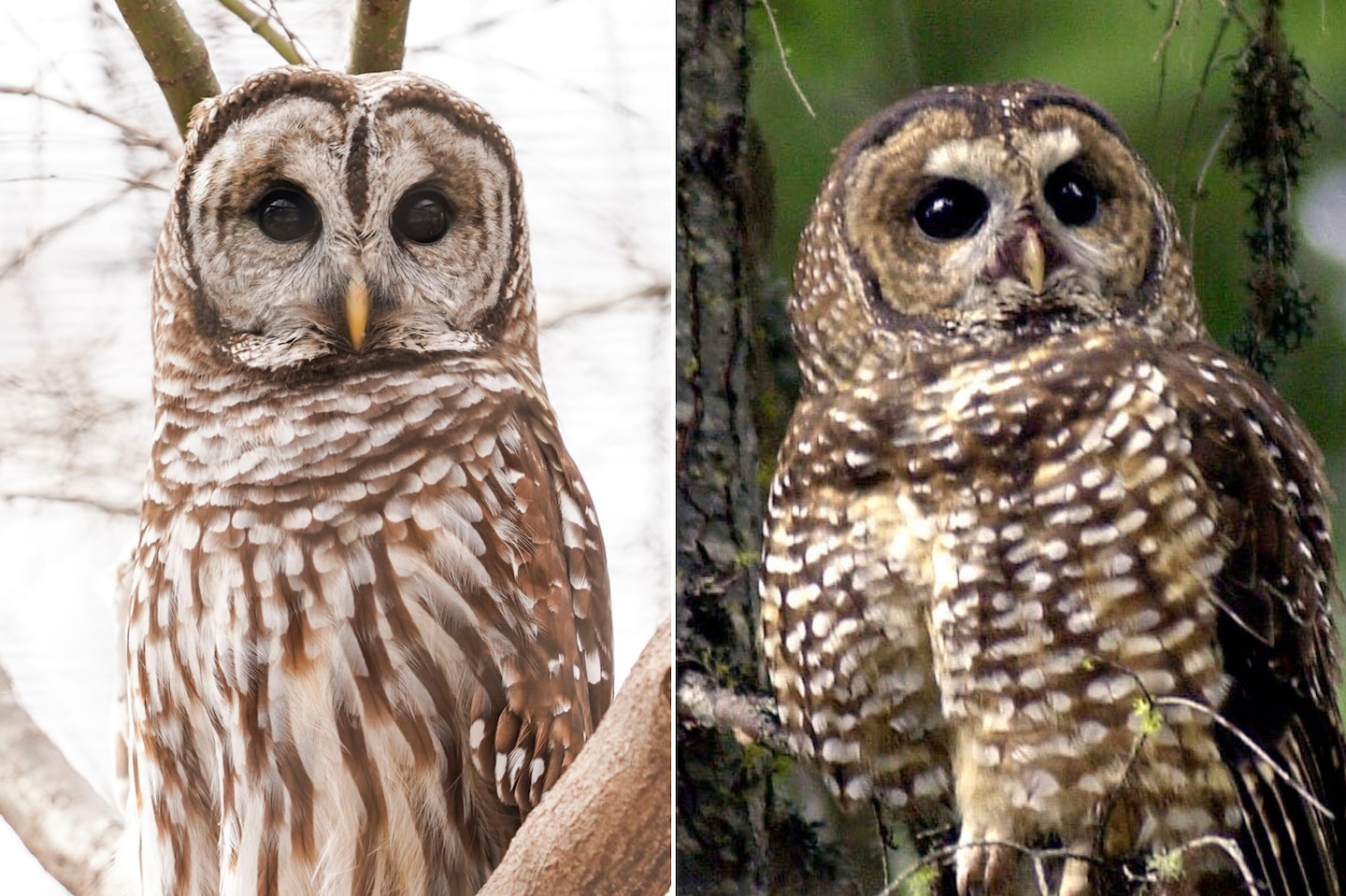
In the shadowy cathedrals of ancient forests, two owls reign as enigmatic monarchs—each weaving its own tale of survival, dominance, and mystery. The Spotted Owl and the Barred Owl, though sharing the nocturnal stage with overlapping territories and similar appearances, dance to distinctly different rhythms in their behavior. This avian duel is not merely a contest of wings and talons; it is a profound clash of ecological identities, survival strategies, and evolutionary nuances. Understanding their behavioral divergences reveals a captivating narrative of coexistence, conflict, and the delicate balances within nature’s unseen theaters.