
The Arctic tundra, a vast and windswept expanse of ice and snow, has long been the domain of the snowy owl—a creature of mythic endurance, its white plumage a whisper against the endless horizon. Yet, as the planet warms, this frozen kingdom is unraveling, and with it, the fate of one of nature’s most enigmatic predators. By 2050, climate models paint a starkly different map of the snowy owl’s world, one where the boundaries of its existence are redrawn by forces beyond its control. This transformation is not merely a shift in geography; it is a reckoning with the fragility of life in a world where human hands have tipped the scales of balance.
Ecology & Environmental Science
The Impact of Light Pollution on Nocturnal Owls
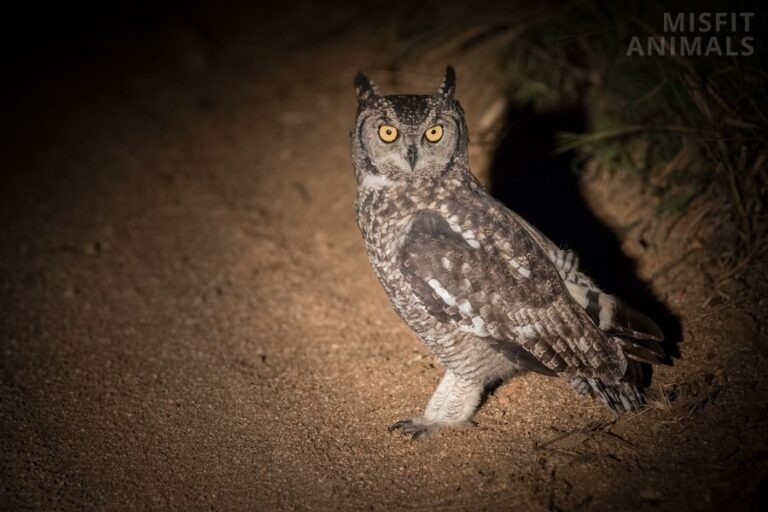
The night is not what it used to be. Once a realm of velvet darkness punctuated by the soft glow of stars, it has been steadily transformed into a stage bathed in artificial luminescence. This transformation, while seemingly benign, has set the stage for an unexpected drama—one that plays out in the silent wings of nocturnal owls. These enigmatic creatures, masters of the twilight, now navigate a world where the very fabric of night is altered. What happens when the guardians of the dark encounter an environment where darkness is no longer their ally? The answer is as complex as the night itself.
The Social Lives of Owls: Do They Form Communities or Stay Solitary?
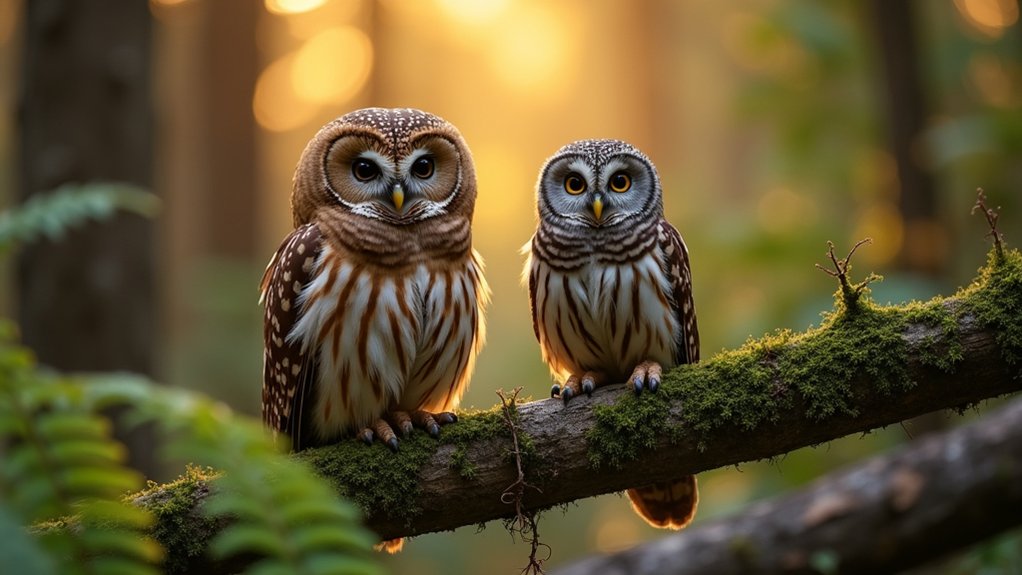
The moon hangs low, a silver coin tossed into the velvet sky. Below, a tawny owl perches on a gnarled branch, its golden eyes reflecting the faintest starlight. It tilts its head, listening—not just to the rustle of leaves or the distant hoot of a rival, but to something deeper, something that stirs the very essence of its solitary existence. Do owls, those enigmatic sentinels of the night, live in silent communion with their kind, or are they doomed to wander the dark alone, bound by nothing but the unyielding call of instinct?
The Impact of Social Media on Spotted Owl Conservation Advocacy
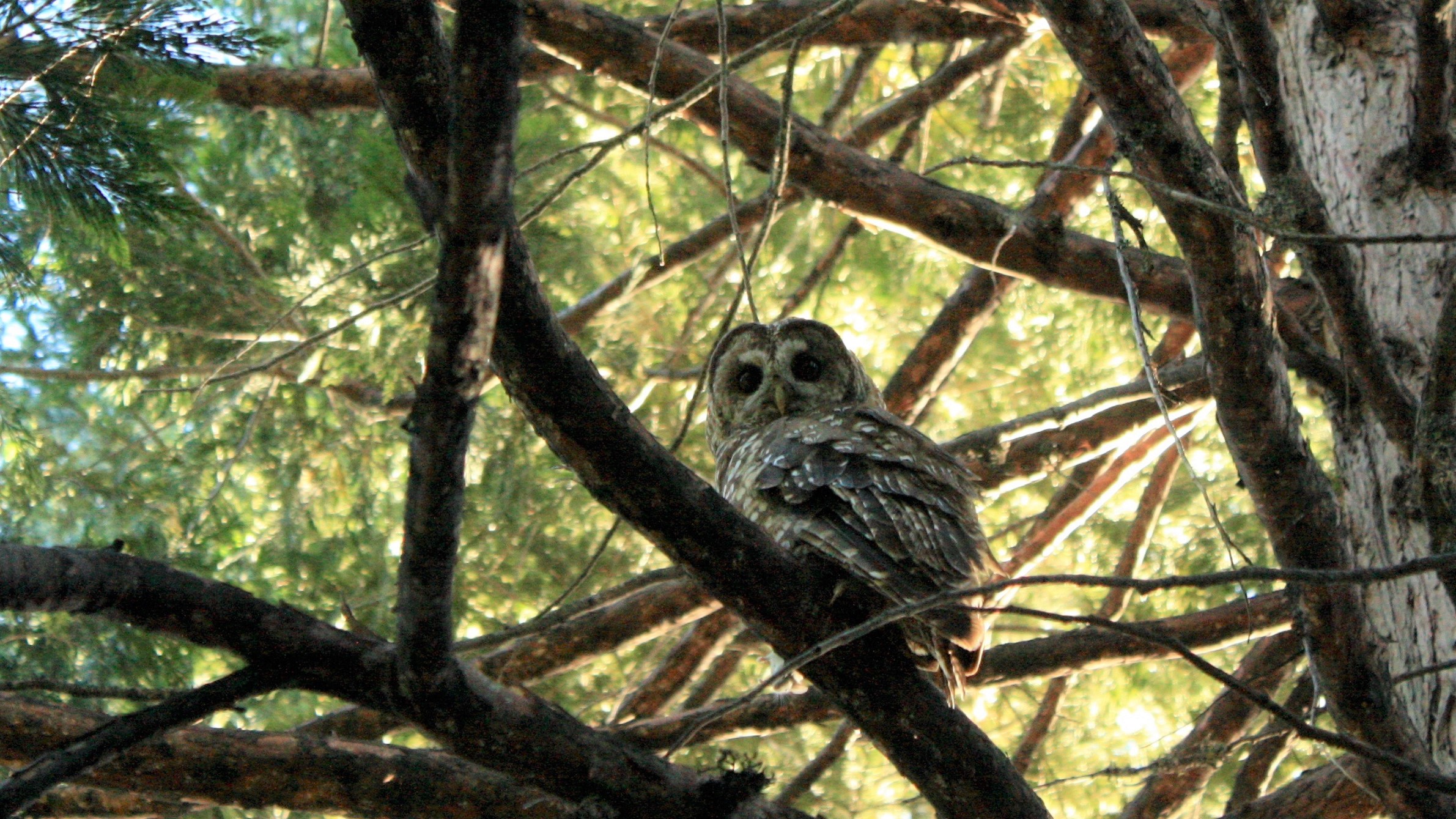
In the shadowed canopy of the ancient forests, where the air hums with the whispers of unseen wings, a silent crisis unfolds. The spotted owl, a creature of mythic resonance and ecological significance, faces an existential threat—not from the natural predators of its evolutionary past, but from the unrelenting march of human progress. Yet, in the digital age, a new ally emerges: social media. This invisible web of connections, once a playground for trivialities, now serves as a battleground for conservation, a megaphone for marginalized ecosystems, and a catalyst for collective action. The impact of social media on spotted owl conservation advocacy is not merely a footnote in the annals of environmentalism; it is a seismic shift in how we perceive, protect, and perpetuate the wild.
How to Organize an Owl-Watching Group or Club in Your Community
There’s something almost mystical about owls—those nocturnal sentinels of the wild, with their silent wings and luminous eyes, that seem to peer into the very soul of the night. They are guardians of the dark, symbols of wisdom, and yet, in our modern world, they often go unnoticed, their presence felt more in folklore than in the quiet corners of our neighborhoods. But what if you could bring these enigmatic creatures—and the wonder they inspire—into the heart of your community? Organizing an owl-watching group or club isn’t just about spotting birds; it’s about fostering connection, curiosity, and a shared reverence for the natural world. Whether you’re a seasoned birder or a curious newcomer, here’s how to transform your local landscape into a haven for owl enthusiasts.
The Role of eDNA in Detecting Barred and Spotted Owl Populations
The enigmatic presence of owls has long fascinated naturalists and bird enthusiasts alike. Among the most captivating subjects of ornithological study are the Barred Owl and the Spotted Owl, two species whose ecological narratives are intertwined yet distinct. Detecting and monitoring their populations pose significant challenges, hindered by their elusive behaviors and often dense, forested habitats. Enter environmental DNA (eDNA) — a transformative tool poised to revolutionize how conservationists and researchers track these remarkable birds. This article delves into the multifaceted role of eDNA in unearthing the mysteries surrounding Barred and Spotted Owl populations, illuminating the science, methodologies, and implications of this cutting-edge approach.
The Impact of Light Pollution on Nocturnal Owl Hunting
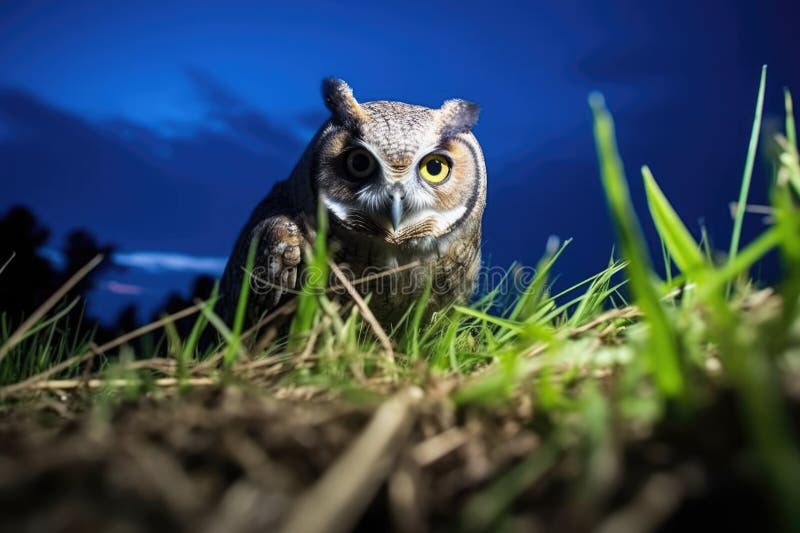
The night is not merely the absence of light—it is a realm of whispered secrets, where the boundaries between silence and sound blur into a symphony of survival. Among the most enigmatic performers in this nocturnal orchestra are owls, those silent sentinels of the dark, whose hunting prowess has captivated human imagination for millennia. Yet, as the glow of urban sprawl encroaches upon the once-pristine darkness, a silent predator stalks the skies: light pollution. This insidious infiltration of artificial luminescence doesn’t just dim the stars—it reshapes the very fabric of nocturnal ecosystems, altering the hunting grounds of these feathered phantoms in ways both subtle and profound.
The Barred Owl Management Strategy: Lethal Removal to Save Spotted Owls
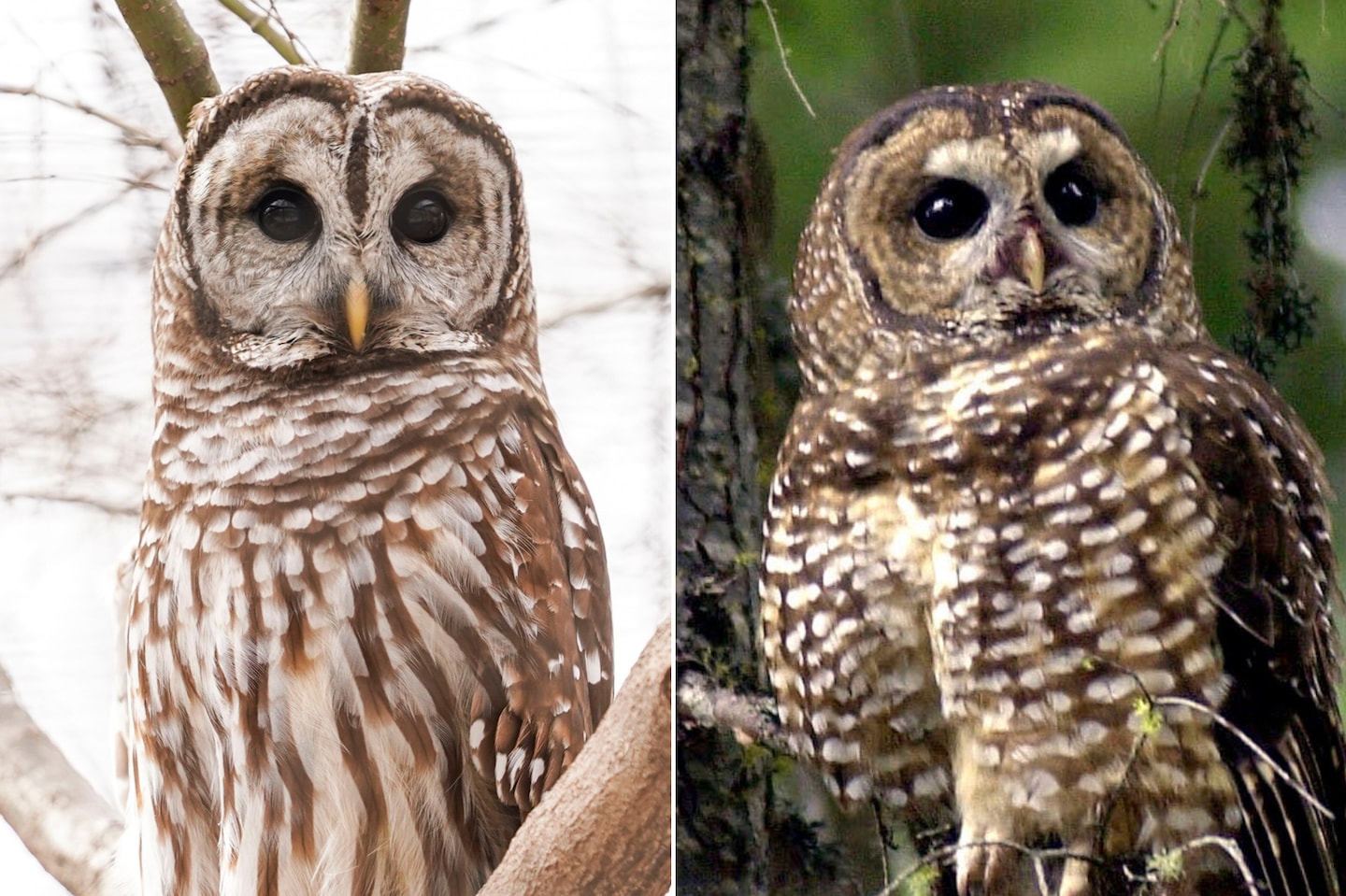
The natural world is a stage of relentless conflict and delicate balance, where every species plays a role in an intricate ecological tapestry. Yet, occasionally, the layers of this tapestry become untangled, and intervention becomes necessary—not to dominate, but to preserve. Such is the impetus behind the controversial barred owl management strategy, a bold and unorthodox approach involving the lethal removal of approximately 450,000 barred owls to rescue the imperiled spotted owl from extinction. This strategy invites a profound reconsideration of conservation ethics, species hierarchies, and humanity’s role as steward of the wild.
How to Use Art and Creativity to Promote Owl Protection
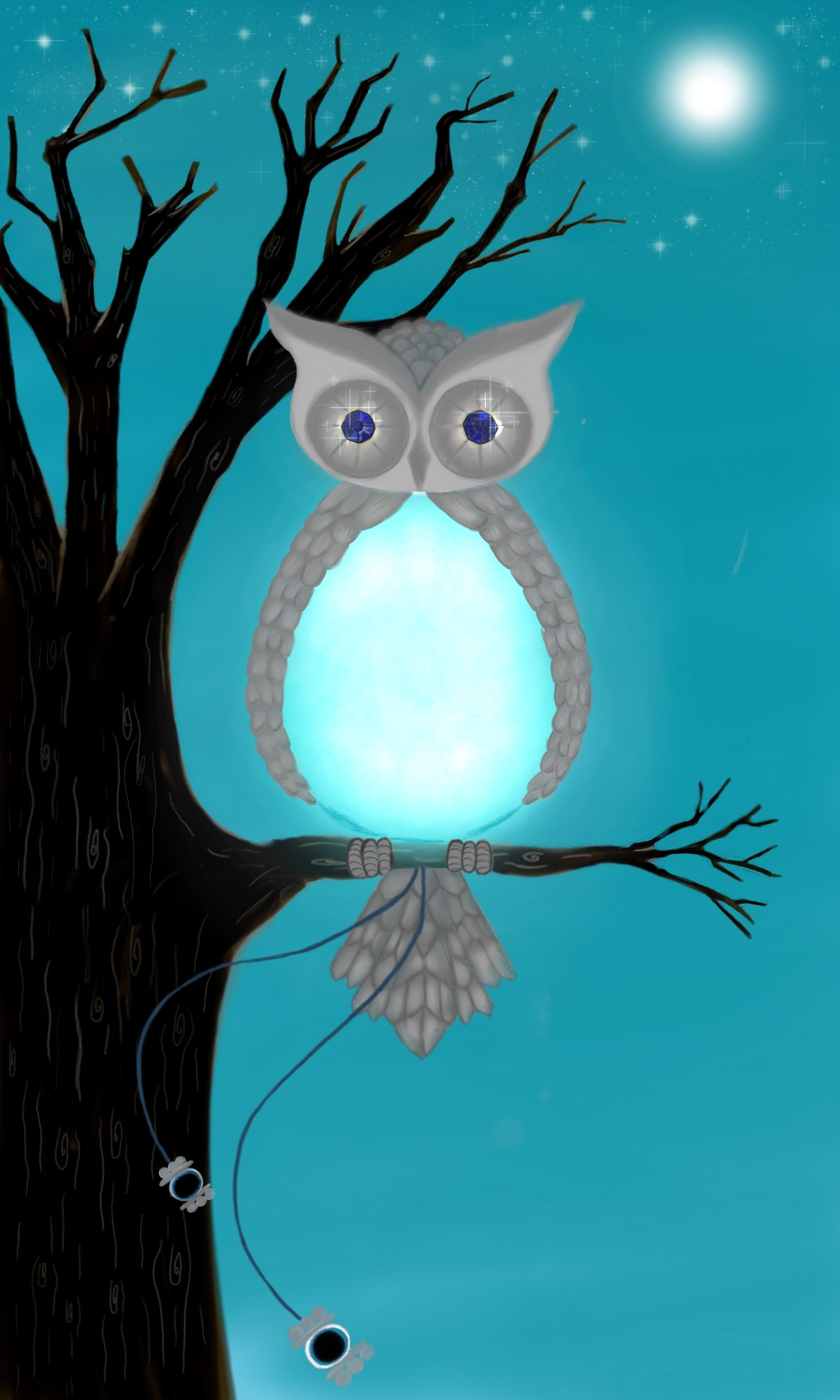
The owl, that enigmatic sentinel of the night, has long been a symbol of wisdom, mystery, and silent vigilance. Yet, in our modern world, these creatures face threats that are as silent as their flight—habitat destruction, pollution, and human encroachment. Art and creativity, however, possess the power to transcend mere aesthetics; they can become instruments of change, awakening empathy and inspiring action. By wielding creativity as a tool, we can transform the owl from a passive emblem into an active advocate for its own survival. This is not just about preserving a species; it’s about redefining our relationship with the natural world through the language of art.
The Barred Owl Management Strategy: Lethal Removal to Save Spotted Owls – A Moral Dilemma
The forests of the Pacific Northwest hum with secrets—ancient whispers of moss-draped firs, the rustle of unseen wings, and the haunting trill of the spotted owl, a bird so emblematic of wilderness that its survival has become a battleground for conservation ethics. Yet, in the shadow of this iconic creature, another owl thrives: the barred owl, a relative newcomer whose unchecked expansion threatens to unravel decades of conservation efforts. The proposed solution? Lethal removal of half a million barred owls. But is this a pragmatic necessity or a moral failure disguised as ecological pragmatism? The answer lies not in the trees, but in the way we frame the natural world—and who gets to decide which lives are worth saving.