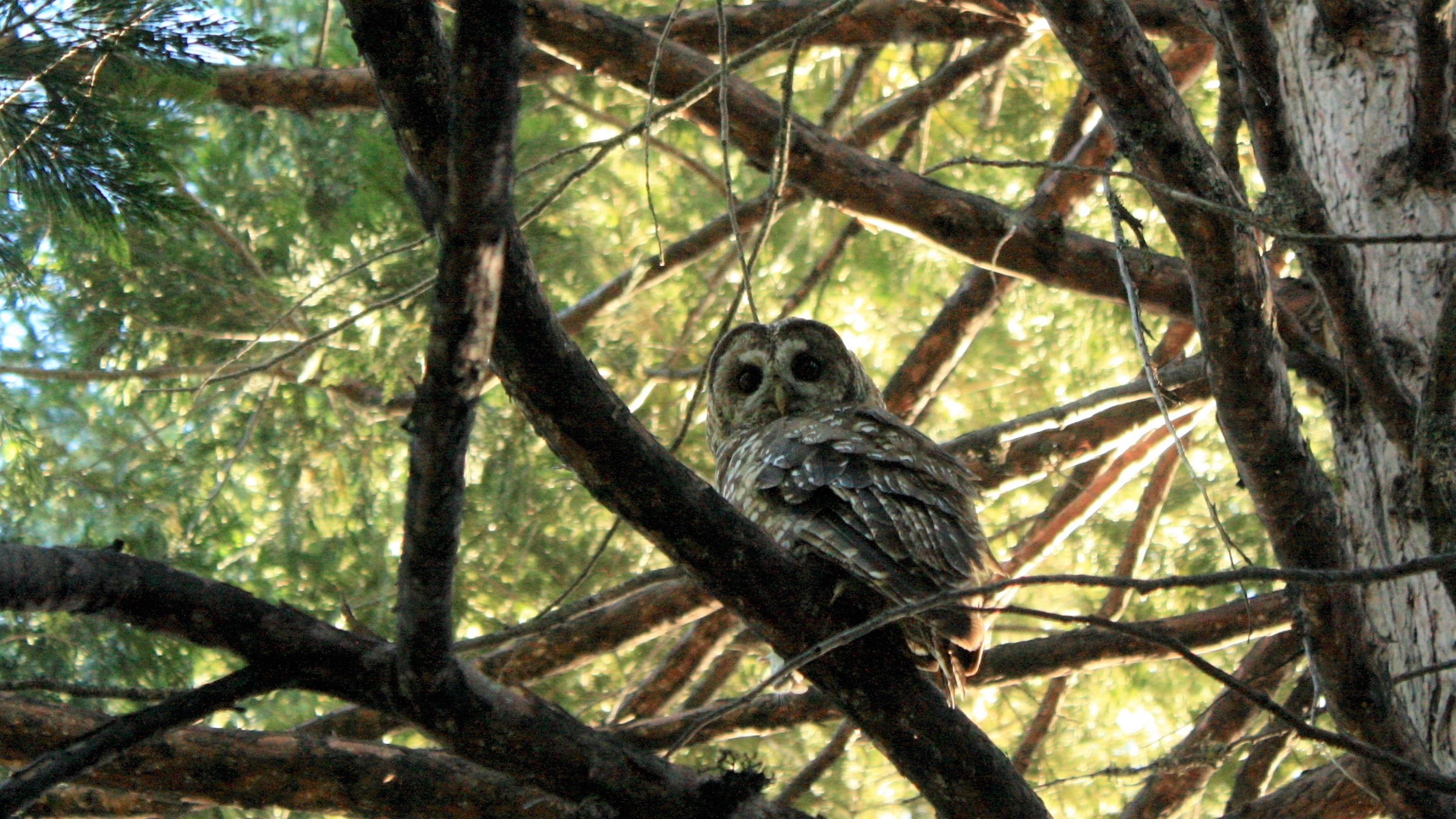
In the shadowed canopy of the ancient forests, where the air hums with the whispers of unseen wings, a silent crisis unfolds. The spotted owl, a creature of mythic resonance and ecological significance, faces an existential threat—not from the natural predators of its evolutionary past, but from the unrelenting march of human progress. Yet, in the digital age, a new ally emerges: social media. This invisible web of connections, once a playground for trivialities, now serves as a battleground for conservation, a megaphone for marginalized ecosystems, and a catalyst for collective action. The impact of social media on spotted owl conservation advocacy is not merely a footnote in the annals of environmentalism; it is a seismic shift in how we perceive, protect, and perpetuate the wild.
The Democratization of Conservation: From Ivory Towers to Instagram Feeds
For decades, conservation was the domain of elite institutions—government agencies, academic enclaves, and deep-pocketed NGOs—where decisions trickled down to the public like filtered rainwater. The spotted owl, a species emblematic of the Pacific Northwest’s old-growth forests, became a pawn in political chess games, its fate debated in boardrooms far removed from the moss-draped trunks it called home. Social media shatters this hierarchy. Platforms like Instagram, Twitter, and TikTok transform conservation from a spectator sport into a participatory ritual. A single viral image—a fledgling owl peering from a nest, its eyes reflecting the dappled light of a threatened forest—can ignite a firestorm of awareness. The once-silent majority, armed with smartphones and a shared sense of outrage, now holds the power to demand accountability. Conservation is no longer a monologue delivered by experts; it is a polyphonic chorus where every voice, from the Indigenous elder to the urban teenager, can harmonize in defense of the wild.
The Alchemy of Virality: Turning Empathy into Action
Social media does not merely inform; it transmutes emotion into currency. The spotted owl, with its soulful gaze and endangered status, is tailor-made for the alchemy of virality. A striking photograph, a poignant caption, a hashtag like #SaveTheSpottedOwl—these are not just digital artifacts; they are emotional triggers. Studies show that content evoking awe or empathy is 24% more likely to be shared, and the spotted owl, with its striking facial discs and haunting calls, is a masterclass in eliciting both. But virality is a double-edged sword. While it can catapult an obscure species into the global consciousness, it can also reduce complex ecological issues to soundbites, stripping nuance in favor of shock value. The challenge for conservationists is to harness this power without succumbing to its pitfalls—to craft narratives that are as informative as they are irresistible, ensuring that the owl’s plight is not just seen, but understood.
The Rise of the Citizen Scientist: Crowdsourcing Conservation
Social media has birthed a new breed of naturalist: the citizen scientist. Armed with nothing more than a smartphone and a keen eye, individuals across the globe contribute to spotted owl research in ways that were once the exclusive domain of field biologists. Apps like iNaturalist and eBird allow users to log sightings, document behaviors, and even track nesting sites, creating a decentralized network of data that rivals the scope of traditional research. This democratization of science does more than expand datasets; it fosters a sense of ownership among participants. When a hiker in Oregon logs a spotted owl sighting, they are not just a passive observer—they become a stakeholder in the owl’s survival. Social media amplifies this effect, turning isolated acts of observation into a collective movement. The result? A groundswell of support that pressures policymakers to act, not out of obligation, but out of recognition that the public is watching, documenting, and demanding change.
The Dark Underbelly: Misinformation and the Commodification of Conservation
Yet, for every story of hope, there is a shadow. Social media’s open platform is a fertile ground for misinformation, where well-intentioned activists and cynical exploiters alike peddle half-truths. The spotted owl, a species often caught in the crossfire of logging debates, becomes a pawn in a larger game. Conspiracy theories—such as claims that conservationists are “anti-human” or that spotted owls are an invasive species—spread like wildfire, muddying the waters of public discourse. Worse still is the commodification of conservation, where the owl’s image is co-opted for profit. Brands slap its likeness on merchandise without contributing to its survival, turning an endangered creature into a trendy accessory. The challenge for advocates is to navigate this treacherous terrain, wielding the tools of social media with precision—calling out falsehoods, demanding transparency, and ensuring that the owl’s story is not co-opted but championed.
The Global Village: How Distant Voices Amplify Local Struggles
The spotted owl is not just a Pacific Northwest icon; it is a symbol of a global crisis. As climate change and deforestation reshape ecosystems worldwide, the owl’s fate resonates far beyond its range. Social media collapses geographical barriers, allowing conservationists in Europe to rally behind the spotted owl while simultaneously fighting for the survival of the European owl species. This interconnectedness fosters solidarity. When a wildfire ravages California’s forests, social media users in Australia, who have witnessed their own ecological disasters, share resources, strategies, and solidarity. The spotted owl becomes a bridge between disparate struggles, a reminder that no ecosystem is an island. In this global village, conservation is no longer a local issue but a shared responsibility, and social media is the town square where these conversations unfold.
The Future of Advocacy: From Clicks to Policy
The ultimate test of social media’s impact on spotted owl conservation lies not in likes or shares, but in policy. Can this digital groundswell translate into tangible change? The answer is a resounding yes—but only if advocates leverage the momentum strategically. Social media can pressure lawmakers, as seen when public outcry over the destruction of old-growth forests led to policy reversals. It can fundraise, with campaigns like #OwlEmergency raising millions for habitat restoration. And it can educate, dispelling myths and fostering a culture of stewardship. Yet, the work does not end with a hashtag. Advocates must translate online passion into offline action—marching, lobbying, and voting for policies that protect not just the spotted owl, but all endangered species. Social media is the spark; the real fire must be tended in the halls of power.
The spotted owl’s story is a microcosm of a larger truth: in the digital age, conservation is no longer a passive endeavor but an active, participatory force. Social media has given us the tools to rewrite the narrative of the wild, to shift from bystanders to guardians. The question is no longer whether we can save the spotted owl, but whether we will rise to the challenge. The forest is waiting. The owl is watching. And the world is listening.