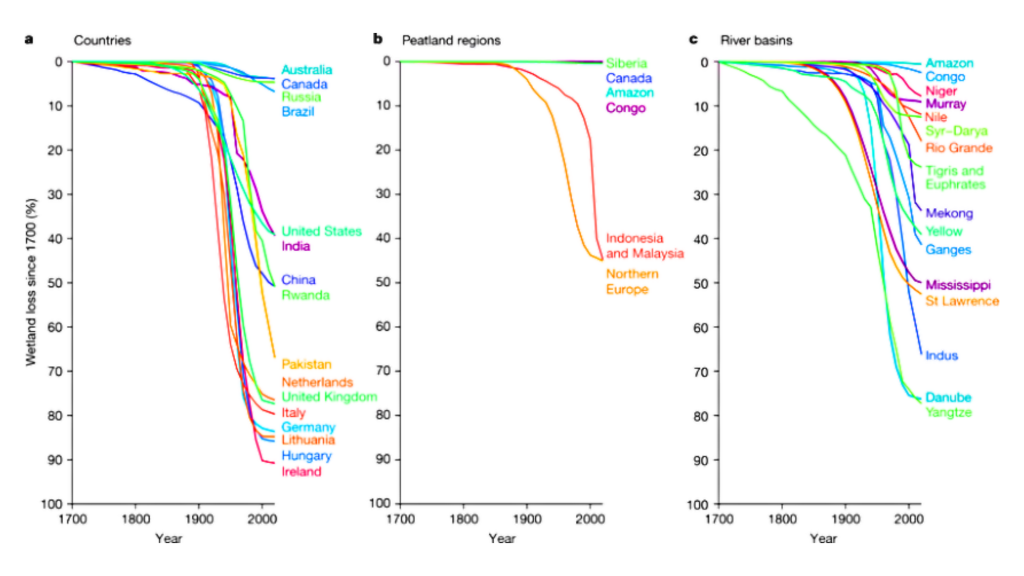
The twilight descends upon a world where silent wings cut through the damp air, where the rustle of reeds whispers secrets older than memory itself. Owls, those enigmatic sentinels of the night, have long been woven into the fabric of human imagination—mystical, wise, and ever-watchful. Yet, beneath their hypnotic gaze lies a crisis unfolding in the wetlands, those vital yet vanishing ecosystems that cradle life in their waterlogged embrace. The loss of these habitats is not merely an ecological tragedy; it is a slow unraveling of the threads that bind owls to their ancient rhythms, threatening to silence their nocturnal songs forever.
Ecology & Environmental Science
How the Barred vs. Spotted Owl Controversy Is Teaching Us About Ecosystem Resilience
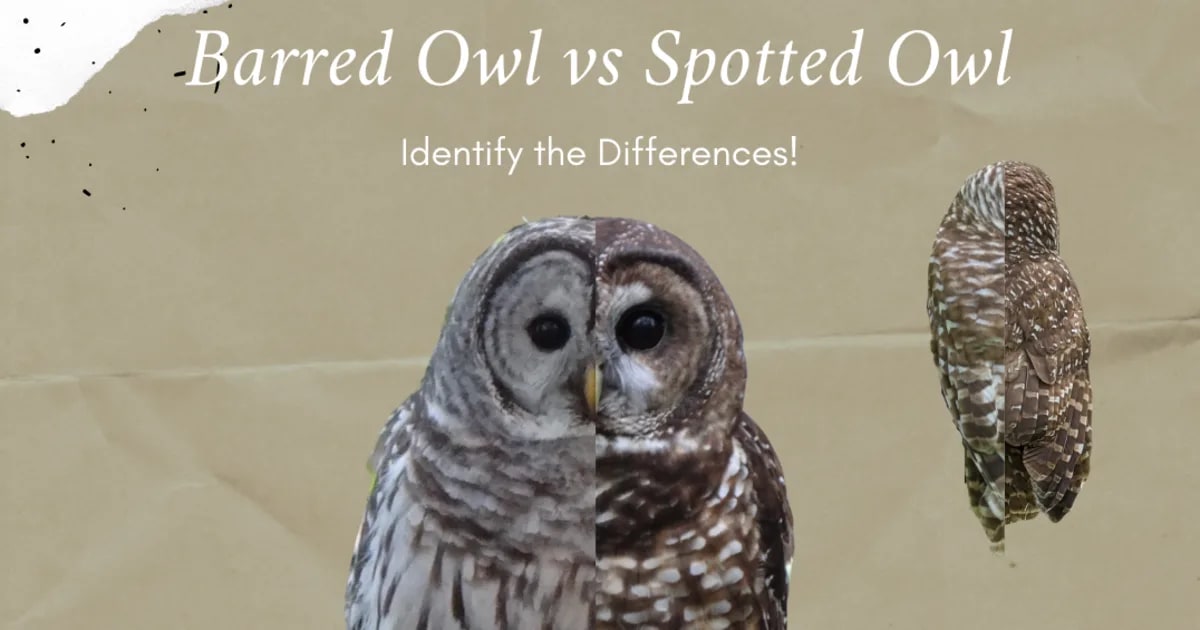
The Barred Owl vs. Spotted Owl controversy isn’t just a clash of feathered titans—it’s a living parable of ecological adaptation, human interference, and the stubborn resilience of nature. For decades, this feud has unfolded across the Pacific Northwest’s ancient forests, where the Spotted Owl, a relic of evolutionary patience, finds itself outmaneuvered by the Barred Owl, a relative upstart from the east. What began as a conservation crisis has quietly morphed into a masterclass in ecosystem dynamism, forcing scientists, policymakers, and even the public to confront uncomfortable truths about how we define success in nature. This isn’t a story of winners and losers, but of a forest rewriting its own rules—and what it might teach us about embracing change rather than resisting it.
How Arctic Tourism Is Affecting Snowy Owl Populations
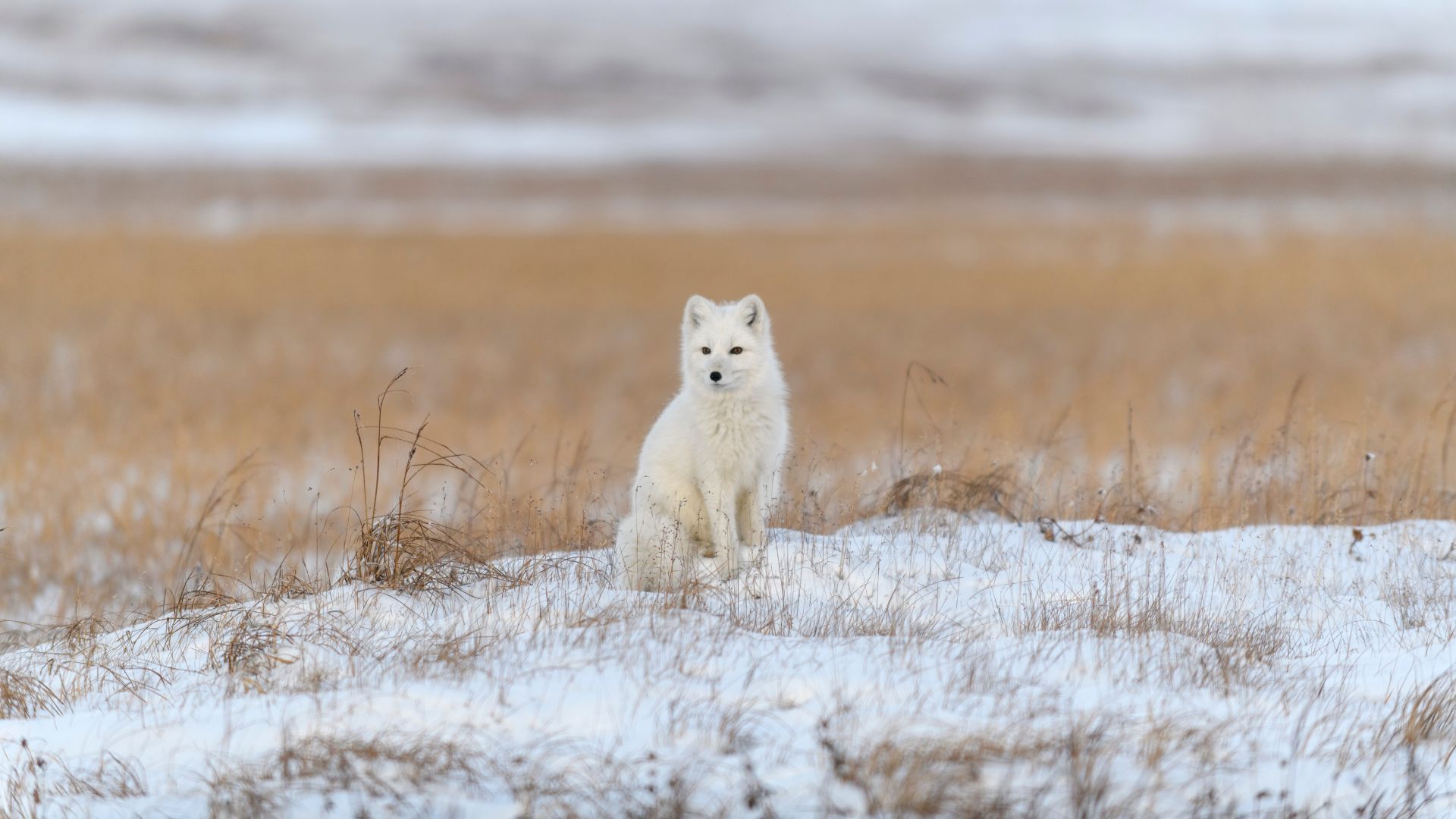
The Arctic is a realm of stark, breathtaking beauty—a frozen symphony of ice and silence, where the aurora borealis paints the sky in shimmering emerald hues and the wind carries whispers of ancient, untamed wilderness. Yet, beneath this ethereal facade, a silent crisis unfolds. The snowy owl, a creature of mythic grace and resilience, finds itself ensnared in the relentless tide of Arctic tourism. Once a sovereign of the tundra, this ghostly predator now navigates a landscape scarred by human footprints, its survival hanging by a thread as the delicate balance of its habitat teeters on the edge of collapse.
The Impact of Ecotourism on Owl Populations: Benefits and Risks

In the quiet hush of twilight, when the world slows its frenetic pace, the owl emerges—not as a mere bird, but as a spectral guardian of the night. Silent wings cut through the air like blades of moonlight, and its gaze, luminous and knowing, pierces the darkness. For centuries, these enigmatic creatures have been woven into human mythos: symbols of wisdom, harbingers of mystery, and silent witnesses to the slow unraveling of ecosystems. Yet, in an era where the earth’s fabric frays under the weight of human ambition, ecotourism has emerged as both a lifeline and a double-edged sword for owl populations worldwide. This delicate dance between conservation and exploitation demands our attention—not just as observers, but as stewards of the night itself.
Melting Ice Shifting Ranges: The New Reality for Arctic Owls
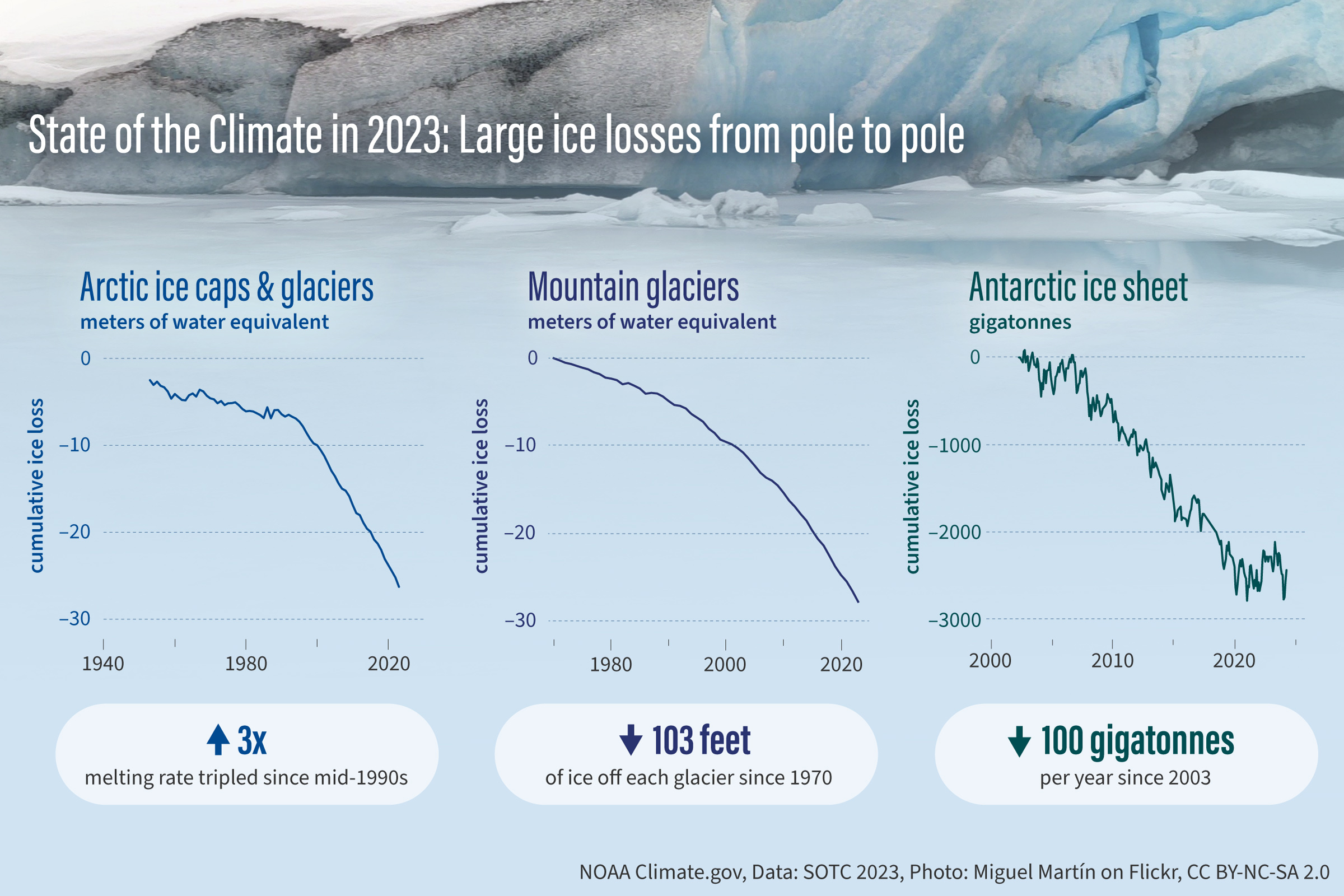
The Arctic is not just a place of ice and snow—it’s a living, breathing ecosystem on the brink of transformation. As the frozen veil recedes, it reveals a world in flux, where the very foundations of life are being rewritten. Among the most affected are the Arctic owls, those silent sentinels of the tundra, whose existence is now intertwined with the relentless march of climate change. Their story is not just one of survival, but of adaptation, resilience, and an unspoken promise of a new ecological order. What happens when the ice melts and the ranges shift? The answer lies in the wings of these majestic birds, whose fate may foreshadow the future of the Arctic itself.
The Owl in Ancient Greek Culture: Athena’s Sacred Bird and Its Legacy
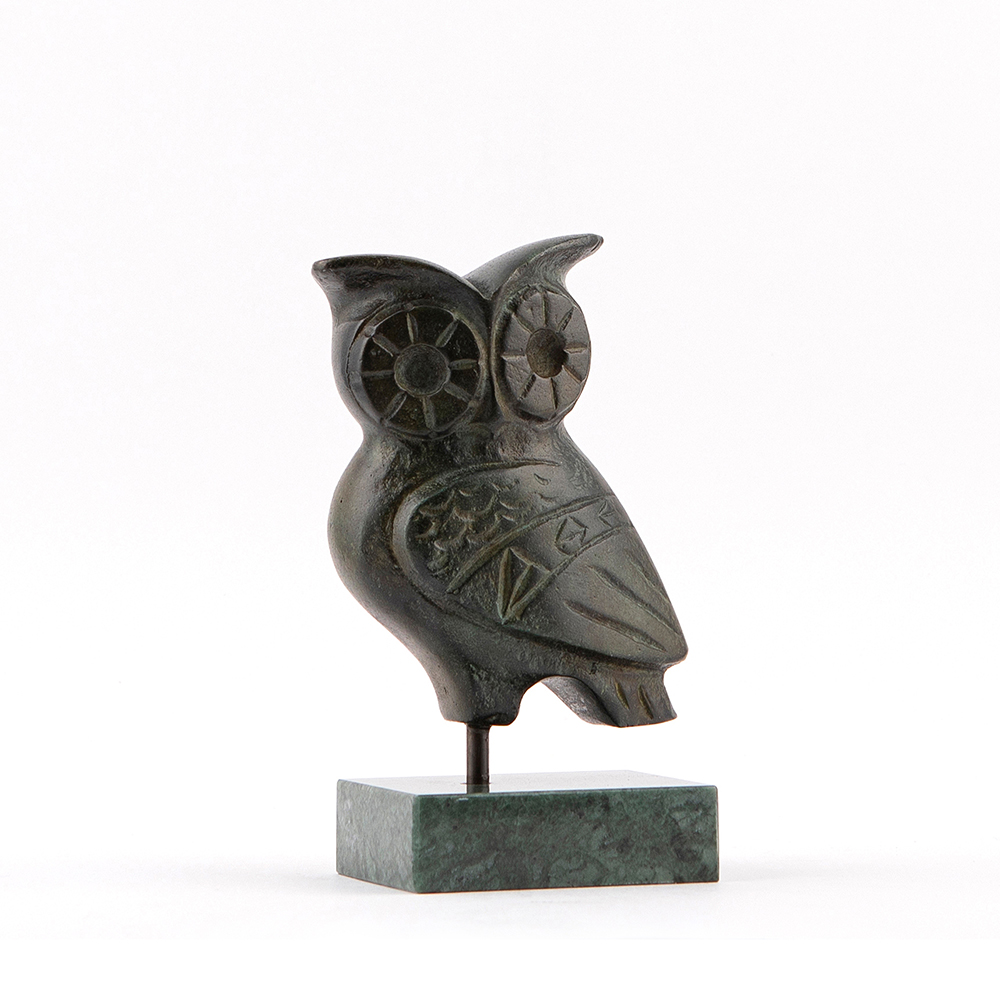
In the pantheon of ancient Greek symbolism, few creatures embody wisdom, strategy, and divine protection as profoundly as the owl. Perched atop Athena’s shoulder or etched into the fabric of mythology, this nocturnal bird transcends its biological form to become a cultural archetype—a silent sentinel of intellect and resilience. Its legacy stretches from the marble temples of Athens to the modern feminist movements that reclaim its power, making the owl not just a creature of myth, but a living emblem of intellectual sovereignty and unyielding grace.
The Role of Snowy Owls in Nutrient Cycling in the Tundra
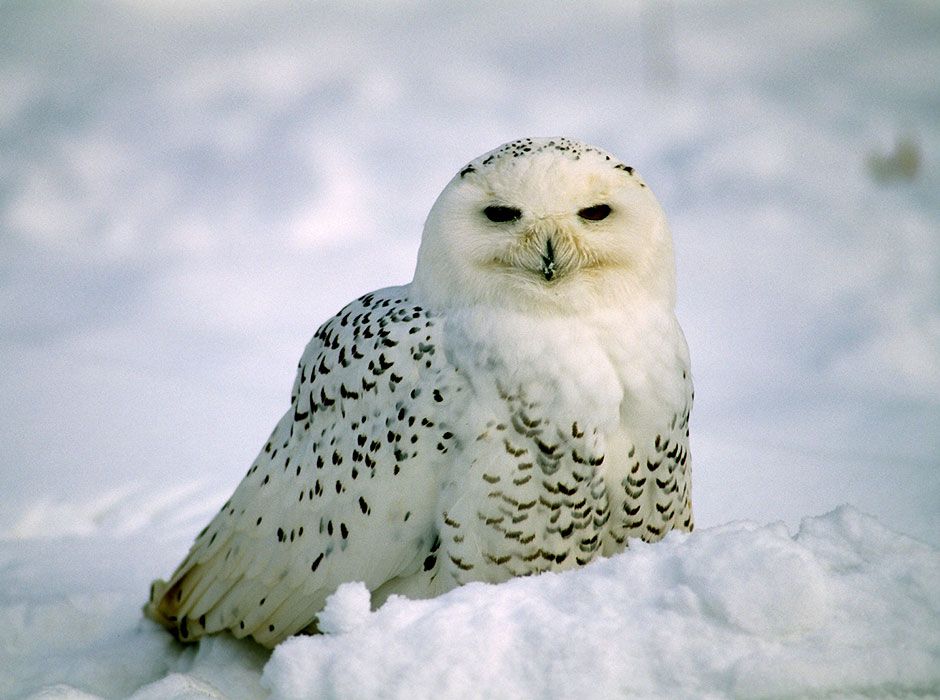
The Arctic tundra is a realm of stark beauty, where the wind sculpts the land into endless undulations of ice and snow. Beneath this frozen expanse, a silent revolution unfolds—one driven not by the might of glaciers, but by the quiet, relentless work of creatures like the snowy owl. These birds, with their piercing golden eyes and feathered cloaks of white, are not mere spectators to the tundra’s cycles. They are architects of nutrient redistribution, their existence a testament to the intricate, often overlooked connections that sustain this fragile ecosystem.
How eDNA Is Being Used to Detect Barred and Spotted Owl Presence
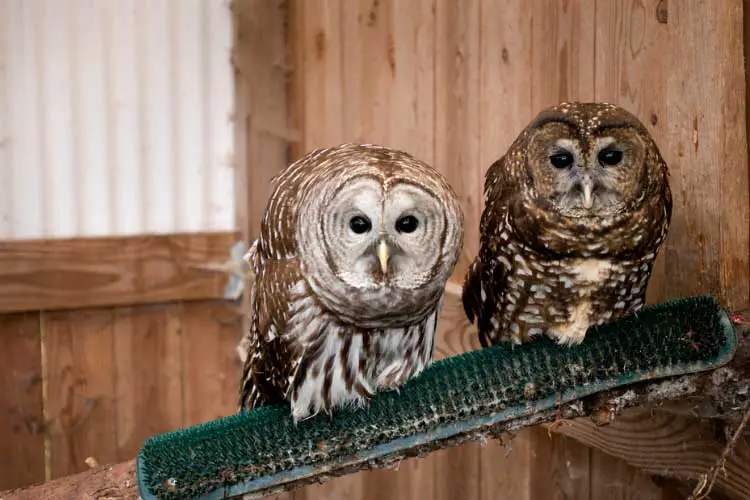
Imagine, for a moment, that you are a barred owl, perched high in the ancient canopy of a Pacific Northwest forest. The air is thick with the scent of moss and damp earth, and the night hums with the whispers of unseen creatures. How would you feel if a silent, invisible detective—one that doesn’t need to see or hear you—could reveal your presence to the world? This isn’t science fiction. It’s the reality of environmental DNA, or eDNA, a revolutionary tool that’s reshaping how we detect elusive species like the barred and spotted owl. But as with any innovation, it comes with its own set of challenges, ones that could redefine the boundaries of conservation.
Barred Owls in the Pacific Northwest: A Timeline of Their Invasion and Expansion
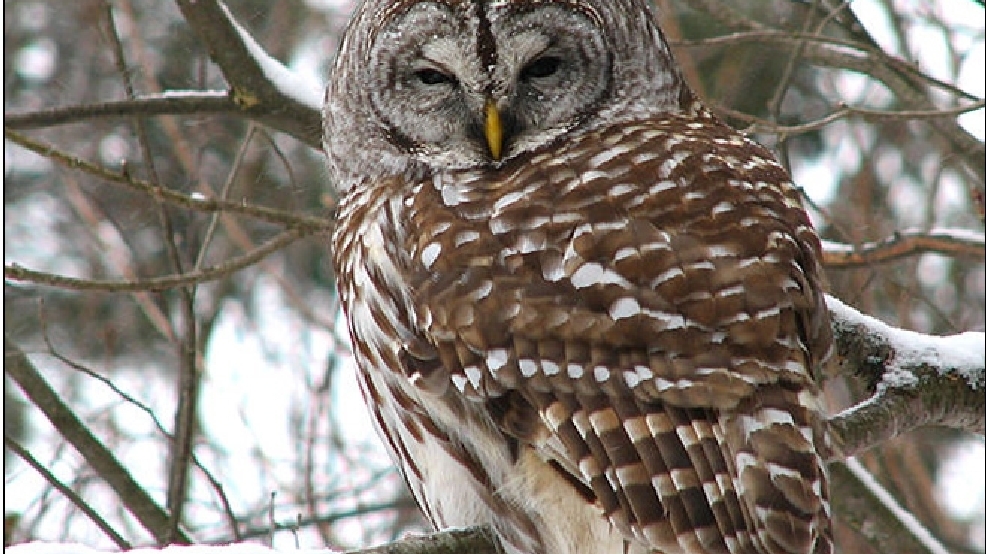
The barred owl, with its haunting, rhythmic call that echoes like a whispered secret through the ancient forests of the Pacific Northwest, has become an unwelcome yet fascinating protagonist in one of the region’s most contentious ecological dramas. Once confined to the eastern woodlands of North America, this adaptable and garrulous bird has staged a quiet invasion, reshaping the very fabric of the Pacific Northwest’s ecosystems. Its expansion is not merely a biological curiosity—it is a narrative of resilience, displacement, and the unintended consequences of human intervention. To trace the barred owl’s journey is to witness the collision of two worlds: the old-growth cathedrals of the West and the relentless march of an opportunistic species. This is the story of how a bird that once whispered in the shadows of the Appalachians now perches in the canopies of Oregon and Washington, its presence both a marvel and a menace.
The Role of Owls in Controlling Agricultural Pests Naturally
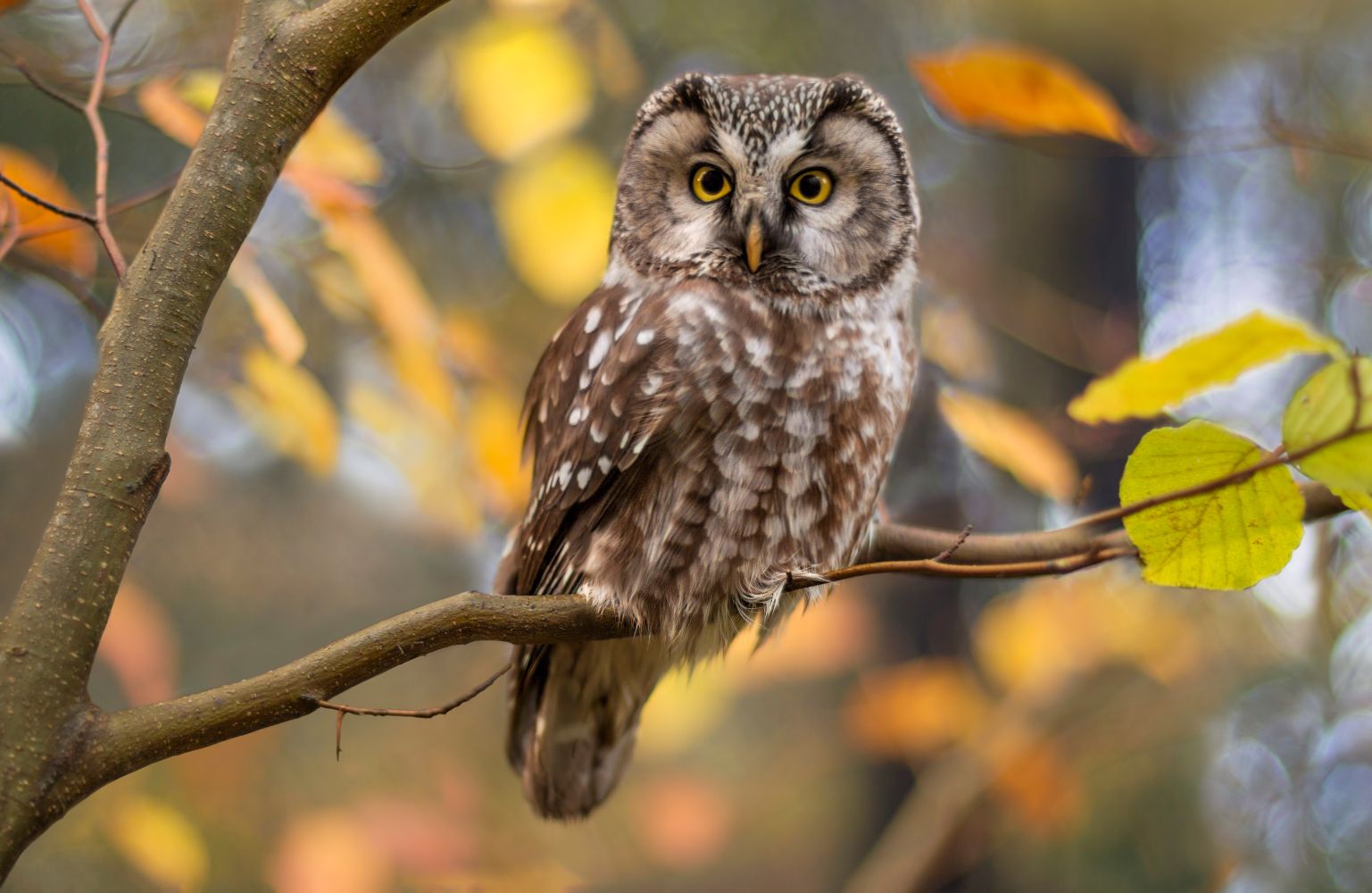
In the quiet hush of twilight, when the sun surrenders its golden reign to the encroaching shadows, a silent guardian takes flight. With wings that whisper against the breeze, the owl glides through the night, its gaze sharp as a blade, its purpose as old as agriculture itself. These feathered sentinels are not mere creatures of folklore or symbols of wisdom—they are the unsung heroes of the farm, the natural pest controllers that have patrolled the fields long before chemical solutions ever darkened a farmer’s doorstep. Their role in controlling agricultural pests is not just a quirk of nature; it is a masterclass in ecological balance, a testament to the power of predation as a tool for harmony.