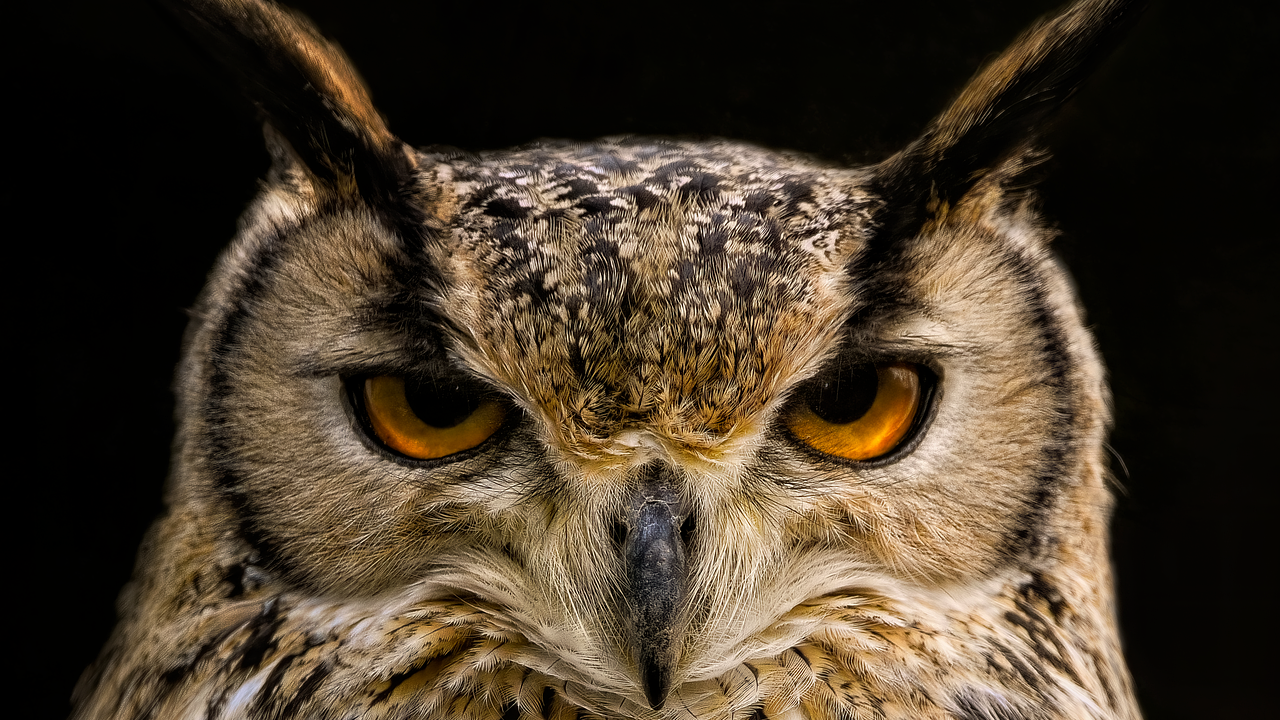
There is a creature that glides through the night, its golden eyes piercing the darkness like twin lanterns in a forgotten crypt. It does not hoot—it whispers. It does not flap—it levitates. The owl, with its silent wings and unblinking gaze, has long been more than a bird. It is a mirror. A mirror that reflects the deepest fears, the loftiest aspirations, and the most enigmatic truths of humanity across millennia. From the sun-drenched temples of ancient Egypt to the mist-laden forests of Celtic lore, the owl has been both revered and reviled, a paradox wrapped in feathers and mystery. This is not merely a tale of a nocturnal creature. It is a chronicle of how cultures have projected their own souls onto the silent sentinel of the night—and how, in doing so, they have redefined wisdom, death, and the very fabric of reality itself.
Ecology & Environmental Science
How to Advocate for Snowy Owl Protection in Climate Policy Discussions
The Arctic tundra, a vast and fragile expanse, is undergoing a silent transformation. Once a sanctuary for the ethereal Snowy Owl, this icy realm now faces an existential threat—not from the talons of a predator, but from the invisible hand of climate change. As global temperatures rise, these majestic birds, adorned in their pristine white plumage, are being pushed to the brink of survival. Yet, their plight is not just a matter of ecological concern; it is a clarion call for justice, a reminder that the most vulnerable among us—both human and non-human—bear the heaviest burden of our collective inaction. Advocating for Snowy Owl protection in climate policy discussions is not merely an environmental imperative; it is a moral obligation, a feminist act of solidarity with the voiceless, and a testament to our commitment to intergenerational equity.
How the Barred vs. Spotted Owl Debate Is Influencing Conservation Ethics Globally

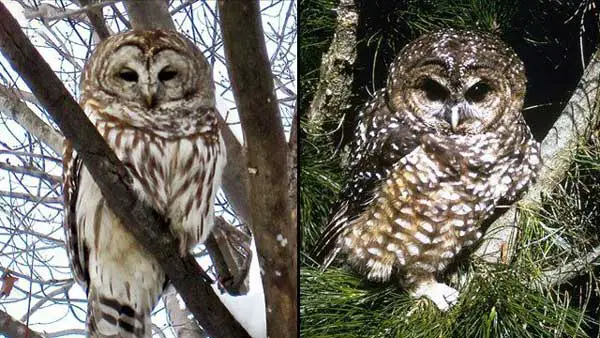
The clash between barred and spotted owls is not merely an ecological skirmish—it is a mirror reflecting the fractures in modern conservation ethics. As these two species vie for dominance in North America’s dwindling old-growth forests, the debate has transcended biology, morphing into a crucible where environmental justice, anthropocentric hubris, and the very definition of wilderness collide. This is not just about owls. It is about the soul of conservation itself.
Spotted Owl Hunting: How They Adapt to Their Forest Environment
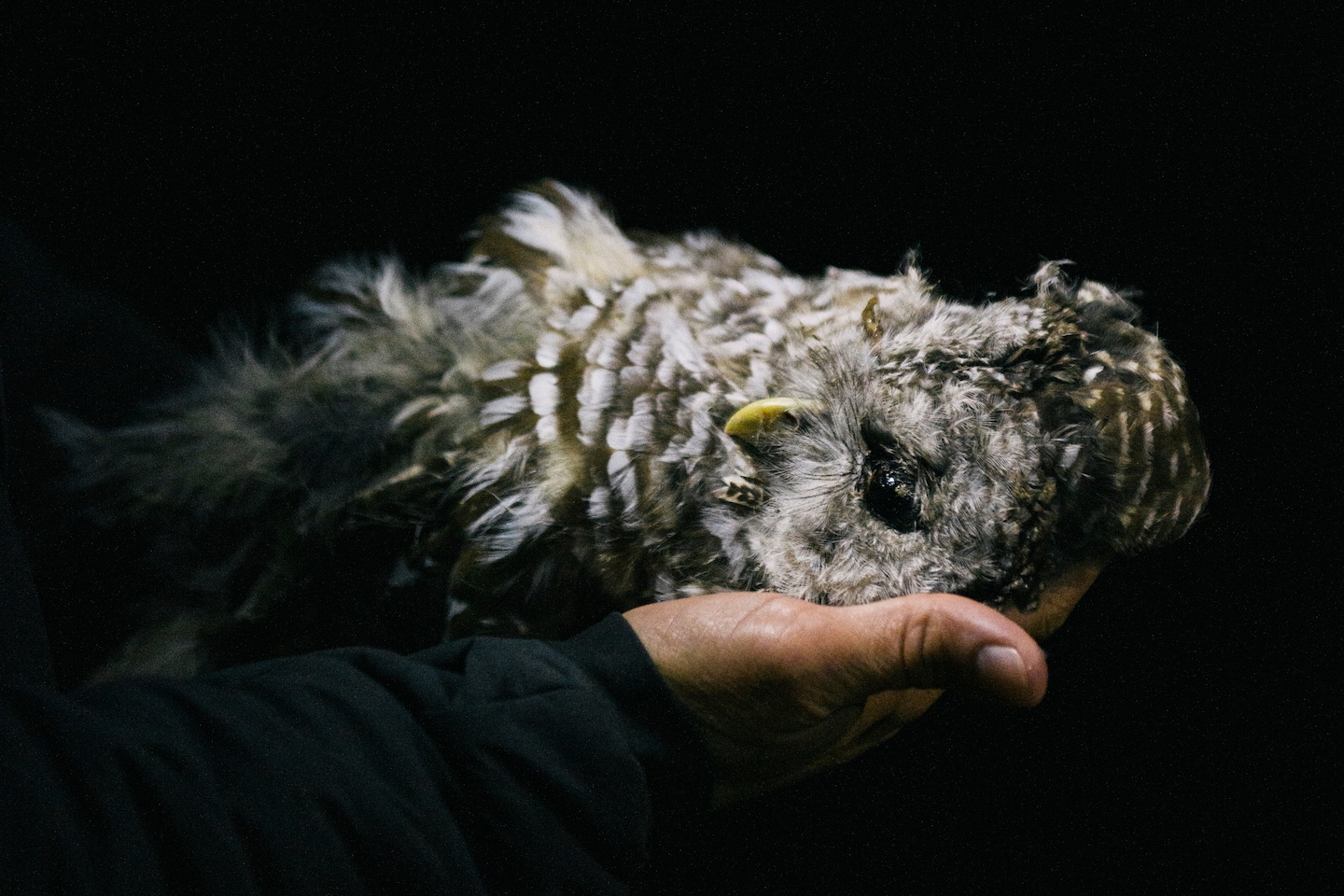
In the quiet depths of ancient forests, where sunlight filters through dense canopies and shadows dance among towering conifers, the spotted owl reigns as one of the most enigmatic raptors. Observers often find themselves captivated not just by the elusive silhouette of this nocturnal predator but by its uncanny adaptation to a world both vast and intimate—a world sculpted by trees, silence, and survival. The fascination with spotted owl hunting is more than a simple intrigue with a bird of prey; it is a gateway into understanding a finely tuned symbiosis between creature and environment, a testament to evolutionary artistry.
Climate Change and the Snowy Owl: A Species on the Move
The Arctic tundra, a vast and windswept expanse of ice and snow, has long been the domain of the snowy owl—a ghostly specter of the winter world. But as the planet warms, this majestic hunter finds itself in a precarious dance with change. What happens when the snowy owl, a creature of perpetual winter, is forced to adapt to a world that no longer obeys the old rules? The answer is as haunting as it is fascinating, revealing a tale of resilience, displacement, and the delicate balance of nature’s grand design.
Barred Owls in Folklore: Tales of Adaptability and Cunning
In the hushed depths of ancient forests, where shadows dance and secrets whisper through the rustling leaves, the barred owl emerges as a figure both enigmatic and revered. Unlike its more cryptic owl kin, this creature’s hoot resounds boldly, a clarion call that has woven itself into the fabric of folklore across diverse cultures. The barred owl, with its distinctive barred plumage and haunting gaze, offers more than mere nocturnal mystery—it beckons us to reconsider the archetypes of wisdom, adaptability, and cunning in the natural and mythical worlds. Prepare to journey beyond the ordinary perceptions of this nocturnal sentinel and uncover the enthralling tales that reframe the barred owl not merely as a harbinger of night, but as a master of survival and wit in folklore.
How Other Countries Are Managing Invasive Owl Populations: Lessons for the U.S.
The night belongs to the owl—a silent sentinel perched upon the gnarled branches of ancient forests, its golden eyes piercing the darkness like twin moons. But what happens when this regal creature, a symbol of wisdom and mystery, becomes an uninvited guest in ecosystems it was never meant to inhabit? Invasive owl populations are wreaking havoc across the globe, disrupting fragile ecological balances and outcompeting native species. From the misty highlands of Hawaii to the sun-drenched islands of the Caribbean, nations are grappling with this feathered paradox. The United States, with its vast and varied landscapes, stands at a crossroads. Can it learn from the strategies of others, or will it repeat the mistakes that have left ecosystems teetering on the edge? The answers lie not just in policy, but in the very fabric of nature’s resilience.
How Machine Learning Is Identifying Barred and Spotted Owl Nests in Satellite Data
Imagine, for a moment, that you are a barred owl—perched high in the canopy of an ancient forest, your piercing eyes scanning the underbrush for the faintest rustle of a mouse. You return to your nest, a carefully woven sanctuary of twigs and moss, to find it disturbed by an intruder: a spotted owl, your ecological rival. Now, what if I told you that high above, a silent sentinel in the sky—a satellite—is watching this very scene, its mechanical gaze trained not on you, but on the patterns of your nest hidden in the foliage? And what if, instead of a human scientist trekking through dense woods, a machine learning algorithm is the one identifying your home from space?
Barred vs. Spotted Owls in Mythology: Contrasting Symbols
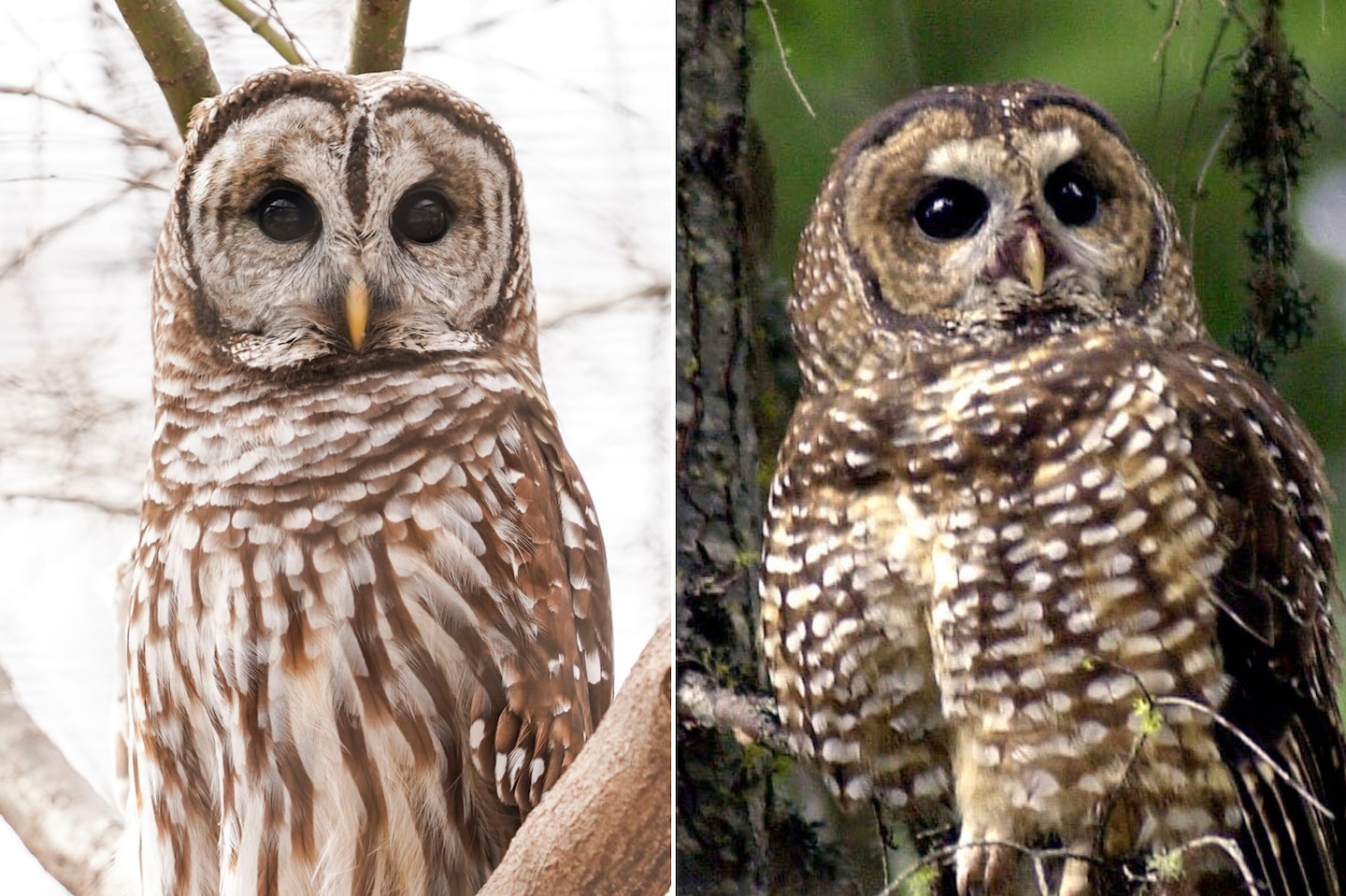
In the twilight world of mythology, owls have always held a place of enigmatic significance. They are creatures of the night, guardians of the unseen, and symbols layered with rich, contrasting meanings. Among these nocturnal birds, the barred owl and the spotted owl stand out not merely as distinct species but as potent symbols whose stories weave through diverse cultures and ancient lore. Through their symbolic contrast, these owls invite a profound reconsideration of how darkness, wisdom, and transformation are perceived across mythological narratives. This exploration promises to shift the conventional perspective on these creatures, sparking curiosity about the ways nature’s subtle nuances echo through human belief systems.
Barred Owls in Dreams: What Do They Symbolize?
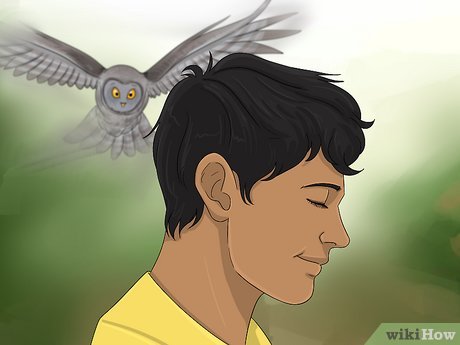
In the silent theater of the night, where shadows stretch long and the veil between worlds thins, the barred owl makes its enigmatic presence known. To dream of this elusive bird is to summon a symbol drenched in mystery and steeped in primal wisdom. Unlike the commonplace owl cloaked in the fabric of folklore, the barred owl carries an intricate tapestry of meaning that beckons deeper introspection. It doesn’t merely represent the obscure; it whispers secrets of the soul’s journey, cloaked in muted, haunting calls echoing through the corridors of the subconscious.