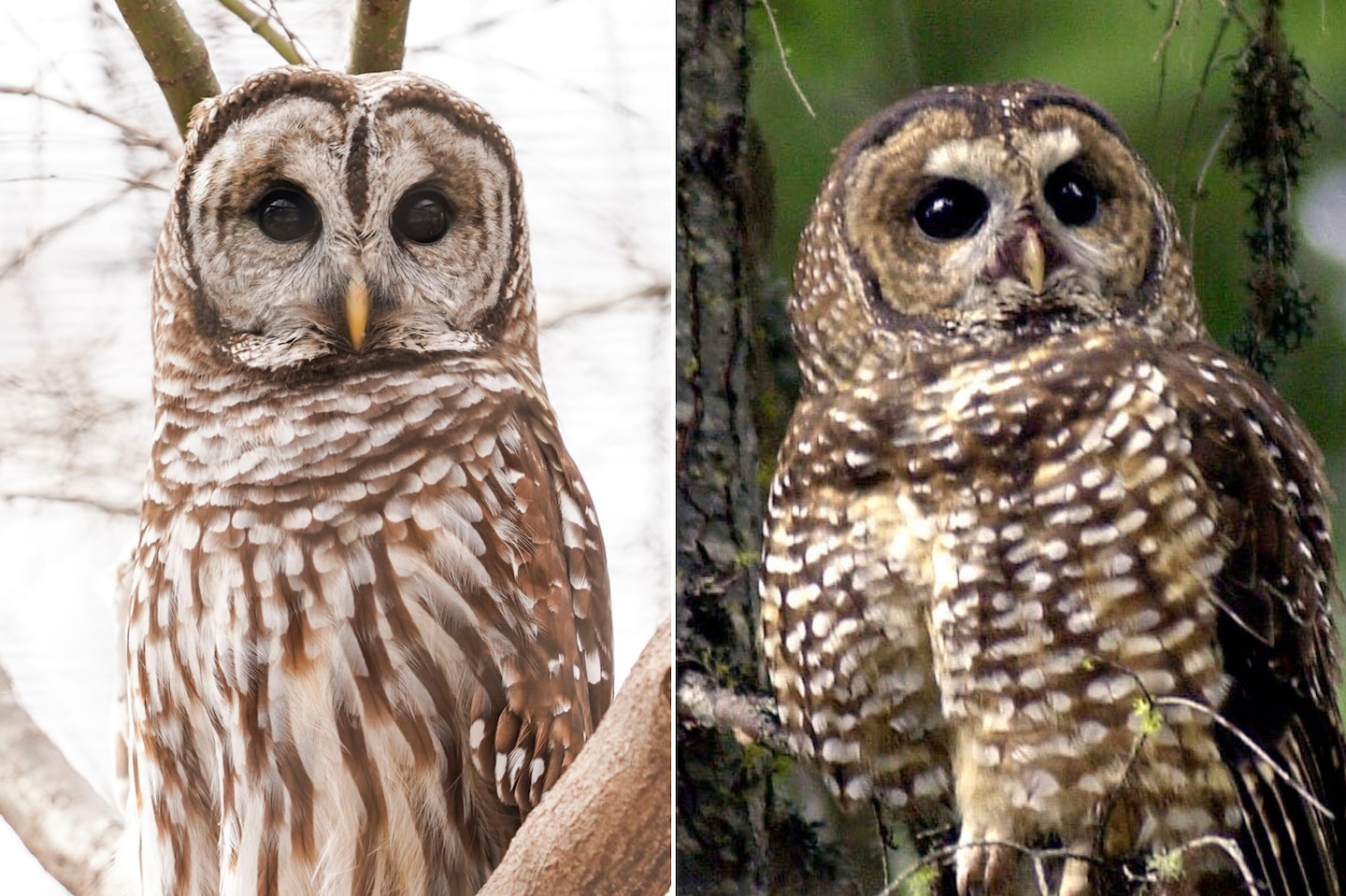
In the shadowed recesses of ancient forests, two elusive avian creatures engage in a silent, often unseen ballet of survival. The barred owl and the spotted owl, each occupying overlapping habitats, embody a delicate balance within their ecosystems. Yet, human intervention and environmental shifts have thrust their existence into uncertainty. Enter the era of citizen science apps—a revolutionary conduit transforming how these enigmatic owls are tracked, studied, and ultimately protected. This technological renaissance heralds a profound paradigm shift: empowering ordinary individuals to become vital guardians of biodiversity, bridging the chasm between scientific inquiry and grassroots action.
The Increasingly Complex Challenge of Monitoring Owl Populations
For decades, wildlife officials and ecologists grappled with the daunting task of monitoring barred and spotted owls. These nocturnal denizens are notoriously difficult to track due to their cryptic nature, camouflaged plumage, and vast territorial ranges. Traditional methods—such as field surveys and call playback—demanded extensive manpower, expertise, and time. Furthermore, these efforts were often geographically constrained, unable to capture the breadth of owl activity across sprawling wilderness landscapes.
Compounding the challenge, the barred owl’s steady encroachment into spotted owl territories exacerbates their tenuous coexistence. The barred owl’s aggressive expansion threatens the spotted owl’s survival, prompting controversial management strategies including culling. Accurate, real-time data on population dynamics and habitat utilization became more crucial yet remained elusive, underscoring the pressing need for innovative monitoring methodologies.
Citizen Science Apps: Democratizing Data Collection
Technology has opened a gateway for a seismic shift in conservation science through citizen science applications. These user-friendly platforms harness the power of smartphones and GPS technology, enabling individuals—regardless of formal scientific training—to document sightings of barred and spotted owls with unprecedented ease and precision.
Participants simply record observations via app interfaces, often complemented by photographic evidence, audio recordings of owl calls, and geotagged locations. This influx of grassroots data creates an extensive, dynamically updated atlas of owl distribution patterns, breeding sites, and migratory behaviors. Notably, such crowdsourced data transcends geographic limitations, weaving a dense network of observation points far beyond the reach of conventional fieldwork.
Seamless Integration of Technology and Ecology
The sophistication embedded within these apps extends beyond data collection. Advanced algorithms and machine learning tools sift through thousands of submissions, filtering, validating, and analyzing data for accuracy and relevance. User submissions are cross-referenced with known owl behaviors and habitats, minimizing false positives. This integration of cutting-edge computational power with ecological expertise elevates the reliability of citizen-generated insights.
Moreover, real-time updates empower conservationists to identify emerging trends—such as shifts in barred owl territorial boundaries or unexpected spotted owl absences—prompting timely intervention measures. The immediacy of information flow fosters a nimble approach to wildlife management, supplanting erstwhile static and retrospective methodologies.
Enhancing Public Engagement and Conservation Ethos
Beyond its scientific utility, the proliferation of citizen science apps engenders a renewed intimacy between the public and the natural world. Participants evolve from passive observers into conscientious contributors, forging a profound connection with the enigmatic lives of barred and spotted owls. This symbiotic relationship nurtures environmental stewardship and fuels advocacy for sustainable forest management.
The gamification elements intrinsic to many apps—such as earning badges, leaderboards, and community challenges—augment user engagement, motivating sustained involvement and fostering vibrant communities of like-minded conservationists. These virtual ecosystems cultivate empathy and awareness, translating digital interactions into tangible conservation momentum.
Driving Informed Policy and Wildlife Management Decisions
Data amassed through citizen science apps has progressively informed policy frameworks governing barred and spotted owl populations. The granular insights into owl distribution and population health serve as invaluable resources for wildlife officials crafting intervention strategies, including habitat restoration, population control, or protective regulations.
Notably, this participatory data model democratizes environmental decision-making. It supplements traditional academic research with diverse, community-sourced perspectives, enhancing both transparency and inclusivity. In an era marked by complex species management challenges, this amalgamation of citizen input and professional expertise charts a course towards more adaptive and effective conservation policies.
Challenges and the Road Ahead
Despite their promise, citizen science apps face hurdles—namely data quality assurance, participant retention, and equitable access to technology. Ensuring that observations are accurate requires sustained education and app refinement. Additionally, engaging diverse demographics remains crucial to avoid biases in data representation.
However, the trajectory is unmistakably optimistic. Ongoing advancements in artificial intelligence promise to further refine data vetting. Enhanced outreach efforts target inclusivity, inviting broader participation across age groups, socioeconomic backgrounds, and geographic locales. As these digital tools evolve, so too will their capacity to safeguard the intricate tapestry of life embodied by barred and spotted owls.
Conclusion: A New Dawn in Wildlife Conservation
The convergence of ecological science, technology, and public participation through citizen science apps marks a pivotal chapter in the stewardship of barred and spotted owls. This approach transcends mere data aggregation; it cultivates a collective consciousness rooted in curiosity, responsibility, and reverence for nature’s complexity. Each sighting logged, each call recorded becomes a thread weaving a stronger narrative of coexistence and preservation.
In this unfolding story, everyday citizens emerge as vital protagonists—armed with apps and driven by passion—redefining what it means to protect wildlife in a rapidly changing world. The silent forests echo with newfound hope, as technology and humanity unite to illuminate the lives of these captivating owls, promising not only survival but a flourishing future.