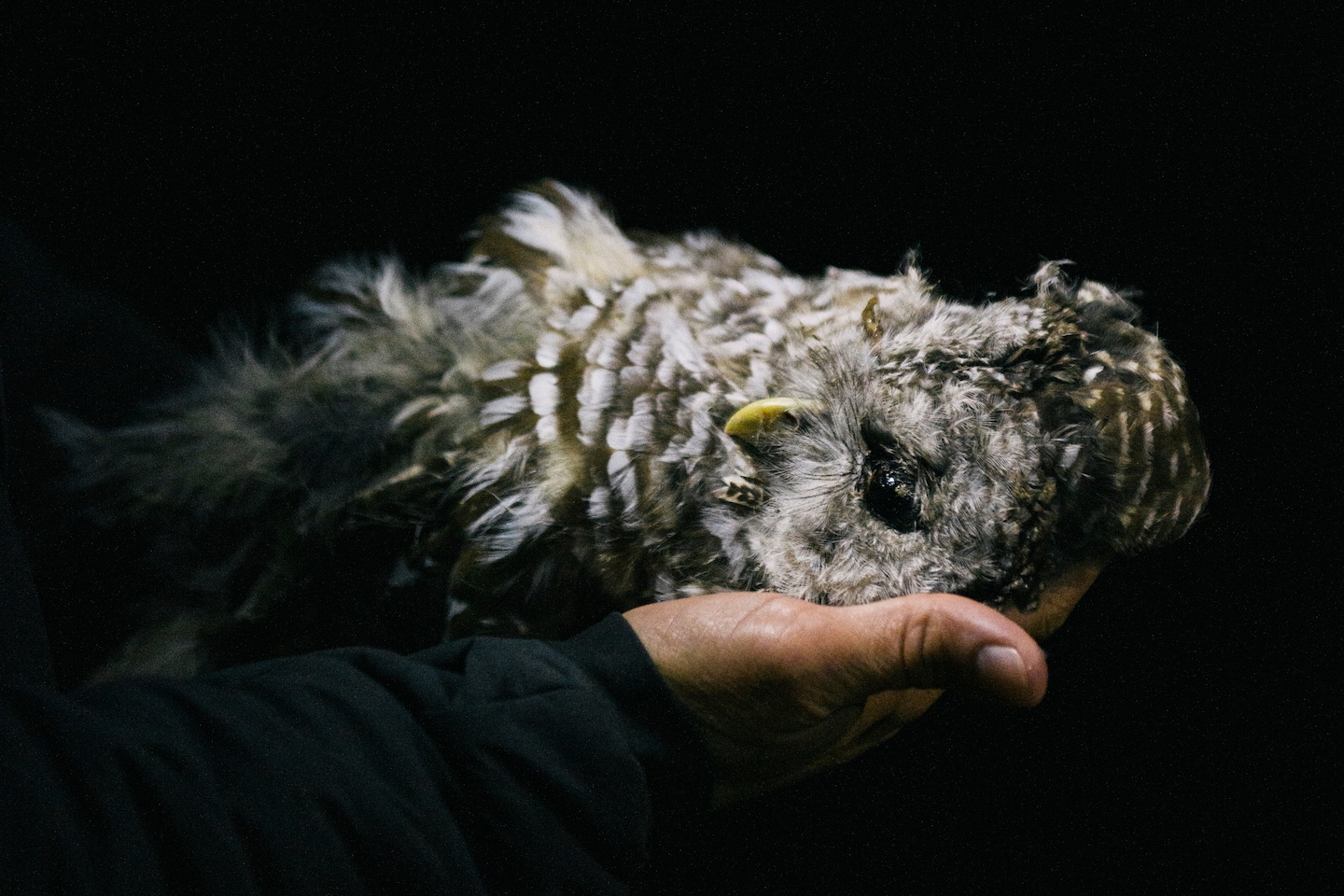
In the quiet depths of ancient forests, where sunlight filters through dense canopies and shadows dance among towering conifers, the spotted owl reigns as one of the most enigmatic raptors. Observers often find themselves captivated not just by the elusive silhouette of this nocturnal predator but by its uncanny adaptation to a world both vast and intimate—a world sculpted by trees, silence, and survival. The fascination with spotted owl hunting is more than a simple intrigue with a bird of prey; it is a gateway into understanding a finely tuned symbiosis between creature and environment, a testament to evolutionary artistry.
Intricate Camouflage: The Art of Concealment
The spotted owl’s plumage is an exquisite mosaic of mottled browns, whites, and blacks, an evolutionary masterpiece designed to mimic the dappled light patterns of their shaded habitat. This natural cryptic coloration enables the owl to vanish against the bark of old-growth trees and moss-laden branches. Such camouflage is not mere happenstance; it reflects a coevolutionary dance between predator and prey. The owl’s feathers absorb and scatter light in ways that break up its outline, confounding potential prey and evading the notice of larger predators. This visual deception is a cornerstone of their hunting strategy, allowing them to perch silently for hours, practically invisible to the untrained eye.
Silence in Flight: The Soundless Pursuit
Perhaps the most mesmerizing aspect of the spotted owl is its near-silent flight. Unlike other birds, the wing feathers of these owls possess specialized serrations along the leading edges, fringed with velvety down that dramatically reduces turbulence and noise. This adaptation allows the owl to glide through the forest with an eerie stillness, approaching prey without warning. The soundless flight is crucial in a densely vegetated environment where even the slightest rustle alerts the nimblest rodents and songbirds. This stealth element epitomizes nature’s ingenuity and elevates the owl’s hunting to an almost spectral level, underscoring why so many find their behavior so enthralling.
Visual Precision: Mastery of Low Light Hunting
Spotted owls are crepuscular and nocturnal hunters, thriving in the dim twilight and deep night hours when their prey is most vulnerable. Their large, forward-facing eyes house an extraordinary concentration of rod cells, specialized for night vision, enabling them to detect the faintest motion amidst the shadows. Unlike humans, their eyes provide exceptional depth perception, guiding lethal strikes with pinpoint accuracy even under the faintest glimmers of moonlight. These superb visual faculties are complemented by keen auditory senses, rendering the owl a masterful hunter in an environment that oscillates between obscurity and illumination.
Auditory Acuity: Locating the Invisible
The auditory apparatus of the spotted owl is a marvel of evolutionary engineering. Asymmetrically placed ear openings allow precise three-dimensional localization of sound, vital in the forest’s intricate soundscape. By triangulating echoes and the subtlest rustlings of prey like voles or the flutter of a bat’s wings, the owl can zero in on targets occluded by foliage. This sonic cartography becomes a vital hunting tool when visual cues fail in the densest darkness. The owl’s acute hearing complements its stealth and vision, forming an integrated sensory system honed specifically for the challenges of its timbered domain.
Strategic Patience: The Hunt as a Quiet Ritual
Hunting is not a frenzied chase but a composed and contemplative act. The spotted owl exhibits astonishing patience, often remaining motionless for extended periods, a stillness that mirrors the timeless forest itself. This deliberate stillness conserves energy and reduces the risk of detection, showcasing a hunting technique that transcends mere predation and enters the realm of an almost meditative ritual. When opportunity strikes, the owl launches a swift and decisive attack, minimizing struggle. The underlying grace and economy of effort within this ritual captivate onlookers and inspire reflections on the balance between power and restraint in the natural world.
Environmental Integration: Adaptation to Old-Growth Forests
The spotted owl’s hunting prowess is inseparable from the old-growth forest ecosystems it inhabits. These forests, with their multilayered canopies, substantial snags, and abundant understory, provide the complex habitat structure necessary for successful foraging. The owl utilizes towering trees for vigilant perches, benefitting from the structural heterogeneity these ancient landscapes afford. Intricately intertwined with this environment, their hunting methods are adapted not only to a physical space but to a web of ecological relationships—the presence of prey species, competing predators, and the forest’s own cyclical rhythms. This profound ecological integration heightens fascination, as it illustrates nature’s intricate interconnectedness in a living tapestry.
Conservation and Conflict: The Human Dimension of Owl Hunting
The fascination with the spotted owl’s hunting adaptations is intensified by the human narratives entwined with its existence. As forests have receded and fragmented under anthropogenic pressures, the owl’s habitat and prey dynamics have altered dramatically. This disruption has fueled conflicts, notably with invasive species whose presence disturbs the delicate balance the owl depends upon. These struggles provide a poignant backdrop to the owl’s behaviors, eliciting a deeper emotional response. Observers find themselves not only appreciating the owl’s biological marvels but also grappling with broader themes of conservation, coexistence, and the consequences of human intervention in wild places.
Conclusion: The Enigmatic Pursuit of Survival
The spotted owl’s hunting strategies reveal a creature exquisitely adapted to its forest environment—a specialist whose survival hinges on extraordinary visual, auditory, and behavioral refinements. Each silent glide, each carefully chosen perch, each calculated strike embodies an ancient wisdom encoded within the species. This deep adaptation fosters a fascination that surpasses mere admiration; it inspires a reflection on the fragile yet resilient threads that weave life into the dense fabric of the forest. In the owl’s enigmatic pursuit of survival, we witness not only a predator but a symbol—a living metaphor for nature’s enduring artistry and persistence in the ever-changing wilderness.