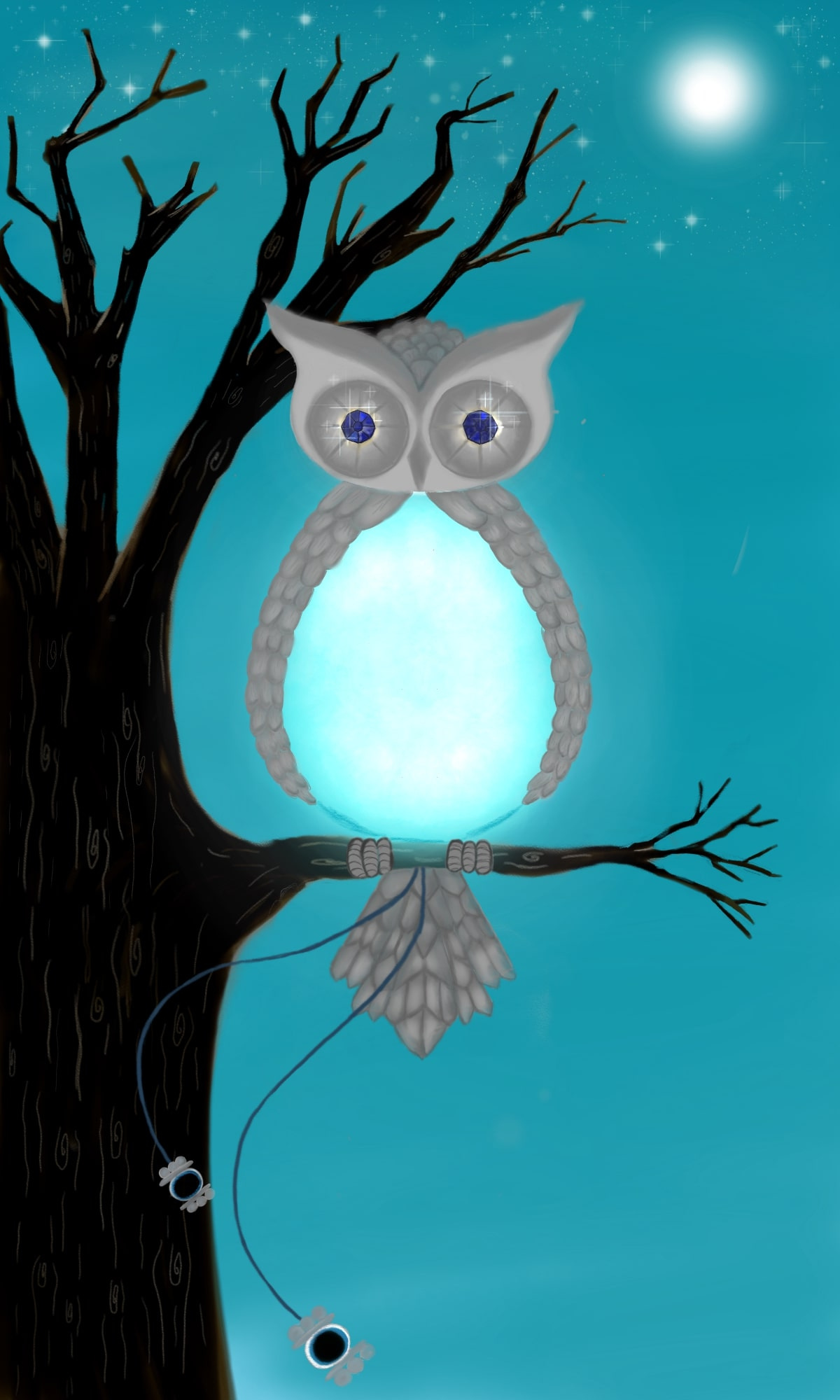
The owl, that enigmatic sentinel of the night, has long been a symbol of wisdom, mystery, and silent vigilance. Yet, in our modern world, these creatures face threats that are as silent as their flight—habitat destruction, pollution, and human encroachment. Art and creativity, however, possess the power to transcend mere aesthetics; they can become instruments of change, awakening empathy and inspiring action. By wielding creativity as a tool, we can transform the owl from a passive emblem into an active advocate for its own survival. This is not just about preserving a species; it’s about redefining our relationship with the natural world through the language of art.
The Owl as a Metaphor: Unveiling Nature’s Silent Guardian
The owl’s nocturnal prowess and piercing gaze have made it a potent metaphor across cultures. In ancient Greece, it was the companion of Athena, goddess of wisdom, while in Native American traditions, it was a messenger between worlds. Yet, its symbolism is not static—it evolves with the times. Today, the owl embodies resilience in the face of adversity, a creature that thrives in the shadows while the world around it changes. Art can amplify this metaphor, casting the owl not as a relic of the past, but as a living, breathing emblem of environmental stewardship. Through vibrant murals, evocative sculptures, or even digital art, we can reimagine the owl as a guardian of ecosystems, its wings spread wide to shield the forests it calls home.
Visual Storytelling: Painting the Urgency of Conservation
Art has the unique ability to distill complex issues into visceral, emotional experiences. A single painting can convey the devastation of deforestation better than a thousand statistics. Imagine a canvas where an owl’s feathers dissolve into swirling smoke, its eyes filled with sorrow as the trees around it crumble. Or a digital illustration where the owl’s talons clutch not prey, but fragments of plastic waste, a stark reminder of pollution’s toll. These are not just images; they are calls to action. By leveraging the power of visual storytelling, artists can bridge the gap between human indifference and ecological urgency, making the invisible threads of environmental decay visible to all.
Interactive Art: Engaging Communities in the Cause
Creativity need not be confined to galleries or screens—it can be a communal experience. Interactive art installations, such as augmented reality (AR) sculptures of owls perched in urban spaces, can invite passersby to engage with the plight of these birds. Imagine walking through a park where a virtual owl’s gaze follows you, its wings fluttering in response to your movements, accompanied by a whispered fact about owl conservation. Or a participatory mural where community members contribute brushstrokes, each one symbolizing a pledge to protect local wildlife. These immersive experiences transform passive observers into active participants, fostering a sense of collective responsibility.
Music and Soundscapes: The Symphony of the Night
While visual art captures the eye, music and soundscapes can evoke the soul of the owl’s world. Composers can craft symphonies that mimic the haunting calls of owls, interwoven with the sounds of rustling leaves and distant thunder—an auditory landscape that underscores the fragility of nocturnal ecosystems. These compositions can be performed in habitats threatened by human activity, serving as a poignant reminder of what stands to be lost. Alternatively, ambient soundscapes of owl habitats can be shared online, transporting listeners to the quiet majesty of old-growth forests, where the owl’s presence is both a comfort and a warning.
Literary Art: Crafting Narratives of Hope and Resistance
Words, too, can be a form of art that champions owl protection. Poets can weave odes to the owl’s resilience, using vivid metaphors to describe its flight as a dance with destiny. Short stories can personify owls as characters who outwit human antagonists, their intelligence and adaptability serving as a foil to humanity’s shortsightedness. Even children’s books can introduce young readers to the owl’s world, framing conservation as an adventure rather than a chore. Through storytelling, we can humanize these creatures, making their struggles relatable and their survival a shared mission.
Public Art Campaigns: Turning Cities into Canvases for Change
Urban spaces are often the battlegrounds where nature and human development clash. Public art campaigns can reclaim these spaces, turning them into platforms for advocacy. Imagine a city’s subway tunnels adorned with murals of owls perched on subway cars, their eyes reflecting the faces of commuters, a silent reminder of the wildlife that once thrived in these areas. Or street art that transforms utility boxes into miniature owl habitats, each one a tiny sanctuary in the concrete jungle. These interventions do more than beautify—they challenge perceptions, making the invisible visible and the ignored, undeniable.
Digital Activism: Harnessing the Power of Social Media
In the digital age, art can spread like wildfire. Social media platforms become galleries where owl-themed illustrations, animations, and memes circulate, reaching millions in seconds. Artists can collaborate with influencers to create shareable content, such as animated owls that “disappear” when users scroll past, symbolizing habitat loss. Hashtag campaigns like #SaveTheOwls can unite creators worldwide, turning individual voices into a chorus of demand for policy change. The internet’s vast reach ensures that the message of owl protection transcends borders, uniting global audiences in a shared cause.
Collaborative Projects: Bridging Art and Science
The most impactful conservation efforts are those that blend art with science. Collaborations between artists and biologists can yield works that are both aesthetically stunning and scientifically accurate. For example, a series of scientific illustrations could depict owl species in their natural habitats, accompanied by QR codes linking to conservation resources. Or a documentary film could pair stunning cinematography with expert commentary, creating an immersive experience that educates and inspires. These partnerships ensure that art is not just emotive but also informative, grounding creativity in the realities of ecological science.
The Ripple Effect: How Art Inspires Policy and Behavior
The influence of art extends beyond awareness—it can drive tangible change. When a mural of an owl becomes a city’s landmark, it sparks conversations that lead to policy discussions. When a viral campaign garners enough attention, it pressures governments to act. Art has the power to shift cultural narratives, making conservation a priority rather than an afterthought. By embedding owl protection into the public consciousness, we create a ripple effect that touches every corner of society, from individual behaviors to legislative agendas.
The owl’s silent flight is a metaphor for the quiet crises unfolding in our ecosystems. Yet, through art, we can give these crises a voice—a voice that is loud, compelling, and impossible to ignore. By embracing creativity as a tool for advocacy, we transform the owl from a symbol into a movement, a movement that champions not just one species, but the very idea of coexistence. The canvas is vast, the tools are endless, and the time to act is now. Let us paint a future where owls soar freely, their wings unburdened by the weight of human neglect.