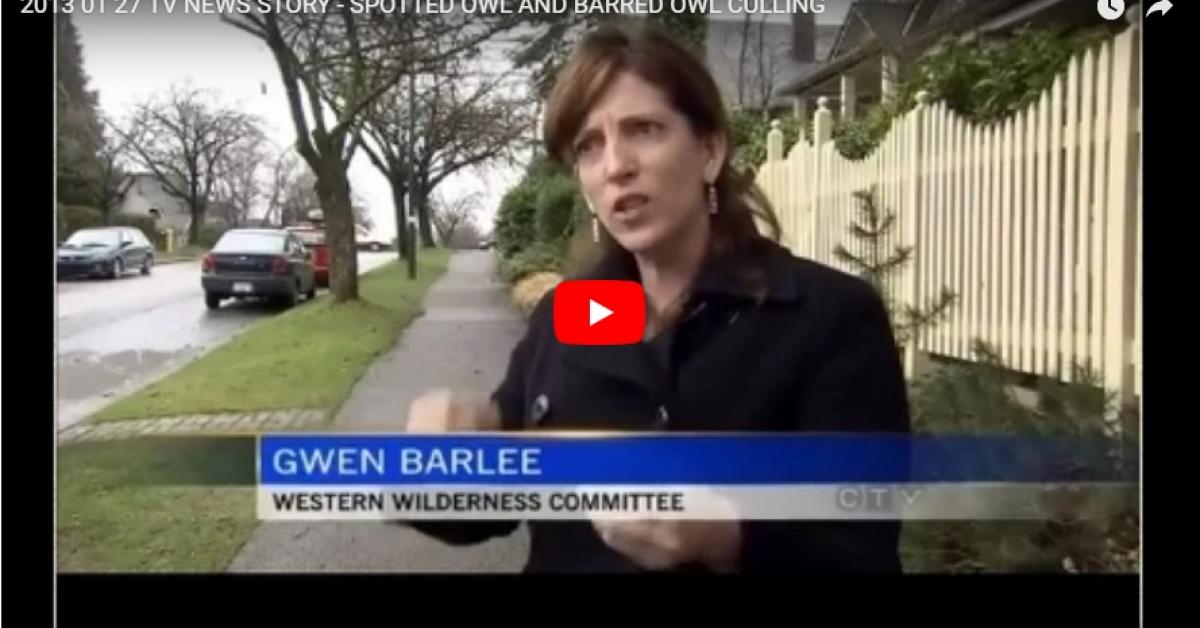
The ancient forests of the Pacific Northwest hum with secrets—whispers of barred owls’ hoots echoing through the canopy, while the ghostly silhouettes of spotted owls flit between the shadows. But beneath this serene facade, a storm brews. A legal tempest has erupted over the controversial practice of barred owl culling, a desperate measure to save the endangered spotted owl from extinction. What began as a scientific debate has spiraled into a clash of ethics, law, and public sentiment, with lawsuits flying, protests swelling, and emotions running high. This is not just a battle over birds; it is a collision of values, a reckoning with humanity’s role in the natural world.
The Roots of the Conflict: A Delicate Ecological Balance
The spotted owl, a relic of ancient forests, has long been the poster child for conservation efforts in the Pacific Northwest. Its survival hinges on old-growth ecosystems, where towering Douglas firs and hemlocks provide sanctuary. But the barred owl, a relative newcomer to these woodlands, has muscled its way into the scene. More aggressive and adaptable, the barred owl outcompetes its spotted cousin for food and territory, pushing it ever closer to oblivion.
In response, wildlife agencies have resorted to a drastic tactic: culling barred owls to alleviate pressure on their beleaguered kin. The logic is coldly utilitarian—sacrifice a few to save a species. Yet, this approach has ignited a firestorm of controversy. Critics argue that it is a bandage on a bullet wound, a shortsighted solution that ignores the deeper wounds inflicted by habitat destruction and climate change. The barred owl, they say, is merely a symptom of a larger ecological imbalance, one that humans have engineered through centuries of exploitation.
Lawsuits as Weapons: The Legal Arsenal of Conservation
The courtroom has become the latest battleground in this ecological war. Environmental groups have filed lawsuits to halt barred owl culling, arguing that it violates federal wildlife protection laws. The Endangered Species Act, a bulwark against extinction, is at the heart of the dispute. Plaintiffs contend that the government’s actions are arbitrary and capricious, a violation of the Administrative Procedure Act. They demand that the courts intervene, not just to stop the culling, but to force a reevaluation of the entire conservation strategy.
Meanwhile, the government stands firm, defending its actions as a necessary evil. Biologists and policymakers point to data showing that barred owl removal has, in some cases, led to a resurgence in spotted owl populations. They argue that the lawsuits are a delaying tactic, a way for critics to stall progress while the spotted owl inches closer to extinction. The legal wrangling has dragged on for years, with no clear resolution in sight. Each ruling is a pendulum swing, a temporary reprieve or a setback that leaves both sides more entrenched in their positions.
Public Outcry: The Heartbeat of the Resistance
Beyond the courtroom, the streets have become a stage for protest. Animal rights activists, Indigenous communities, and ordinary citizens have taken up the cause, their voices rising in unison against the culling. Social media has amplified their message, turning local grievances into a global outcry. The barred owl, once a mere footnote in the annals of ornithology, has become a symbol—a feathered martyr in the fight for ethical conservation.
The protests are not just about owls; they are about the soul of conservation itself. Critics argue that culling is a relic of a bygone era, a time when humanity saw itself as the master of nature rather than its steward. They demand a shift toward holistic solutions—habitat restoration, climate action, and coexistence. The barred owl, they say, is not the enemy; it is a messenger, a reminder that nature’s balance is fragile and that human intervention often does more harm than good.
Yet, the public outcry is not monolithic. Some conservationists, weary of decades of decline, see culling as a bitter pill that must be swallowed. They argue that the spotted owl’s survival is non-negotiable, and that every tool—even the most controversial—must be wielded to prevent its extinction. The debate has fractured alliances, pitting environmentalists against one another in a clash of philosophies. The question lingers: Is it possible to save a species without sacrificing another?
The Ethical Quagmire: Can Conservation Be Humane?
At the core of this conflict lies a profound ethical dilemma. Conservation, by its very nature, is an act of intervention. But where do we draw the line? Is it ethical to kill one species to save another? The barred owl culling debate forces us to confront uncomfortable truths about our relationship with nature. Are we playing god, or are we merely correcting the mistakes of our past?
Some argue that the culling is a form of ecological triage—a necessary evil in a world where resources are finite and extinction is irreversible. Others see it as a slippery slope, a descent into a utilitarian hell where the ends justify any means. The barred owl, they say, is not a villain; it is a survivor, a testament to nature’s resilience in the face of human encroachment. To kill it is to admit failure—not just in conservation, but in our broader stewardship of the planet.
The ethical debate is further complicated by the role of Indigenous knowledge. Many Native tribes view the barred owl as a relative, a being deserving of respect and protection. Their voices add a layer of cultural weight to the argument, challenging the Western scientific paradigm that often dominates conservation policy. The clash of worldviews has exposed a deeper rift—one between a mechanistic view of nature and a spiritual, interconnected understanding of the living world.
The Path Forward: Coexistence or Collapse?
As the legal battles rage and protests swell, the question remains: What is the way forward? Is there a middle ground, a path that honors both the spotted owl’s survival and the barred owl’s right to exist? Some conservationists advocate for a phased approach—phased culling, phased habitat restoration, a delicate dance of intervention and retreat. Others call for a moratorium on culling, arguing that the focus must shift entirely to habitat protection and climate action.
Yet, time is not on anyone’s side. The spotted owl’s population continues to dwindle, and the barred owl’s range expands unchecked. The window for meaningful action is closing, and the choices we make now will echo through the forests for generations. The barred owl culling debate is more than a scientific controversy; it is a mirror held up to humanity’s relationship with the natural world. Will we continue to wage war on nature, or will we finally learn to coexist?
The answer may lie not in the courtroom or the streets, but in the ancient trees themselves. For in their gnarled branches, we may yet find a lesson—one of balance, of humility, and of the fragile beauty that thrives when we choose to step back and let nature guide the way.