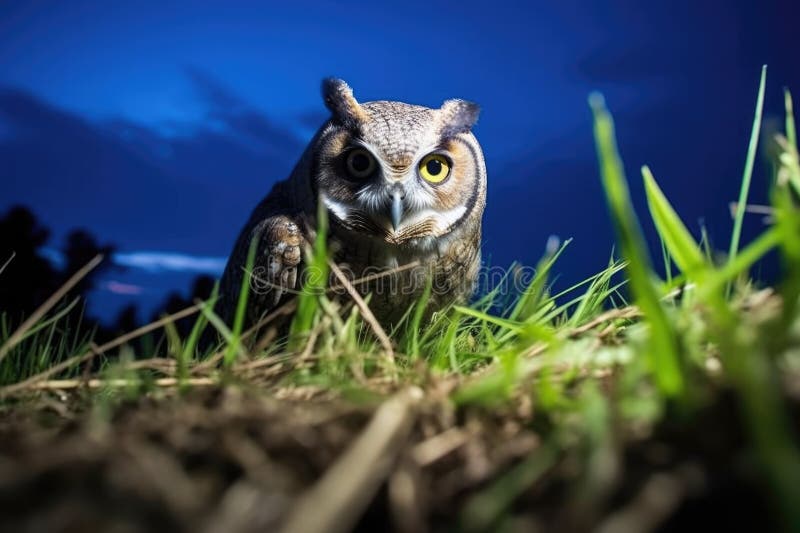
The night is not merely the absence of light—it is a realm of whispered secrets, where the boundaries between silence and sound blur into a symphony of survival. Among the most enigmatic performers in this nocturnal orchestra are owls, those silent sentinels of the dark, whose hunting prowess has captivated human imagination for millennia. Yet, as the glow of urban sprawl encroaches upon the once-pristine darkness, a silent predator stalks the skies: light pollution. This insidious infiltration of artificial luminescence doesn’t just dim the stars—it reshapes the very fabric of nocturnal ecosystems, altering the hunting grounds of these feathered phantoms in ways both subtle and profound.
How Would Owl Habitats Change If All Forests Were Protected?
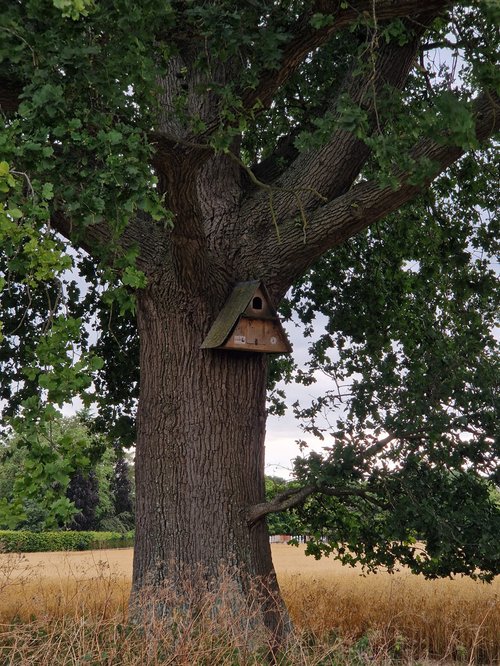
Imagine a world where every forest, from the dense canopies of the Pacific Northwest to the ancient woodlands of Europe, stands inviolate—untouched by saw, blade, or fire. In this untarnished sanctuary, the delicate ballet of ecosystems unfolds unperturbed, echoing the primordial harmony of nature. Central to this natural symphony are the owls: silent sentinels of the night, whose survival and thriving intricately intertwine with the fate of these forests. But what transformations would these enigmatic avians witness in their habitats if all forests were safeguarded with unwavering commitment? This exploration promises not only a reimagining of landscapes but a profound shift in our perception of coexistence and ecological stewardship.
The Barred Owl Management Strategy: Lethal Removal to Save Spotted Owls
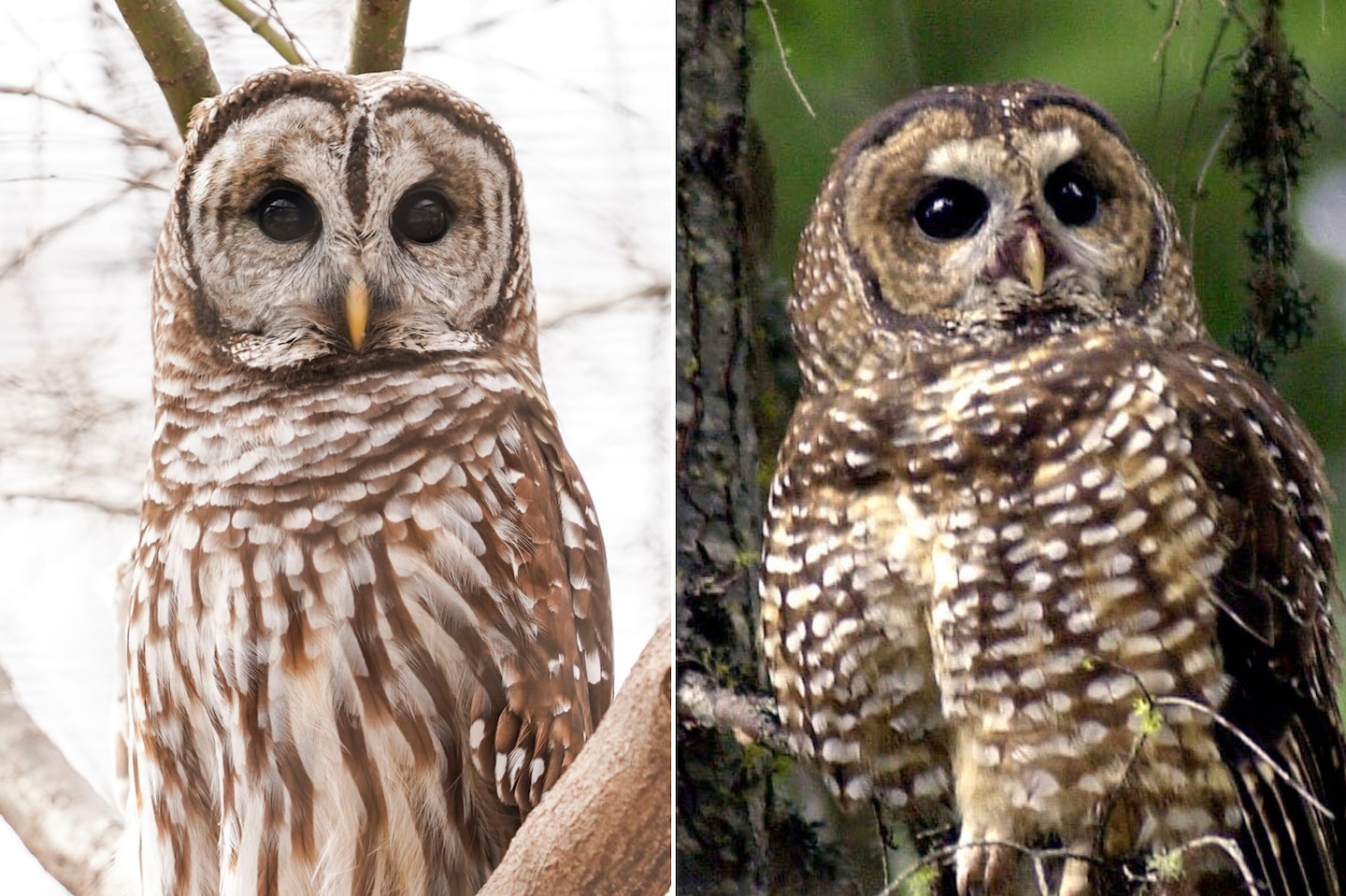
The natural world is a stage of relentless conflict and delicate balance, where every species plays a role in an intricate ecological tapestry. Yet, occasionally, the layers of this tapestry become untangled, and intervention becomes necessary—not to dominate, but to preserve. Such is the impetus behind the controversial barred owl management strategy, a bold and unorthodox approach involving the lethal removal of approximately 450,000 barred owls to rescue the imperiled spotted owl from extinction. This strategy invites a profound reconsideration of conservation ethics, species hierarchies, and humanity’s role as steward of the wild.
The Legal Battle Over Barred Owl Culling: Lawsuits Protests and Public Outcry
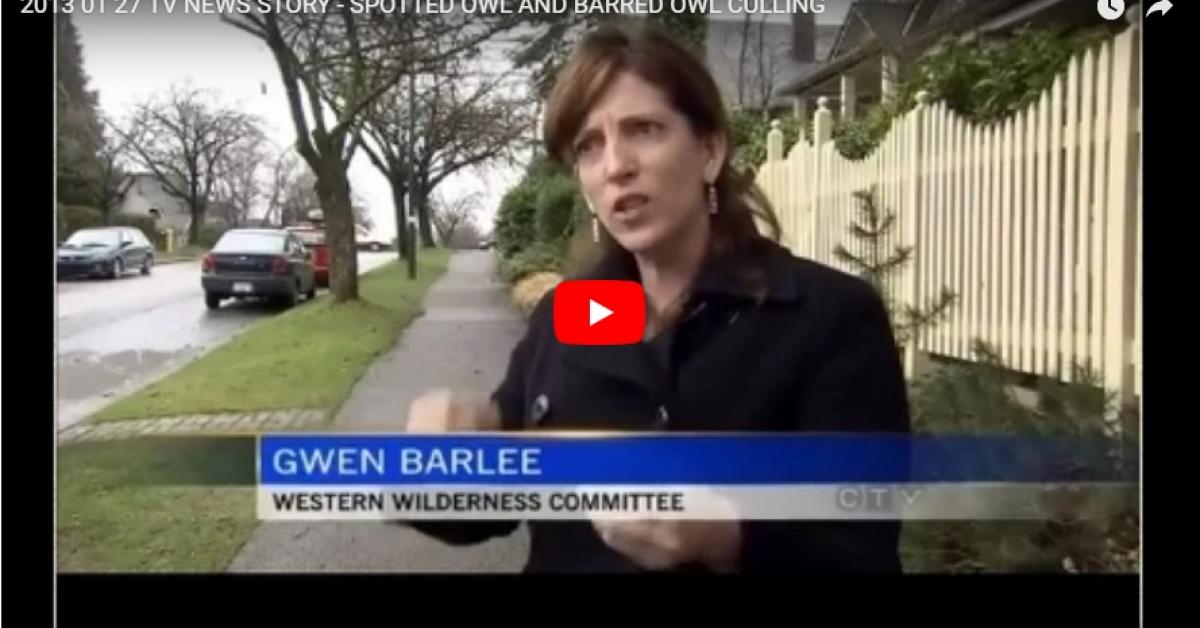
The ancient forests of the Pacific Northwest hum with secrets—whispers of barred owls’ hoots echoing through the canopy, while the ghostly silhouettes of spotted owls flit between the shadows. But beneath this serene facade, a storm brews. A legal tempest has erupted over the controversial practice of barred owl culling, a desperate measure to save the endangered spotted owl from extinction. What began as a scientific debate has spiraled into a clash of ethics, law, and public sentiment, with lawsuits flying, protests swelling, and emotions running high. This is not just a battle over birds; it is a collision of values, a reckoning with humanity’s role in the natural world.
How to Use Art and Creativity to Promote Owl Protection
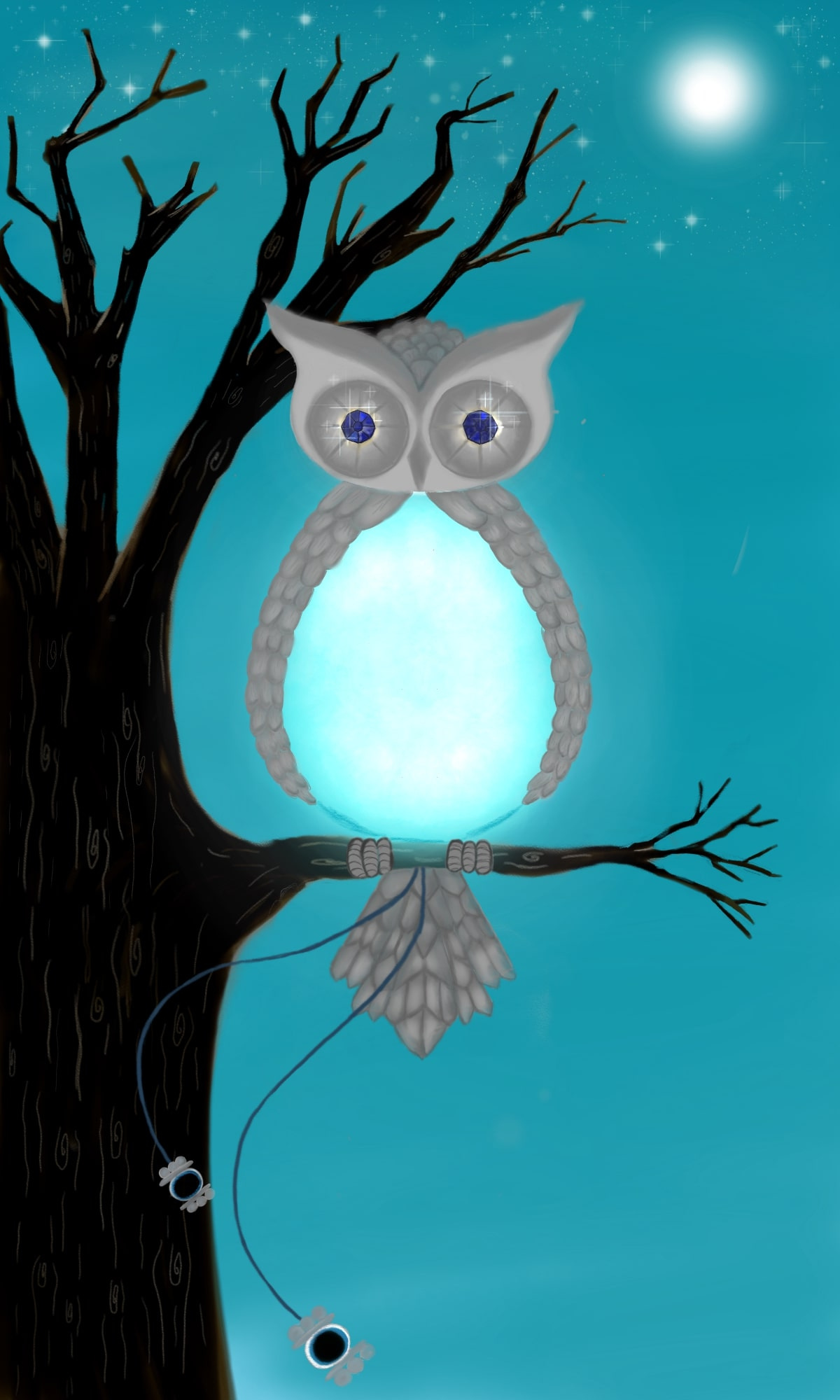
The owl, that enigmatic sentinel of the night, has long been a symbol of wisdom, mystery, and silent vigilance. Yet, in our modern world, these creatures face threats that are as silent as their flight—habitat destruction, pollution, and human encroachment. Art and creativity, however, possess the power to transcend mere aesthetics; they can become instruments of change, awakening empathy and inspiring action. By wielding creativity as a tool, we can transform the owl from a passive emblem into an active advocate for its own survival. This is not just about preserving a species; it’s about redefining our relationship with the natural world through the language of art.
Owls and Technology: How Innovations Are Aiding Conservation

Owls, enigmatic creatures of the night, have captivated human imagination for centuries. Their silent flight, piercing eyes, and haunting calls make them icons of mystery and wisdom. Yet, as natural habitats dwindle and environmental pressures escalate, these nocturnal predators face unprecedented challenges. In this era marked by rapid technological advancements, innovative tools and methods have emerged as beacons of hope for owl conservation. The synergy of biology and technology is reshaping how researchers and conservationists protect these elusive birds, unveiling secrets previously locked within the shadows. This article delves into the multifaceted role of technology in owl conservation, illuminating the diverse ways innovation is pioneering a brighter future for these majestic raptors.
How International Cooperation Helped the Eagle Owl in Scandinavia

The Eurasian Eagle Owl, a majestic nocturnal predator with piercing orange eyes and a wingspan that commands the twilight sky, has long been a symbol of untamed wilderness across Scandinavia. Yet, this apex avian sentinel faced a silent crisis—one that stretched beyond the borders of any single nation. It was not the scarcity of prey or the encroachment of urban sprawl alone that threatened its existence, but a complex web of ecological fragmentation, legal loopholes, and cultural misconceptions that transcended geopolitical lines. The turning point came not from isolation, but from an unexpected alliance: international cooperation. This is the story of how nations once divided by policy and geography came together to rewrite the fate of a species—and what it means for the future of Europe’s wild heart.
The Barred Owl Management Strategy: Lethal Removal to Save Spotted Owls – A Moral Dilemma
The forests of the Pacific Northwest hum with secrets—ancient whispers of moss-draped firs, the rustle of unseen wings, and the haunting trill of the spotted owl, a bird so emblematic of wilderness that its survival has become a battleground for conservation ethics. Yet, in the shadow of this iconic creature, another owl thrives: the barred owl, a relative newcomer whose unchecked expansion threatens to unravel decades of conservation efforts. The proposed solution? Lethal removal of half a million barred owls. But is this a pragmatic necessity or a moral failure disguised as ecological pragmatism? The answer lies not in the trees, but in the way we frame the natural world—and who gets to decide which lives are worth saving.
The Impact of Barred Owls on Spotted Owl Reproductive Success
In the dense, shadowed forests of the Pacific Northwest, a silent battle unfolds—one that will determine the survival of a species and redefine the ecological balance of an entire region. The barred owl, with its booming call and adaptable nature, has encroached upon the historical domain of the spotted owl, a creature whose reproductive success is crucial for its persistence. The growing dominance of barred owls is not merely a story of one species overwhelming another; it is a complex ecological narrative laced with consequences that ripple throughout the environment. Understanding the profound impact of barred owls on the reproductive success of spotted owls requires a deep dive into the interplay of competition, behavioral changes, habitat dynamics, and conservation efforts.
The Ecological Impact of Barred Owls: Are They Disrupting Entire Ecosystems?

The barred owl, with its haunting “Who cooks for you?” call echoing through dense forests, has long been a symbol of North America’s wild heart. Yet beneath its charismatic facade lies a complex ecological narrative—one that has sparked both fascination and concern. Once confined to eastern woodlands, this adaptable raptor has expanded its range westward, encroaching upon the territories of its northern cousin, the spotted owl. The result? A cascade of ecological disruptions that ripple through entire ecosystems, challenging conservationists and sparking debates about the unintended consequences of nature’s own intrusions. What begins as a tale of resilience and adaptability soon unravels into a cautionary saga of ecological imbalance, where the barred owl’s triumph becomes the spotted owl’s tragedy—and the forest’s silent undoing.