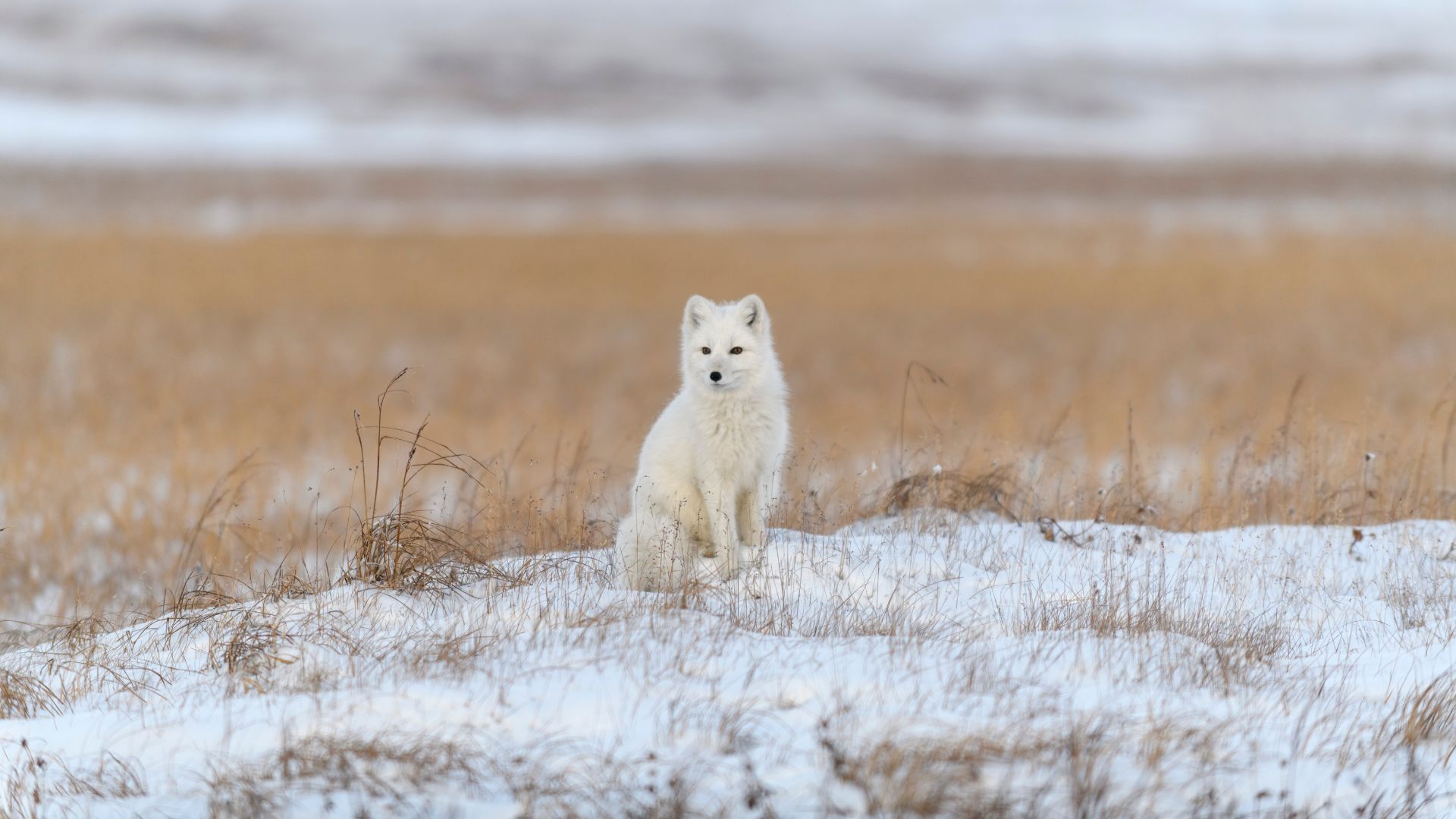
The Arctic is not merely a frozen wasteland—it is a cathedral of ice and silence, where the wind whispers secrets to the snow and the auroras dance like celestial sentinels. Yet this ancient realm, sculpted by millennia of glacial patience, is now trembling under the weight of human ambition. At its heart, the snowy owl, that ghostly monarch of the tundra, stands as both witness and victim to the unraveling of its frozen kingdom. With feathers like moonlight and eyes that pierce the endless polar night, this bird is not just a creature of the Arctic—it is its poetic essence, a living metaphor for resilience in the face of annihilation. As the ice retreats and the seasons blur into one another, the snowy owl’s fate becomes a haunting parable: one that asks whether humanity will awaken before the last snowflake melts into memory.
Ecology & Environmental Science
How Mining Operations Are Disrupting Snowy Owl Nesting Sites
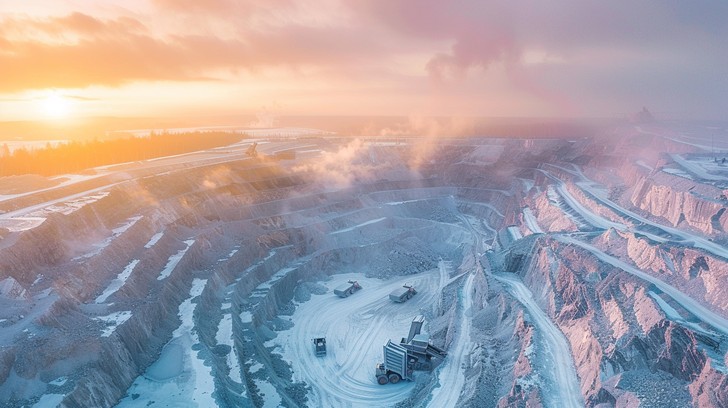
The Arctic tundra, a vast and seemingly desolate expanse, is a realm of delicate balance where life thrives against the harshest of odds. Among its most iconic inhabitants is the snowy owl, a creature of silent grace and fierce determination. Yet, beneath the pristine white canvas of snow and ice, a silent invasion is underway. Mining operations, with their relentless machinery and insatiable hunger for resources, are carving deep scars into the land. These disruptions are not merely physical; they are existential threats to the snowy owl’s nesting sites, a tragedy unfolding in slow motion.
How Community Science Is Helping Track Spotted Owl Populations
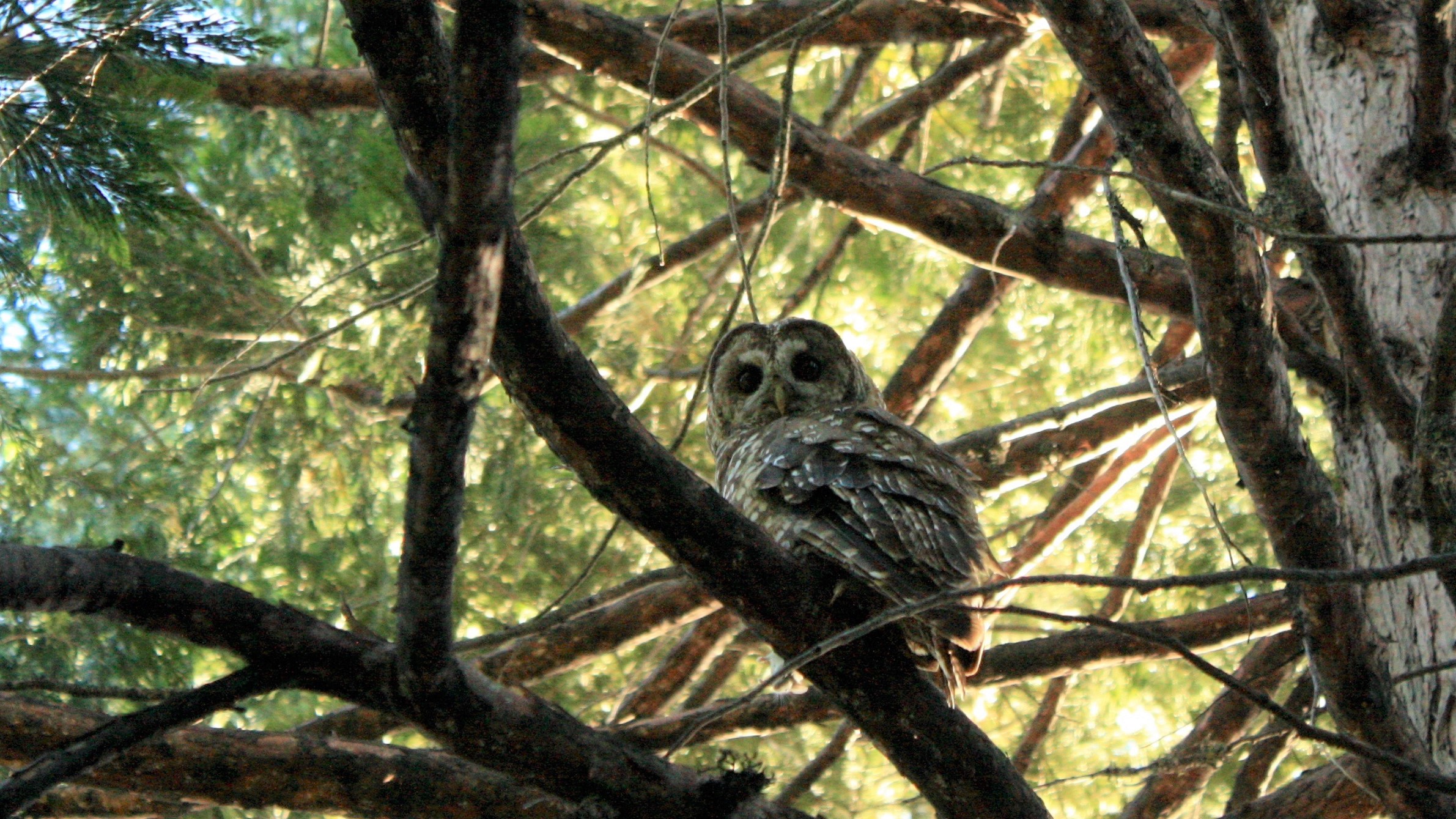
Few creatures evoke as much quiet reverence and curiosity as the spotted owl. With its distinctive pattern of white spots delicately adorning a velvety, dark plumage, this enigmatic bird has captured the imagination of naturalists and casual observers alike. Yet, beneath the surface of mere fascination lies an urgent narrative of conservation, survival, and the profound power of community engagement. The story of tracking spotted owl populations is not merely about counting birds; it is a testament to collective resolve, the intricate dance between species and habitat, and the transformative potential of community science.
The Role of Big Data in Understanding Barred and Spotted Owl Habitats
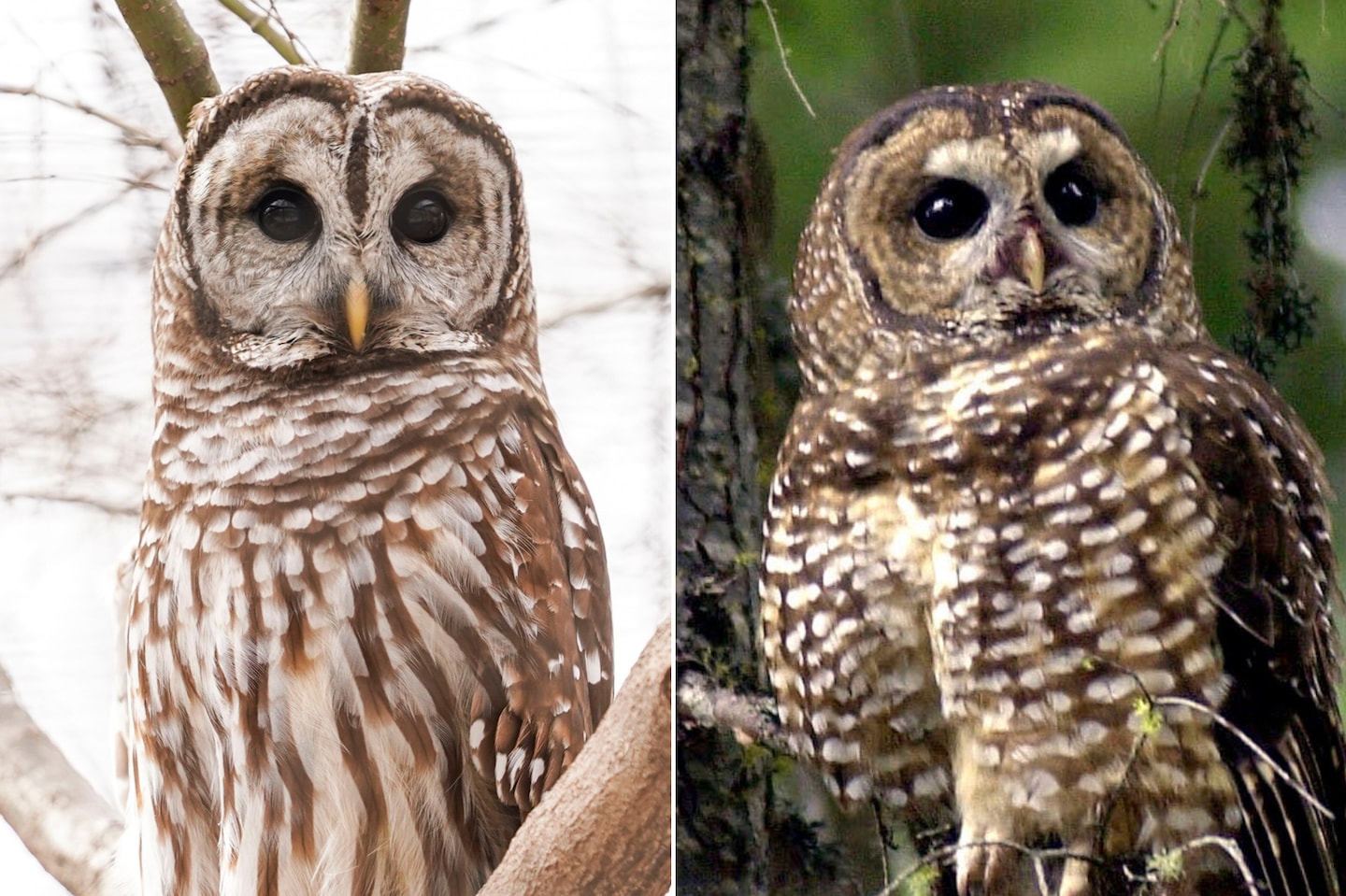
Can data truly decode the complex ballet between barred owls and their elusive cousins, the spotted owls? At first glance, it might seem improbable that vast oceans of digital information could untangle the mysteries of feathered wanderers deep within dense old-growth forests. Yet, in the burgeoning age of big data, this very challenge has become a thrilling frontier—one that promises to reshape conservation strategies and redefine how humans perceive the natural world.
The Role of Owls in Combating Rodent-Borne Diseases
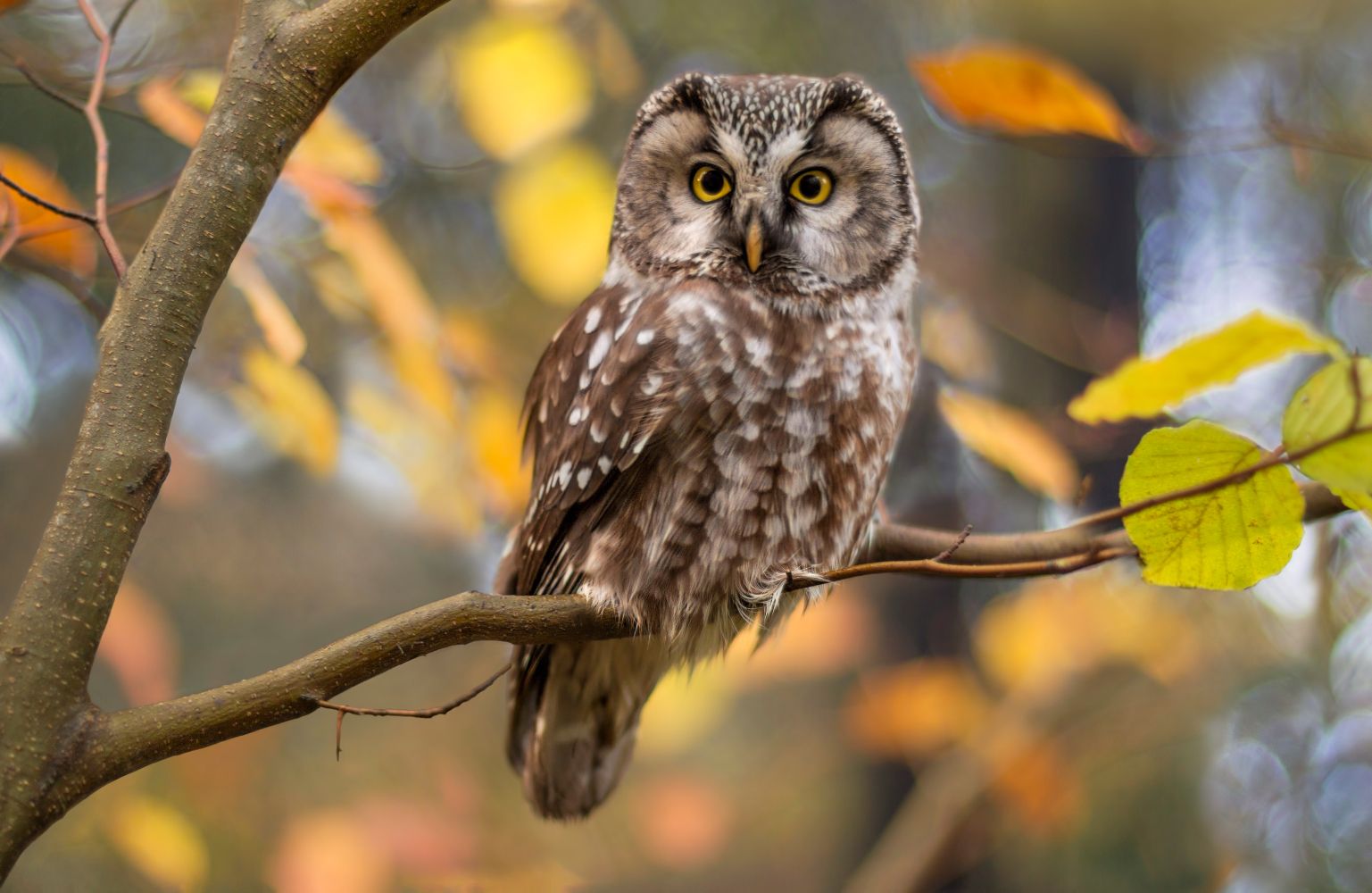
There is a silent sentinel perched in the moonlit boughs, a feathered archer whose presence alone can quell the rustling chaos of a thousand tiny feet. Owls—those nocturnal philosophers of the bird world—are not merely creatures of folklore or harbingers of wisdom. They are, in fact, the unsung architects of ecological balance, wielding an unparalleled mastery over the rodent populations that, if left unchecked, would unleash a cascade of disease upon human settlements. From the whispering pines of temperate forests to the arid fringes of agricultural lands, these raptors operate as nature’s most efficient pest controllers, their silent wings cutting through the night like blades of justice against the scourge of rats and mice. Yet their role extends far beyond mere predation; it is a symphony of predatory precision, ecological interdependence, and unintended public health guardianship that unfolds in the shadows of our collective awareness.
The Owl in Graphic Design: Logos Posters and Digital Art
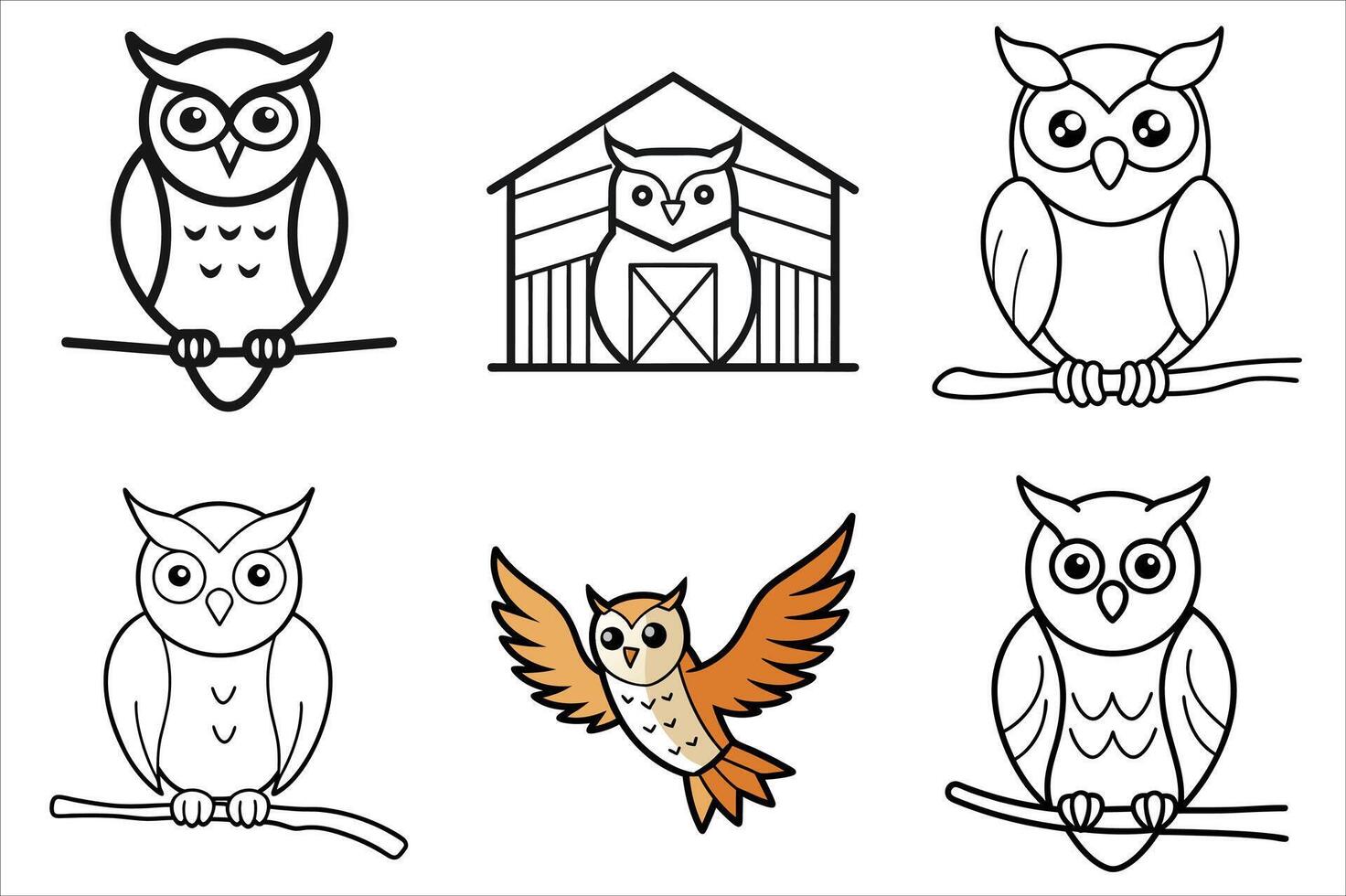
The owl, a creature of enigmatic allure and timeless symbolism, has long perched itself at the intersection of art and design. Its piercing gaze, silent flight, and association with wisdom have made it a favored motif across logos, posters, and digital art. In graphic design, the owl transcends mere aesthetics—it becomes a vessel for storytelling, a beacon of identity, and a silent communicator of values. From the minimalist elegance of a corporate logo to the vibrant chaos of a festival poster, the owl’s versatility is unparalleled. This exploration delves into the multifaceted role of the owl in graphic design, uncovering how its symbolism, adaptability, and cultural resonance shape visual narratives across mediums.
Owls and the Food Web: Their Role as Both Predators and Prey
Have you ever paused beneath the moonlit boughs of an ancient forest and wondered who truly rules the night? The answer might just be perched silently above you, cloaked in feathers as soft as twilight itself. Owls, those enigmatic sentinels of the dark, are not merely passive observers of the food web—they are its mercurial architects, both apex predators and vulnerable prey, threading the delicate balance of life with talons as sharp as fate. But what happens when the hunter becomes the hunted? What silent battles rage in the underbrush when an owl’s keen gaze meets the stealth of a rival predator? Let’s embark on a journey through the shadowed corridors of the natural world, where every hoot echoes with consequence and every feathered flicker could mean the difference between feast and famine.
How Arctic Research Stations Are Helping Study Snowy Owls
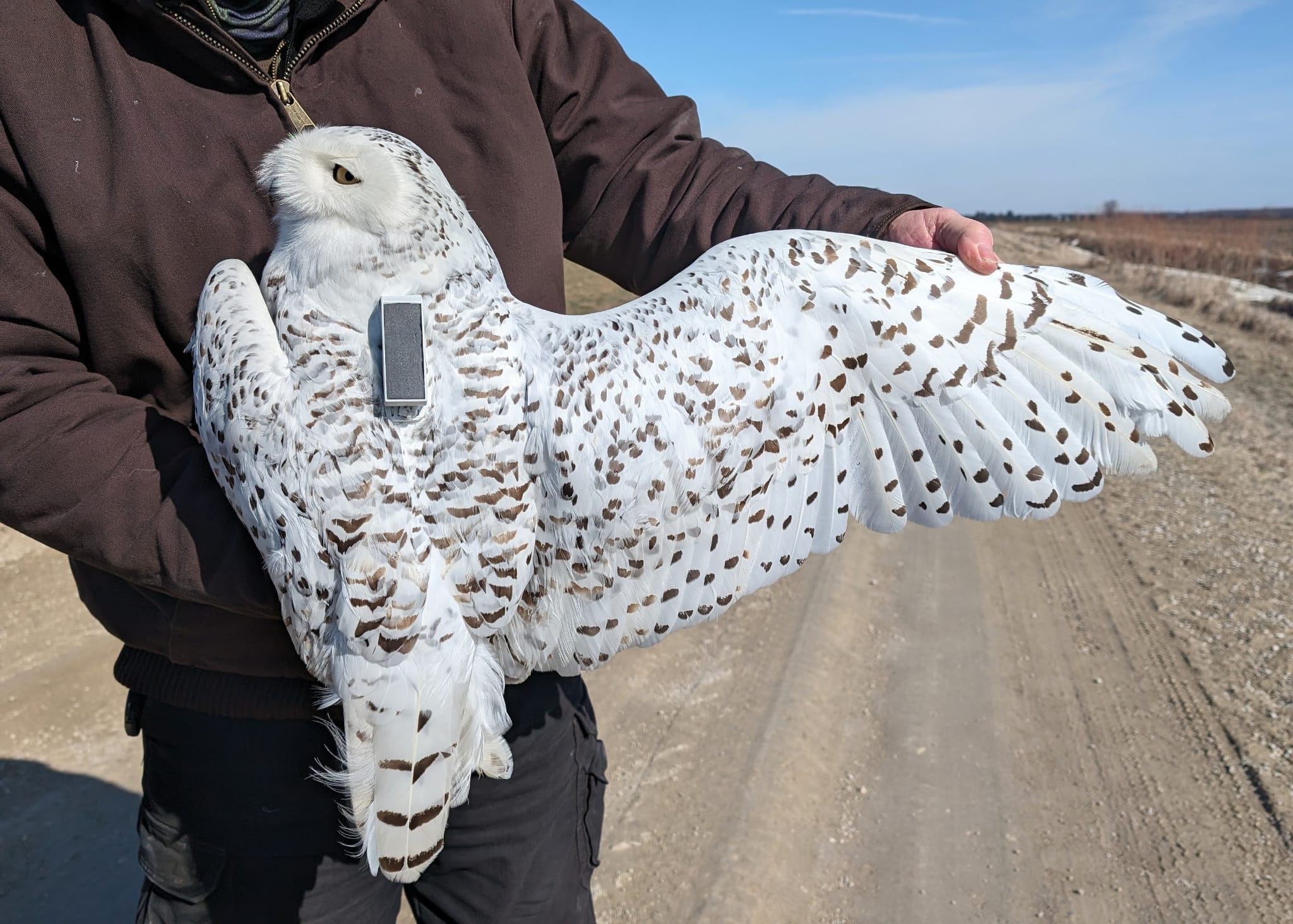
The Arctic’s icy expanse, a realm of stark beauty and relentless endurance, has long been a frontier of scientific inquiry. Yet, beyond the study of melting glaciers and shifting permafrost, a quieter revolution is unfolding—one that tracks the silent, feathered sentinels of this frozen world. Snowy owls, those enigmatic harbingers of the tundra, have become the unlikely stars of a scientific saga that blends cutting-edge technology with age-old naturalist curiosity. Arctic research stations, those remote bastions of human ingenuity, are now the nerve centers of this endeavor, unraveling the mysteries of these birds with a fervor that rivals the owls’ own relentless pursuit of prey. From the frozen tundra to the digital skies, these stations are not just observing nature—they are rewriting our understanding of survival, adaptation, and the delicate threads that bind species to their environments.
Snowy Owls and Extreme Weather: Surviving Arctic Heatwaves and Storms
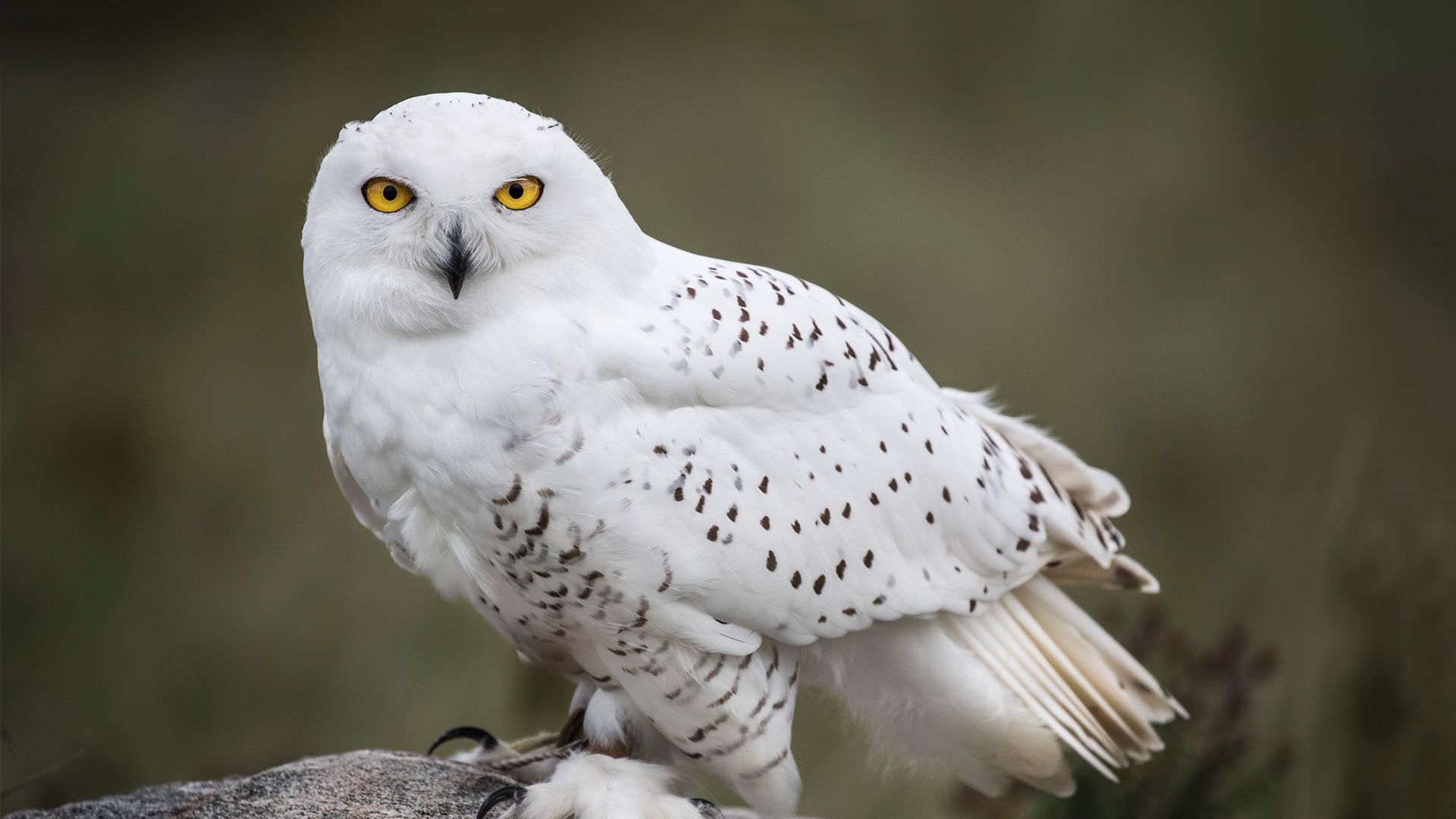
The Arctic, a land of eternal twilight and frozen majesty, is no stranger to the whims of nature. Yet, as the planet’s thermostat climbs, even its most resilient inhabitants—like the ethereal snowy owl—face a gauntlet of challenges. What happens when the blizzards that once defined survival now give way to unrelenting heatwaves? How does a creature clad in a feathered armor designed for subzero winds adapt when the Arctic itself seems to forget its own rules? Buckle up, dear reader, because the snowy owl’s story is one of grit, cunning, and a dash of Arctic magic.
The Future of Spotted Owls in the Pacific Northwest: Challenges and Hope
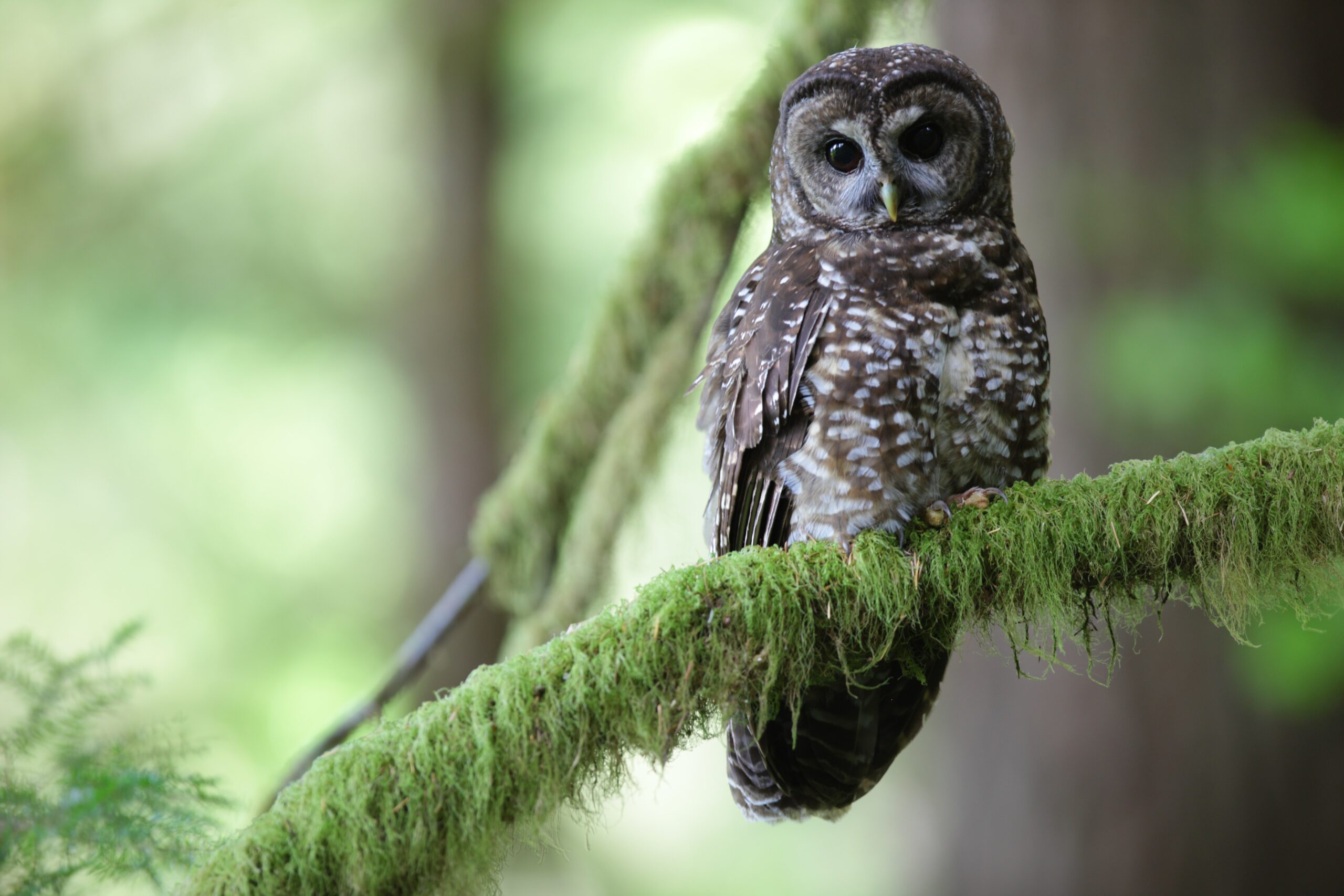
The Pacific Northwest’s ancient forests hum with secrets—whispers of wind through Douglas firs, the distant drumming of woodpeckers, and the haunting, melodic calls of the northern spotted owl. This enigmatic bird, with its dark eyes and speckled plumage, has long been a symbol of the region’s ecological soul. Yet, its future hangs in the balance, threatened by habitat loss, invasive species, and the relentless march of human progress. But amid these shadows, a flicker of hope emerges. A shift in perspective—one that embraces coexistence over domination—could rewrite the fate of this iconic species. What if the key to saving the spotted owl lies not in isolation, but in reimagining our relationship with the land itself?