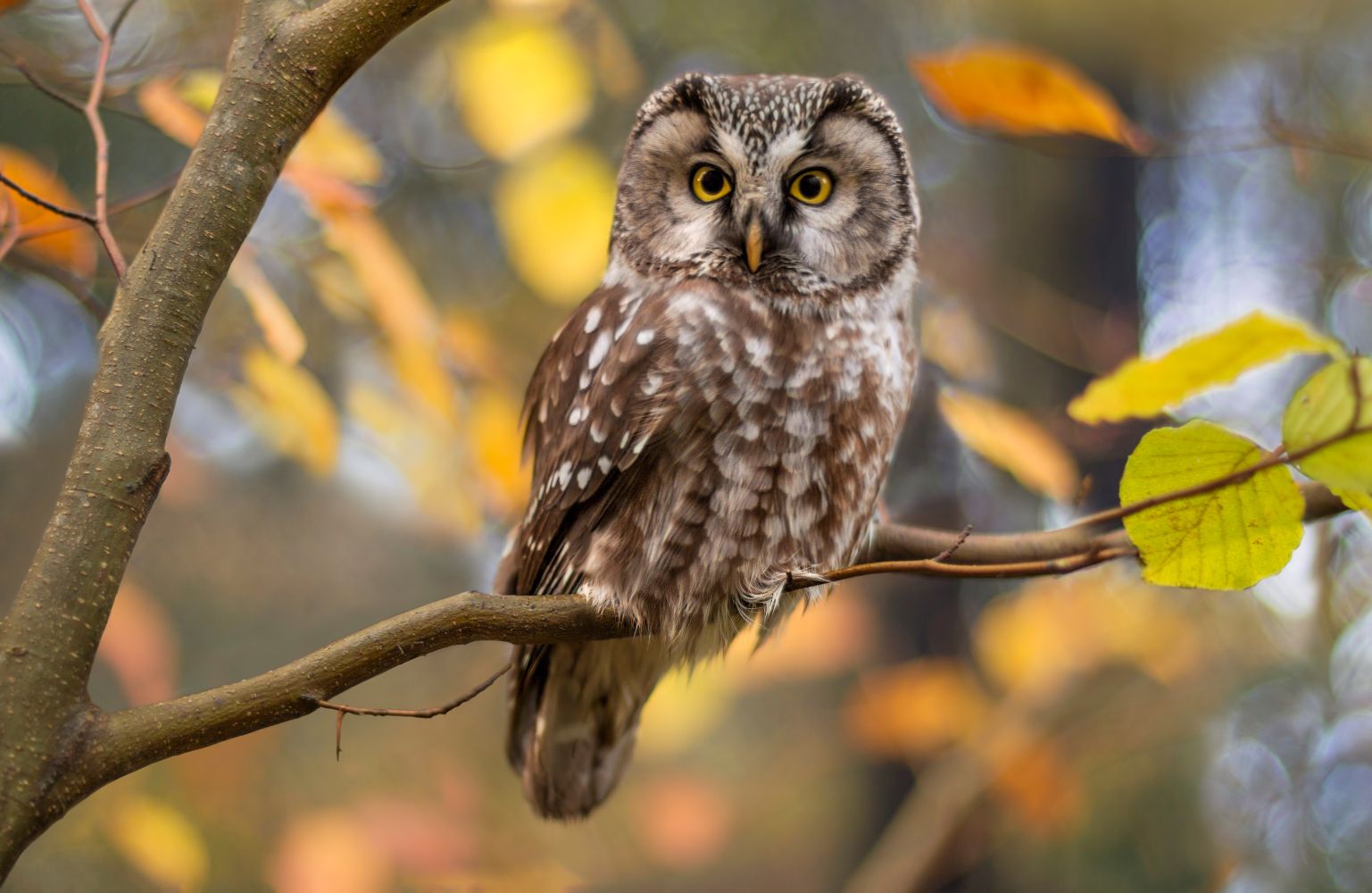
There is a silent sentinel perched in the moonlit boughs, a feathered archer whose presence alone can quell the rustling chaos of a thousand tiny feet. Owls—those nocturnal philosophers of the bird world—are not merely creatures of folklore or harbingers of wisdom. They are, in fact, the unsung architects of ecological balance, wielding an unparalleled mastery over the rodent populations that, if left unchecked, would unleash a cascade of disease upon human settlements. From the whispering pines of temperate forests to the arid fringes of agricultural lands, these raptors operate as nature’s most efficient pest controllers, their silent wings cutting through the night like blades of justice against the scourge of rats and mice. Yet their role extends far beyond mere predation; it is a symphony of predatory precision, ecological interdependence, and unintended public health guardianship that unfolds in the shadows of our collective awareness.
The Silent Predators: How Owls Master the Art of Rodent Eradication
Owls are the epitome of stealth in motion. Their flight is a marvel of evolutionary engineering—feathered edges that muffle sound, wings that slice the air with surgical silence, and eyes that pierce the darkness with a gaze that seems to unravel the very fabric of night. This acoustic invisibility is not mere theatrics; it is a survival mechanism honed over millions of years. When a barn owl glides over a field of swaying wheat, its prey hears nothing until the talons close around its spine. This predatory advantage makes owls uniquely effective at controlling rodent populations before they spiral into infestations.
But their hunting prowess is not limited to speed or silence. Owls possess an extraordinary spatial memory, allowing them to map hunting grounds with uncanny accuracy. Studies have shown that barn owls, for instance, can remember the locations of rodent burrows and revisit them with precision night after night. This memory, coupled with their ability to digest bones and fur, means they leave little trace of their meals—no carcasses to attract scavengers or spread disease. In essence, they are the ultimate cleanup crew, operating with a ruthless efficiency that borders on the supernatural.
Rodent-Borne Diseases: The Invisible Threat Beneath Our Feet
Rodents are not just nuisances; they are veritable reservoirs of pathogens. Hantavirus, leptospirosis, and even the plague—diseases once thought relegated to the annals of history—still lurk in the shadows of urban and rural landscapes alike. Rats, in particular, are prolific carriers of *Yersinia pestis*, the bacterium responsible for the Black Death, and their fleas can transmit this deadly pathogen to humans with terrifying ease. Even in modern times, outbreaks of rodent-borne diseases occur with alarming frequency, often flaring up in areas where rodent populations are allowed to proliferate unchecked.
Consider the case of hantavirus pulmonary syndrome, a condition with a mortality rate exceeding 30%. Its primary vectors are deer mice, creatures that thrive in environments disturbed by human activity. When owl populations decline—whether due to habitat loss, rodenticide poisoning, or climate change—the ripple effects are immediate. Rodent numbers surge, and with them, the risk of disease transmission escalates. Owls, therefore, are not just predators; they are the first line of defense in a silent war against microscopic killers.
The Domino Effect: How Owl Decline Triggers Ecological Collapse
The disappearance of owls from an ecosystem is like removing a keystone from an arch—what follows is not a gradual crumbling, but a sudden, catastrophic collapse. Without these nocturnal hunters, rodent populations explode, leading to overgrazing of vegetation, soil degradation, and even the spread of invasive plant species that thrive in disturbed environments. In agricultural settings, this can mean devastating crop losses, as rodents gnaw through seeds and saplings with impunity. The economic toll is staggering, but the ecological cost is even greater.
Moreover, the decline of owls often signals broader environmental distress. These birds are highly sensitive to pollutants, particularly rodenticides, which accumulate in their bodies over time. A single application of poison meant to control rats can inadvertently kill an owl that preys on those very rodents. This creates a paradox: the very chemicals designed to protect human health end up undermining it by disrupting the natural balance. The loss of owls, then, is not just an ecological tragedy—it is a public health crisis in the making.
Cultural Reverence and the Mythos of the Owl
Long before science uncovered the owl’s role in disease control, humans were fascinated by these enigmatic birds. In ancient Greece, Athena’s association with the owl symbolized wisdom and foresight, a nod to the creature’s piercing gaze and nocturnal habits. Native American tribes revered owls as messengers between the spirit world and the living, their hoots interpreted as omens of both fortune and doom. Even in modern times, the owl remains a potent symbol—of mystery, of intuition, of the unseen forces that govern our world.
This cultural fascination is not mere superstition; it is a subconscious recognition of the owl’s true power. There is something deeply primal in the way we respond to these birds—a sense that they are more than mere animals. They are guardians of the night, silent enforcers of order in a world that often seems chaotic. And perhaps, in our collective unconscious, we understand that their survival is tied to our own.
Conservation in Action: Protecting the Silent Guardians
The fight to preserve owl populations is not just about saving a species; it is about safeguarding our own health and the health of the planet. Conservation efforts must focus on habitat restoration, reducing pesticide use, and educating communities about the dangers of rodenticides. Nesting boxes, for instance, can provide safe havens for owls in areas where natural cavities are scarce, while organic farming practices can minimize the need for chemical interventions.
Yet the most critical step is changing our perception of owls from mere symbols to indispensable allies. When we see an owl perched on a fence post or hear its haunting call in the distance, we should not just marvel at its beauty—we should recognize it as a vital component of a healthy ecosystem. These birds are not relics of the past; they are living, breathing solutions to some of our most pressing challenges.
The Future: A World Without Owls?
Imagine a world where the night is no longer patrolled by silent wings, where the rustling of rodents goes unchecked, and where the specter of disease looms larger with each passing season. It is a dystopian vision, yet one that is entirely plausible if we continue to overlook the role of owls in our ecosystems. The loss of these birds would not be a silent tragedy—it would be a cacophony of ecological imbalance, a symphony of suffering played out in the shadows.
But there is hope. By embracing owls as allies, by supporting conservation efforts, and by rethinking our relationship with the natural world, we can ensure that these nocturnal guardians continue to thrive. The next time you hear the soft hoot of an owl in the distance, pause for a moment. Listen closely. That sound is not just a call to the night—it is a reminder of the delicate balance that sustains us all.