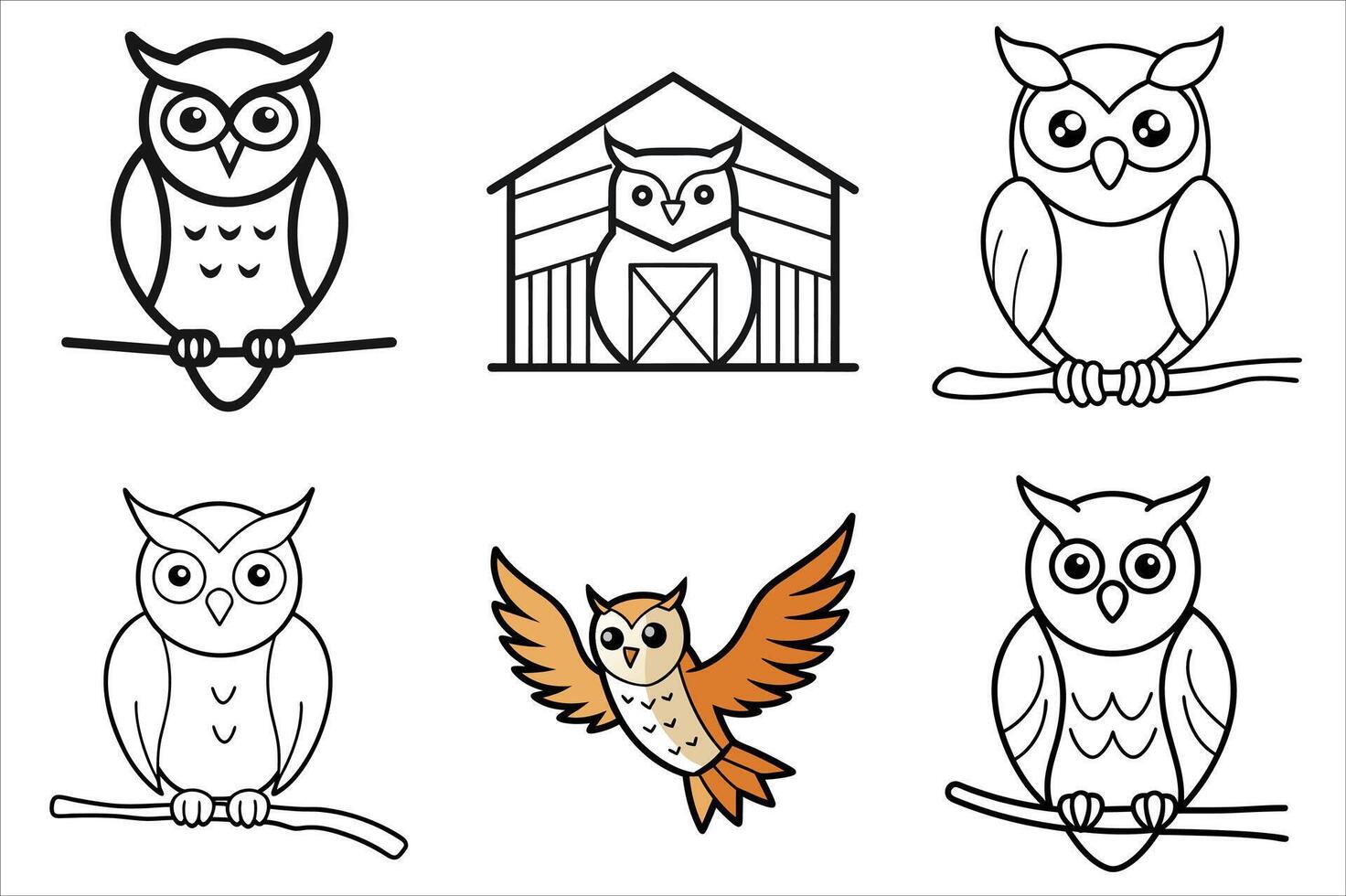
The owl, a creature of enigmatic allure and timeless symbolism, has long perched itself at the intersection of art and design. Its piercing gaze, silent flight, and association with wisdom have made it a favored motif across logos, posters, and digital art. In graphic design, the owl transcends mere aesthetics—it becomes a vessel for storytelling, a beacon of identity, and a silent communicator of values. From the minimalist elegance of a corporate logo to the vibrant chaos of a festival poster, the owl’s versatility is unparalleled. This exploration delves into the multifaceted role of the owl in graphic design, uncovering how its symbolism, adaptability, and cultural resonance shape visual narratives across mediums.
The Owl as a Symbol: From Myth to Modern Branding
The owl’s journey from ancient mythology to contemporary branding is a testament to its enduring power. In Greek lore, Athena, the goddess of wisdom, was accompanied by an owl—a creature revered for its keen intellect and nocturnal prowess. This association with sagacity has endured through centuries, embedding the owl in the collective psyche as a symbol of knowledge, intuition, and insight. Modern branding leverages this symbolism to evoke trust, expertise, and a connection to deeper understanding. Financial institutions, educational platforms, and even tech startups often adopt the owl in their logos, subtly signaling reliability and foresight. Yet, the owl’s symbolism is not monolithic; it can also represent mystery, independence, or even rebellion, depending on the context. A poster for a mystery novel might employ a shadowy owl to evoke intrigue, while a feminist collective could use its image to symbolize resilience and quiet strength. The owl’s adaptability lies in its ability to morph from a benign mascot to a potent emblem of defiance, depending on the designer’s intent.
Logos: The Owl as a Corporate Mascot and Identity Builder
In the realm of logos, the owl is a master of understated sophistication. Its angular features and piercing eyes lend themselves to clean, geometric designs that convey precision and authority. Consider the logo of a publishing house, where the owl’s silhouette becomes a stamp of credibility, or a consulting firm, where its presence subtly communicates expertise. The owl’s ability to balance simplicity with depth makes it ideal for scalable branding—whether emblazoned on a business card or a billboard. Yet, the owl’s role in logo design is not confined to corporate conservatism. Startups in creative industries often embrace the owl’s quirky, unconventional charm, using it to signal innovation and a break from tradition. The key lies in the designer’s ability to distill the owl’s essence into a form that resonates with the brand’s ethos. A minimalist owl might suggest efficiency, while a stylized, abstract version could imply modernity and forward-thinking. The owl, in this context, is not just a graphic element but a silent ambassador of the brand’s identity.
Posters: The Owl as a Narrative Device and Visual Hook
Posters are where the owl truly comes alive as a storyteller. Whether in film, music, or activism, the owl’s presence can transform a static image into a dynamic narrative. A movie poster for a psychological thriller might feature an owl perched ominously in the background, its eyes reflecting the protagonist’s inner turmoil. The owl’s association with the night and the unseen makes it a perfect foil for suspense and mystery. In music, posters for indie bands often employ the owl to evoke a sense of mystique and artistic depth, aligning the band’s identity with the creature’s enigmatic allure. For social movements, the owl can serve as a symbol of vigilance and awareness, its gaze a call to action. The challenge in poster design lies in balancing the owl’s symbolic weight with the need for immediate visual impact. A well-designed poster uses the owl not as a decorative afterthought but as a central character in the visual story, guiding the viewer’s eye and evoking emotion.
Digital Art: The Owl as a Canvas for Experimentation
In the digital realm, the owl becomes a playground for innovation. Digital artists push the boundaries of the owl’s representation, experimenting with textures, lighting, and surreal compositions. Glitch art might distort the owl’s form into a pixelated specter, while cyberpunk aesthetics could render it in neon hues against a dystopian backdrop. The owl’s adaptability makes it a favorite subject for NFT artists, where its symbolism can be reimagined in blockchain-based art. Digital platforms also allow for interactive designs, where the owl’s gaze follows the viewer or its feathers shift with the cursor’s movement. This dynamic interaction transforms the owl from a static image into an immersive experience. The digital medium also democratizes the owl’s symbolism, allowing artists from diverse backgrounds to reinterpret it through their unique cultural lenses. Whether as a minimalist icon or a hyper-detailed fantasy creature, the owl in digital art is a testament to the limitless possibilities of visual storytelling.
The Owl in Cultural and Social Commentary
Beyond its aesthetic appeal, the owl serves as a powerful tool for cultural and social commentary. In feminist art, the owl often symbolizes resilience and wisdom in the face of adversity, its nocturnal nature mirroring the struggles of marginalized voices. Posters for women’s rights movements might feature the owl as a silent guardian, its presence a reminder of the strength found in collective action. In environmental activism, the owl’s role as a sentinel of the natural world makes it a compelling emblem for conservation efforts. Its association with wisdom also aligns with movements advocating for sustainable living and ecological awareness. The owl’s ability to transcend cultural boundaries further amplifies its impact, making it a universal symbol that resonates across languages and geographies. Designers who wield the owl in their work are not merely creating art—they are crafting a visual language that speaks to shared human experiences.
Technical Considerations: Designing with the Owl in Mind
Creating compelling owl-inspired designs requires a keen understanding of both form and function. For logos, the challenge lies in achieving scalability without losing the owl’s distinctive features. Designers must consider negative space, ensuring the owl’s silhouette remains recognizable even when reduced to a tiny icon. In posters, the owl’s placement and interaction with other elements are crucial. A poorly positioned owl can disrupt the flow of a composition, while a strategically placed one can anchor the entire design. Digital artists, meanwhile, must navigate the complexities of rendering textures and lighting to bring the owl to life. Tools like 3D modeling software and digital painting platforms offer new avenues for experimentation, allowing artists to push the boundaries of traditional owl representations. The technical aspects of owl design are not merely about aesthetics—they are about harnessing the owl’s symbolism to create designs that resonate on a deeper level.
The Future of the Owl in Graphic Design
As design trends evolve, the owl’s role in graphic design is poised to expand even further. The rise of AI-generated art opens up possibilities for creating hyper-personalized owl designs tailored to individual brands or narratives. Augmented reality could allow the owl to leap off the page, becoming an interactive element in user experiences. The owl’s symbolism will also continue to adapt to contemporary issues, whether as a mascot for mental health awareness or a symbol of digital privacy in an era of surveillance. The key to the owl’s longevity lies in its ability to remain relevant, its symbolism fluid enough to reflect the zeitgeist while retaining its core essence. For designers, the owl is more than a motif—it is a lifelong companion in the journey of visual storytelling, a creature that evolves with every stroke of the pen or click of the mouse.