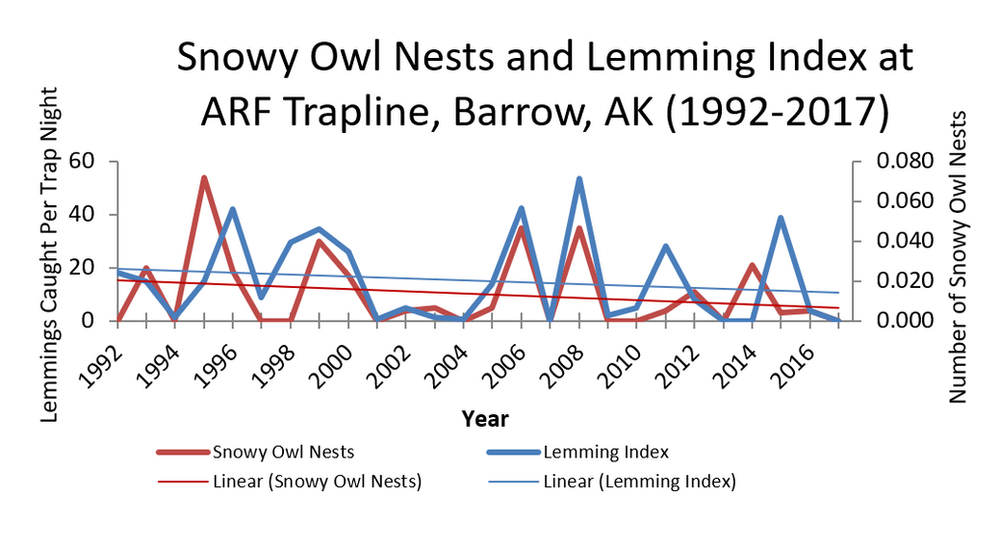
What if the Arctic’s most stoic sentinels—the snowy owls—were losing their rhythm to the drumbeat of a warming world? Their once-predictable breeding cycles, finely tuned to the pulse of winter’s icy embrace, now face a disconcerting disruption. As the planet’s thermostat climbs, these ethereal hunters of the tundra are caught in a paradox: their survival depends on the very cold that is vanishing before their eyes. The question isn’t just whether shorter winters are altering their breeding patterns—it’s how they’re adapting, or failing to, in a world that no longer obeys the old rules.
Ecology & Environmental Science
How to Reduce Human Disturbance to Spotted Owl Nesting Sites
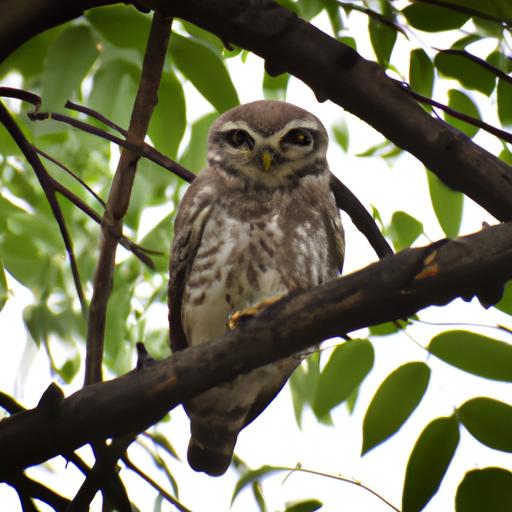
The haunting call of the spotted owl pierces through the dense canopy, a sentinel of the ancient forests it calls home. This majestic species, veiled in mottled feathers and shrouded in mystery, faces existential threats fueled primarily by human intrusions. Its nesting sites, delicate sanctuaries where life perpetuates, are increasingly imperiled by disturbance—both overt and subtle. Protecting these refuges requires more than passive admiration; it demands deliberate efforts to minimize human interference. This article delves into comprehensive strategies to alleviate human disturbance at spotted owl nesting sites, rooting out causes and prescribing thoughtful, actionable solutions to ensure their continued survival.
The Spotted Owl’s Reproductive Challenges: Why Are They Struggling?

In the dimly lit canopies of the Pacific Northwest, the spotted owl emerges as a ghostly sentinel—an elusive emblem of old-growth forests. Yet this spectral bird, with its mottled feathers and haunting eyes, is caught in a precarious dance with survival, especially when it comes to reproduction. The spotted owl’s struggle to perpetuate its species is a poignant story of biological fragility intertwined with environmental upheaval. Like a fading melody in a symphony once vibrant, their reproductive challenges echo far beyond the forest margins, compelling us to examine the intricate factors threatening their very existence.
The Role of Climate Funding in Supporting Snowy Owl Research and Protection
In the frozen expanse of the Arctic, where the wind carves its name into the ice and the sun dips below the horizon for months on end, a silent sentinel watches over the tundra. The snowy owl, a creature of ethereal beauty and unyielding resilience, has long been a symbol of the delicate balance between life and the merciless forces of nature. Yet, as the planet warms at an unprecedented pace, this majestic bird faces an existential crisis. The question is no longer whether climate change threatens the snowy owl, but how we, as stewards of this fragile world, can marshal the resources necessary to safeguard its future. The answer lies not in passive observation, but in the deliberate and strategic deployment of climate funding—a lifeline for research, conservation, and the very survival of this iconic species.
Satellite Tracking and the Barred vs. Spotted Owl Controversy
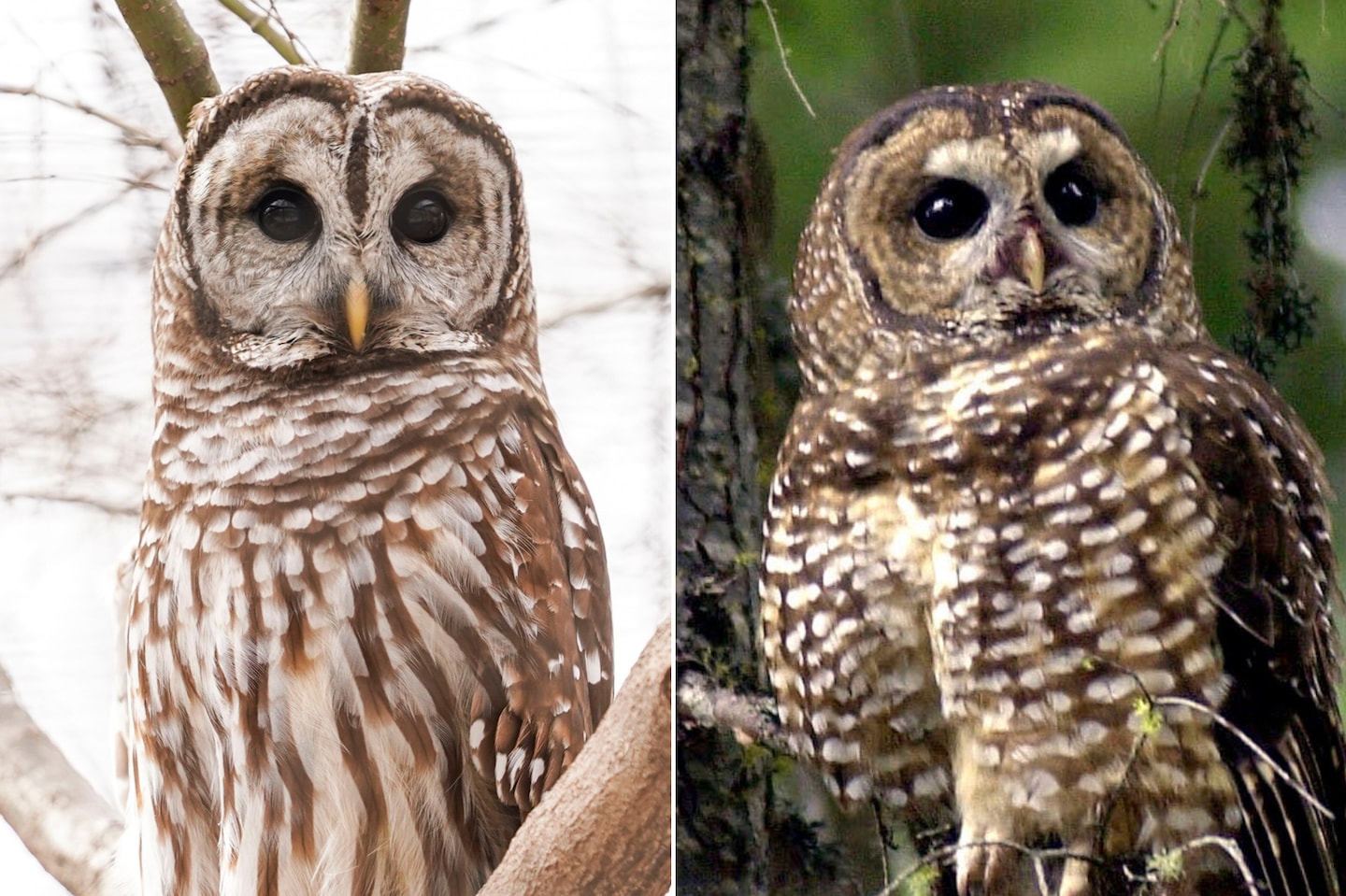
In the shadowed cathedrals of the Pacific Northwest’s ancient forests, a silent drama unfolds—one scripted by evolution but complicated by the ravages of human intervention. The barred owl and the spotted owl, two avian protagonists with overlapping stages, are locked in a contest of survival that teeters on the edge of ecological tragedy. Amidst this quiet war, satellite tracking emerges as a beacon, illuminating the clandestine movements and behaviors of these elusive creatures. It is a tool as precise as a surgeon’s scalpel, dissecting the tangled web of interspecies conflict, conservation efforts, and ecological balance.
Invasive Species: Beyond Barred Owls What Other Threats Do Owls Face?
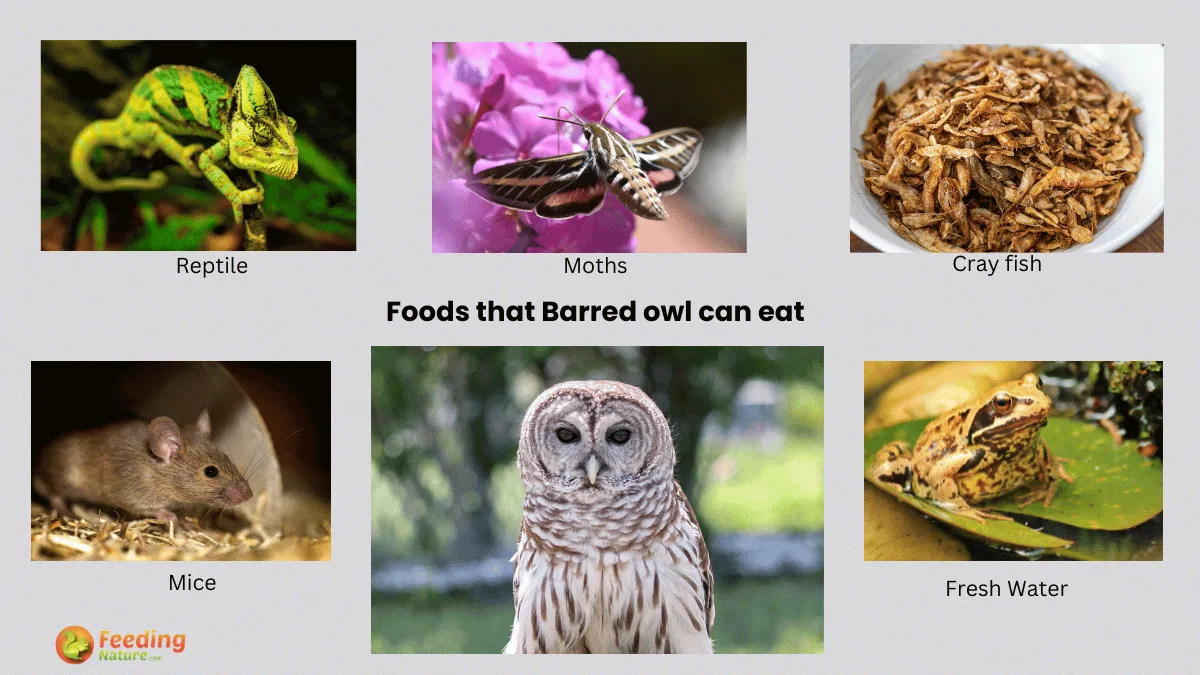
In the shadowed realms where twilight weaves its tapestry, owls have long been the silent sentinels of the night. Their piercing gaze, a blend of ancient wisdom and predatory precision, has made them the stuff of folklore and fascination. Yet, beneath the moonlit mystique lies a stark reality: these feathered sovereigns of the dark are under siege—not just from the encroaching shadows of human expansion, but from a host of unseen invaders that threaten their very existence. The barred owl, a charismatic interloper in the Pacific Northwest, is but one thread in a larger, more ominous tapestry of invasive species reshaping ecosystems. But what other threats lurk in the wings, waiting to disrupt the delicate balance of nature’s night? The answer may unsettle you—and compel you to look at these nocturnal titans with fresh eyes.
How Owls Are Adapting to Urban Environments
The night belongs to them. As dusk bleeds into twilight and the city’s neon arteries pulse with synthetic light, a silent revolution unfolds in the rafters of skyscrapers and the hollows of storm drains. Owls—those ancient sentinels of wisdom and mystery—are not merely surviving in our urban sprawls; they are thriving, rewriting the rules of coexistence with a quiet, feathered defiance. Once confined to the whispering woods and moonlit meadows, these nocturnal sovereigns now patrol the concrete canyons, their golden eyes reflecting not just the glow of streetlamps but the resilience of nature itself. To witness an owl perched atop a fire escape or gliding between the silhouettes of billboards is to glimpse a paradox: the wild, unbroken spirit of the wild, thriving in the heart of the human-made.
How to Organize a Spotted Owl Awareness Campaign
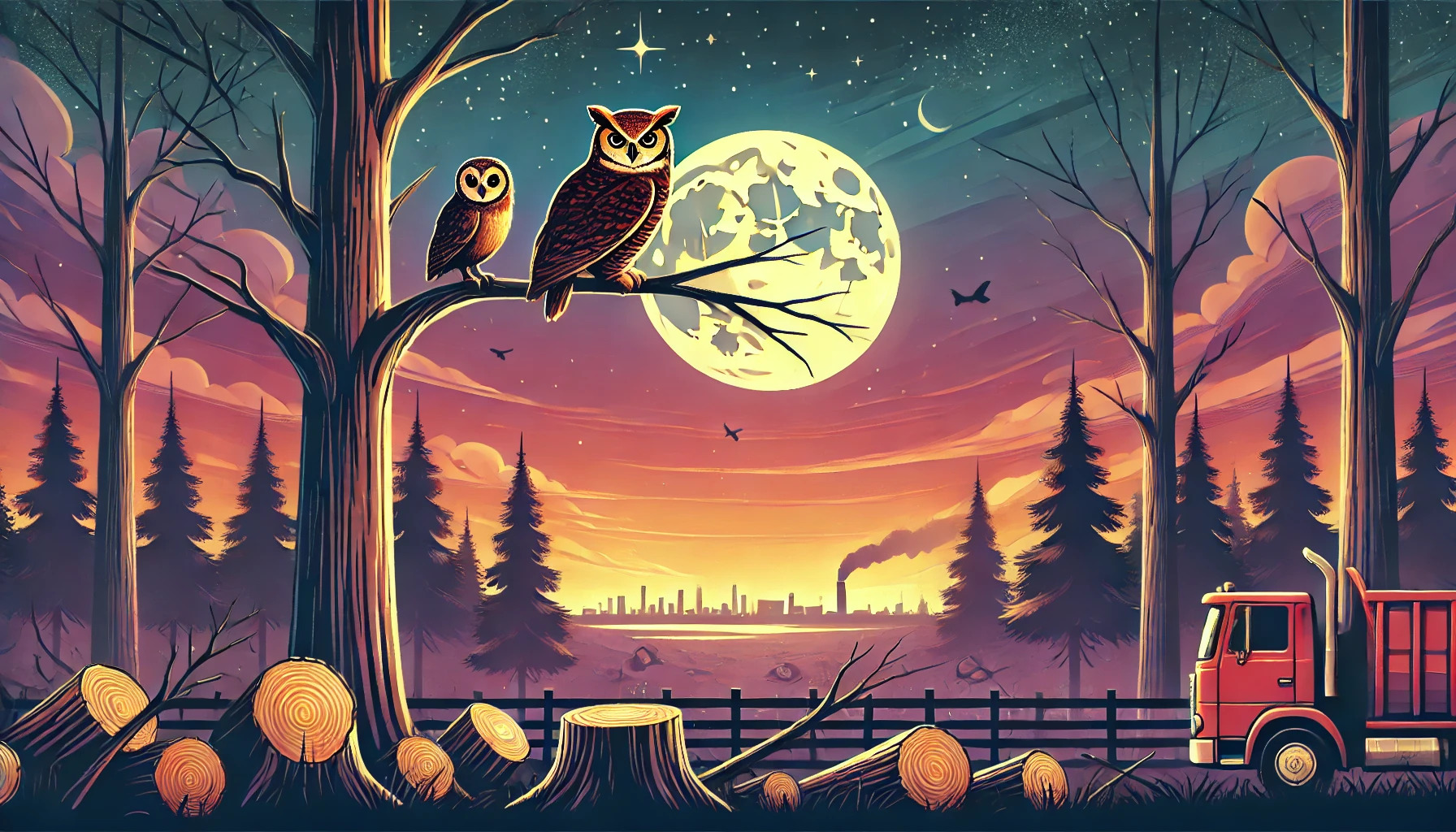
The spotted owl, with its piercing amber eyes and mottled plumage, is more than just a bird—it is a living emblem of the ancient forests it calls home. Yet, this enigmatic creature faces silent extinction, its habitat shrinking beneath the weight of human progress. To rally communities around its cause is not merely an act of conservation; it is a defiant assertion that the wild must persist, that the whispers of the old-growth woods deserve to be heard above the din of chainsaws and bulldozers. Organizing a spotted owl awareness campaign is not just about saving a species; it is about reclaiming our collective responsibility to the earth’s vanishing wonders.
Owl-Watching Tours: The Best Guided Experiences for Spotting Rare Species
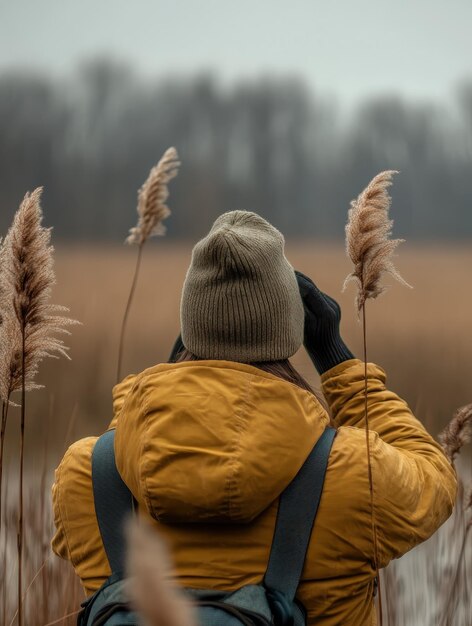
There is a quiet revolution stirring in the world of wildlife observation—one that invites us to step beyond the ordinary and into the realm of the nocturnal, the elusive, the truly rare. Owl-watching tours are not merely excursions; they are pilgrimages into the twilight, where the air hums with the whispers of ancient wings and the dark is punctuated by the piercing gaze of creatures that embody both mystery and wisdom. These guided experiences offer more than sightings; they provide a portal into ecosystems often overlooked, where conservation meets curiosity, and where every hoot carries the weight of ecological significance. Whether you are a seasoned birder, a nature enthusiast, or someone seeking a transformative encounter with the wild, owl-watching tours promise an immersion into the unseen, the unheard, and the profoundly rare.
How Social Media Is Transforming Owl Research and Conservation Efforts
In the quiet hush of twilight, when the world slows its frenetic pace, a pair of golden eyes pierces the darkness—an owl, silent and sentinel. These enigmatic creatures have long captivated human imagination, their nocturnal habits and piercing gaze weaving myths and mysteries across cultures. Yet today, their story is being rewritten not just in the shadows of the forest, but on the luminous screens of our digital lives. Social media, once dismissed as a frivolous distraction, has emerged as an unlikely ally in owl research and conservation, transforming how we observe, understand, and protect these feathered guardians of the night.