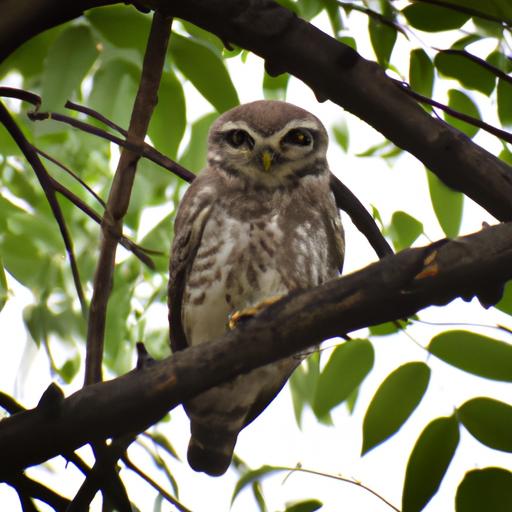
The haunting call of the spotted owl pierces through the dense canopy, a sentinel of the ancient forests it calls home. This majestic species, veiled in mottled feathers and shrouded in mystery, faces existential threats fueled primarily by human intrusions. Its nesting sites, delicate sanctuaries where life perpetuates, are increasingly imperiled by disturbance—both overt and subtle. Protecting these refuges requires more than passive admiration; it demands deliberate efforts to minimize human interference. This article delves into comprehensive strategies to alleviate human disturbance at spotted owl nesting sites, rooting out causes and prescribing thoughtful, actionable solutions to ensure their continued survival.
Understanding the Sensitivity of Spotted Owl Nesting Sites
The first step in mitigating human disturbance is acknowledging the intricate vulnerability of spotted owl nesting areas. These sites are often embedded deep within old-growth forests, where mature trees create a microhabitat essential for incubation and fledging. Even minor disruptions in these fragile ecosystems can trigger nest abandonment or failed hatching. The owls rely on seclusion and stability—qualities inherently jeopardized by human presence. Recognizing that these nesting grounds are not mere locations but intricate ecological theaters, where each element must remain undisturbed, frames the entire conservation effort.
Limiting Access Through Controlled Zoning and Buffer Zones
One of the most effective mechanisms to protect nesting sites involves instituting controlled access via zoning. Establishing buffer zones—a defined perimeter around the nests—creates a protective barrier that restricts human activity within a sensitive radius. These zones must be informed by rigorous ecological studies assessing the typical range of the owls’ movements, factoring in sound propagation, visual disturbances, and the owls’ habituation thresholds. Authorities and land managers must rigorously enforce these zones, integrating signage and physical deterrents where necessary, so that inadvertent trespassing is minimized. The psychological impact of such boundaries also fosters public respect for wildlife sanctuaries, promoting coexistence rather than conflict.
Employing Quiet Technologies and Minimizing Noise Pollution
Noise is an insidious form of disturbance often underappreciated in its impact on wildlife. Spotted owls possess acute auditory senses, relying on their environment’s quietude to hunt and communicate. Human-generated noise—whether from vehicles, machinery, or even recreational chatter—can increase stress and disrupt natural behavior. Deploying quieter technologies, such as electric vehicles in forested zones or noise-reducing equipment during forestry operations, dramatically lowers auditory intrusion. Additionally, instituting temporal restrictions on noisy activities during critical breeding periods safeguards the owls’ nesting success. Embracing silence or at least tolerable minimal noise emerges as a pivotal strategy for harmonious human-wildlife interactions.
Promoting Responsible Recreation Practices
The allure of pristine forests draws hikers, birdwatchers, and nature enthusiasts whose presence, though well-intentioned, can unintentionally disturb nesting owls. Responsible recreation emphasizes knowledge, respect, and restraint. Educational campaigns imbue visitors with awareness of the owls’ nesting timelines, nudging them to stay on designated trails and avoid nesting vicinities. Encouraging guided tours led by trained naturalists ensures human activities are conducted with minimal ecological footprints. Moreover, adopting “Leave No Trace” principles, such as packing out all waste and avoiding off-trail excursions, preserves habitat integrity. Responsible recreation becomes a conduit for conservation when visitors transition into advocates for the owls they cherish.
Integrating Community Engagement and Conservation Partnerships
Conservation efforts flourish when grounded in community involvement. Local residents, indigenous groups, and forest users possess invaluable experiential knowledge and a vested interest in the landscape’s health. Facilitating partnerships among governmental agencies, NGOs, and these communities amplifies conservation outcomes. Community-led monitoring programs empower citizens to report disturbances, monitor owl populations, and contribute to adaptive management strategies. When protection of spotted owl nesting sites becomes a shared cultural mission, the persistence of these enigmatic birds grows more likely. Collective stewardship intertwines human well-being with ecological preservation, crafting a narrative of hope rather than loss.
Enforcing Legal Protections and Policy Measures
Legal frameworks underpin the physical and societal barriers shielding spotted owl nesting sites. Federal and state-level protections often designate critical habitats, obliging landowners and developers to comply with conservation mandates. Enforcement, however, is paramount. Penalties for unauthorized intrusion and habitat destruction must be clear, equitable, and consistently applied. Additionally, policies incentivizing preservation, such as conservation easements and habitat restoration grants, can motivate private stakeholders to safeguard nesting grounds proactively. A symphony of regulation, compliance, and incentives coalesces into a robust protective net, deterring activities that jeopardize the owls’ reproductive sanctuaries.
Implementing Habitat Restoration and Connectivity Initiatives
Human disturbance extends beyond direct presence; it fractures habitats, isolating nesting sites and compounding vulnerability. Restoration projects repairing logged or degraded forests improve habitat quality, while establishing corridors reconnects fragmented areas. Continuity in forest structure allows spotted owls to access multiple nesting and foraging sites, reducing the impact of localized disturbances. These initiatives often incorporate native vegetation planting, invasive species control, and hydrological restoration, creating resilient ecosystems that support breeding success. By nurturing the broader landscape’s health, restoration and connectivity efforts form a proactive bulwark against human pressures, promoting ecological continuity indispensable for spotted owl survival.
Utilizing Remote Monitoring and Non-Invasive Research Techniques
Monitoring spotted owl populations and behaviors traditionally required physical presence that might inadvertently cause disturbance. Advances in technology now enable remote monitoring through motion-sensitive cameras, acoustic sensors, and drone surveillance with minimal intrusion. These tools provide critical data on nesting success, predator presence, and human activity patterns around nests, informing adaptive management. Non-invasive research methodologies demonstrate that knowledge acquisition need not compromise animal welfare. Leveraging these technological innovations ensures that human curiosity and scientific inquiry harmonize with the imperative of leaving nesting sites undisturbed.
Fostering Public Awareness and Advocacy
Ultimately, reducing human disturbance hinges on widespread public awareness. Educational programs targeting schools, outdoor enthusiasts, and the general public cultivate empathy and stewardship values. Storytelling, evocative imagery, and community events spotlight the spotted owl as a symbol of wildness worth protecting. Advocacy campaigns can galvanize support for funding conservation initiatives and shape public opinion towards sustainable land use. As knowledge permeates societal consciousness, pressure mounts on policymakers and industries to prioritize the owls’ welfare. An enlightened public becomes a formidable ally in the quest to protect these silent sentinels of the forest.