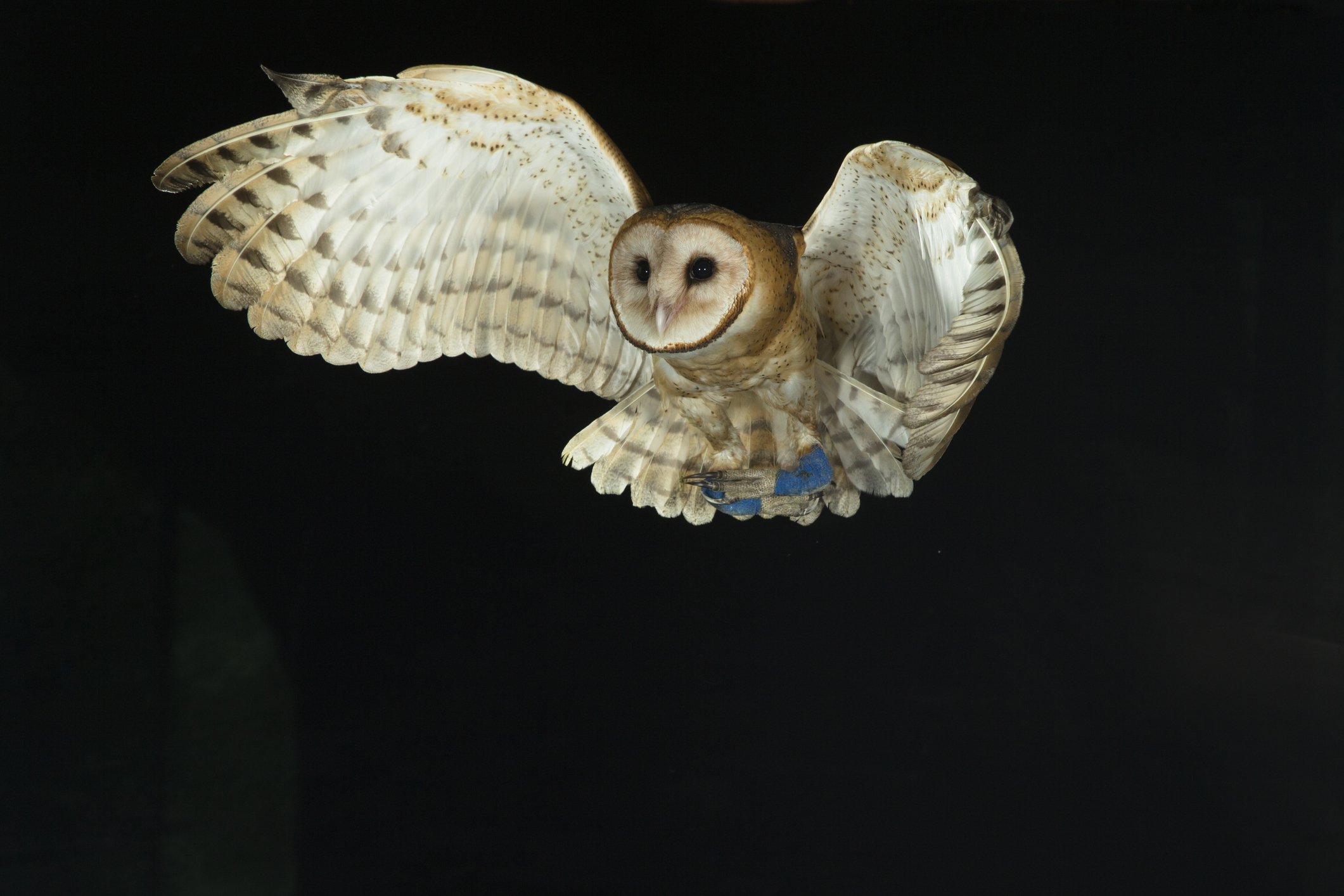
The snowy owl, a majestic emblem of winter’s silent majesty, holds within its striking white feathers an extraordinary ability to dominate the darkened realms of the Arctic night. Unlike many avian predators, snowy owls thrive in environments characterized by limited light, relying on their exceptional adaptations to hunt successfully in near total darkness. Exploring the secrets behind how these enigmatic birds perceive and maneuver through the shadows reveals a captivating narrative of evolution, precision, and survival. Delve into the mesmerizing world of the snowy owl’s night vision and hunting methods to uncover how nature’s most adept nocturnal hunter claims its place as an apex predator beneath the northern skies.
Extraordinary Visual Adaptations for Nighttime Hunting
At the core of the snowy owl’s nocturnal prowess is its vision. Unlike human eyes, which rely heavily on cones for color detection and daylight acuity, snowy owls boast a remarkable density of rod cells within their retinas. These rod cells are exquisitely sensitive to low light, allowing the owl to detect movements and shapes even in the darkest conditions. Their large, forward-facing eyes not only grant an expansive field of binocular vision but also maximize the amount of light captured. The ocular anatomy of a snowy owl is a masterpiece of natural engineering: the eyes are anatomically fixed, prompting the bird to rotate its head up to 270 degrees to survey its surroundings fully, eliminating blind spots and enhancing spatial awareness.
The owl’s tapetum lucidum, a reflective layer behind the retina, further amplifies this capability. Acting much like a mirror, it reflects any light that passes through the retina back into the eye, doubling the opportunity for those vital photoreceptors to detect photons. This adaptation is shared among many nocturnal animals, but its efficiency in snowy owls contributes to their uncanny ability to spot prey under the Arctic’s starlit canopy.
Auditory Precision: The Complement to Nocturnal Vision
While their eyes grab initial visual cues, snowy owls rely heavily on an equally sophisticated auditory system to hone in on prey in complete darkness. Their facial discs—circular arrays of feathers surrounding the eyes—function like satellite dishes, funneling sound waves directly to asymmetrically placed ears. These ears, offset at different heights and angles, equip the owl with precise auditory triangulation, enabling it to detect even the faintest rustle of a vole or lemming beneath layers of snow or grass.
This auditory acuity becomes especially crucial during moonless nights or blizzards when visual input is severely compromised. The seamless integration of vision and hearing allows snowy owls to maintain pinpoint accuracy as they pinpoint prey, unerringly diving through the frigid air to capture food essential for survival in their otherwise stark habitats.
Hunting Techniques: Silent Flight and Strategic Patience
Hunting in darkness demands stealth and patience, and snowy owls have perfected both with astounding finesse. Their feathers are uniquely structured with velvety fringes that muffle the sound of wingbeats. This silent flight enables them to approach prey undetected, granting the element of surprise crucial for a successful kill.
Snowy owls exhibit a blend of active searching and ambush tactics. During the polar night, they often perch at elevated vantage points, scanning the dim horizon for movement while conserving precious energy amid the freezing temperatures. Once prey is detected, the owl will glide silently towards the target, deploying razor-sharp talons to snatch the unsuspecting animal. Their hunting is not hurried but calculated, embodying patience and precision honed by millennia of survival.
Environmental Challenges and Adaptive Strategies
The Arctic night poses formidable challenges: frigid temperatures, scarce prey, and reptiles of shifting snow and ice camouflage. To counter these obstacles, snowy owls have evolved not only sensory specializations but also behavioral adaptations. They are opportunistic hunters, adjusting their activity patterns in response to seasonal prey availability and light conditions. During periods of prolonged darkness, owls may increase reliance on auditory cues and extend their hunting durations.
Furthermore, their white plumage serves an essential role beyond camouflage. By blending with snow-covered landscapes, these owls evade detection by both prey and potential competitors. This visual invisibility is a decisive advantage during nocturnal hunts, rendering the snowy owl nearly ghostlike as it navigates its frozen domain.
The Role of Experience and Learning in Nocturnal Hunting Success
Even with extraordinary physiological adaptations, the mastery of night hunting is not purely innate. Young snowy owls undergo a lengthy learning curve, refining their sensory coordination and flight techniques under the watchful gaze of their parents. Experience teaches them to interpret subtle cues, balance energy expenditure, and optimize perch choices. This behavioral plasticity is crucial in an environmental mosaic as variable and unforgiving as the Arctic.
Seasoned owls demonstrate remarkable problem-solving abilities, modifying hunting strategies in real-time and exploiting novel opportunities to secure sustenance. Through accumulated knowledge and situational awareness, the snowy owl becomes a consummate nocturnal predator, embodying the perfect synthesis of biology and behavior.
Scientific Insights: Revealing the Hidden World of Snowy Owls at Night
Advancements in technology, such as infrared cameras and bio-logging devices, have lifted the veil on the snowy owl’s nocturnal endeavors. Researchers now observe behaviors previously obscured by darkness, shedding light on hunting ranges, prey preferences, and sensory reliance. Such findings underscore the importance of multisensory integration and environmental attunement in the owl’s predatory efficiency.
The integration of these empirical studies deepens our appreciation for how these birds navigate and dominate seemingly inhospitable, lightless domains. The snowy owl emerges not merely as a creature surviving the night but as a symbol of nature’s ingenuity and resilience in balancing sensory capabilities with environmental demands.
Conclusion: Nature’s Nocturnal Sentinel
At the intersection of evolutionary marvel and ecological necessity lies the snowy owl’s formidable night vision and hunting acumen. As darkness envelops the Arctic landscape, this sentinel of snow wields its unparalleled sensory toolkit with grace and precision. From specialized retinal structures to acute auditory perception and stealthy flight, every aspect of the snowy owl is tuned for triumph under the celestial cloak of night. These adaptations don’t merely signal survival—they tell a story of elemental connection between predator and prey, light and shadow, life and environment. The secrets of their nocturnal vision and hunting strategies inspire awe, reminding us of the profound complexities embedded within the natural world’s quietest, most enigmatic hunters.