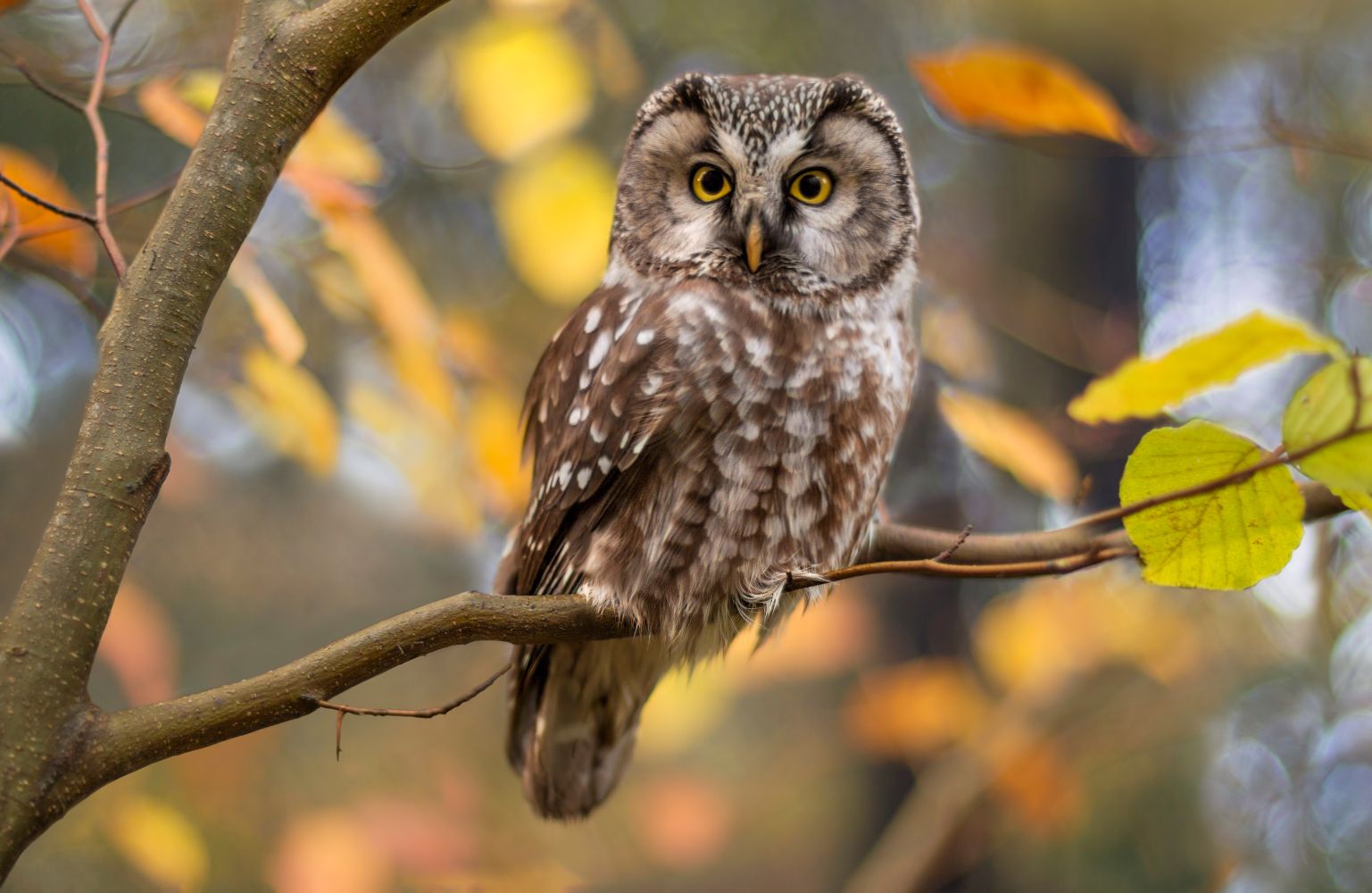
In the quiet hush of twilight, when the sun surrenders its golden reign to the encroaching shadows, a silent guardian takes flight. With wings that whisper against the breeze, the owl glides through the night, its gaze sharp as a blade, its purpose as old as agriculture itself. These feathered sentinels are not mere creatures of folklore or symbols of wisdom—they are the unsung heroes of the farm, the natural pest controllers that have patrolled the fields long before chemical solutions ever darkened a farmer’s doorstep. Their role in controlling agricultural pests is not just a quirk of nature; it is a masterclass in ecological balance, a testament to the power of predation as a tool for harmony.
The Nocturnal Hunters: Masters of the Night Shift
Owls are the quintessential nocturnal predators, their adaptations finely tuned for the darkness. Their large, forward-facing eyes, akin to twin moons reflecting the faintest starlight, grant them unparalleled depth perception. Unlike diurnal birds, owls possess a tapestry of specialized feathers that muffle sound, allowing them to swoop upon unsuspecting prey with the stealth of a shadow. This silent flight is not merely a marvel of biology—it is a strategic advantage, ensuring that rodents, insects, and other agricultural pests never hear the approach of their demise.
Consider the barn owl, a pale specter of the night with heart-shaped facial discs that funnel sound like a parabolic dish. These discs are not just for show; they amplify the rustle of a mouse’s paw in the underbrush, the scuttle of a vole through dry leaves. In a single night, a barn owl can dispatch dozens of these pests, each one a potential threat to crops. The great horned owl, with its tufted ears and piercing gaze, takes this predation to another level, targeting larger rodents and even snakes that might otherwise decimate a farmer’s yield. Together, these nocturnal hunters form an aerial militia, tireless and relentless in their pursuit of balance.
Ecosystem Engineers: Beyond the Hunt
Owls do more than simply cull pest populations—they reshape the very fabric of the agricultural ecosystem. By preying on rodents, they prevent overgrazing of young plants, ensuring that seeds have a chance to sprout and flourish. Their presence discourages the spread of diseases carried by pests, such as hantavirus or leptospirosis, which can devastate both livestock and human communities. In this way, owls act as living sentinels, their mere existence serving as a deterrent to pests that might otherwise proliferate unchecked.
Moreover, owls contribute to nutrient cycling. The remains of their prey, scattered across the fields, decompose and enrich the soil, a natural fertilizer that rivals any synthetic alternative. This process fosters healthier crops, reducing the need for chemical interventions that can leach into waterways and poison delicate ecosystems. In essence, owls are the original permaculturists, their hunting habits an integral part of a self-sustaining agricultural cycle.
The Silent Partners: Farmers and Owls in Symbiosis
For centuries, farmers have relied on owls as allies in their battle against pests. Traditional practices, such as erecting owl boxes or leaving patches of undisturbed woodland near fields, are not relics of the past—they are time-tested strategies for pest management. Modern agriculture, with its sprawling monocultures, often disrupts these natural partnerships, but a growing number of farmers are rediscovering the value of these feathered partners. By fostering habitats that attract owls—such as planting native shrubs, avoiding excessive pesticide use, and maintaining hedgerows—farmers can create a sanctuary for these predators.
In regions where chemical pesticides have led to resistant pest populations, owls offer a reprieve. Their predation is selective, targeting only the pests while leaving beneficial insects and pollinators unharmed. This targeted approach reduces the collateral damage often wrought by broad-spectrum chemicals, which can decimate entire food webs. The result? Healthier soils, more resilient crops, and a farm that operates in harmony with nature rather than against it.
The Science of Swooping: How Owls Outsmart Their Prey
The hunting prowess of owls is a subject of fascination for biologists and bird enthusiasts alike. Their ability to locate prey in complete darkness is attributed to their asymmetrical ear placement, which allows them to pinpoint the exact location of a sound with astonishing precision. Once a target is identified, an owl’s flight path is a masterclass in aerodynamics, its wings adjusting in real-time to account for the erratic movements of its prey. Even the talons of an owl are specialized, designed to crush the skulls of rodents in a single, lethal grip.
Research has shown that owls can consume up to 1,000 rodents per year, a staggering figure that underscores their importance in pest control. In agricultural settings, this translates to significant savings for farmers, who no longer need to rely solely on traps or poisons. The economic benefit is clear: fewer pests mean higher yields, and healthier yields mean a more sustainable livelihood. But the value of owls extends beyond the balance sheet—it is a reminder that nature’s solutions are often the most elegant.
Conservation in the Age of Extinction
Despite their critical role, owls face mounting threats from habitat loss, climate change, and human encroachment. Deforestation, urban sprawl, and the widespread use of rodenticides that poison not just pests but their predators as well, have pushed many owl species to the brink. Conservation efforts are therefore not just about protecting these birds—they are about safeguarding the very systems that sustain agriculture. Programs that promote owl-friendly farming practices, such as the installation of nest boxes or the creation of wildlife corridors, are vital to ensuring that these nocturnal guardians continue to thrive.
Public awareness is equally crucial. By educating communities about the benefits of owls, we can foster a culture of coexistence rather than conflict. Schools, nature reserves, and even social media campaigns can highlight the importance of these birds, encouraging people to see them not as ominous omens but as indispensable allies in the fight against agricultural pests. After all, the survival of owls is inextricably linked to the survival of the farms they protect—and by extension, the survival of the people who depend on those farms for sustenance.
A Future Woven with Feathers
The story of owls in agriculture is one of quiet resilience, a narrative of nature’s ability to provide solutions when given the chance. As we stand on the precipice of a new era in farming—one that increasingly embraces sustainability and ecological balance—the role of owls becomes ever more pivotal. They are not just predators; they are partners, teachers, and guardians of the land. By welcoming them into our fields, we do more than control pests—we restore a balance that has existed for millennia, a balance that reminds us that the most effective solutions are often the ones that have been here all along, watching, waiting, and hunting in the dark.