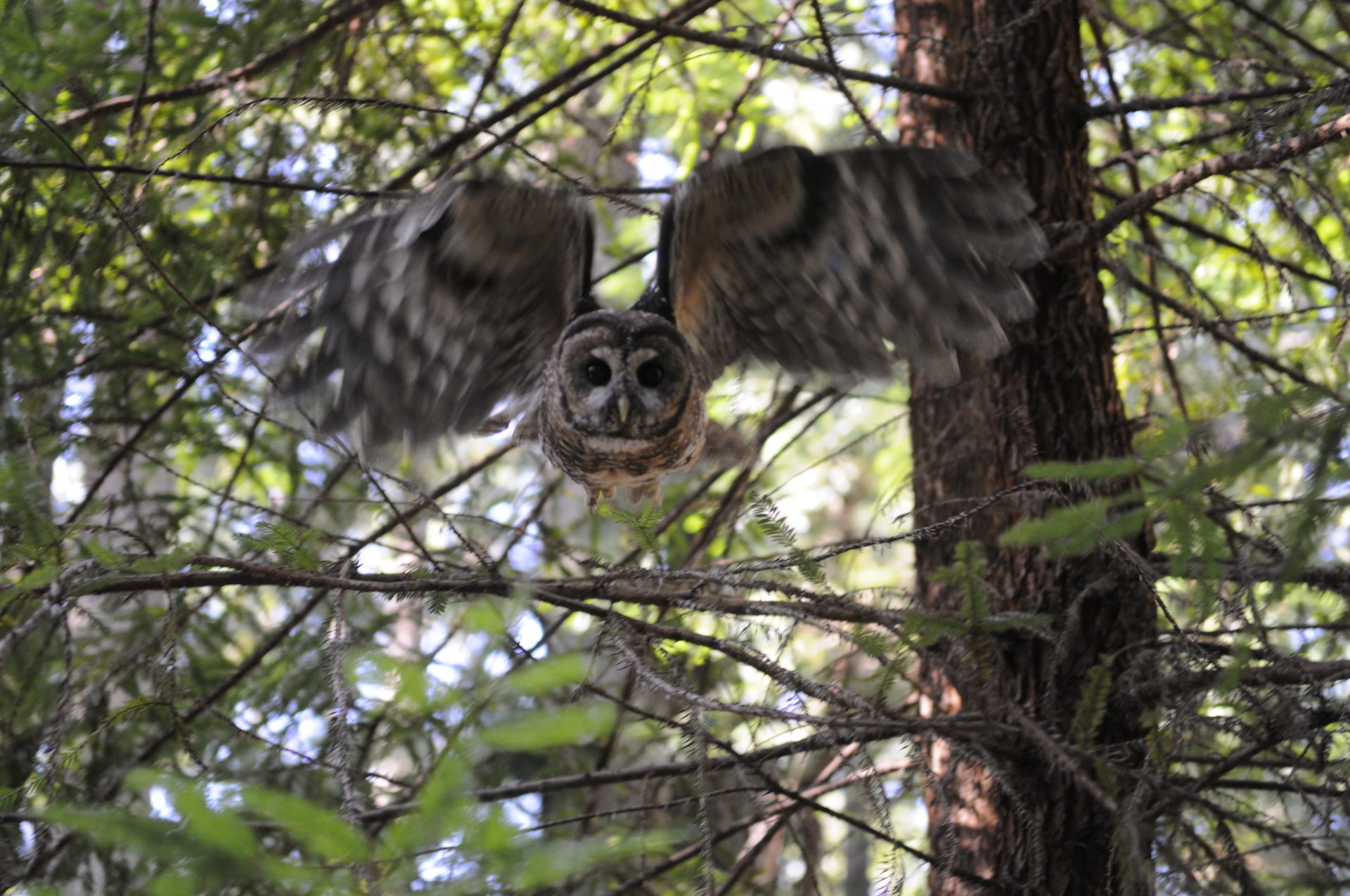
The spotted owl, a nocturnal sentinel of the ancient forests, has become an unwitting symbol of the delicate balance between human curiosity and ecological preservation. In the mist-laced canopies of the Pacific Northwest, where the air hums with the whispers of centuries-old conifers, this elusive bird faces a silent yet relentless threat—not from the claws of predators, but from the footsteps of tourists. The allure of these pristine landscapes, with their towering Douglas firs and emerald understories, draws millions each year, yet few pause to consider the cost of their wanderlust on the creatures that call these woods home.
Ecology & Environmental Science
Barred Owls in Photography: Capturing Their Forest Beauty
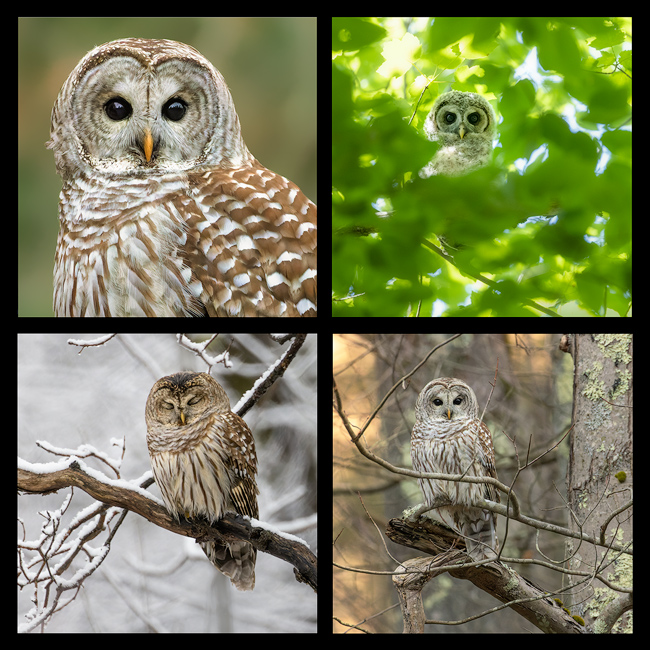
There is an ineffable allure in the haunting gaze of a barred owl captured through the lens, a moment that transcends mere observation and delves into the sublime interplay between nature’s mystique and human curiosity. Anyone who has encountered the enigmatic barred owl through photography often finds themselves inexplicably drawn not just to the image itself, but to the deeper narrative it evokes—an intimate glimpse into a hidden world where silence reigns, shadows thicken, and the quiet watchfulness of the forest reveals itself in feathery detail. This fascination is anything but superficial; it roots itself in the owl’s symbolism, its elusive nature, and the challenge it poses to photographers who seek to immortalize its essence without disrupting its realm.
Barred Owl Watching in Urban Areas: Where to Look in Cities
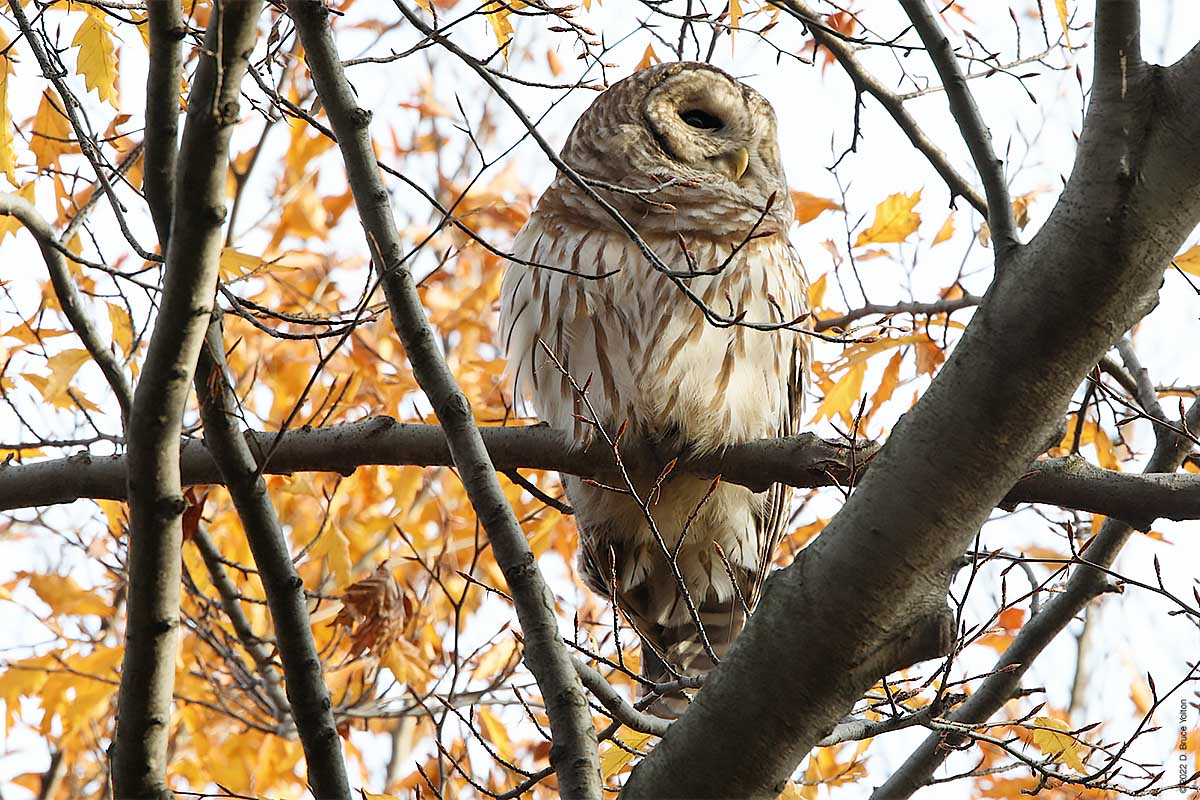
Amidst the cacophony of city life and the persistent pulse of urban sprawl, there exists a subtle, enigmatic presence that often goes unnoticed: the Barred Owl. This captivating bird, with its haunting calls and distinctive barred plumage, offers a compelling invitation to see cities not just as concrete jungles but as vibrant ecosystems brimming with untold wonders. Barred Owl watching in urban areas promises a profound shift in perspective—one that challenges preconceived notions of wildlife habitat and beckons the curious to embark on a journey of discovery amid the towering skyscrapers and manicured parks.
The Impact of Road Construction on Spotted Owl Migration Corridors
The ancient forests of the Pacific Northwest once echoed with the haunting calls of the spotted owl, a bird whose wings traced the invisible threads of migration corridors like a poet’s quill weaving through the night. These corridors, vital arteries of wilderness, pulse with life—each rustle of leaves, each gust of wind carrying the whispers of survival. But today, these pathways are being severed, not by the claws of a predator, but by the relentless march of road construction. The impact is not merely ecological; it is a fracture in the very soul of the land, a wound that bleeds biodiversity and cultural heritage alike.
How Satellite Imagery Is Helping Track Barred Owl Expansion
The barred owl, with its haunting, soulful eyes and striped plumage, has long been a silent sentinel of North America’s ancient forests. But this enigmatic bird is no longer content to dwell in the shadows of its ancestral domain. Like an uninvited guest overstaying its welcome, the barred owl has begun a relentless march westward, encroaching upon the territories of its threatened cousin, the northern spotted owl. This ecological upheaval, once a whisper in the ornithological community, has now become a thunderous crescendo—one that is being dissected, mapped, and understood through the unblinking gaze of satellite imagery. In the vast, pixelated tapestry of Earth’s landscapes, scientists are finding the threads that weave together the barred owl’s expansion, revealing a story of adaptation, competition, and the delicate balance of nature’s grand design.
Spotted Owl Calls: A Guide to Identifying Their Unique Sounds
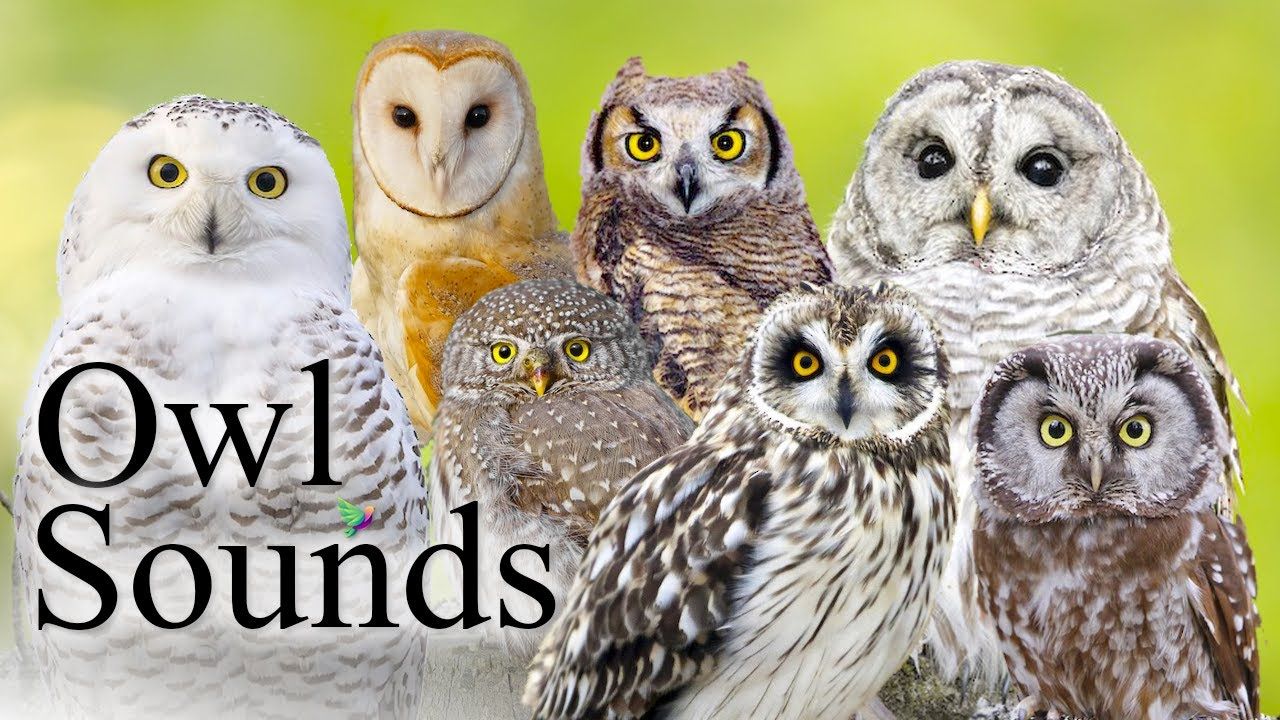
The ethereal calls of the spotted owl echo through ancient woodlands, stirring a primal curiosity that has captivated birdwatchers, naturalists, and casual listeners alike. These enigmatic melodies are more than simple sounds; they serve as a bridge to understanding the secretive life of one of North America’s most intriguing raptors. Every hoot, whistle, and trill contains an intricate language of survival, communication, and territorial proclamation. Yet, beyond the biological purpose, the allure of the spotted owl’s calls reveals a profound human fascination with nature’s mysterious symphony.
How Owls Are Influencing Microbial Communities: Their Role in Nutrient Redistribution
Have you ever paused to consider the silent, feathered architects of the night—those wide-eyed sentinels perched in the moonlit boughs of ancient trees? Owls, those enigmatic hunters of the dark, are not merely predators of the rodent realm. They are, in fact, unsung maestros of microbial alchemy, orchestrating a symphony of nutrient redistribution that ripples through ecosystems like an invisible tide. What if we told you that these nocturnal virtuosos are the clandestine choreographers of soil health, the puppet masters of decomposition, and the guardians of agricultural fertility? The question isn’t whether owls influence microbial communities—it’s how deeply their talons are entwined with the very fabric of life beneath our feet.
The Role of Museums and Zoos in Owl Education and Outreach
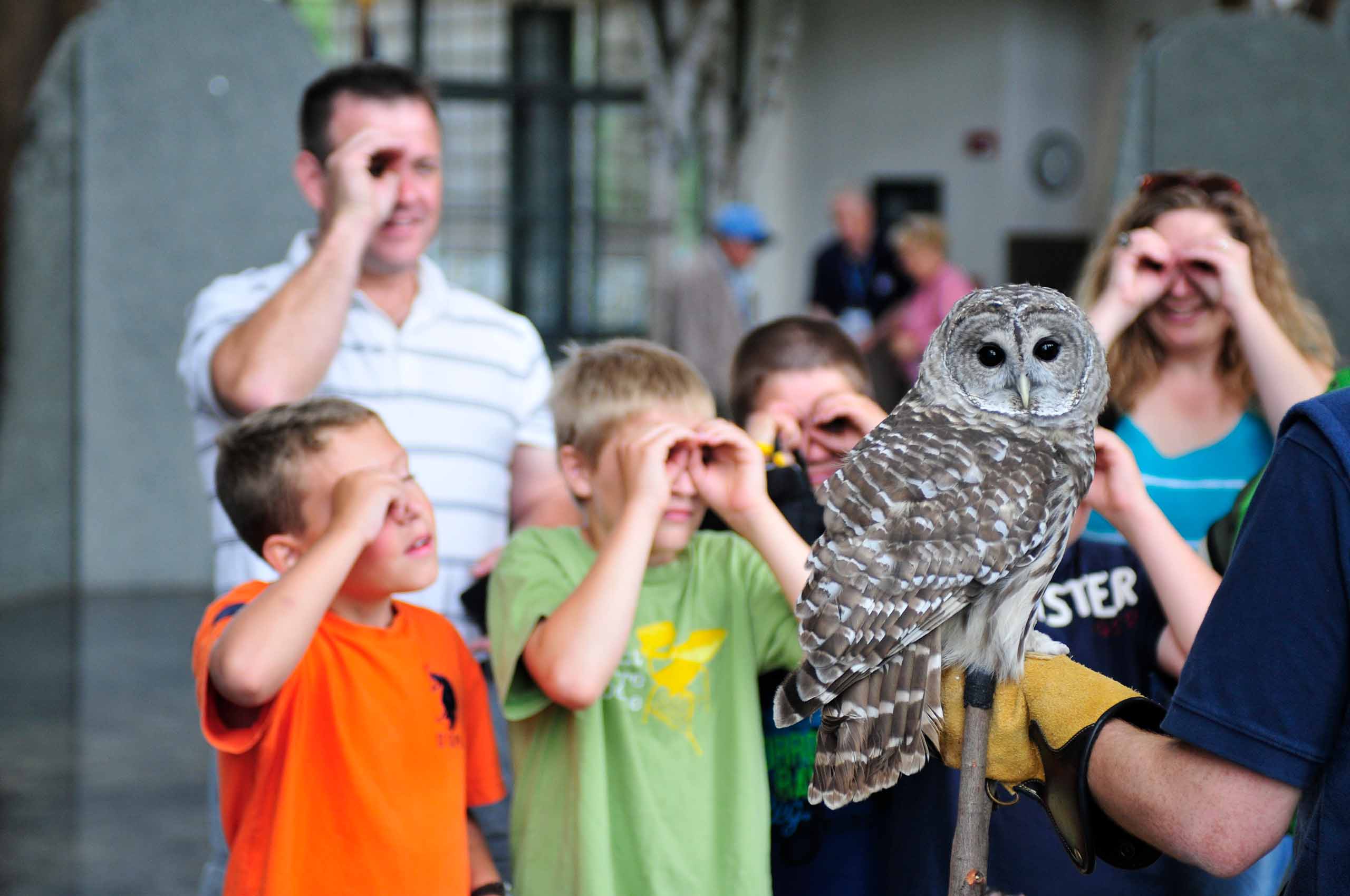
In the quiet hush of a museum’s dimly lit hall or the open-air expanse of a zoo, an owl’s piercing gaze seems to follow you. These enigmatic creatures, draped in feathers that whisper of ancient wisdom, have long captivated human imagination. Yet beyond their mystique lies a profound opportunity: the role of museums and zoos in owl education and outreach. These institutions are not mere repositories of artifacts or spectacles of wildlife; they are vibrant classrooms where curiosity takes flight, and conservation begins with understanding.
The Link Between Arctic Greening and Snowy Owl Hunting Success
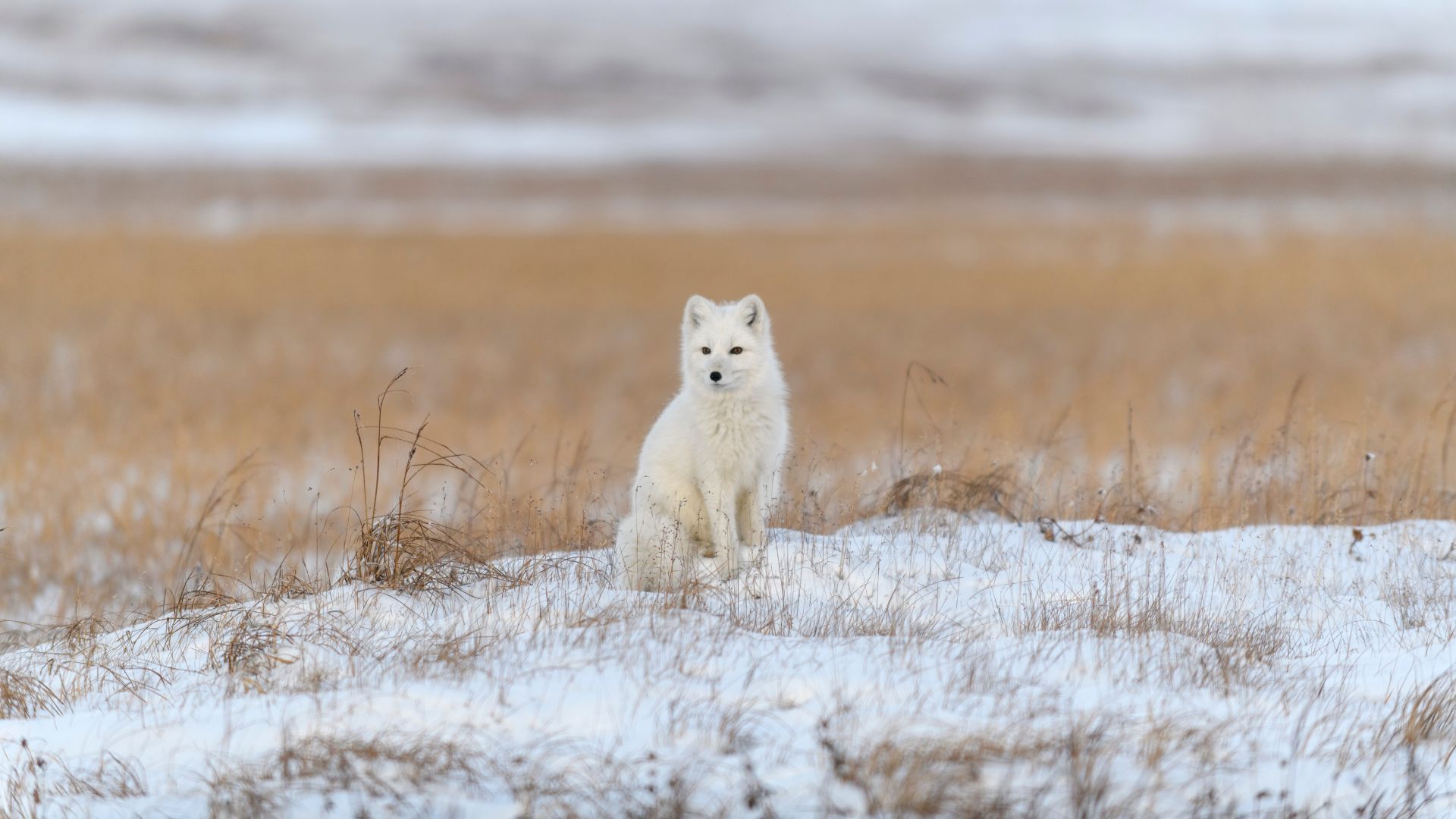
The Arctic is not a static, frozen wasteland—it is a living, breathing ecosystem undergoing a transformation so profound that it is rewriting the rules of survival for its inhabitants. Among its most iconic predators, the snowy owl, once a master of the tundra’s endless white expanse, now finds itself navigating a landscape that is increasingly verdant, increasingly unpredictable. This shift, known as Arctic greening, is not merely a backdrop to the owl’s hunting grounds; it is a catalyst, reshaping the very fabric of its existence. What happens when the hunter becomes the hunted in a world where the snow no longer falls as it once did? The answer lies not in the stark contrasts of black and white, but in the subtle hues of green that are quietly altering the Arctic’s ecological narrative.
The Owl in Sculpture: From Ancient Artifacts to Modern Installations

The owl, a creature of paradox—wise yet enigmatic, nocturnal yet ever-watchful—has perched itself at the heart of human creativity for millennia. From the crumbling bas-reliefs of ancient temples to the gleaming steel installations of contemporary galleries, this avian sentinel has evolved from a symbol of divine knowledge to a canvas for cultural reinvention. Sculpture, in its most potent form, has been the vessel through which humanity has interrogated, mythologized, and reimagined the owl. It is not merely an art form but a dialogue across time, a silent conversation between past and present, where stone and metal become the tongue of wisdom itself.