The Arctic tundra, a realm of stark beauty and fragile equilibrium, is undergoing a transformation as relentless as the polar winds. Among its most iconic inhabitants, the snowy owl, a creature of mythic resilience, now faces an existential threat—not from predators, but from the invisible hand of climate change. Yet, where there is peril, there is also promise. Climate change workshops, once the domain of scientists and policymakers, are emerging as a beacon of hope, equipping communities with the knowledge and tools to safeguard these majestic birds. These workshops are not merely educational forums; they are catalysts for a paradigm shift, fostering a deeper connection between humans and the natural world.
Ecology & Environmental Science
How Barred Owls Are Affecting Spotted Owl Nesting Sites
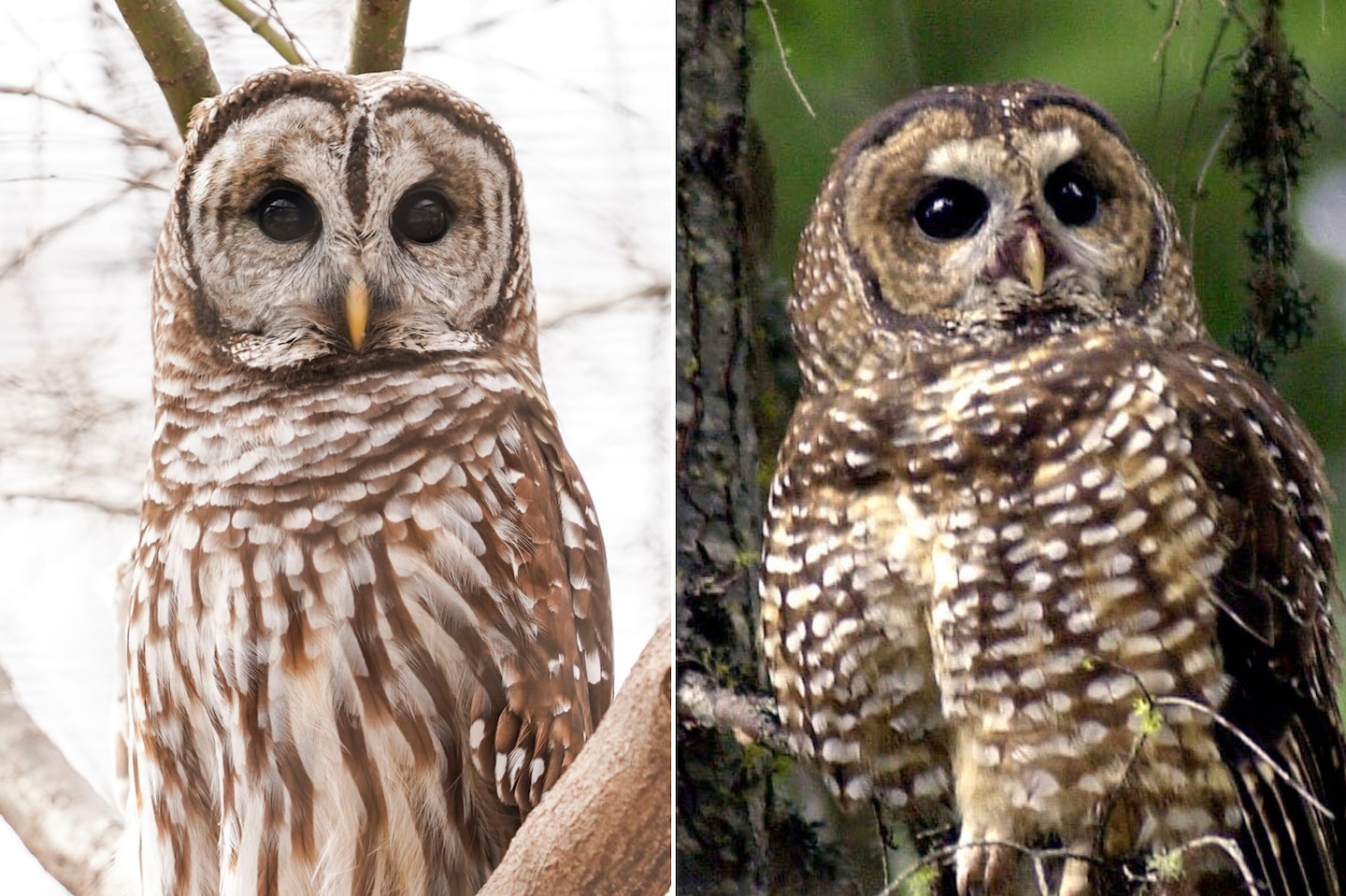
In the dense, whispering forests of the Pacific Northwest, a quiet war unfurls between two iconic species: the native spotted owl and the invasive barred owl. This conflict extends beyond mere coexistence—it threatens to unravel the very fabric of ecological balance that has persisted for centuries. Far from a simple predator-prey paradigm, the struggle over nesting sites elucidates profound shifts in wildlife dynamics, compelling us to rethink conservation, interspecies interaction, and the delicate art of coexistence in an evolving wilderness.
Climate Change and Owls: How Warming Temperatures Affect Their Behavior
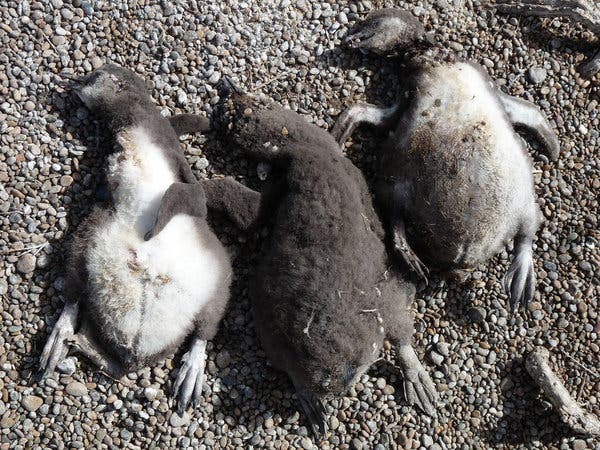
The silent sentinels of the night, owls, have long been the stuff of folklore and fascination. But as the planet warms, these enigmatic birds face a silent crisis. Climate change is not just altering landscapes; it’s rewriting the rulebook of survival for species like owls. From the tawny’s stealthy hunts to the snowy owl’s Arctic wanderings, every aspect of their existence is being recalibrated by rising temperatures. This isn’t just a tale of ecological upheaval—it’s a narrative of adaptation, resilience, and the delicate balance between predator and prey in a world that’s heating up faster than ever.
The Role of Snowy Owls in Arctic Carbon Cycling
The Arctic tundra, a vast and seemingly desolate expanse, pulses with an intricate dance of life beneath its frozen veneer. Among its most enigmatic performers is the snowy owl, a creature of stark contrasts—its snowy plumage a camouflage against the endless white, its piercing gaze a sentinel over the delicate balance of an ecosystem on the edge of change. To the casual observer, these owls appear as mere predators, their presence a fleeting spectacle against the backdrop of an unforgiving landscape. Yet, their role extends far beyond the hunt; they are unsung architects of carbon cycling, their existence woven into the very fabric of the Arctic’s metabolic rhythms. To understand the snowy owl is to glimpse the hidden currents of life and death that sustain the North, where every breath, every meal, and every migration whispers a story of survival in a world teetering on the edge of thaw.
The Cultural Significance of Snowy Owls: Myths Legends and Modern Fascination
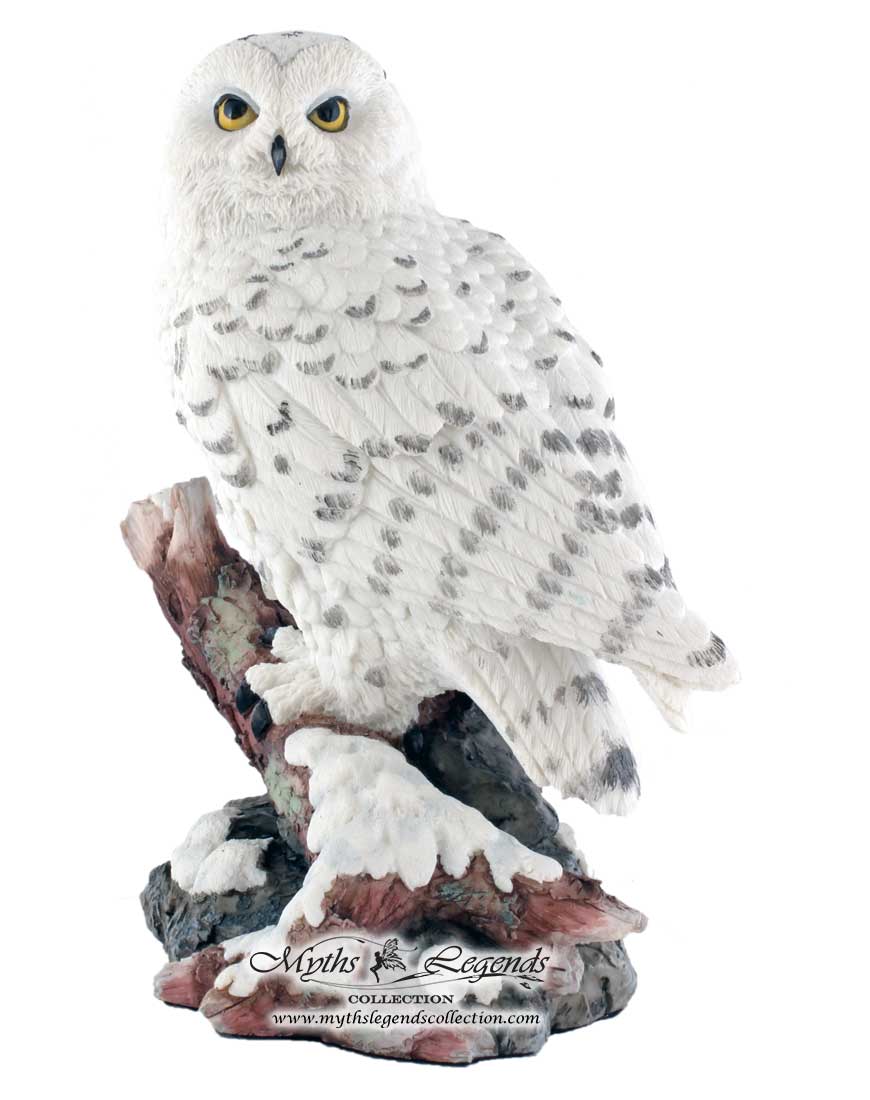
The snowy owl, with its ethereal white plumage and piercing golden eyes, is more than just a bird of the Arctic tundra—it is a living emblem of mystery, resilience, and ancient wisdom. For centuries, this majestic creature has captivated the human imagination, weaving its way through myths, legends, and modern folklore. Its presence in the cultural landscape is not merely a testament to nature’s beauty but a reflection of humanity’s enduring fascination with the unknown. From the icy expanses of the Far North to the pages of contemporary literature, the snowy owl has transcended its biological existence to become a symbol of transformation, intuition, and the untamed spirit of the wild. What is it about this bird that has made it a perennial muse for storytellers, artists, and dreamers alike? The answer lies in the interplay between its stark, otherworldly appearance and the rich tapestry of meanings humanity has draped over it.
The Role of Owls in African Ecosystems: Unique Challenges
In the vast, undulating tapestry of African ecosystems, where the golden savannas meet the emerald rainforests and the arid deserts whisper secrets to the wind, owls emerge as silent sentinels of ecological balance. These nocturnal avians, often shrouded in myth and misconception, play roles far more intricate and vital than the mere harbingers of superstition. From the haunting calls of the Spotted Eagle-Owl echoing across the Serengeti to the diminutive Pearl-spotted Owlet darting through the acacia woodlands, owls are the unsung architects of biodiversity. Yet, their existence is fraught with unique challenges—habitat fragmentation, climate-induced prey scarcity, and the insidious creep of human encroachment. To understand the role of owls in African ecosystems is to peel back the layers of a nocturnal world where every hoot, every flutter of wings, resonates through the food web like a finely tuned instrument. This exploration will traverse the multifaceted contributions of owls, the threats they face, and the urgent need for their conservation in a continent where every species, no matter how small, holds the threads of an intricate ecological tapestry.
The Role of Climate Change Petitions in Advocating for Snowy Owl Protection
The Arctic tundra, a vast and fragile expanse, is undergoing a silent transformation. Once a sanctuary for the ethereal Snowy Owl, this icy realm now faces an existential crisis. Climate change, the insidious architect of ecological upheaval, is reshaping habitats at an unprecedented pace. For these majestic birds, survival hinges on our collective action. Climate change petitions have emerged as a potent tool in the arsenal of conservationists, offering a voice to those who cannot speak for themselves—the voiceless inhabitants of our warming planet. This article delves into the multifaceted role of petitions in advocating for Snowy Owl protection, exploring their power to mobilize, educate, and drive systemic change.
How Oil and Gas Drilling in the Arctic Is Threatening Snowy Owl Habitats
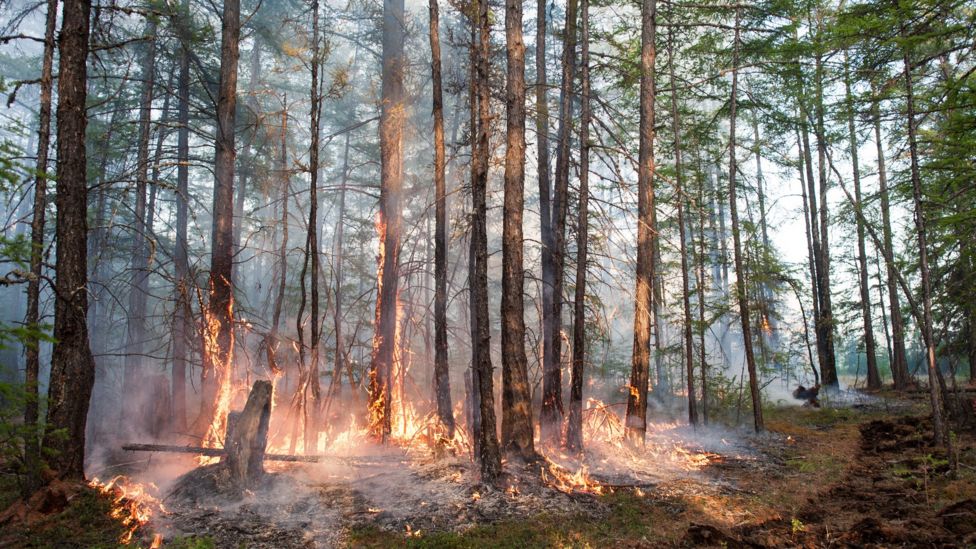
The Arctic is not just a place of ice and snow—it is a living tapestry of survival, where every creature, from the mighty polar bear to the delicate Arctic fox, has carved out a niche in one of Earth’s most unforgiving landscapes. Yet, beneath the shimmering auroras and the hushed whispers of the tundra, a silent crisis unfolds. The relentless march of oil and gas drilling is carving scars into this pristine wilderness, and among the most vulnerable casualties is the snowy owl, a creature of ethereal beauty and unyielding resilience. This is not merely a story of environmental degradation; it is a tale of displacement, of a species being pushed to the brink by humanity’s insatiable hunger for fossil fuels.
How Climate Change Is Exacerbating the Barred vs. Spotted Owl Conflict
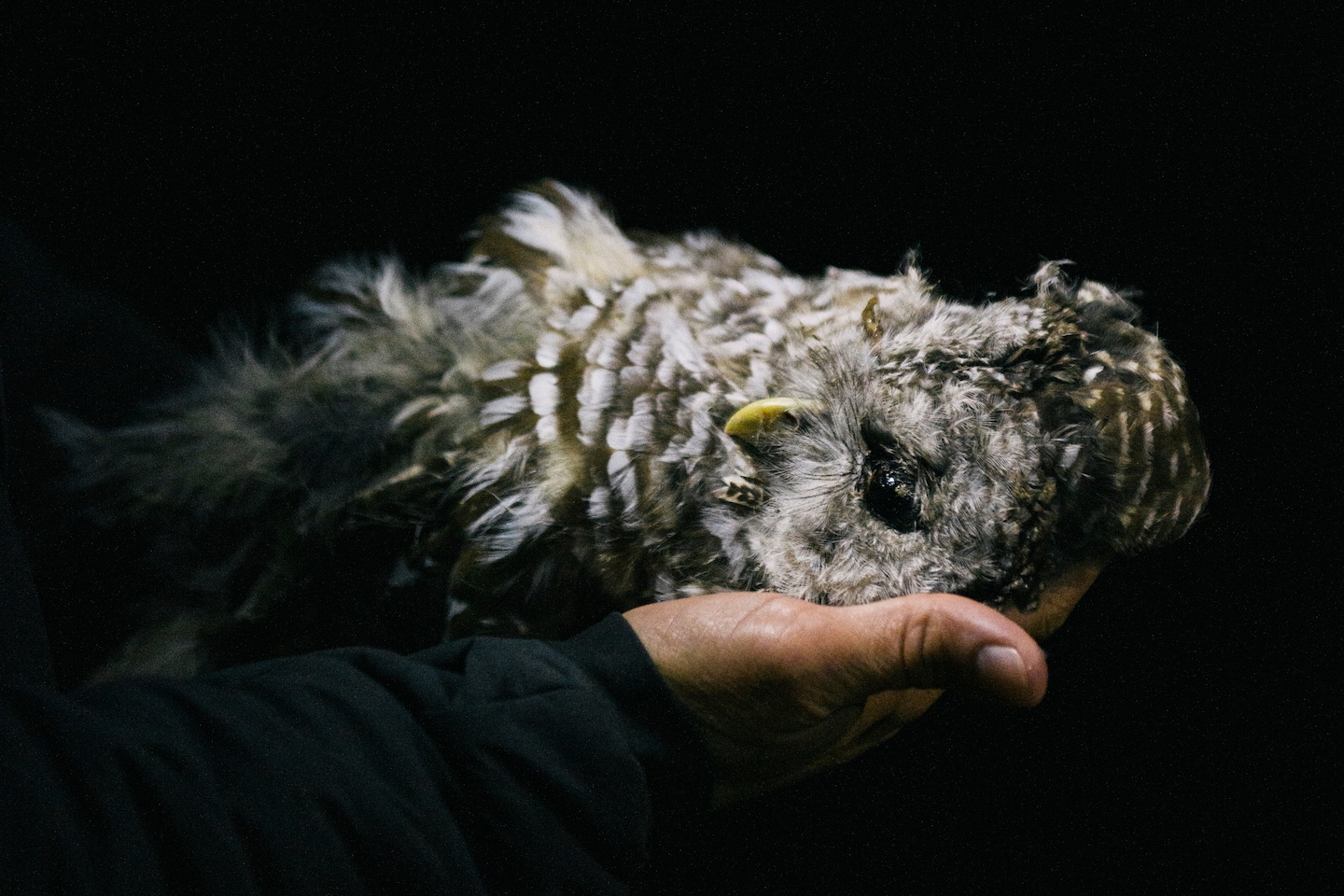
The barred owl, a native of the eastern United States, has become an unwelcome intruder in the ancient forests of the Pacific Northwest. Once a rare sight west of the Mississippi, this adaptable and aggressive species now thrives in ecosystems where the endangered spotted owl once reigned supreme. The conflict between these two owls is not merely a biological curiosity—it is a crisis exacerbated by the relentless march of climate change. As temperatures rise, habitats shift, and food sources dwindle, the competition between barred and spotted owls intensifies, threatening the survival of one of the most iconic species in North American conservation history.
Snowy Owl Conservation in the Age of Climate Change: New Strategies and Approaches
In the hushed expanse of the Arctic tundra, where the wind carves whispers into the ice and the sun dips below the horizon for months on end, a silent crisis unfolds. The snowy owl, a creature of stark beauty and unyielding resilience, faces a future more uncertain than the shifting permafrost beneath its talons. Climate change is not merely altering the landscape; it is rewriting the rules of survival for an entire species. Yet, where there is peril, there is also promise—a chance to reimagine conservation not as a desperate last stand, but as a dynamic, evolving dialogue between humanity and the natural world. This is the story of snowy owl conservation in the age of climate change: a tale of adaptation, innovation, and the unshakable belief that even the most fragile ecosystems can be shielded from the storm.