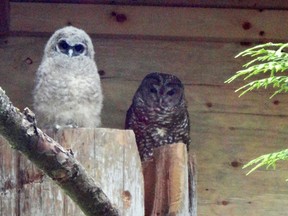
In the intricate theater of environmental politics, the spotted owl emerges as a spectral guardian—an elusive sentinel cloaked in speckled feathers, perched on the precipice of ecological consciousness. Far more than just an inhabitant of the dense old-growth forests, this bird has transcended its biological niche to become a potent emblem of the contested battlegrounds where nature meets policy. The spotted owl’s narrative is woven with threads of urgency, symbolism, and fierce advocacy, underlining the profound tensions between progress and preservation.
Ecology & Environmental Science
The Dos and Don’ts of Spotted Owl Photography: Respecting Wildlife
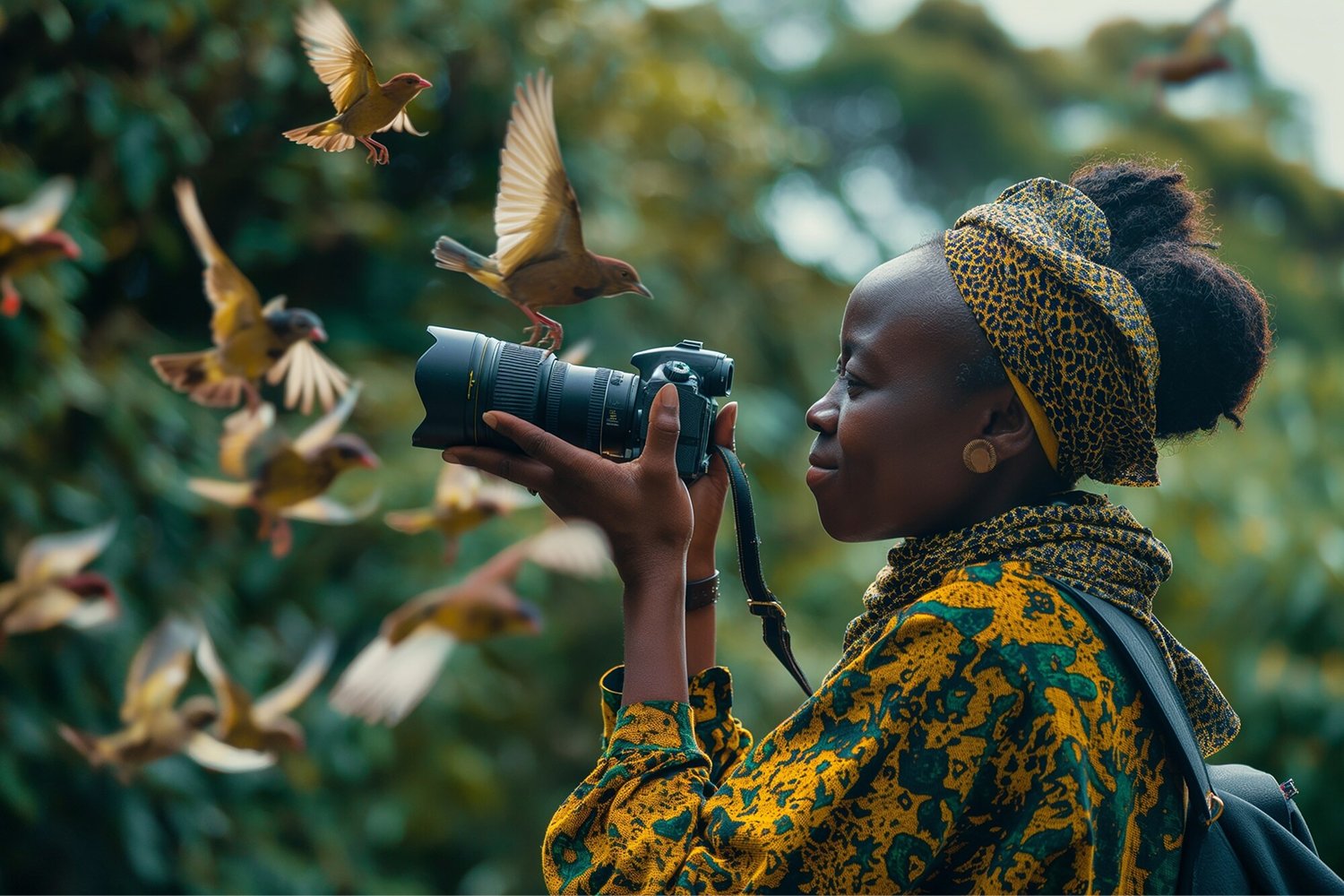
In the dim, mystical twilight of the ancient forests, the spotted owl emerges—a creature both elusive and emblematic of wilderness untouched. To photograph this enigmatic bird is to embark on an intimate journey bridging art, science, and reverence. Yet, capturing the aura of the spotted owl demands more than technical skill; it calls for a profound respect for its fragile existence. The delicate balance between the desire to document and the imperative to protect invites a fresh perspective on wildlife photography—one where patience, ethics, and mindfulness dictate the frame. Prepare to navigate the nuanced dos and don’ts that honor both the owl’s habitat and the spirit of conservation.
Spotted Owls and the Endangered Species Act: A Pacific Northwest Success Story
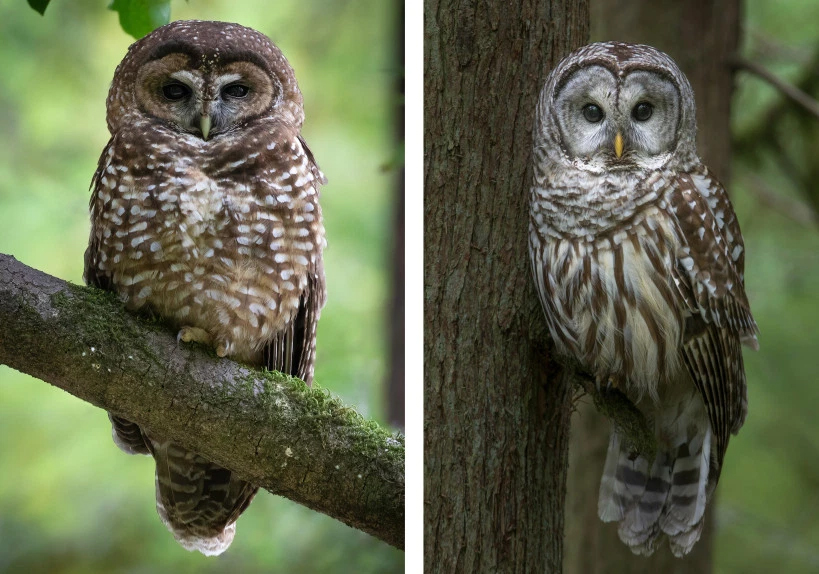
The Pacific Northwest’s ancient forests, where mist clings to towering Douglas firs and the air hums with the whispers of unseen creatures, once echoed with the haunting calls of the northern spotted owl. This enigmatic bird, with its chocolate-brown plumage and soulful eyes, became the unlikely mascot of a fierce conservation battle—a battle that would reshape environmental policy, ignite fierce debates, and ultimately prove that when science, activism, and policy converge, even the most besieged species can find reprieve.
The Impact of Genetic Research on Understanding Barred and Spotted Owl Hybridization
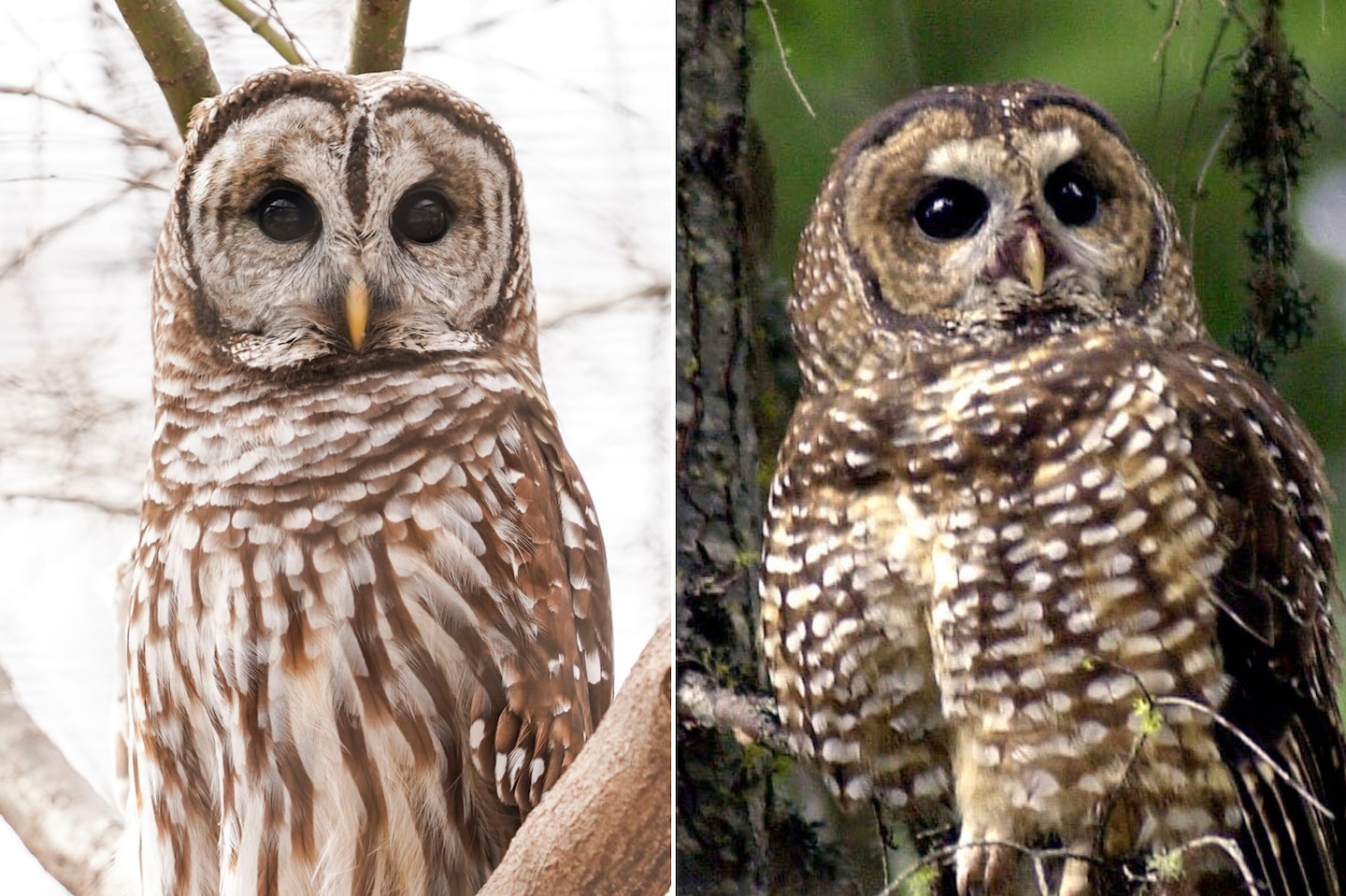
The barred owl, a creature of dusk and shadow, has long been a silent witness to the quiet unraveling of ancient forests. Once confined to the eastern woodlands, this adaptable interloper has expanded its domain westward, encroaching upon the dwindling habitats of the spotted owl—a species already teetering on the edge of extinction. The hybridization between these two owls is not merely a biological curiosity; it is a crucible in which the future of biodiversity is being forged. Genetic research, with its unparalleled precision, is now peeling back the layers of this ecological enigma, revealing a narrative far more intricate than mere competition or displacement. What emerges is a story of adaptation, resilience, and the unforeseen consequences of human-induced environmental change.
The Impact of Powerful Owls on Australian Forest Ecosystems
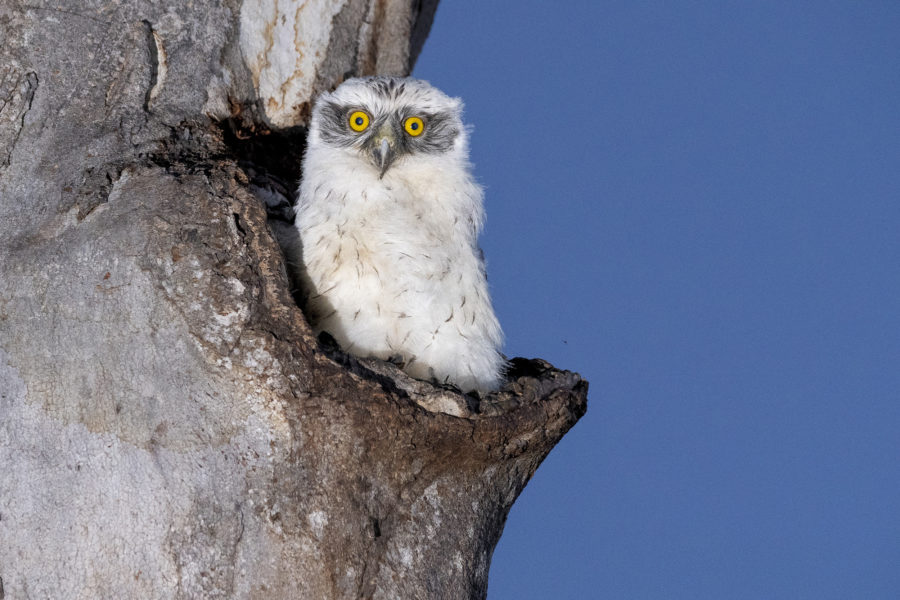
The Australian bush hums with unseen life—a symphony of rustling leaves, distant calls, and the occasional piercing gaze of a predator perched in the canopy. Among these silent guardians, the Powerful Owl (Ninox strenua) reigns as a titan of the night, its presence both feared and revered. To witness one of these owls is to glimpse the raw, unfiltered pulse of Australia’s forest ecosystems, where every feathered breath shapes the balance of life and death. But what truly lies beneath their haunting calls and piercing yellow eyes? How does this apex predator influence the very forests it calls home?
Snowy Owls and Arctic Foxes: Competition for Food in the Tundra
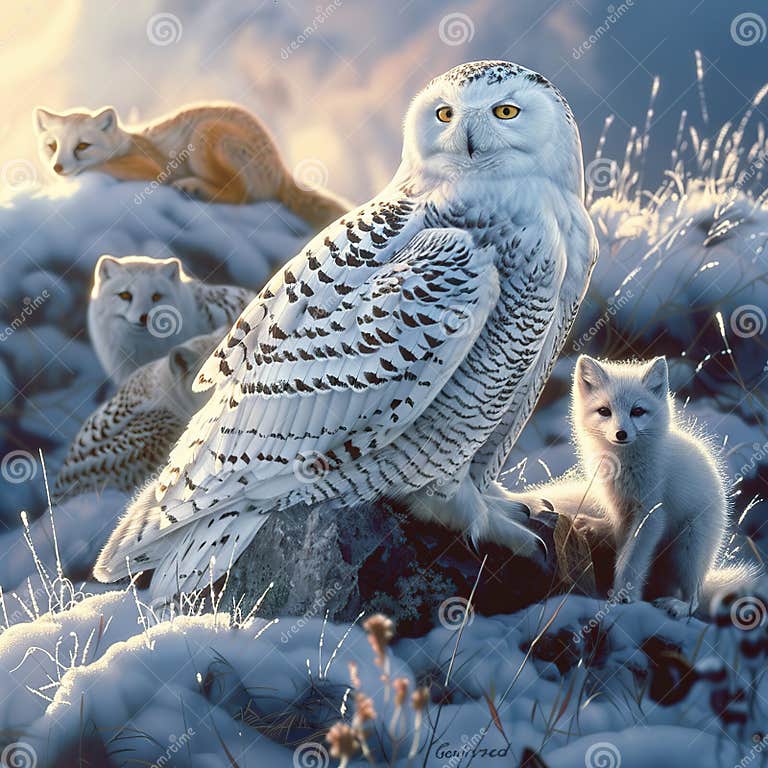
The Arctic tundra is a realm of stark beauty and relentless competition, where survival is not a right but a daily negotiation. Beneath the endless horizon of ice and snow, two of the tundra’s most charismatic predators—snowy owls and arctic foxes—engage in a silent, ceaseless struggle for sustenance. This is not a battle of claws and fangs alone, but a nuanced dance of strategy, timing, and environmental cunning. To witness their rivalry is to glimpse the raw, unfiltered mechanics of nature’s balance, where every meal is a triumph and every missed opportunity a potential death sentence.
How GPS Tracking Is Revolutionizing Barred and Spotted Owl Research
In the hushed expanse of ancient forests, where the canopy hums with secrets and the underbrush whispers tales of survival, a silent revolution is unfolding. It is not one of chainsaws or bulldozers, but of tiny, unassuming devices—GPS trackers—that are rewriting the narrative of two of North America’s most enigmatic raptors: the barred owl and the spotted owl. These birds, whose lives are woven into the fabric of ecosystems teetering on the edge of imbalance, are now being observed with a precision that was once the stuff of ornithological fantasy. The result? A seismic shift in how we perceive their existence, their struggles, and their futures. This is not merely data collection; it is a revelation, a clarion call to reimagine conservation through the lens of real-time intimacy.
Owl Festivals and Events: Celebrating These Birds Around the World
There is something inherently mystical about owls—creatures of the twilight, guardians of ancient wisdom, and silent sentinels of the night. They do not screech like eagles, nor do they hoot with the boisterousness of crows. Instead, they observe. They listen. They exist in the liminal spaces between light and dark, between the known and the unseen. It is no wonder, then, that cultures across the globe have woven owls into their mythologies, festivals, and celebrations. These birds are not merely subjects of scientific study; they are symbols of intuition, mystery, and the unspoken truths that linger in the shadows of human consciousness.
The Top 10 Threats to Spotted Owls from Barred Owls
In the shadowy realms of old-growth forests, a silent drama unfolds—a competition that captivates conservationists and naturalists alike. The delicate balance of these ecosystems hinges upon the existence of an enigmatic resident, the spotted owl, a symbol of biodiversity and ecological health. Yet, this emblematic bird now wrestles with an invasive adversary: the barred owl. At first glance, the rivalry seems straightforward, but the deeper intricacies reveal a complex web of ecological, behavioral, and evolutionary dynamics. Understanding the top ten threats posed by barred owls to spotted owls illuminates not only the current plight of these majestic creatures but also the profound lessons about coexistence, adaptation, and the fragility of nature.
The Role of Social Media in Raising Awareness About Snowy Owl Conservation
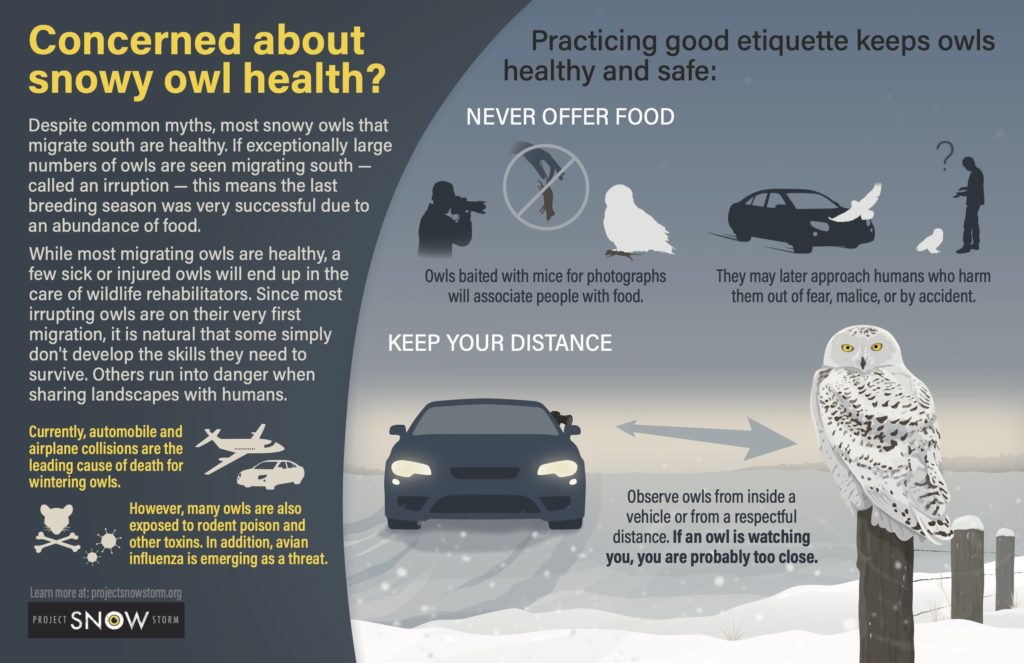
In the vast, interconnected web of the digital age, where a single click can illuminate distant corners of the world, social media has emerged as an unlikely but powerful ally in the fight to preserve Earth’s most enigmatic creatures. Among them, the snowy owl—a creature of Arctic mystique, a silent sentinel of the tundra—has found an unexpected champion in the form of online platforms. These digital stages, often criticized for fostering division or triviality, now serve as vital megaphones for conservation, transforming passive observers into passionate advocates. The role of social media in raising awareness about snowy owl conservation is not merely supplementary; it is revolutionary, reshaping how we perceive, protect, and perpetuate the legacy of these magnificent birds.