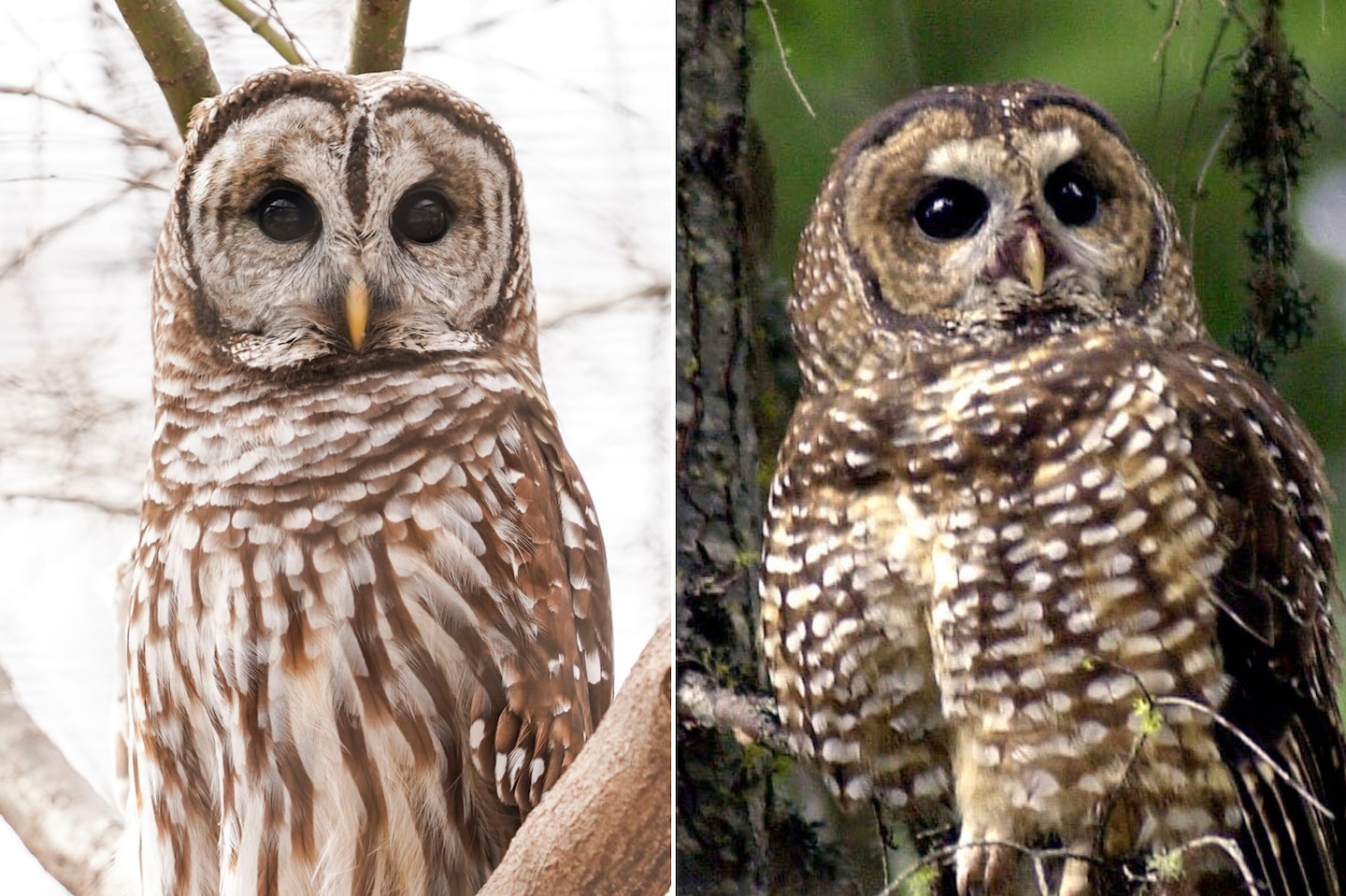
The symphony of barred owls’ hoots, a nocturnal chorus that once echoed through ancient forests, now finds itself drowned out by the cacophony of human voices—voices amplified by the relentless machinery of social media. In an era where every rustle in the undergrowth is captured on a smartphone and every rare sighting becomes a viral spectacle, the reporting of barred and spotted owl encounters has transformed from a quiet act of ecological vigilance into a digital spectacle. This shift, while democratizing access to wildlife observation, has introduced a labyrinth of ethical, ecological, and narrative complexities. How does the viral nature of social media reshape our relationship with these elusive birds? What stories do these platforms amplify, and which do they silence? The answers lie not just in the pixels of a screen but in the very ecosystems these owls inhabit—and the humans who mediate their stories.
The Democratization of Wildlife Observation: A Double-Edged Lens
Social media has shattered the ivory tower of traditional wildlife reporting, casting aside gatekeepers who once controlled the narrative of rare species sightings. Platforms like Instagram, Twitter, and Facebook have become the new field guides, where amateur naturalists and seasoned biologists alike share their encounters with barred and spotted owls. This democratization has undeniable merits: it fosters public engagement, educates communities about local biodiversity, and can even mobilize citizen science initiatives. A hiker’s blurry photo of a spotted owl perched on a Douglas fir might spark a conversation about habitat conservation in a way that a dry scientific report never could.
Yet, this accessibility comes at a cost. The sheer volume of sightings—some genuine, others misidentified—creates a deluge of information that often lacks context. A barred owl’s distinctive “Who cooks for you?” call, once a subtle clue for trained ornithologists, now becomes a meme-worthy soundbite shared across TikTok. The urgency of ecological data is diluted by the ephemeral nature of viral content. When a spotted owl’s nest is discovered, the focus shifts from the bird’s precarious existence to the number of likes it garners. The owl, in its silent dignity, becomes a prop in a human drama rather than a subject of its own.
The Viral Gaze: When Conservation Becomes Content
Social media thrives on spectacle, and few things are as visually arresting as a pair of luminous eyes peering from the shadows of an old-growth forest. Barred owls, with their striking horizontal barring and piercing gaze, are prime candidates for the viral treatment. A single video of one taking flight can rack up millions of views, its wingspan framed against a sunset for maximum dramatic effect. But this spectacle often eclipses the harsher realities these birds face. The same platform that celebrates their beauty may also trivialize their struggles—reducing their existence to a fleeting trend rather than a call to action.
Spotted owls, meanwhile, are often framed as the tragic heroes of this narrative—endangered, elusive, and increasingly outcompeted by their barred cousins. Their sightings are less likely to go viral, not because they lack beauty, but because their story is one of decline rather than spectacle. Social media’s algorithmic bias toward the visually stunning means that the barred owl’s adaptability becomes a spectacle, while the spotted owl’s vulnerability is rendered invisible. This disparity raises a troubling question: Are we conserving these species, or are we merely curating their images for our own consumption?
Ethical Quandaries: The Ethics of Sharing Rare Sightings
The line between advocacy and exploitation blurs when a rare owl sighting becomes a trending hashtag. Should a spotted owl’s nest location be shared publicly, even if it risks drawing crowds of well-meaning but careless observers? Social media’s default setting is to broadcast, but conservation often demands discretion. The tension between transparency and protection is palpable. A well-intentioned post about a barred owl’s territory might inadvertently lead to habitat disturbance, as curious onlookers venture off-trail to catch a glimpse.
Moreover, the commodification of these sightings can distort their ecological significance. When a barred owl’s presence is framed as a “win” for adaptability rather than a symptom of ecological imbalance, we risk normalizing the displacement of native species. Social media, in its rush to celebrate the newsworthy, often overlooks the systemic issues at play—the fragmentation of old-growth forests, the encroachment of invasive species, and the broader climate crises that render these owls’ habitats increasingly precarious. The owl becomes a symbol, but the story it represents is far more complex than a single post can convey.
The Role of Citizen Science: Empowerment or Overreach?
Platforms like iNaturalist and eBird have revolutionized how we document wildlife, turning every smartphone into a potential research tool. Barred and spotted owl sightings logged on these apps contribute to invaluable databases, helping scientists track population trends and habitat use. For many, this is a form of empowerment—a way to participate in conservation without needing a PhD. Yet, the democratization of data collection is not without pitfalls. Citizen scientists, though passionate, may lack the training to distinguish between a barred owl’s call and a great horned owl’s, leading to misidentifications that skew research.
The sheer volume of data can also overwhelm researchers, drowning out the nuanced observations that require time and expertise. A photo tagged #spottedowl might be a barred owl in poor lighting; a geotagged location might lead to a surge of visitors, disrupting the very species it aims to protect. The line between contribution and interference is thin, and social media’s encouragement of instant sharing often erodes the patience required for careful observation. In our zeal to document, are we truly aiding conservation—or merely feeding the insatiable appetite for novelty?
Narrative Control: Who Gets to Tell the Owls’ Stories?
Social media is not a neutral medium; it is a battleground of narratives, where power dynamics dictate whose voices are amplified. Indigenous communities, who have long held ecological knowledge about these owls, often find their perspectives sidelined in favor of Western scientific or viral storytelling. A barred owl’s presence might be framed as an ecological “invasion” by one group, while another sees it as a natural adaptation. Social media’s echo chambers reinforce these divides, creating silos where misinformation thrives and nuance is lost.
The owls themselves are rarely given a voice in these narratives. Their stories are told through the lenses of humans—photographers, scientists, influencers—each filtering their existence through their own biases. A barred owl’s adaptability becomes a testament to its cunning, while a spotted owl’s decline is framed as a tragedy. But what if we listened instead of narrating? What if we allowed these birds to exist beyond the frames of our cameras, beyond the metrics of our likes and shares? The true impact of social media on owl conservation may lie not in how we share their stories, but in whether we are willing to step back and let them speak for themselves.
The Future of Owl Reporting: Beyond the Algorithm
The challenge ahead is not to reject social media but to reimagine its role in conservation. Can we use these platforms to foster deeper engagement rather than fleeting attention? Can we shift from spectacle to substance, from viral trends to meaningful action? The answer may lie in storytelling that prioritizes context over clicks, education over entertainment. Imagine a world where a barred owl’s viral moment is followed by a thread explaining its ecological role, the threats it faces, and how communities can support its habitat. Where a spotted owl’s rarity is not just a curiosity but a call to protect the old-growth forests it depends on.
The owls deserve more than our screens. They deserve forests that thrive, policies that protect, and a public that understands—not just sees—them. Social media can be a tool for this understanding, but only if we wield it with intention, humility, and respect. The barred and spotted owls are not characters in our digital narratives; they are living beings navigating a world we are reshaping. It is time we listened—and let them lead the story.