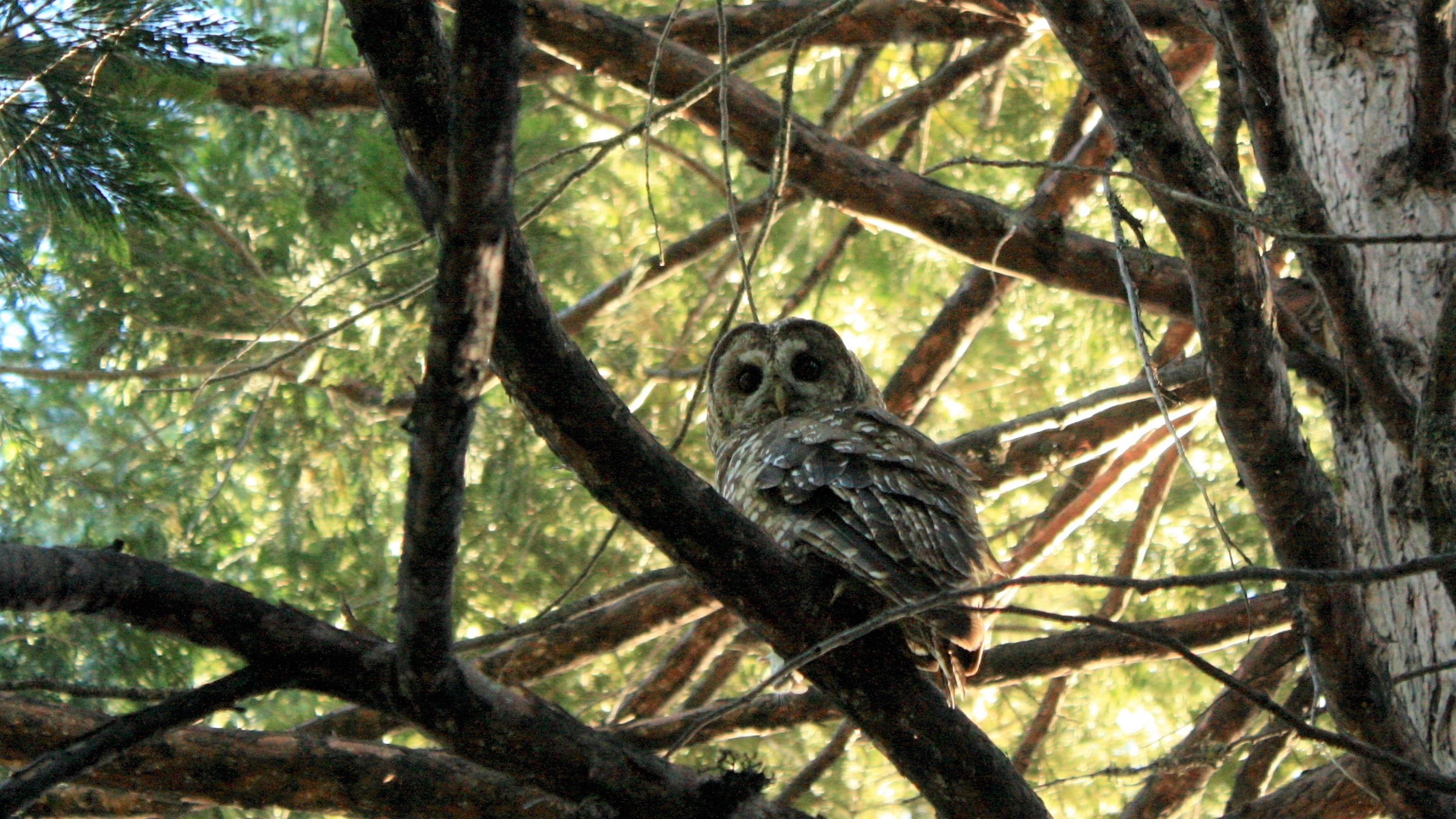
There is something undeniably captivating about the spotted owl, an emblem of mystery cloaked in the ancient forests of North America. Its haunting calls echo through towering trees, evoking a sense of reverence and curiosity in all who hear them. But this fascination runs deeper than the striking patterns etched upon its feathers—it lies in what the owl represents: the fragile balance between life and extinction, the complex interplay of ecosystems, and our urgent battle against the inexorable tide of climate change. To truly understand the significance of spotted owl conservation is to peer into an ecological narrative that intertwines species survival, habitat preservation, and the broader challenges faced by our planet’s health.
The Spotted Owl: A Symbol of Forest Resilience
More than just a bird, the northern spotted owl embodies the integrity of old-growth forests. These creatures thrive in dense, multi-layered canopies where towering ancient conifers create a sanctuary drenched in shadow and silence. Their reliance on such complex habitats makes them a bellwether for ecosystem health. The intricate layers of mosses, lichens, and understory plants all weave together a delicate environmental tapestry that supports not only the owl but myriad other species. Their presence signals a thriving, undisturbed ecosystem; their decline reflects degradation and imbalance. But the owl itself is not merely a passive indicator. Its hunting patterns, diet, and territoriality all contribute to the checks and balances that maintain biodiversity.
Human Activity and the Decline of Old-Growth Habitats
However, the story of the spotted owl is also one marked by heartbreak. For decades, widespread logging of ancient forests has dramatically shrunk their habitat. The opulent grandeur of old-growth woods has been reduced to fragmented patches, unable to support robust owl populations. This habitat loss undermines the owl’s ability to nest, hunt, and thrive. The encroachment of human industry signals not just local devastation but a microcosm of the Anthropocene’s impact on natural systems. Commercial interests, short-term economic gains, and forest management policies often overshadow the long-term sustainability that species like the spotted owl represent. This tension between progress and preservation defines much of the conservation conflict surrounding this majestic bird.
Climate Change: An Emerging Threat Multiplier
While habitat loss has been the primary driver of the spotted owl’s decline, climate change now looms as a more insidious and complex threat. Rising temperatures and shifting precipitation patterns alter the very composition and health of old-growth forests. Increased incidences of drought stress trees, making them more vulnerable to invasive insects and diseases. Meanwhile, intensified wildfires ravage vast tracts of habitat, often with unprecedented ferocity. The changing climate also affects the distribution and abundance of prey species crucial to the owl’s survival. These interconnected factors do not operate in isolation; rather, climate change acts as a multiplier of existing threats, accelerating habitat degradation and destabilizing fragile ecological networks.
Inter-Species Competition: The Barred Owl Encroachment
Another element that complicates the conservation narrative is the barred owl, a more adaptable and aggressive species expanding into the spotted owl’s range. Barred owls thrive in fragmented and disturbed habitats and are less specialized in their dietary and nesting needs. Their encroachment puts intense pressure on spotted owls through competition for limited resources and even hybridization. This dynamic interaction exacerbates the plight of the spotted owl and complicates conservation efforts, requiring innovative management strategies that balance species protection with ecosystem-wide considerations.
Conservation Strategies: Beyond Preservation to Restoration
Effective conservation of the spotted owl transcends mere habitat protection. It demands comprehensive approaches that incorporate habitat restoration, fire management, and climate adaptation. Reforestation efforts aim to reconnect fragmented landscapes, while controlled burns help maintain forest health and resilience. Advanced monitoring techniques, including acoustic surveys and satellite imagery, enable conservationists to track population trends and habitat quality with unprecedented precision. Moreover, collaboration with indigenous communities harnesses traditional ecological knowledge, enriching conservation interventions with culturally grounded insights. These multifaceted strategies reflect a paradigm shift—from reacting to decline toward proactive stewardship of ecosystems.
Policy and Public Engagement: The Power of Collective Will
Conservation is as much a social endeavor as it is an ecological imperative. The pathway to safeguarding the spotted owl involves legal frameworks that regulate forestry practices and protect critical habitats. Landmark policies have previously set precedents, though they remain contentious and frequently challenged in courts and public debates. Meanwhile, public engagement fuels momentum for conservation causes. Educating society about the spotted owl’s role fosters empathy and galvanizes support for sustainable land management. Grassroots campaigns, scientific outreach, and inspired storytelling all weave together to elevate conservation from a niche concern to a shared responsibility. This collective will is indispensable in confronting the broader climate crisis intertwined with species survival.
The Spotted Owl as a Beacon for Climate Action
Ultimately, the fate of the spotted owl encapsulates a profound truth about our relationship with the natural world. This species, perched within the ancient cathedrals of towering trees, challenges us to reconsider our footprint on Earth. The owl’s struggle mirrors broader climate struggles: the urgency to protect irreplaceable habitats, the necessity of adaptive resilience, and the imperative to reduce greenhouse emissions on a global scale. In fighting for the spotted owl, we are fighting for climate justice, biodiversity, and the future of all life that depends on balanced ecosystems. Their haunting presence is not just an ecological barometer but a call to action, urging humanity to harmonize with nature before it’s too late.
In the silent forests, the spotted owl’s gaze is a mirror reflecting the health of our environment and the consequences of our choices. It beckons us to listen, act, and preserve not only a species but a way of life that honors ancient rhythms and fragile beauty. Our response today will determine whether the forests remain sanctuaries for the owl and countless other beings, or whether their haunting calls will fade into a lament of loss.