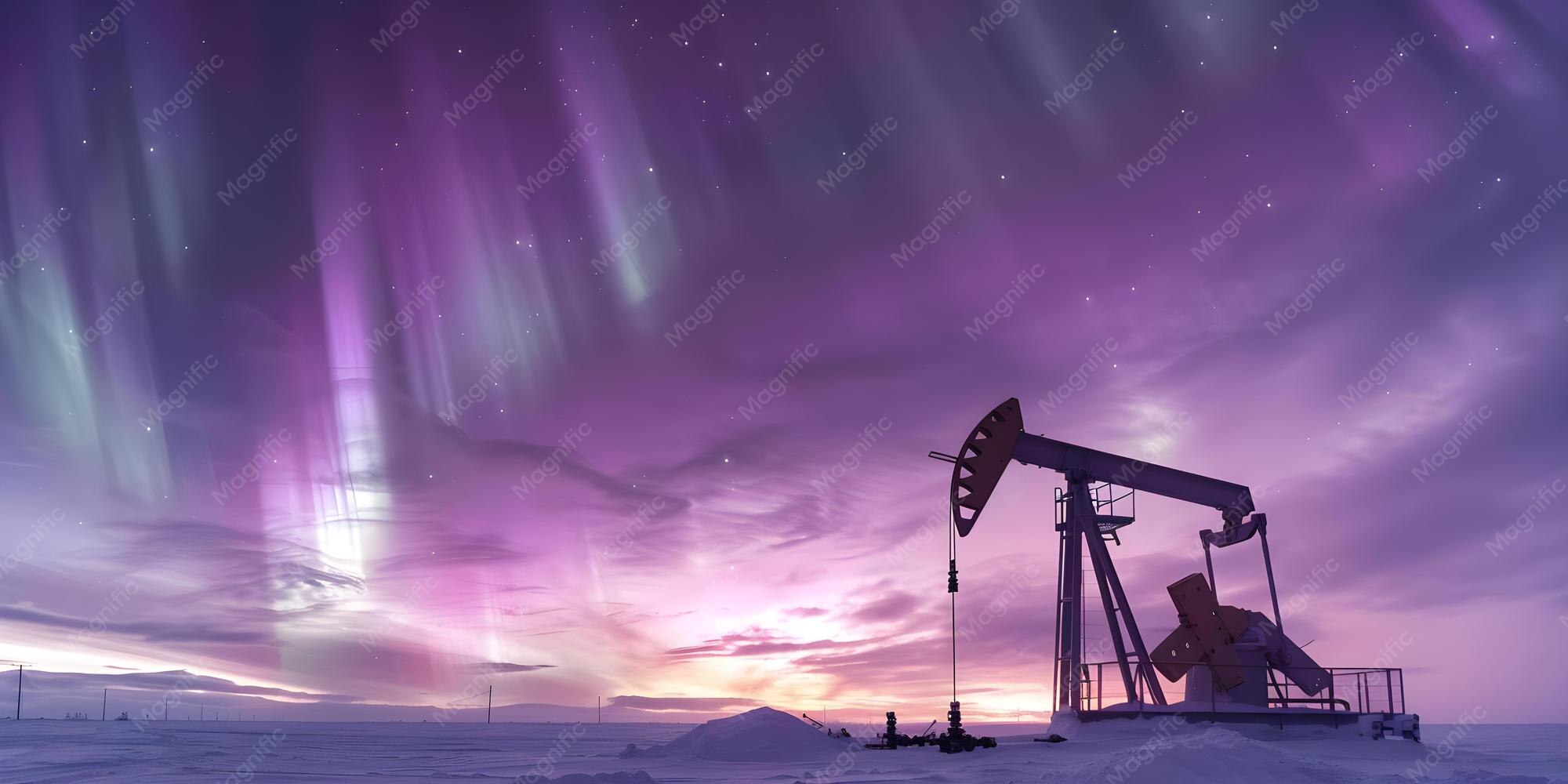
The Arctic is a realm of stark, shimmering beauty—a frozen symphony where the aurora borealis dances across the sky like celestial brushstrokes on a canvas of ice. Yet beneath this ethereal surface, a silent war rages. The extraction of crude oil, that black gold coveted by industries, carves wounds into the heart of the Arctic’s most vulnerable inhabitants. Among them, the snowy owl, a creature of mythic grace and resilience, faces an existential threat. Its habitat, a delicate tapestry of snow and tundra, is being unraveled by the relentless machinery of progress. This is not merely a story of environmental degradation; it is a tragedy of displacement, where the owl’s ancient domain is sacrificed for fleeting human indulgence.
The Arctic as a Living Canvas: Where Ice and Sky Paint Eternity
The Arctic is not just a place—it is a living entity, a vast and breathing canvas where ice and sky engage in an eternal waltz. The snowy owl, with its piercing golden eyes and snowy plumage, is a masterpiece of evolution, perfectly adapted to this frozen world. Its habitat is a labyrinth of snowdrifts and barren tundra, where the wind sculpts the landscape into an ever-changing sculpture. Here, the owl reigns as a silent sentinel, a guardian of the Arctic’s fragile equilibrium. But this canvas is being defaced. The relentless march of oil drilling machinery, with its deafening roar and voracious appetite for the earth, is erasing the delicate strokes of nature’s brush. The owl’s home is not just a physical space; it is a sanctuary of survival, where every snowdrift and every frozen lake is a thread in the web of life.
The Machinery’s Hunger: How Oil Drilling Devours the Arctic’s Soul
Beneath the Arctic’s icy veneer lies a treasure trove of crude oil, a black elixir that fuels human ambition. But extracting it is a brutal act of desecration. Drilling rigs, like monstrous metal beasts, tear into the permafrost, their vibrations shattering the silence of the tundra. The snowy owl, a creature of quiet solitude, is no match for this cacophony. Its hunting grounds, once pristine expanses of snow, are now scarred by roads and pipelines. The oil industry’s hunger is insatiable, and it leaves behind a wasteland where once there was harmony. The owl’s prey—lemmings and other small mammals—are displaced or killed by the disruption, leaving the owl to starve in a land stripped of its bounty. This is not progress; it is plunder.
The Silent Cry of the Snowy Owl: A Species on the Brink
The snowy owl is a creature of paradox—both a symbol of Arctic resilience and a victim of human greed. Its white plumage, a masterpiece of camouflage, blends seamlessly with the snow, making it nearly invisible to predators and prey alike. But this very adaptation is now a curse. As the Arctic warms and the snow melts, the owl’s camouflage becomes a liability. Predators spot it more easily, and its hunting grounds shrink. Oil drilling accelerates this process, fragmenting the owl’s habitat and leaving it with nowhere to turn. The owl’s silent cry is a plea for survival, a desperate call to a world that seems determined to ignore it. Yet, in its golden eyes, there is a defiance—a refusal to surrender to the encroaching darkness.
The Permafrost’s Betrayal: When the Earth Itself Turns Against Its Children
The permafrost, that ancient and unyielding foundation of the Arctic, is not as permanent as its name suggests. Oil drilling weakens its structure, causing it to thaw and collapse. This betrayal is catastrophic for the snowy owl. The tundra, once a stable and predictable landscape, becomes a shifting morass of mud and sinkholes. The owl’s burrows, carefully constructed in the permafrost, are swallowed whole. Its hunting grounds, once firm and navigable, are now treacherous and unstable. The owl, a creature of precision and adaptability, is left adrift in a world that no longer makes sense. The permafrost’s betrayal is a metaphor for the broader betrayal of the Arctic—a land that once sustained life in abundance, now reduced to a battleground of human excess.
The Aurora’s Lament: How Pollution Steals the Arctic’s Light
The aurora borealis, that celestial dance of light and color, is one of nature’s most breathtaking spectacles. But beneath its shimmering surface, a darker truth lurks. Oil drilling releases pollutants into the air and water, tainting the Arctic’s pristine beauty. The snowy owl, a creature of the night, is particularly vulnerable to these toxins. Its feathers, once a pristine white, are now stained by the soot of industry. Its lungs, once filled with the crisp Arctic air, are now clogged with the fumes of progress. The aurora’s lament is a mournful symphony, a reminder that even the most ethereal of natural wonders cannot escape the reach of human greed. The owl, too, is a victim of this pollution, its existence slowly choked by the very air it breathes.
The Future’s Fragile Thread: Can the Snowy Owl Survive the Onslaught?
The snowy owl’s future hangs by a thread, a delicate filament of hope in a world that seems determined to sever it. Conservation efforts offer a glimmer of light, but they are often too little, too late. The owl’s habitat is shrinking, its prey is disappearing, and its voice is being drowned out by the roar of machinery. Yet, the owl is not without its defenders. Indigenous communities, who have lived in harmony with the Arctic for generations, are rising up to protect their lands and their wildlife. Scientists are sounding the alarm, their research painting a grim picture of a world without the snowy owl. But will it be enough? The future is a fragile thing, and the snowy owl’s survival may well depend on the choices we make today. Will we choose greed, or will we choose life?
The Call to Action: A Plea for the Arctic’s Silent Guardian
The snowy owl is more than just a creature of the Arctic; it is a symbol of resilience, a testament to the power of adaptation. But its survival is not guaranteed. The oil industry’s relentless march must be stopped, and the Arctic must be protected. This is not a call for blind conservation; it is a call for justice. The snowy owl, like all creatures of the Arctic, deserves a future. It deserves a world where the ice does not melt, where the permafrost does not betray, and where the aurora’s light is not tainted by pollution. The time to act is now. The snowy owl’s fate is in our hands, and the choices we make today will echo through the ages. Will we be remembered as the generation that saved the Arctic, or the one that doomed it?