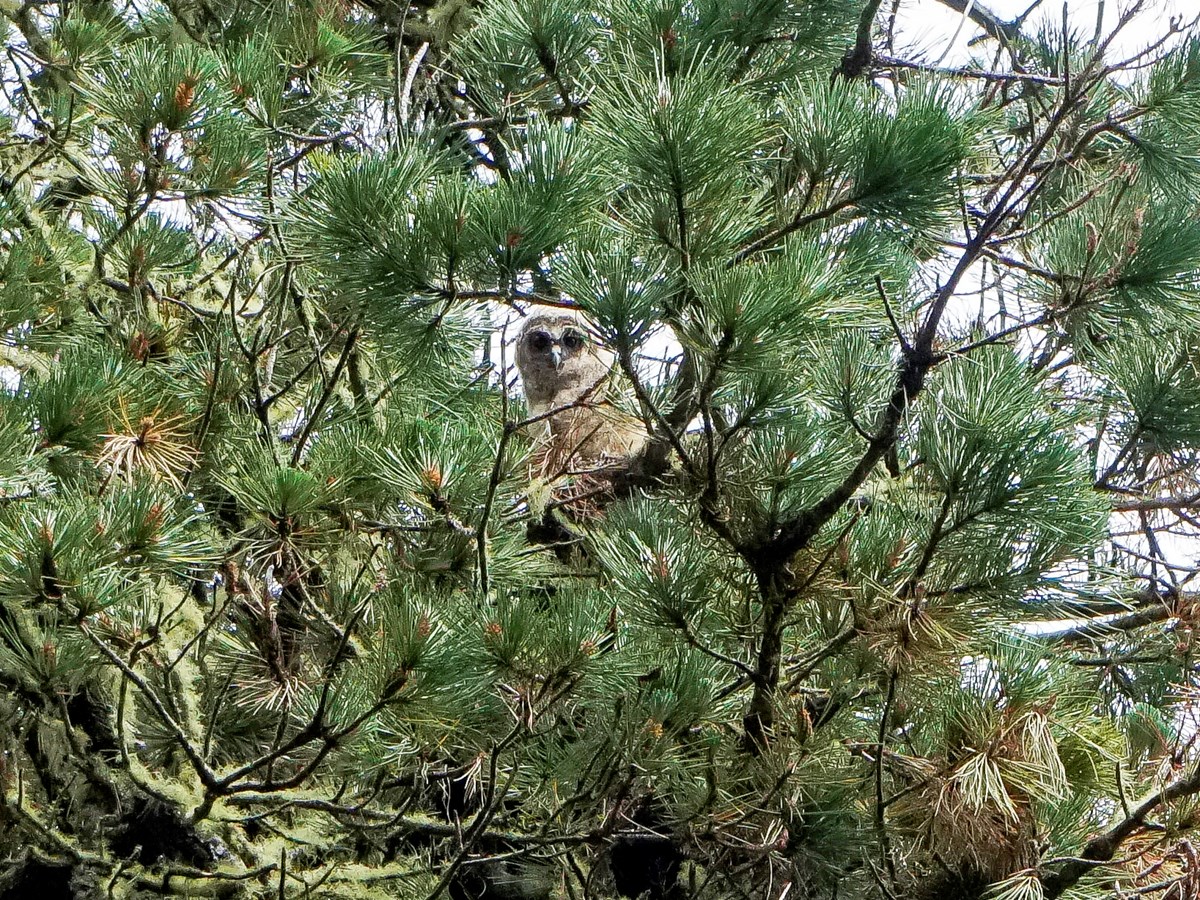
What if the silent, ancient guardians of the forest—those with eyes like molten gold and feathers like the dusk itself—were quietly losing their nurseries to the slow, creeping rot beneath their talons? The spotted owl, a creature of mythic resilience and ecological significance, is facing an insidious threat that doesn’t roar like wildfire or howl like chainsaws. It’s the quiet, relentless degradation of the soil beneath its nests, a crisis that whispers rather than shouts, yet carries consequences as vast as the old-growth forests it calls home.
The Hidden Bedrock of a Species’ Survival
Spotted owls are not merely birds; they are keystone predators, the silent regulators of forest ecosystems. Their nesting success hinges on more than just the availability of towering Douglas firs or the density of prey like woodrats and flying squirrels. Beneath the leaf litter and moss, the soil is the unsung hero—a complex, living matrix that sustains the fungi, insects, and microbial networks essential for a healthy forest floor. When this bedrock weakens, the entire structure trembles.
Soil degradation, often dismissed as a slow-motion disaster, is a thief in the night. It steals nutrients, disrupts water retention, and erodes the delicate balance of mycorrhizal fungi—those microscopic partnerships that help trees absorb water and nutrients. For spotted owls, whose nesting cavities are often in large, old trees, the health of the soil directly influences the vitality of the forest canopy above. A degraded soil means stressed trees, and stressed trees are less likely to form the hollows and crevices these owls depend on for shelter.
From Dust to Desperation: The Erosion of Nesting Grounds
Picture this: a forest floor once cushioned by a thick duff layer, teeming with life, now reduced to a brittle crust of compacted soil. This isn’t just an aesthetic loss—it’s a functional collapse. Erosion, whether from logging, livestock grazing, or climate-induced drought, strips away the topsoil, leaving behind a skeletal landscape where water runs off instead of soaking in. The consequences for spotted owls are dire.
Nesting success in these degraded soils plummets because the trees themselves become vulnerable. Without adequate moisture and nutrients, they grow stunted, their bark roughens prematurely, and their ability to form the deep, stable cavities owls favor diminishes. Even if a pair of owls manages to claim a nesting site, the lack of robust understory vegetation means fewer prey animals and less cover from predators. The soil, once a cradle of life, becomes a graveyard for dreams of fledglings.
The Microbial Underworld: A Web of Unseen Consequences
Beneath the surface, a hidden war rages. Soil microbes, those tiny architects of fertility, are under siege. Fungal networks, the mycorrhizae, form symbiotic bonds with tree roots, trading water and nutrients for carbohydrates. When soil degradation disrupts this exchange, the trees starve in slow motion. For spotted owls, this means fewer large, healthy trees—and fewer safe nesting sites.
But the damage doesn’t stop there. Degraded soils favor invasive plant species, which outcompete native flora and further destabilize the ecosystem. These invaders often lack the structural integrity to support the weight of an owl’s nest or the nutritional value to sustain the prey species owls rely on. The result? A forest that, while still green, is ecologically hollow—a gilded cage for a species that needs a thriving, interconnected web of life.
Climate Change: The Accelerant in the Fire
If soil degradation were a slow-burning ember, climate change is the bellows fanning the flames. Rising temperatures and shifting precipitation patterns exacerbate soil erosion, turning once-stable forests into tinderboxes. Droughts bake the earth into hardpan, while intense rainfall washes away the remaining nutrients in a single, brutal event. For spotted owls, this means nesting sites that were once reliable become unpredictable—sometimes too dry to support prey, other times too unstable to hold a nest.
The irony? The very forests these owls depend on are being pushed to their limits by the same forces degrading their soil. Wildfires, once a natural part of the ecosystem, now rage with unnatural ferocity, leaving behind ash and charred earth that take decades to recover. In these post-fire landscapes, spotted owls face a cruel paradox: the fires may create new openings for nesting, but the degraded soil ensures those openings are fleeting and barren.
Can We Mend What’s Broken?
The question isn’t whether soil degradation affects spotted owl nesting success—it’s whether we’re willing to act before it’s too late. Restoration isn’t just about planting trees; it’s about reviving the soil’s microbiome, reducing compaction, and preventing erosion. Techniques like biochar amendment, cover cropping, and controlled grazing can rebuild soil health, but they require time, resources, and a commitment to long-term stewardship.
For spotted owls, the stakes couldn’t be higher. These birds are indicators of forest health, their presence or absence a barometer for the entire ecosystem. If we fail to address soil degradation, we’re not just losing a species—we’re unraveling the fabric of the forest itself. The question isn’t whether we can afford to restore the soil; it’s whether we can afford not to.
The spotted owl’s golden eyes, once a symbol of wilderness, now reflect a landscape in distress. The soil beneath its talons is whispering a warning. Will we listen?