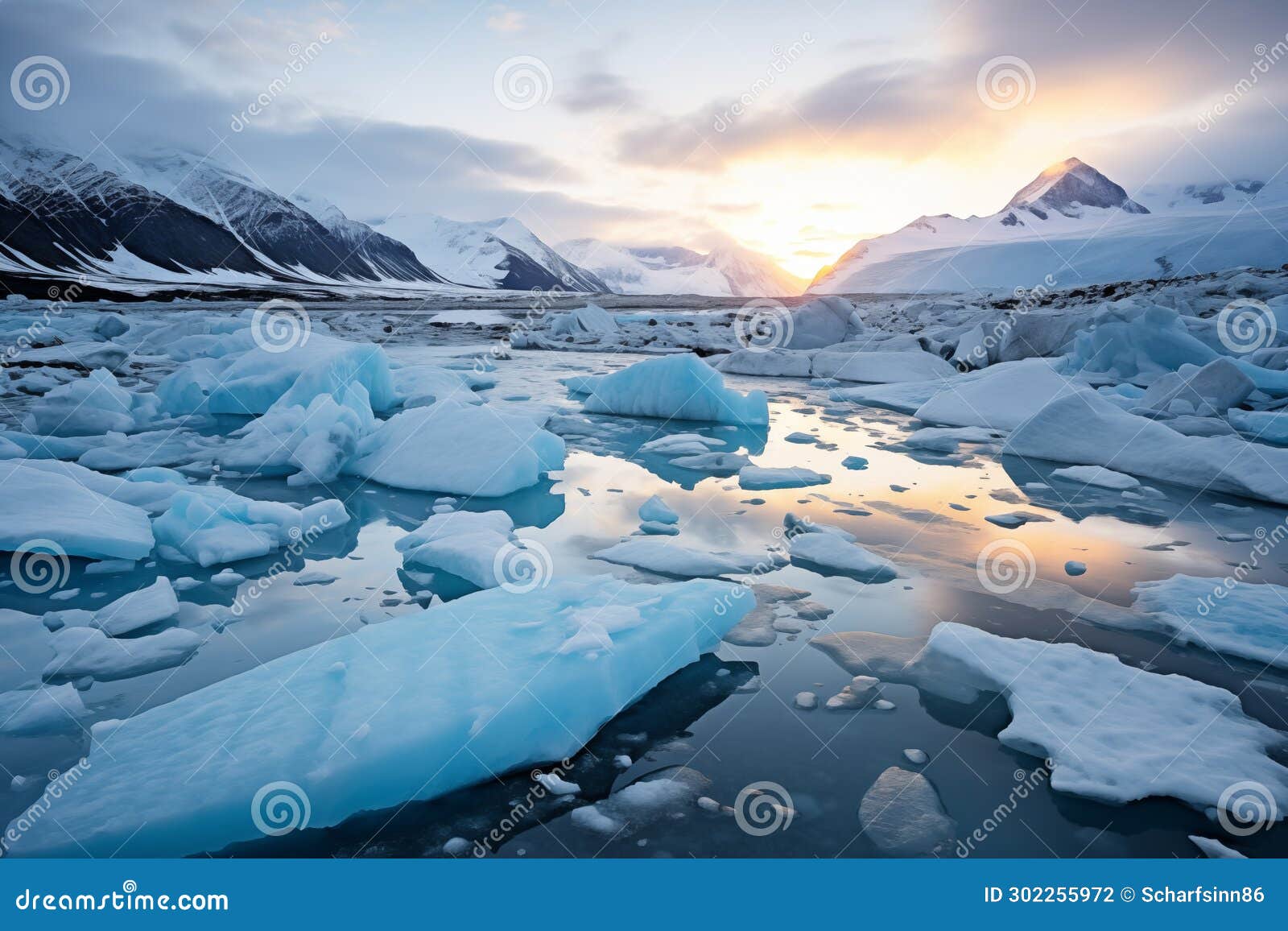
In the vast, frozen tapestries of the polar regions, where ice sculptures the horizon like ancient cathedrals of gleaming crystal, a silent sentinel glides through the night— the owl. These enigmatic creatures, draped in feathers as soft as whispers, are more than mere inhabitants of the Arctic and Antarctic’s ephemeral wilderness. They are vital barometers of ecological health, intricate threads woven into a fragile ecosystem now trembling on the edge of transformation. The melting polar ice, a metaphorical unraveling of the natural world’s silk thread, casts a profound shadow over owl conservation. As these icy realms diminish, the survival of the owls becomes an emblematic struggle against a changing planet.
The Polar Owl: A Guardian of the Frozen Silence
Owls of the polar regions are not just avian figures; they are embodiments of resilience molded by millennia of evolutionary artistry. Species such as the Snowy Owl (Bubo scandiacus) typify this grandeur—a spectral presence amid endless snowfields. Their ghostly white plumage, flecked with shades of dusk, grants them camouflage against the wintry landscape. Yet, their existence is far from spectral in spirit. These owls are fierce hunters, relying on acute senses to traverse a realm where daylight and darkness dance in skewed rhythms. Their survival epitomizes the delicate balance between predator and prey, and their life cycle is profoundly attuned to the polar environment’s rhythm.
This unique appeal—the seamless synergy of stealth and survival—makes polar owls not only ecological treasures but also symbols of nature’s artistry in adapting to the harshest theaters on Earth.
Ice: The Arctic and Antarctic’s Vanishing Keystone
Polar ice is more than frozen water; it is the keystone of an intricate environmental edifice. Like the living veins of the planet, it governs temperature, habitat availability, and food webs. Its slow, graceful melting, induced by rising global temperatures, resembles a fading pulse in a dying organism. As ice recedes, the entire biome undergoes a metamorphosis.
The ice shelves and glaciers serve as critical hunting grounds and breeding territories for the owls’ prey—lemmings, voles, and other small mammals that depend on icy cover for concealment and survival. The dissolution of this habitat precipitates a calamitous cascade: prey populations dwindle, hunting grounds vanish, and the owls’ survival calculus becomes perilously fraught.
Changing Landscapes: The Domino Effect on Owl Populations
Melting ice is a silent architect dismantling the owls’ home. As the frozen expanses retreat, tundra regions shift, altering vegetation patterns and subsequently affecting the diversity and abundance of prey species. For the Snowy Owl and other polar owls, this is akin to watching the stage beneath their flight dissolve into an alien terrain. The decline in accessible prey forces them into unfamiliar territories, increasing mortality due to starvation and predation.
Furthermore, the melting ice invites invasive species and competitors—raptors and other bird species that were once confined to lower latitudes push north and southwards, complicating the owls’ already tenuous existence. These intruders disrupt established hierarchies, crowding the owls and dispersing prey resources ever thinner.
Climate Change and Behavioral Shifts in Polar Owls
The insidious nature of climatic shifts goes beyond habitat loss; it seeps into the very behaviors that have ensured the polar owls’ survival for centuries. Alterations in snowmelt timing and the length of daylight affect breeding cycles and migratory behaviors. Some owls are now forced to breed earlier or later, risking mismatches between chick rearing and peak prey availability. This phenological domino effect jeopardizes reproductive success with potentially devastating demographic consequences.
Additionally, weakened environmental cues due to erratic weather patterns confuse the owls’ finely tuned migratory instincts. Rogue migrations can lead to increased energy expenditure and mortality, underscoring the fragile equilibrium these animals maintain with their environment.
Conservation Efforts: A Beacon Amidst the Melting World
In the battle against an ever-warming planet, owl conservation becomes a lighthouse endeavor—a call to illuminate the darkness encroaching on polar sanctuaries. Conservationists and scientists collaborate internationally, employing advanced technologies from satellite tracking to bioacoustic monitoring, painting a comprehensive picture of owl populations and behaviors.
Protecting the polar regions requires addressing the root cause: climate change. However, targeted interventions such as safeguarding critical habitats, restoring ecosystems that support prey species, and mitigating human-induced disturbances also play pivotal roles. Public awareness and policy frameworks are increasingly emphasizing the need to integrate ecological preservation with climate action—a dual-pronged strategy to preserve not just owls, but the entire frozen biome they epitomize.
The Owl as an Emblem of Polar Resilience and Vulnerability
In the vast expanse where ice mirrors the sky, the owl stands as both a sentinel and a symbol. Its presence evokes an ancient saga of survival amid an ever-shifting landscape. The melting ice does not merely signal the loss of a habitat but threatens the erasure of a profound connection between species and their environment. The owl’s quiet cry through the polar winds is an urgent narrative—of resilience stretched thin and vulnerability intensified.
Embracing the owl’s plight invites a deeper reverence for the polar regions, compelling humanity to rekindle a relationship with a world slipping beneath thawing waters. Conservation of polar owls is thus a testament to stewardship, a beacon urging a reimagined coexistence with nature that may yet preserve these frozen cathedrals for generations to come.