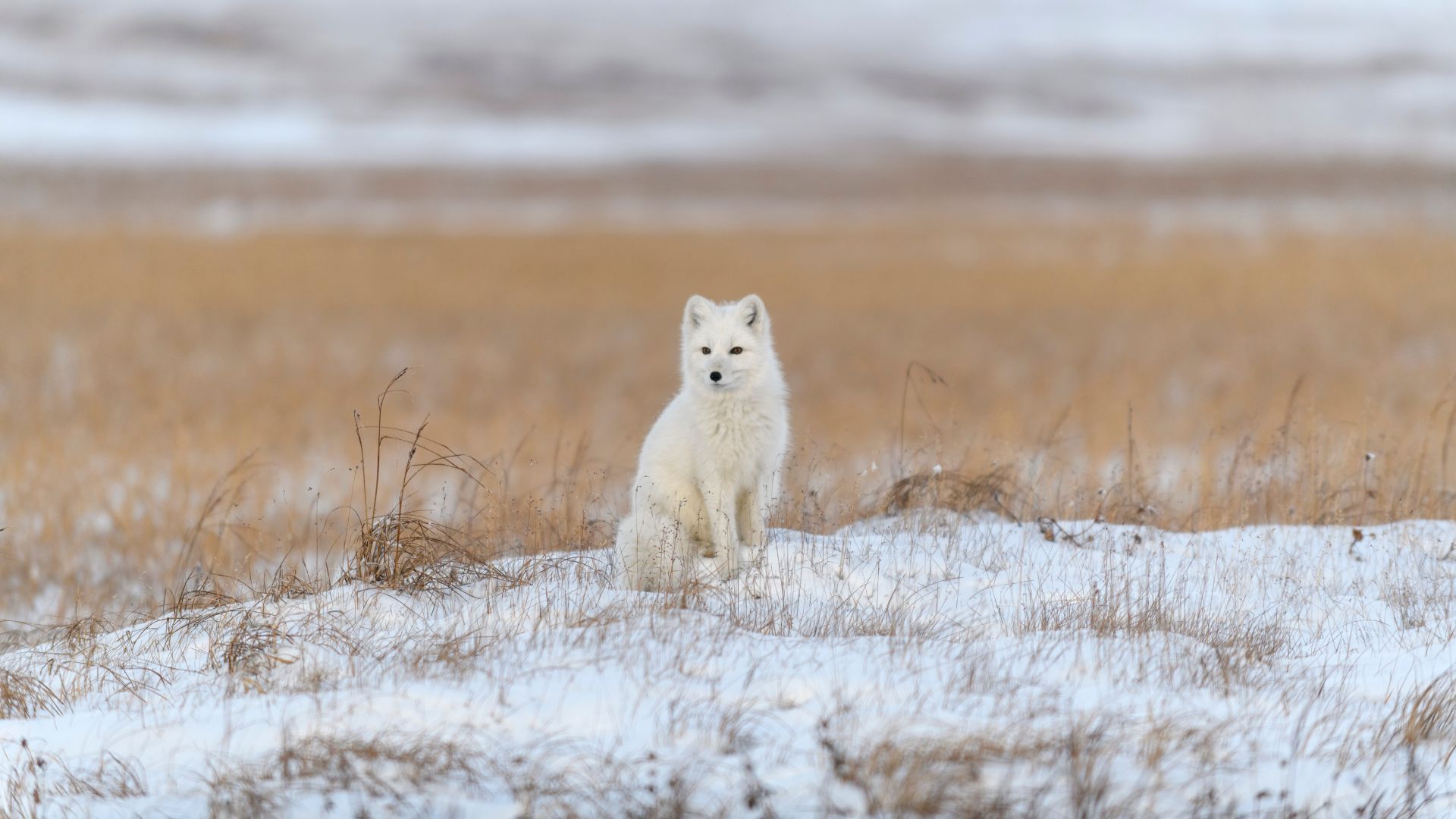
The Arctic is a realm of stark beauty and unforgiving extremes, where the snow-laden winds whisper secrets of survival. Yet, beneath this icy veil, a silent revolution is unfolding—one that could redefine humanity’s relationship with the natural world. The snowy owl, a creature of myth and majesty, stands at the heart of this transformation. Once teetering on the brink of decline, these ethereal guardians of the tundra are now the unlikely heroes of a conservation success story that defies the odds. What if the Arctic’s most resilient species could teach us how to rewrite the narrative of extinction? What if their resurgence held the key to unlocking a future where humanity and wildlife thrive in harmony? The answers lie not in distant dreams, but in the frozen landscapes where science, passion, and perseverance have converged to turn the tide.
The Owl’s Odyssey: From Peril to Promise
For decades, the snowy owl’s existence hung by a thread, its fate entwined with the capricious whims of a warming Arctic. Climate change, a relentless architect of destruction, eroded the delicate balance of its habitat, while human encroachment carved deeper into its ancestral domains. Yet, against this backdrop of despair, a flicker of hope emerged. Conservationists, armed with data and determination, began to unravel the threads of decline, stitching together a tapestry of recovery. The snowy owl’s story is no longer one of desperation, but of defiance—a testament to what happens when science and stewardship refuse to surrender to despair.
Community-Led Guardianship: The Power of Indigenous Stewardship
In the vast, untamed expanse of the Arctic, the wisdom of Indigenous communities has long been the compass guiding human interaction with the land. Today, this ancient knowledge is being harnessed to protect the snowy owl and its fragile ecosystem. From the Inuit of Canada to the Sámi of Scandinavia, Indigenous-led conservation initiatives are rewriting the rules of engagement. By blending traditional ecological knowledge with modern science, these communities are not merely preserving habitats—they are revitalizing them. The snowy owl, revered in folklore as a messenger between worlds, has become a symbol of this renaissance, its survival intricately linked to the health of the land and the people who call it home.
Technology’s Silent Revolution: Drones, DNA, and the Art of Observation
In the 21st century, conservation has become a high-stakes game of cat and mouse, where cutting-edge technology is the ultimate weapon. Drones, once the domain of war and surveillance, now soar over the Arctic tundra, capturing aerial snapshots of snowy owl nests with precision. Meanwhile, environmental DNA (eDNA) analysis is unlocking the secrets of their diet and migration patterns, revealing clues hidden in the very fabric of the ecosystem. These innovations are not just tools—they are lifelines, bridging the gap between human curiosity and the owl’s silent struggles. The result? A new era of conservation where every data point is a step closer to salvation.
Habitat Restoration: Healing the Scars of the Past
The Arctic’s wounds run deep, etched by centuries of exploitation and neglect. Yet, where others see desolation, conservationists see opportunity. Habitat restoration projects are breathing life back into degraded landscapes, transforming barren stretches of tundra into thriving havens for the snowy owl. By reintroducing native vegetation and mitigating the impacts of industrial activity, these efforts are not just repairing the land—they are restoring a legacy. The snowy owl, a creature of open spaces and endless horizons, is reclaiming its domain, one restored acre at a time.
The Climate Paradox: How the Owl’s Adaptability is a Beacon of Hope
Climate change is the Arctic’s most formidable adversary, yet it is also the catalyst for the snowy owl’s remarkable adaptability. As temperatures rise and landscapes shift, these birds are proving to be masters of reinvention. Their ability to navigate an ever-changing world offers a glimmer of hope in an otherwise bleak narrative. Conservationists are now studying these adaptations closely, seeking to understand how the snowy owl’s resilience can inform broader strategies for climate adaptation. In a world where survival often feels like a zero-sum game, the owl’s story is a reminder that adaptability is not just a trait—it is a lifeline.
Education and Advocacy: Igniting a Global Movement
The fight to save the snowy owl is not confined to the Arctic’s icy embrace. Across the globe, educators, artists, and activists are raising awareness, weaving the owl’s tale into the fabric of public consciousness. From school curricula to viral social media campaigns, the snowy owl has become a mascot for conservation, its plight a rallying cry for change. This groundswell of support is not just about saving a species—it is about redefining humanity’s role in the natural world. The owl’s survival depends on our collective action, and every voice added to the chorus brings us one step closer to victory.
The Ripple Effect: How One Species Can Transform an Ecosystem
The snowy owl is more than a charismatic icon—it is a keystone species, its presence shaping the very foundation of the Arctic ecosystem. By preying on lemmings and other small mammals, it regulates populations and maintains balance. When the owl thrives, the entire food web flourishes. This ripple effect underscores a profound truth: saving one species can heal an entire ecosystem. The snowy owl’s resurgence is not just a conservation success story—it is a blueprint for rewilding the planet, one species at a time.
A Call to Action: What You Can Do to Support the Arctic’s Silent Revolution
The Arctic’s future is not a distant concern—it is a present imperative. Every choice we make, from the products we buy to the policies we support, has the power to shape the fate of the snowy owl and its frozen home. Advocate for sustainable energy, reduce your carbon footprint, and support organizations dedicated to Arctic conservation. The owl’s story is a testament to what is possible when humanity chooses to act with purpose and passion. The time to act is now, before the Arctic’s silent revolution becomes a whisper lost to time.