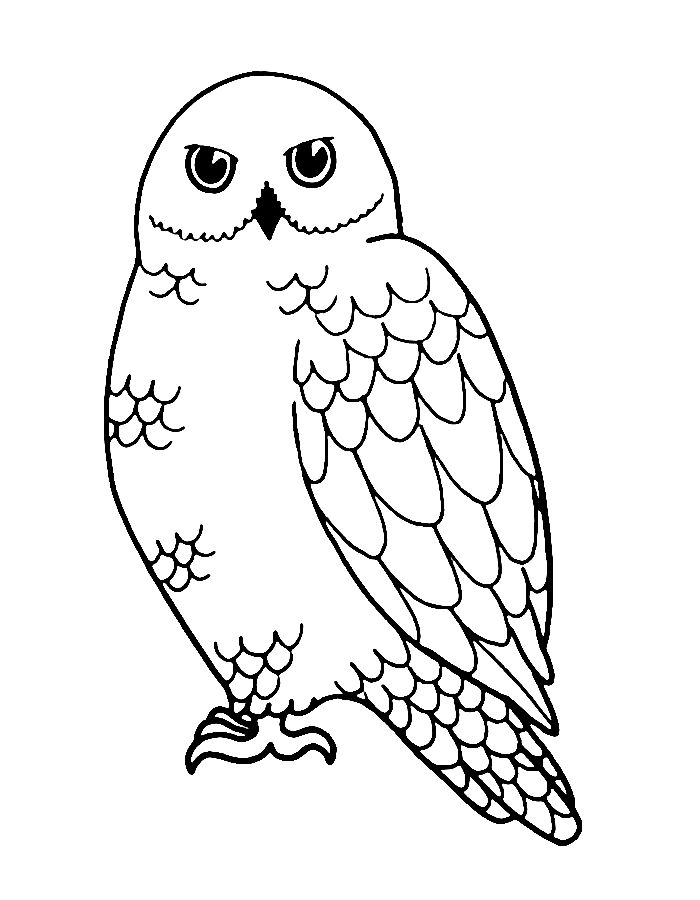
Few creatures in literature possess the same mystique as the owl—a silent sentinel of wisdom, a harbinger of secrets, and a symbol that has fluttered through the pages of human storytelling for centuries. From the rapturous verses of Shakespeare to the enchanted halls of Hogwarts, the owl has evolved from a mere bird into a living metaphor, a literary chameleon that shifts its meaning with the tides of time. What is it about this nocturnal creature that has captivated the human imagination so fiercely? Why does it perch so prominently in our myths, our tragedies, and our fantasies? Prepare to embark on a journey through the ages, where the owl is not just a bird, but a mirror reflecting our deepest fears, our loftiest aspirations, and the untamed wildness of the human soul.
The Owl in Ancient Echoes: Wisdom’s Feathered Messenger
Long before the ink of modern literature dried, the owl was already a celestial cipher in the ancient world. The Greeks, those architects of myth, saw in the owl the embodiment of Athena, goddess of wisdom and strategy. Perched upon her shoulder or gliding through the olive groves of Athens, the owl was not merely a creature—it was an oracle, a silent witness to the birth of philosophy and the dawn of democracy. Plato’s dialogues hum with its presence, while Aesop’s fables whisper its cunning. But the owl was more than a symbol of intellect; it was a liminal being, straddling the boundary between the seen and unseen. In Roman lore, it became an omen, its hoot a portent of both fortune and doom. To hear an owl at night was to stand at the threshold of fate, where the future hung suspended like a feather in mid-descent. This duality—wisdom and foreboding—would become the owl’s most enduring legacy, a paradox that continues to haunt our literary dreams.
Shakespeare’s Nocturnal Muse: The Owl as Dramatic Catalyst
Enter the Elizabethan stage, where the owl ceases to be a passive symbol and becomes an active force in the machinery of drama. Shakespeare, that master of human folly and grandeur, wielded the owl like a playwright’s tool, using its eerie presence to amplify tension and foreshadow catastrophe. In Macbeth, the owl’s shriek pierces the night as Lady Macbeth descends into madness, its cry a visceral manifestation of guilt’s relentless claws. The owl here is not just a bird—it is the voice of the subconscious, the harbinger of retribution that cannot be silenced. In Julius Caesar, the owl’s omen precedes the assassination, its wings casting a shadow over the Ides of March. Shakespeare understood what many would later forget: the owl is not merely a creature of the night; it is the night given form, a living embodiment of the unknown. Its presence on stage was not decorative—it was a dramatic earthquake, a tremor that unsettled audiences long after the final curtain fell.
The Owl in Folklore: A Shape-Shifting Specter
Beyond the polished sonnets and tragedies, the owl slunk into the darker corners of oral tradition, where it morphed into something far more sinister. In European folklore, the owl was often a witch’s familiar, a creature of the underworld that whispered secrets to those who dared listen. Scandinavian sagas tell of the ugla, a spectral owl that guided lost travelers—only to lead them astray into the frozen wilderness. Slavic tales cast the owl as a psychopomp, ferrying the souls of the dead to the afterlife, its wings beating in rhythm with the heartbeat of the dying. But in some traditions, the owl was a harbinger of death itself, its hoot a death knell for those who heard it. This duality—between guide and grim reaper—reveals the owl’s true power: it is a shape-shifter of meaning, a creature that embodies both salvation and destruction. In these stories, the owl is not just a bird; it is a living paradox, a creature that exists in the liminal spaces where life and death, wisdom and folly, merge into one.
The Owl in Gothic Literature: A Sentinel of the Macabre
The Gothic imagination, that fevered dream of decay and desire, found in the owl a kindred spirit. Edgar Allan Poe, that architect of dread, wove the owl into his tapestry of terror, most famously in The Raven, where the titular bird’s presence looms like a specter over the grieving narrator. But it was in the lesser-known corners of Gothic literature that the owl truly came into its own. In Mary Shelley’s The Last Man, the owl’s mournful cry echoes across a desolate future, a reminder of nature’s indifference to human suffering. The owl, in these tales, is not just a witness to horror—it is the embodiment of horror itself, a creature that thrives in the shadows of human despair. Its eyes, wide and unblinking, seem to hold the secrets of the universe, secrets that are too terrible for mortal minds to comprehend. The Gothic owl is a creature of the abyss, a silent observer of humanity’s darkest impulses, its presence a reminder that some mysteries are best left unsolved.
The Owl in Modern Fantasy: From Narnia to Hogwarts
As literature marched into the 20th century, the owl shed its Gothic shroud and donned a new mantle: that of the magical companion. In C.S. Lewis’s The Chronicles of Narnia, the owl is a wise and benevolent guide, a creature of the old magic that predates the White Witch’s reign. But it was J.K. Rowling who, in Harry Potter, transformed the owl into a cultural icon—a symbol of both companionship and responsibility. Hedwig, Harry’s snowy owl, is more than a pet; she is a lifeline, a messenger of hope in a world teetering on the edge of darkness. Yet even here, the owl retains its ancient duality. In the Potterverse, owls are not just carriers of mail—they are creatures of the night, bound to the unseen world of magic. Their silent flight is a reminder that even in the brightest of worlds, shadows linger. The modern owl, then, is a bridge between the ancient and the contemporary, a creature that carries the weight of centuries in its wings.
The Owl as Literary Archetype: Why It Endures
What is it about the owl that ensures its survival in the ever-shifting landscape of literature? The answer lies in its unparalleled versatility. The owl is a chameleon, a creature that can embody wisdom, folly, death, life, magic, and mystery—often within the same story. It is a symbol that refuses to be pinned down, a creature that exists in the spaces between definitions. In an age where literature seeks to explore the complexities of human nature, the owl is the perfect vessel—a creature that is both familiar and alien, both comforting and terrifying. Its presence in a story is never accidental; it is always deliberate, a deliberate choice to evoke a sense of the uncanny, the unknown, the untamed. The owl, in this way, is not just a character in literature—it is a mirror, reflecting back to us the parts of ourselves we are most afraid to acknowledge.
The Owl’s Silent Flight: A Final Thought
As we close this journey through the literary landscape, one truth becomes undeniable: the owl is not just a bird. It is a living metaphor, a creature that has soared through the ages, adapting to the needs of each era while retaining its ancient essence. From the wisdom of Athena to the magic of Hogwarts, the owl has been a constant, a silent observer of human folly and grandeur. It is a creature of the night, yes—but it is also a creature of the human soul, a reflection of our deepest fears and our highest aspirations. So the next time you hear an owl’s hoot in the distance, pause. Listen. The owl is not just calling to you—it is inviting you to see the world through a different lens, to embrace the unknown, and to find wisdom in the shadows. For in the end, the owl is not just a symbol. It is a promise—a promise that even in the darkest of nights, there is light to be found, if only you know where to look.