In the shadowed realms where nocturnal wings whisper against the moonlit sky, owls—those enigmatic sentinels of the night—face an existential crisis. Habitat destruction, climate change, and human encroachment have pushed these silent hunters to the brink. Yet, amidst this gloom, a beacon of hope emerges: the power of influencers and celebrities in owl conservation advocacy. These digital and cultural luminaries wield an unparalleled ability to illuminate the plight of owls, transforming apathy into action through the alchemy of storytelling, visuals, and unrelenting advocacy.
Ecology & Environmental Science
How Owls Are Supporting Pollination Services Through Prey Control
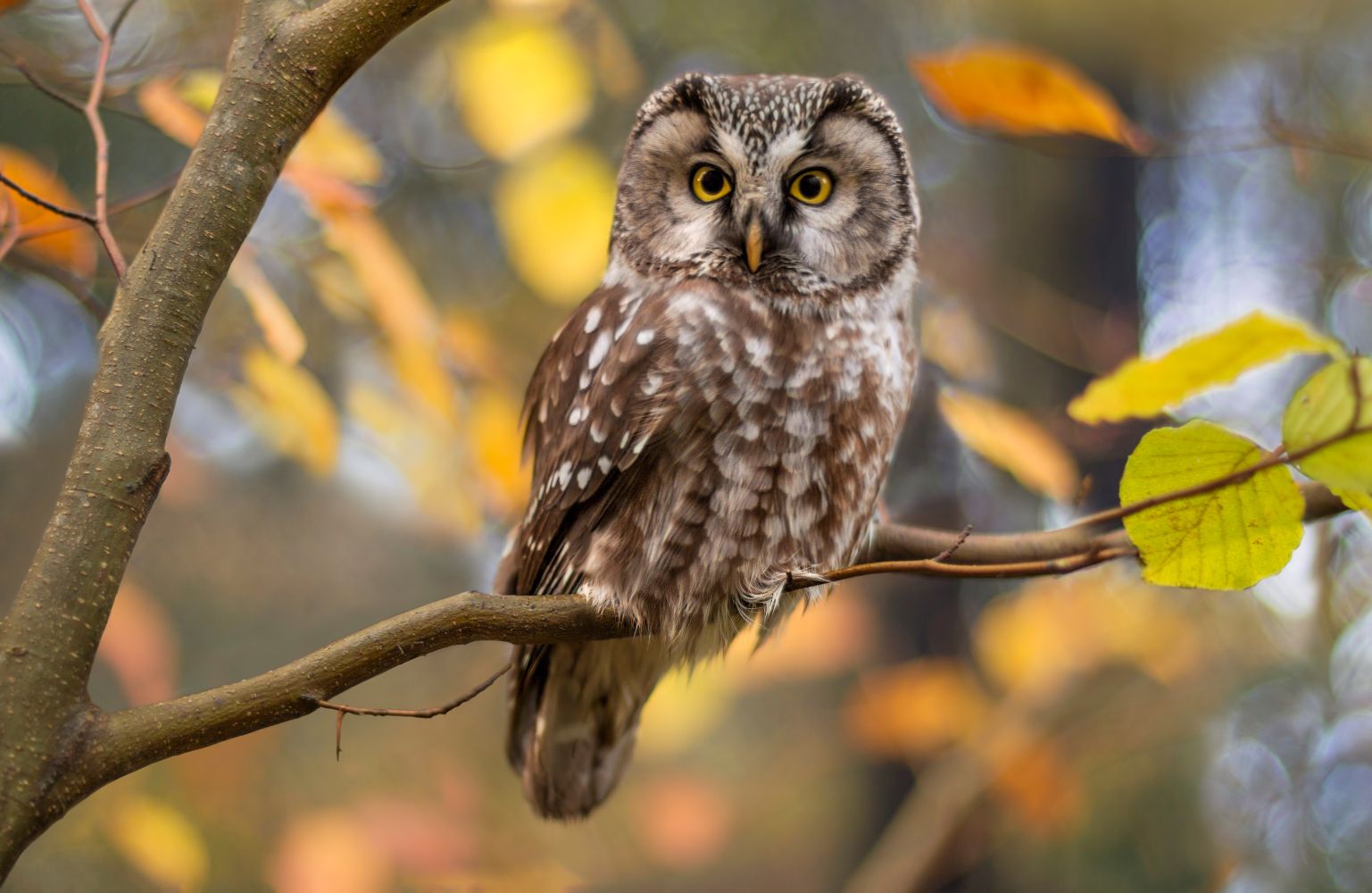
In the hidden tapestry of ecosystems, where every thread weaves a story of survival, owls emerge as unsung heroes of pollination services—though their role is often overshadowed by the more celebrated pollinators like bees and butterflies. These nocturnal sentinels, with their silent wings and piercing gaze, are not merely predators; they are architects of balance, sculpting the very conditions that allow pollination to thrive. Through their predatory prowess, owls exert a cascading influence on plant communities, indirectly fostering the proliferation of flora that depend on animal-mediated pollination. This intricate dance of predation and propagation reveals a symbiotic relationship that transcends the conventional narratives of pollination ecology.
Snowy Owls in Captivity: How Zoos and Sanctuaries Are Helping Wild Populations
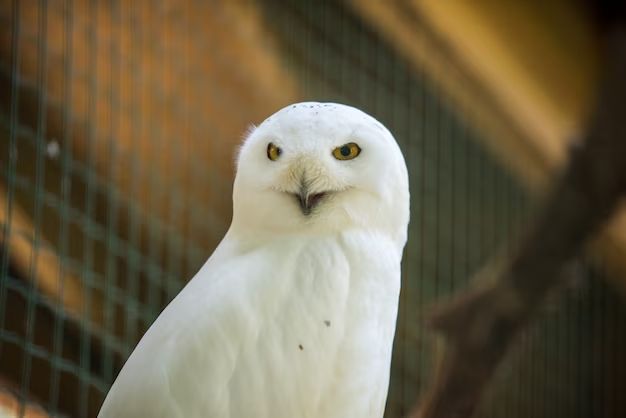
In the vast, whispering tundras where the Arctic winds carve their stories into the ice, the snowy owl glides like a spectral guardian—its feathers a blizzard given form, its gaze a piercing comet’s tail across the endless white. Yet, beyond the frozen horizons, a quieter drama unfolds. Zoos and wildlife sanctuaries, those modern-day arks of compassion, have become unexpected allies in the snowy owl’s survival tale. While the wild calls these birds home, captivity offers a sanctuary not just for individuals, but for the very future of the species. Here, in carefully crafted enclosures bathed in the glow of conservation science, snowy owls are more than exhibits—they are living ambassadors, educators, and silent warriors in the fight against extinction.
Spotted Owls and the Role of Private Landowners in Conservation
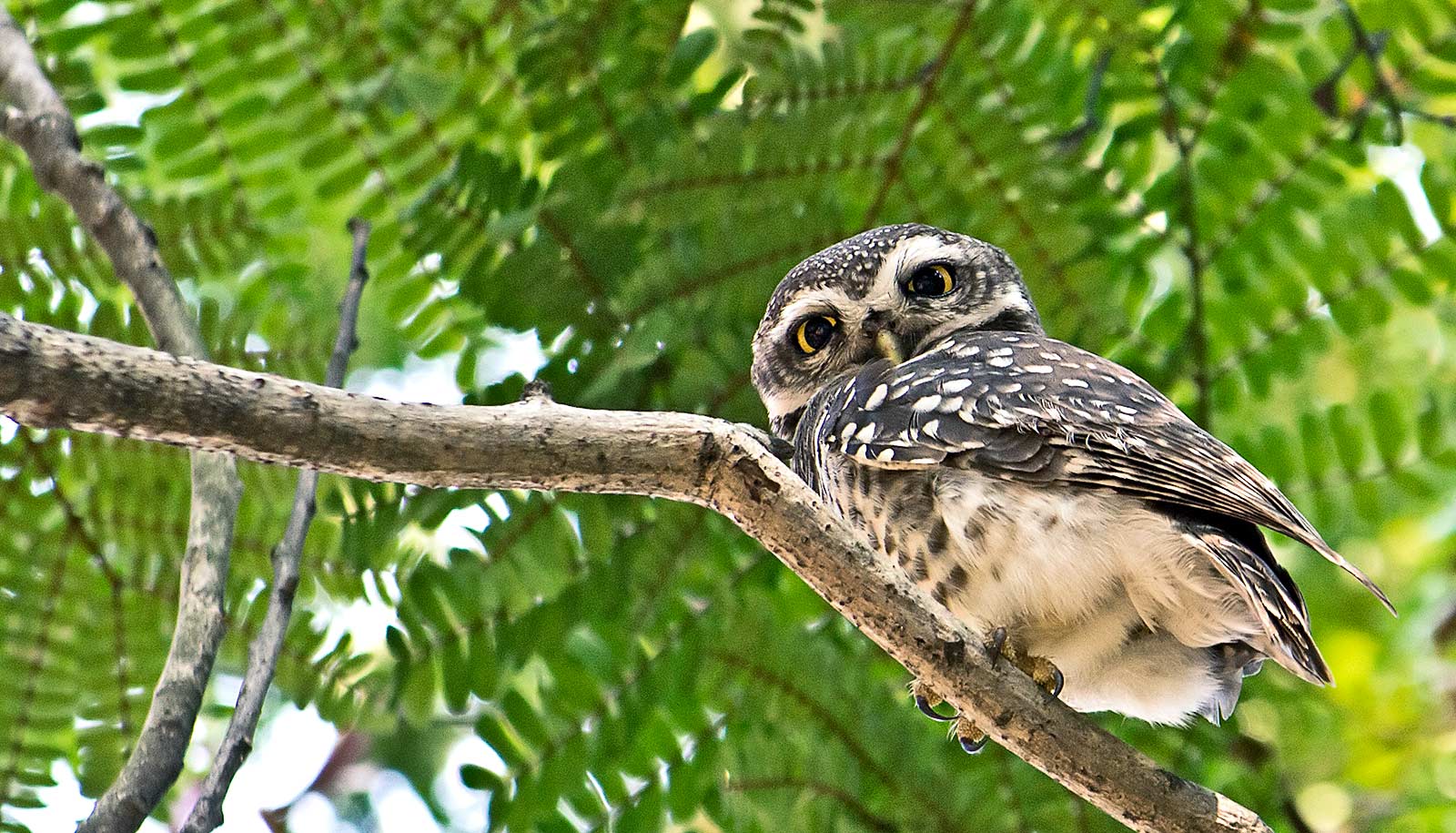
In the emerald shadows of ancient forests, where the air hums with the whispers of unseen creatures, a silent battle rages—not of swords or bullets, but of survival. The spotted owl, a bird of quiet dignity and haunting gaze, has become an unwitting symbol of a far greater struggle: the collision between conservation and private land ownership. For decades, this enigmatic creature has been at the center of environmental policy, its fate intertwined with the hands of those who own the land it calls home. But what if the key to its survival doesn’t lie solely in government mandates or sweeping regulations, but in the hands of the very people who walk those woods every day? The story of the spotted owl is not just about a bird—it’s about people, choices, and the fragile balance between humanity and the wild.
Road Mortality: Why Owls Are So Vulnerable to Vehicle Collisions
There’s something hauntingly poetic about the silent, feathered sentinels of the night—owls—perched motionless on roadside branches, only to become tragic casualties of the relentless tide of traffic. Their nocturnal habits, once a survival advantage, now render them exquisitely vulnerable to the modern menace of vehicle collisions. This phenomenon isn’t just a statistic; it’s a collision of ancient instincts and contemporary chaos, a silent symphony of nature disrupted by the hum of engines. To understand why owls so often fall prey to the asphalt’s hungry maw, we must delve into the intricate dance between their biology, behavior, and the encroaching shadows of human progress.
How Owls Interact with Other Predators: Competition Cooperation and Conflict

The night belongs to the owls—a realm where silence is not absence but a canvas for the unseen. These feathered sentinels, with their unblinking gaze and silent wings, navigate a world where survival is a delicate dance of stealth, strategy, and symbiosis. Among the shadows, they do not reign alone. They share the dark with other predators, each vying for dominance, each playing a role in the grand theater of the wild. The interactions between owls and their fellow hunters are a masterclass in nature’s contradictions: fierce competition clashing with unexpected cooperation, conflict erupting from necessity, and alliances forming in the unlikeliest of places. To understand the owls is to peer into the heart of these dynamics—a world where every screech, every silent descent, is a thread in the intricate tapestry of survival.
The Role of Owls in Aesthetic Ecosystem Services: Their Beauty and Inspiration
Have you ever paused mid-stride, transfixed by the silent elegance of an owl perched on a gnarled branch, its golden eyes gleaming like twin moons in the twilight? These feathered enigmas do more than haunt our folklore and adorn our emblems—they are living brushstrokes upon the canvas of nature, painting ecosystems with hues of awe and wonder. But what if the true masterpiece they create isn’t just ecological balance, but the intangible artistry of human inspiration? Let’s explore how owls, those nocturnal virtuosos, shape the aesthetic soul of our world.
The Role of Camera Traps in Studying Barred and Spotted Owl Interactions
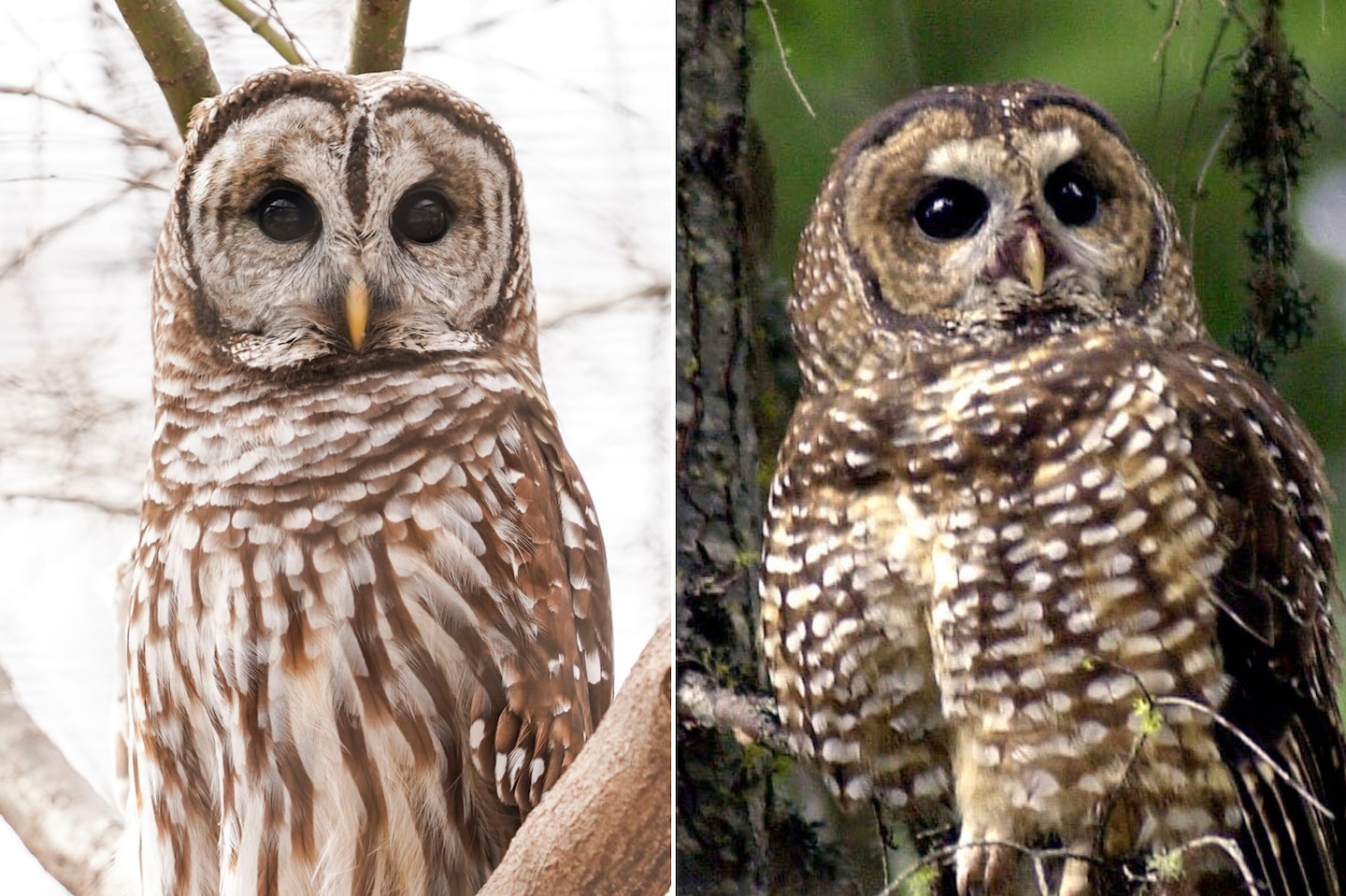
The silent sentinels of the forest, barred and spotted owls, have long been subjects of ecological fascination and conservation urgency. Their nocturnal habits and elusive nature make traditional observation methods nearly obsolete, but the advent of camera traps has revolutionized how researchers study their interactions. These unblinking mechanical eyes have peeled back layers of mystery, revealing the complex dynamics between these two owl species in ways previously unimaginable. From documenting territorial skirmishes to capturing the subtleties of coexistence, camera traps are not just tools—they are storytellers of the wild, whispering secrets of the night through pixels and infrared beams.
The Snowy Owl’s Winter Migration: A Canary in the Coal Mine for Climate Change
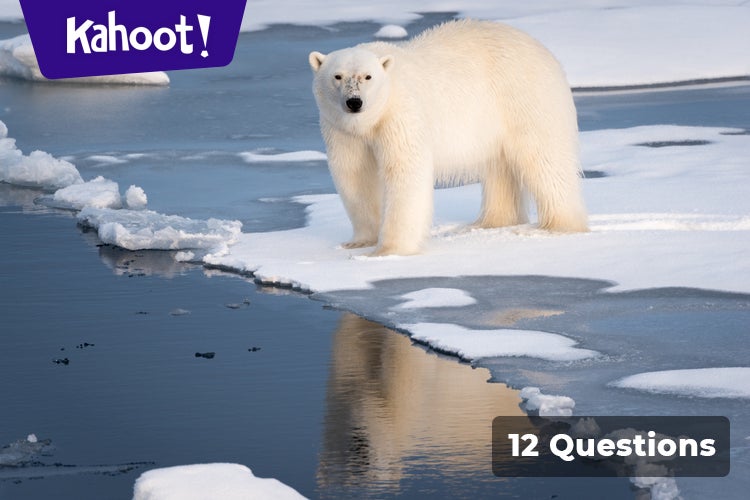
The Arctic tundra, a vast and desolate expanse, is a place of stark beauty and fragile equilibrium. Here, the snowy owl, a ghostly specter of the winter sky, reigns supreme. But this majestic bird is more than just a hunter of lemmings—it is a living barometer, a harbinger of change in an era of relentless climate upheaval. The snowy owl’s winter migration is not merely a journey; it is a silent sermon, a whispered warning from the natural world that we ignore at our peril. What if this bird, with its piercing golden eyes and snowy plumage, could reveal the hidden fractures in our planet’s climate system? What if its movements could shift the way we see our own role in the warming of the Earth? The answers lie not in the frozen winds of the Arctic, but in the shifting patterns of migration, the dwindling prey, and the unraveling rhythms of an ecosystem on the brink.
The Threat of Genetic Bottlenecks in Endangered Owl Species
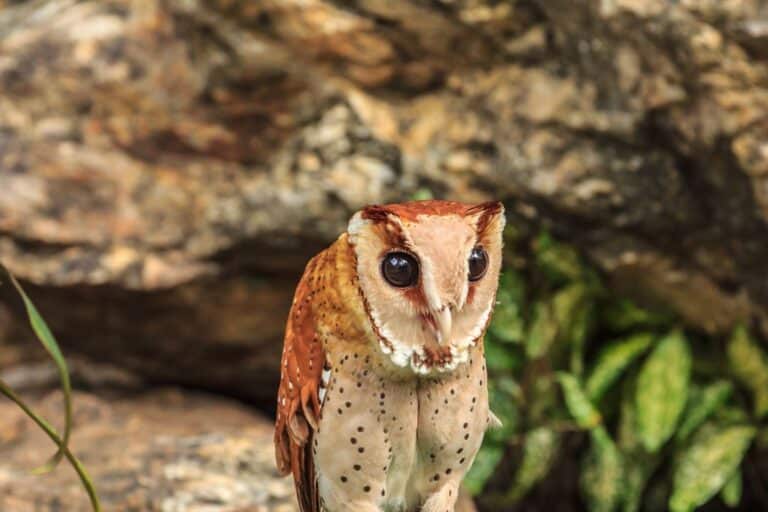
What if I told you that some of the most enigmatic creatures of the night—those feathered sentinels of the forest, the owls—are quietly slipping through an invisible genetic sieve? A sieve that doesn’t just strain out the weak, but reshapes entire lineages, leaving behind only a shadow of what once thrived. This isn’t the stuff of fantasy; it’s the stark reality of genetic bottlenecks, a silent crisis unfolding in the wings of endangered owl species worldwide. As their populations dwindle, so too does their genetic diversity—a fragile tapestry unraveling thread by thread. But why does this matter? And what happens when the last echoes of their ancestral voices fade into oblivion?