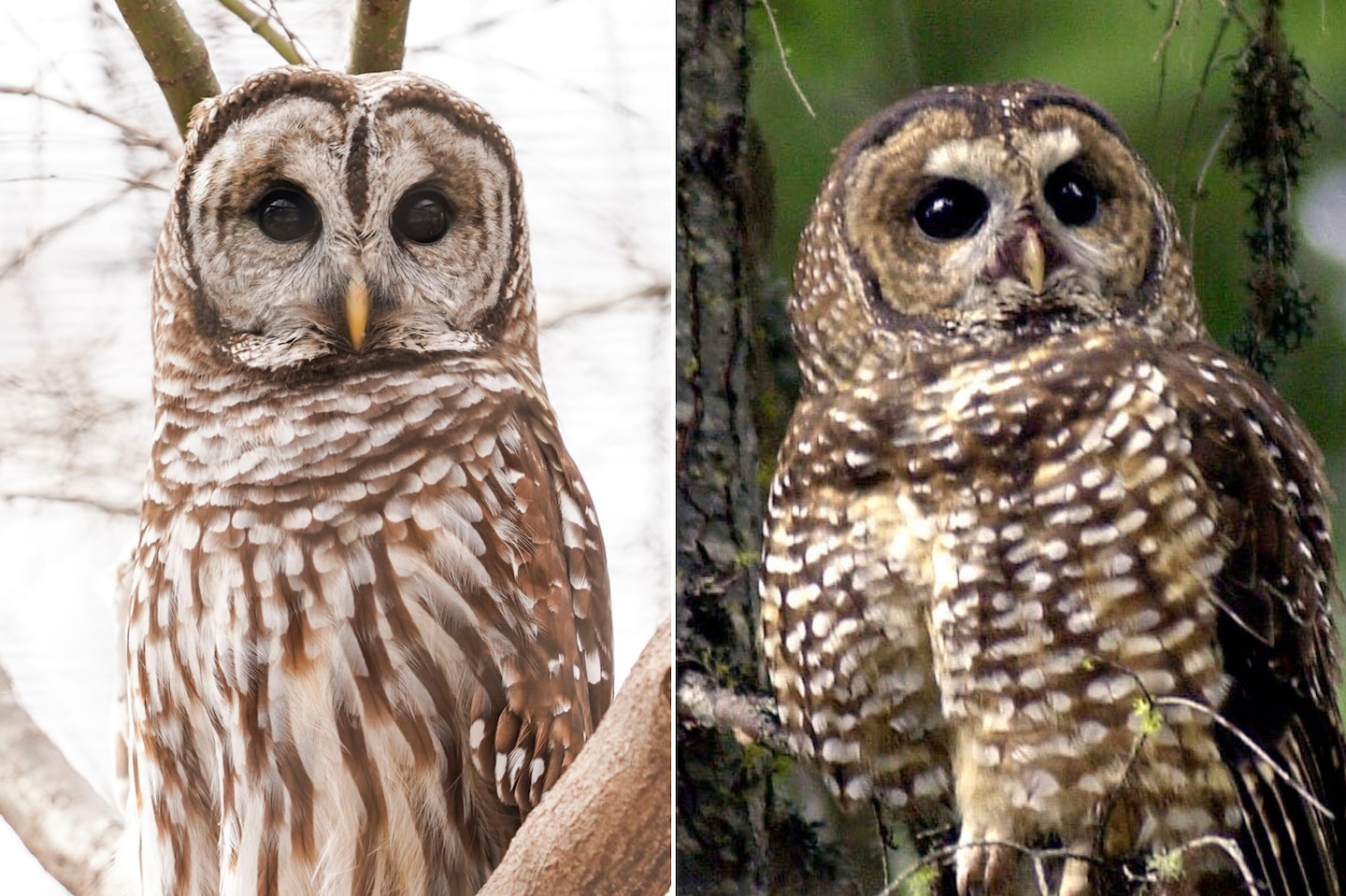
The barred owl, with its striped plumage and haunting hoots, has long been a creature of quiet fascination. Yet today, it finds itself at the center of a conservation conundrum—one that stretches from the misty forests of the Pacific Northwest to the halls of Congress. While barred owls are thriving, their spotted owl cousins face decline, prompting a bold federal response: funding. But what does this funding really mean for the owls, the forests, and the future of biodiversity? And could this well-intentioned intervention inadvertently unravel the delicate balance of nature?
Congress Steps In: Funding the Future of Forest Owls
In a rare bipartisan moment, Congress has allocated millions in federal funds to study the complex dance between barred and spotted owls. This isn’t just about throwing money at a problem—it’s about understanding the ecological chessboard where every move reverberates. The barred owl, a relative newcomer to the West Coast, has muscled its way into territories once dominated by the spotted owl. With its adaptability and aggressive nature, the barred owl has outcompeted its endangered cousin, pushing spotted owl populations to precarious lows. Congress, recognizing the urgency, has greenlit research grants to dissect this rivalry before it’s too late.
The funding isn’t just a lifeline—it’s a lifeline with strings attached. Researchers are tasked not only with studying owl behavior but also with predicting how climate change, habitat loss, and human encroachment will further tip the scales. Could this funding be the difference between extinction and recovery? Or will it merely delay the inevitable?
The Science Behind the Funding: What Are Researchers Really Studying?
Peel back the layers of this funding, and you’ll find a labyrinth of scientific inquiry. Researchers are deploying GPS trackers, analyzing owl diets, and even using bioacoustics to decode their haunting calls. One team is investigating whether barred owls are simply better at exploiting human-altered landscapes—like clear-cuts and suburban edges—while spotted owls, with their more specialized needs, struggle to adapt. Another group is exploring the role of disease, as barred owls may introduce pathogens that further weaken spotted owl populations.
But here’s the twist: some scientists argue that the barred owl’s dominance isn’t just a matter of competition—it’s a symptom of a larger ecological shift. Warmer winters, longer fire seasons, and fragmented forests have created a world where generalist species thrive, while specialists like the spotted owl falter. Is Congress funding a bandage, or are researchers uncovering the root causes of this imbalance?
Could This Funding Backfire? The Unintended Consequences of Intervention
Every intervention carries risks, and owl conservation is no exception. Some ecologists warn that removing barred owls—even temporarily—to study their impact could disrupt food webs in unpredictable ways. What if barred owls are controlling populations of other invasive species, like starlings or rats? Removing them might trigger a cascade of ecological surprises. Others caution that focusing solely on owls distracts from the bigger picture: preserving old-growth forests, the true lifeblood of spotted owl survival.
Then there’s the ethical dilemma. If barred owls are thriving because they’re better suited to a changing world, is it fair—or even wise—to cull them in the name of conservation? Some argue that nature’s course should run its own, even if it means the spotted owl’s decline. Others insist that human intervention is not just justified but necessary to prevent irreversible loss. Where do you draw the line between letting nature take its course and playing architect of the wild?
The Human Factor: How Local Communities Are Tied to the Owls
This isn’t just a story about owls—it’s a story about people. The forests where these owls live are home to Indigenous communities, loggers, and outdoor enthusiasts who depend on them for livelihood and culture. Some tribes, like the Yurok and Karuk, view the spotted owl as a sacred symbol, its decline a harbinger of ecological imbalance. Meanwhile, rural communities fear that aggressive conservation measures could stifle economic opportunities, like timber harvesting or land development.
Congress’s funding has sparked debates in town halls and tribal councils alike. Will this money trickle down to local researchers and conservation groups, or will it be siphoned off by bureaucratic red tape? And how do we balance the needs of humans with the needs of the owls—especially when those needs seem to clash?
What’s Next? The Future of Owl Research and Conservation
The funding is a start, but it’s only the beginning. The real test will be whether this research translates into action. Will Congress double down on habitat protection? Will agencies like the U.S. Fish and Wildlife Service use these findings to revise conservation strategies? Or will the owls remain caught in a bureaucratic limbo, their fate decided by spreadsheets and policy debates?
One thing is clear: the barred and spotted owl saga is more than a wildlife drama. It’s a mirror held up to our relationship with nature—a reminder that conservation isn’t just about saving species, but about redefining our place in the world. Can we learn to coexist with the owls, even when their needs conflict? Or will we continue to play god, deciding which species deserve to thrive and which must fade away?
The answers may lie in the forests, where the hoots of barred and spotted owls echo through the trees. But the decisions will be made in Washington, where the fate of these birds is being written—one congressional appropriation at a time.