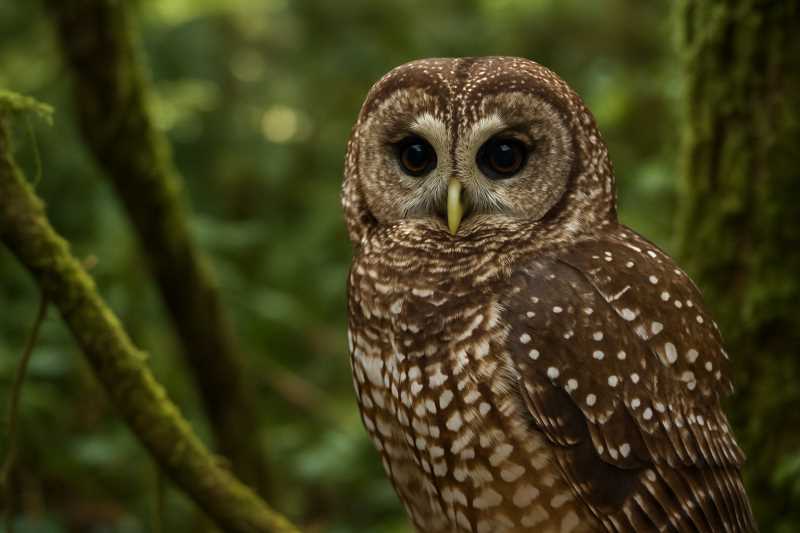
Have you ever wondered what it takes for a mysterious creature of the night, cloaked in mottled feathers and silent grace, to thrive in the depths of ancient woodlands? The Spotted Owl, a symbol of wilderness and ecological balance, poses a unique challenge to conservationists. Its survival hinges on the preservation of habitats that have resisted the march of time—old-growth forests. But why exactly are these age-old forests so indispensable to the Spotted Owl? What makes these ecosystems more than just a backdrop for a nocturnal spectacle? Let’s embark on a journey into the heart of these towering arboreal sanctuaries and uncover the intricate relationship between the Spotted Owl and its irreplaceable home.
Ecology & Environmental Science
Owls and the Sixth Mass Extinction: Are We Losing Them Forever?

The night is a canvas of whispers, where shadows dance and unseen wings cut through the darkness. Among these nocturnal specters, owls reign as silent sentinels, their piercing gaze a paradox of wisdom and mystery. Yet, as the world teeters on the precipice of the Sixth Mass Extinction—a cataclysmic unraveling of biodiversity—these enigmatic birds face an existential reckoning. Are we, in our relentless march of progress, erasing them from the tapestry of life forever? The answer lies not just in the dwindling numbers of these feathered phantoms but in the intricate web of ecosystems they uphold, a web now fraying at the edges.
The Role of Schools in Teaching the Next Generation About Spotted Owls
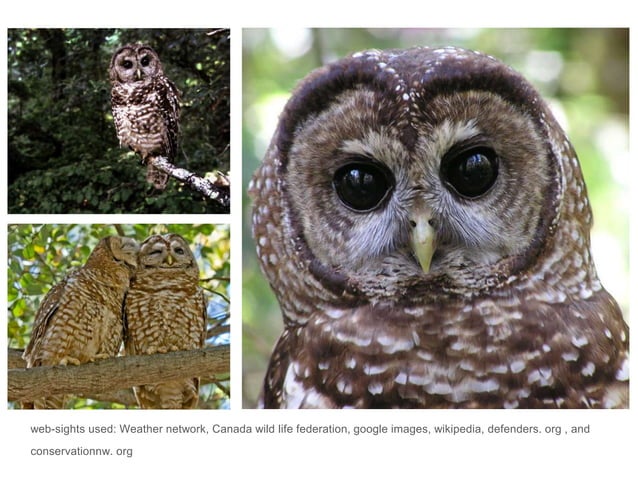
The spotted owl, with its piercing amber eyes and silent wings, has long captivated the human imagination. Yet beyond its symbolic allure, this enigmatic creature embodies a critical lesson in ecological balance—a lesson that schools must urgently impart to the next generation. In an era where biodiversity faces unprecedented threats, the role of education in fostering stewardship of species like the spotted owl cannot be overstated. Schools are not merely institutions of academic rigor; they are incubators of empathy, curiosity, and environmental consciousness. By weaving the story of the spotted owl into curricula, educators can transform classrooms into laboratories of ecological empathy, where students don’t just learn about conservation but become its most ardent advocates.
Spotted Owl Watching in Old-Growth Forests: A Unique Experience
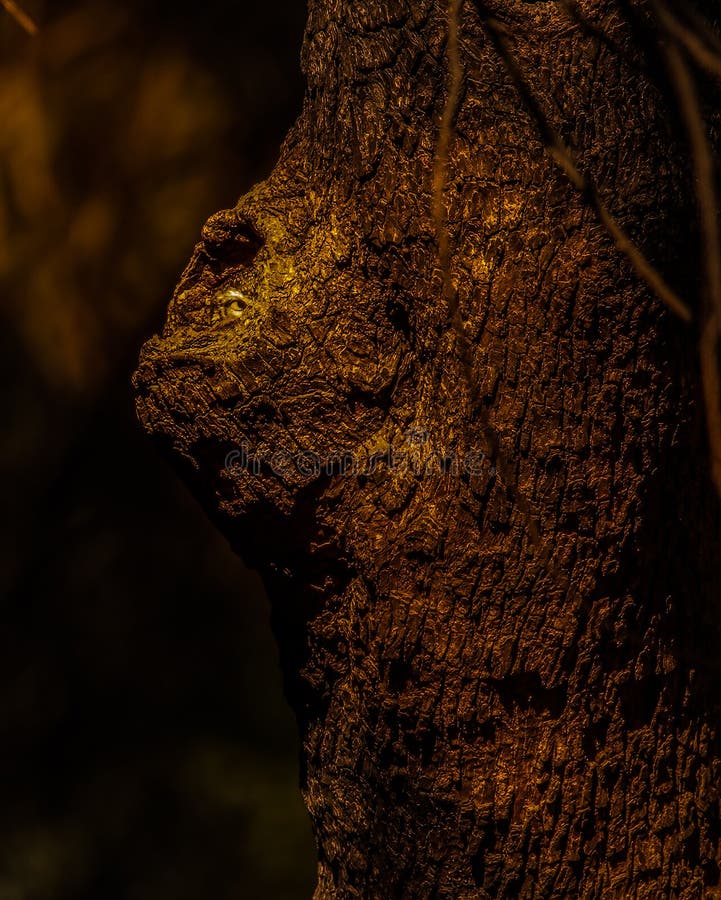
Venturing into the heart of ancient woodlands brings a profound encounter with nature’s subtle magnificence. Among the myriad of creatures inhabiting these timeless ecosystems, the Spotted Owl emerges as a symbol of mystery and fragility. Watching this elusive raptor amidst old-growth forests is not merely a wildlife observation; it is an immersive journey that entwines the senses with the pulse of an ancient world. The experience offers a rich tapestry of sights, sounds, and emotions that captivates even the most seasoned naturalists.
The Owl in Literature: From Shakespeare’s Omens to Harry Potter’s Hedwig

The owl, that enigmatic creature of the twilight hours, has long perched upon the shoulders of human imagination. From the rafters of ancient theaters to the pages of modern fantasy, it has carried secrets, omens, and silent wisdom. Its presence is not merely decorative; it is a living metaphor, a feathered oracle that has whispered to generations across centuries. To trace the owl’s flight through literature is to follow the evolution of human thought itself—from the harbingers of doom in Shakespeare’s tragedies to the steadfast companions of Harry Potter’s world. What is it about this bird that has so captivated our collective psyche? Why does its gaze, both piercing and inscrutable, continue to haunt our stories?
The Role of Petitions and Public Campaigns in Owl Advocacy
In the vast tapestry of wildlife conservation, few creatures embody the mystique of wisdom and the silent eloquence of nature quite like the owl. These nocturnal sentinels, with their piercing gaze and feathered grace, have long captivated human imagination—yet their survival is increasingly threatened by habitat destruction, climate change, and human encroachment. Advocacy for owls is not merely a crusade for biodiversity; it is a testament to our collective responsibility to protect the voiceless. Among the most potent tools in this fight are petitions and public campaigns, which transform individual concern into collective action. These instruments do more than amplify voices—they forge alliances, shift paradigms, and compel institutions to act. This article explores the multifaceted role of petitions and public campaigns in owl advocacy, dissecting their power, strategies, and the diverse content that fuels their momentum.
Barred Owl vs. Spotted Owl: The Ecological Battle for the Pacific Northwest’s Forests
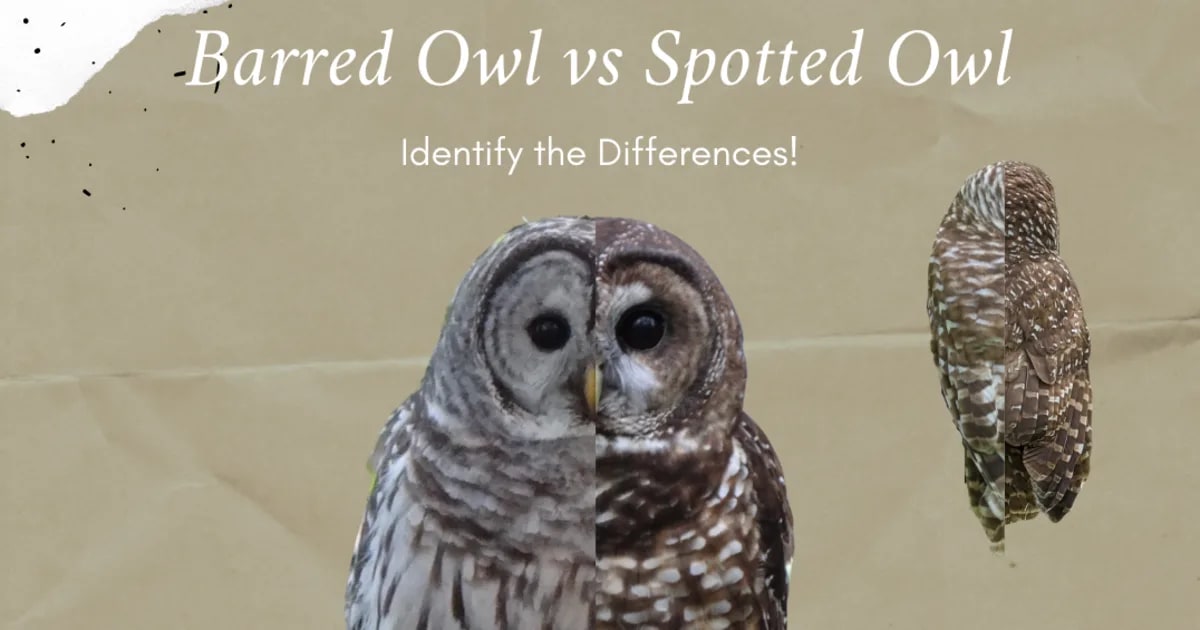
The Pacific Northwest’s ancient forests are not merely a tapestry of towering conifers and moss-draped maples—they are a battleground, a silent war waged in the emerald shadows where two owls, each a sovereign of their domain, clash over the fate of an ecosystem. The Barred Owl, a brazen interloper with a voice like a rasping chuckle echoing through the trees, and the Spotted Owl, a reclusive aristocrat draped in dappled plumage, embody a deeper struggle: one of displacement, adaptation, and the unyielding march of change. This is not just a tale of predator and prey, but of two species locked in a dance as old as the forests themselves, where the survival of one may spell the undoing of the other.
How to Create an Owl Conservation Workshop: Engaging Communities in Protection Efforts

Imagine a world where the night sky hums with the silent wings of owls, where their keen eyes pierce through the darkness not as omens of doom, but as guardians of balance. Yet, these enigmatic creatures face silent threats—habitat loss, pesticide poisoning, and human encroachment. How can we, as stewards of the earth, shift this narrative? The answer lies in a transformative approach: creating an owl conservation workshop that doesn’t just educate, but ignites a fire of curiosity and action within communities. This isn’t merely about saving a species; it’s about rewiring our collective consciousness to see owls not as distant shadows, but as vital threads in the tapestry of life.
How to Identify Owl Calls: A Guide for Birdwatchers and Nature Enthusiasts
In the hushed embrace of twilight, when the world slows to a whisper, the night reveals its most enigmatic symphony—the haunting calls of owls. These feathered sentinels of the dark are not merely birds; they are the poets of the nocturnal realm, their voices weaving tales of ancient wisdom and untold secrets. For birdwatchers and nature enthusiasts, learning to identify owl calls is akin to deciphering a celestial language, one that unlocks the mysteries of the wild. This guide is your lantern in the dark, illuminating the path to understanding these mesmerizing vocalizations and the creatures that produce them.
How Owls Are Affecting Ecosystem Processes: Their Role in Energy Flow and Nutrient Cycling
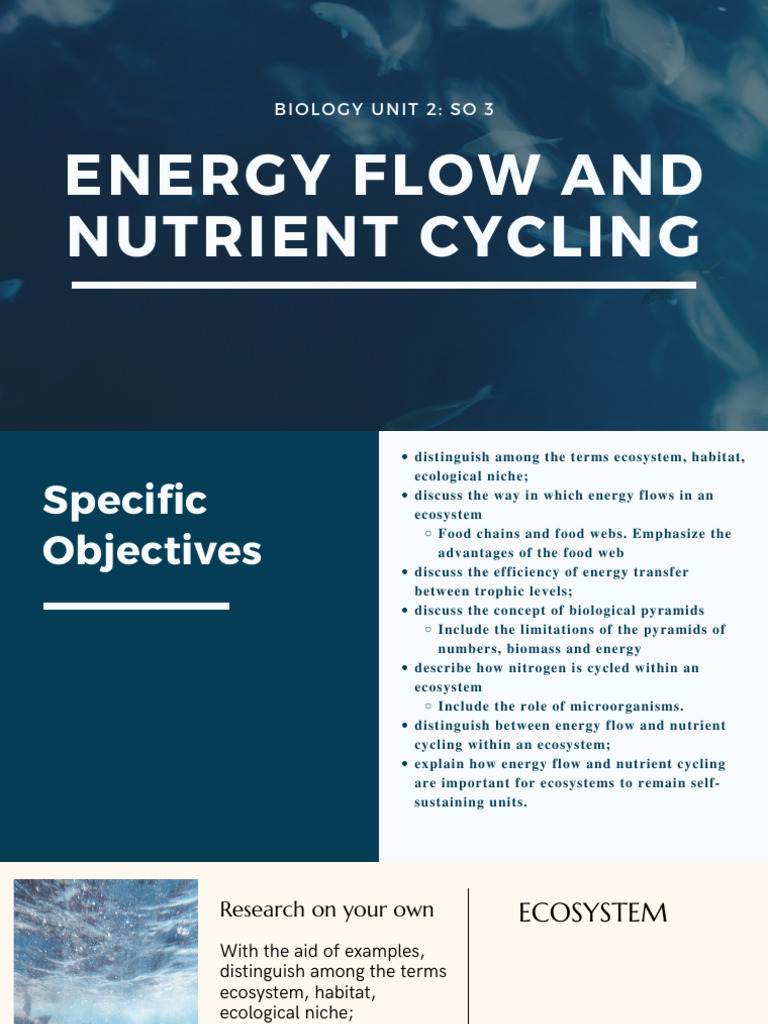
The silent sentinels of the night, owls, are far more than mere feathered enigmas gliding through moonlit forests. They are the unsung architects of ecological harmony, weaving invisible threads that bind energy and nutrients into the very fabric of life. Their existence is a testament to nature’s ingenuity, where every talon strike and wingbeat orchestrates a symphony of decay, renewal, and sustenance. To understand their role is to peer into the hidden machinery of ecosystems, where these raptors act as both regulators and redistributors, ensuring that the cycle of life never falters.